Cut your finger and something remarkable happens. Within minutes, a cascade of proteins converts liquid blood into a solid plug.
That cascade runs on vitamin K.
The K actually comes from the German word Koagulation, which tells you how central this nutrient is to the process. Discovered in the 1920s by a Danish scientist studying chicks that bled uncontrollably, it remains one of the more overlooked vitamins in everyday nutrition.
The good news is that vitamin K1 food sources are cheap, common, and mostly green. This guide covers what K1 does, where to find it, how to absorb it properly, and who needs to pay closer attention.
K1 and K2 Are Not the Same
This distinction causes constant confusion, so it is worth settling first.
Vitamin K1, known as phylloquinone, comes from plants. It makes up roughly 90 percent of dietary vitamin K intake and heads primarily to the liver, where clotting factors are produced.
Vitamin K2, known as menaquinone, comes from fermented foods and animal products. It travels more widely through the body and directs calcium into bone rather than soft tissue.
Your body converts some K1 into K2, though the efficiency varies between individuals.
| Feature | Vitamin K1 | Vitamin K2 |
|---|---|---|
| Common name | Phylloquinone | Menaquinone |
| Main sources | Leafy greens, vegetables | Natto, aged cheese, egg yolks, liver |
| Primary destination | Liver | Bone, arteries, wider tissues |
| Main role | Blood clotting factors | Calcium placement in bone |
| Half-life in blood | A few hours | Up to three days |
| Share of dietary intake | About 90 percent | About 10 percent |
Both matter. Our guide to vitamin K2 food sources covers the other half of the picture.
K1 and Blood Clotting: How It Works
Your liver produces several clotting factors, specifically factors II, VII, IX, and X, plus proteins C and S.
These proteins arrive incomplete. They need a chemical modification called carboxylation before they can function.
The enzyme that performs this step, gamma-glutamyl carboxylase, requires vitamin K to operate. Without it, your liver still makes the proteins, but they cannot bind calcium and cannot participate in clotting.
Your body then recycles the vitamin K through a process called the vitamin K cycle, which lets a relatively small intake support ongoing production.
This is precisely why warfarin works. The drug blocks the recycling enzyme, which reduces active clotting factors and thins the blood.
How Much Vitamin K1 Do You Need?
| Group | Adequate Intake (mcg per day) |
|---|---|
| Women 19 and over | 90 |
| Men 19 and over | 120 |
| Pregnancy and breastfeeding | 90 |
| Teens 14 to 18 | 75 |
| Children 9 to 13 | 60 |
Note that these are adequate intake values rather than full recommended allowances, since the evidence base is thinner than for other vitamins.
The targets are also modest. Half a cup of cooked kale delivers several times the daily requirement in one serving.
Worth knowing: these amounts reflect what clotting needs. Some researchers argue that optimal bone and cardiovascular support requires more, though no official body has revised the figures.
Best Vitamin K1 Food Sources
Green means K1. Phylloquinone sits inside chloroplasts, so the darker the leaf, the higher the content.
| Food (1/2 cup cooked unless noted) | Vitamin K1 (mcg) | Percent of Female Need |
|---|---|---|
| Kale | 531 | 590% |
| Collard greens | 530 | 589% |
| Spinach | 444 | 493% |
| Turnip greens | 425 | 472% |
| Mustard greens | 415 | 461% |
| Swiss chard | 287 | 319% |
| Beet greens | 350 | 389% |
| Broccoli | 110 | 122% |
| Brussels sprouts | 109 | 121% |
| Cabbage | 82 | 91% |
| Asparagus | 46 | 51% |
| Green beans | 30 | 33% |
| Kiwi, 1 medium | 28 | 31% |
| Avocado, half | 21 | 23% |
Non-green sources exist but contribute far less. Soybean oil, canola oil, and olive oil supply moderate amounts, and fermented foods add some K2 alongside.
Organic Kale and Vitamin K
Kale sits at the top of the list for a reason. One modest serving covers nearly six days of requirement.
Our guide to kale, collard, and mustard greens covers varieties and preparation. All three rank among the highest K1 foods available.
Kale appears regularly on the Dirty Dozen list, so this is a category where organic genuinely matters. Check our guide to the dirty dozen and clean fifteen before buying.
Spinach performs well here too, unlike its poor showing for calcium. Oxalates block minerals, not vitamins, so organic spinach is a legitimate K1 source.
For the broader category, our overview of organic dark leafy greens covers rotation and storage.
Absorption Requires Fat
This is the practical detail most people miss.
Vitamin K1 is fat-soluble. Eaten alone, absorption from raw vegetables can be as low as 5 to 10 percent.
Add fat and absorption improves severalfold. Cooking helps too, since heat breaks down the plant cell walls that trap phylloquinone inside chloroplasts.
Three simple adjustments:
- Dress salads with olive oil rather than a low-fat alternative
- Saute greens rather than eating them raw
- Add avocado, nuts, or seeds to any green dish
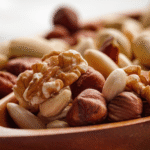
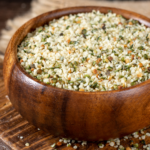
Organic nuts and seeds work well here and add magnesium at the same time.
Unlike many vitamins, K1 tolerates heat reasonably well. Light cooking increases available K1 rather than destroying it.
Vitamin K Deficiency
True deficiency is rare in adults eating normal diets. Marginal status is more common than people assume.
Who Is at Risk
| Risk Group | Reason |
|---|---|
| Newborns | Poor placental transfer, low levels in breast milk |
| People with fat malabsorption | Coeliac, Crohn’s, cystic fibrosis, bile duct issues |
| Long-term antibiotic users | Reduces gut bacteria that produce some K2 |
| Heavy alcohol users | Impairs liver function and absorption |
| Very low fat diets | Reduces absorption of all fat-soluble vitamins |
| People eating almost no vegetables | Simple dietary shortfall |
Newborns deserve specific mention. Vitamin K crosses the placenta poorly, which is why a vitamin K injection at birth is standard practice in most countries. It prevents a rare but serious bleeding condition.
Signs Worth Noticing
- Bruising more easily than usual
- Bleeding gums when brushing
- Nosebleeds without obvious cause
- Cuts that take longer to stop bleeding
- Heavy menstrual bleeding
None of these confirm deficiency on their own. Several have more common explanations, including iron issues covered in our guide to iron-rich organic foods.
Persistent bleeding symptoms warrant a medical assessment rather than a dietary experiment.
Warfarin and Leafy Greens
This deserves careful handling, because the common advice is wrong.
People on warfarin are often told to avoid greens entirely. That is not what current guidance says.
The actual principle is consistency. Warfarin dosing gets calibrated to your usual vitamin K intake. Sudden swings, in either direction, destabilise your INR.
Eating a large kale salad after weeks of none can reduce the drug’s effect. Cutting greens abruptly can increase it.
Steady intake allows steady dosing. Anyone taking warfarin should discuss their green vegetable habits with their prescribing clinician rather than making changes independently.
Newer anticoagulants such as apixaban and rivaroxaban work through a different mechanism and do not interact with vitamin K in this way.
Beyond Clotting
Vitamin K does more than stop bleeding, though clotting takes priority when supply is limited.
Osteocalcin, the protein that binds calcium into bone, requires vitamin K for activation. Matrix Gla protein, which helps prevent calcium depositing in arteries, needs it too.
K2 handles most of this work. K1 contributes, particularly through the portion your body converts.
The practical result is that greens support bone health alongside their clotting role. Our guide to calcium absorption foods explains how these nutrients work together, and boron-rich foods covers another mineral in the same system.
Storage and Preparation
| Practice | Effect on K1 | Recommendation |
|---|---|---|
| Refrigeration | Preserves content well | Store greens cold and use within days |
| Freezing | Retains K1 effectively | Frozen spinach and kale are reliable |
| Light exposure | Degrades phylloquinone slowly | Store in opaque containers |
| Boiling | Modest loss into water | Steam or saute instead |
| Light cooking | Improves availability | Wilt greens in olive oil |
| Eating without fat | Poor absorption | Always pair with a fat source |
Frozen greens hold up better than most people expect. Our comparison of frozen versus fresh nutrition covers when frozen genuinely wins.
Does Organic Matter for K1?
Modestly, and not for the reason you might guess.
Vitamin K1 content depends mainly on the plant variety, its maturity, and how much light it received while growing. Farming method has little direct effect on phylloquinone levels.
The organic case rests on residues instead. Leafy greens absorb and retain pesticide residues more than most crops because of their large surface area and thin leaves.
Since K1-rich foods are almost entirely leafy greens, this is a category where the organic premium makes practical sense. Our explainer on what makes food organic covers what certification actually restricts.
A Day That Covers K1 Easily
| Meal | Foods | Approx. K1 |
|---|---|---|
| Breakfast | Eggs with sauteed spinach in olive oil | 450 mcg |
| Lunch | Mixed green salad, avocado, olive oil dressing | 120 mcg |
| Dinner | Roasted broccoli and Brussels sprouts | 220 mcg |
That day delivers roughly eight times the requirement, which is entirely normal for anyone eating vegetables regularly. Vitamin K1 has no established upper limit from food, and excess is not stored long-term.
The Bottom Line
Vitamin K1 makes blood clotting possible by activating the proteins your liver produces. Requirements are small and easily met.
Kale, collards, spinach, and other dark greens deliver several days of intake per serving. Cook them lightly and pair them with fat, because absorption without fat is poor.
Deficiency is uncommon but real in people with fat malabsorption, liver conditions, or very low vegetable intake. Anyone on warfarin should keep intake consistent rather than avoiding greens.
Organic makes sense here mainly because leafy greens carry higher residue loads than most produce. For deciding when a supplement adds genuine value, see our comparison of supplements versus whole foods.
FAQs
What foods are highest in vitamin K1? Kale and collard greens lead at around 530 mcg per half cup cooked. Spinach, turnip greens, mustard greens, and Swiss chard follow closely.
What does vitamin K1 do? It activates the clotting factors your liver produces. Without it, those proteins cannot bind calcium or form a clot.
How much vitamin K1 do I need daily? Women need 90 mcg and men need 120 mcg. Half a cup of cooked kale covers several days’ worth.
What is the difference between K1 and K2? K1 comes from plants and goes mainly to the liver for clotting. K2 comes from fermented and animal foods and directs calcium into bone.
Can you eat greens on warfarin? Yes, but keep intake consistent. Sudden increases or decreases destabilise your INR. Discuss any change with your prescribing clinician.
Why do I need fat with leafy greens? Vitamin K1 is fat-soluble. Without fat, absorption can drop to 5 to 10 percent. Add olive oil, avocado, nuts, or seeds.
Does cooking destroy vitamin K1? No. K1 tolerates heat well, and light cooking actually improves availability by breaking down plant cell walls.
What causes vitamin K deficiency? Fat malabsorption conditions, liver disease, long-term antibiotics, heavy alcohol use, and diets very low in vegetables.
What are the signs of low vitamin K? Easy bruising, bleeding gums, unexplained nosebleeds, and cuts that take longer to stop. Persistent symptoms need medical assessment.
Is organic kale better for vitamin K? K1 content is similar. The organic case rests on lower pesticide residues, which matters because leafy greens retain more than most crops.