Most men are told their low mood is a mindset problem. Toughen up, sleep more, push through. What they are rarely told is that the food on their plate is quietly shaping the brain chemistry behind that mood, and that changing it can measurably move the needle.
This is not wishful thinking. In a landmark clinical trial, adults with moderate to severe depression who shifted to a whole-food Mediterranean-style diet were four times more likely to reach remission than a control group, over just twelve weeks. Diet is now one of the few lifestyle levers with real trial evidence behind it for mood.
This guide covers the gut-brain connection, the specific nutrients and organic foods that support mood, what the clinical trials actually found, and the honest limits of what diet can do.
Quick Answer A whole-food, anti-inflammatory diet supports men’s mental health through several routes: it feeds the gut bacteria that help produce serotonin, lowers the inflammation linked to depression, and supplies nutrients like omega-3s, B vitamins, zinc, and magnesium that the brain needs. Clinical trials show a Mediterranean-style diet can significantly reduce depressive symptoms. Diet is a powerful support, not a replacement for professional mental health care.
The Gut-Brain Axis: Why Your Stomach Talks to Your Brain
The link between food and mood runs through the gut. The digestive tract and the brain are in constant two-way communication along what scientists call the gut-brain axis, connected by the vagus nerve, the immune system, and a stream of chemical messengers.
The headline fact is that roughly 90% of the body’s serotonin, the neurotransmitter most associated with mood, is produced in the gut, not the brain. The bacteria living in your digestive system play a direct role in making it, along with other mood-regulating compounds.
This is why diet matters so directly. The food you eat feeds those bacteria. A diet rich in fiber, plants, and fermented foods cultivates a diverse, healthy microbiome that supports mood. A diet of processed food and sugar starves the good bacteria and feeds the inflammatory ones.
Our gut health and organic food guide covers how to build a healthy microbiome through diet, which is the foundation of the mood connection.
The Inflammation Connection
The second major pathway is inflammation. A growing body of research frames depression, at least in part, as an inflammatory condition. Men with depression often show elevated markers of chronic low-grade inflammation, and the diet that drives that inflammation is the familiar one: processed meat, refined sugar, fried foods, and industrial seed oils.
An anti-inflammatory diet works in the opposite direction. The antioxidants and polyphenols in colorful plants, the omega-3s in fish, and the fiber feeding the gut all lower the inflammatory load that weighs on the brain.
This is the same anti-inflammatory pattern that protects the heart and the immune system, which is why the benefits compound. Our organic food and heart health guide and organic diet and immunity guide cover the shared mechanism.
What the Clinical Trials Found
This is where the evidence gets genuinely compelling, because the research has moved beyond association into controlled trials.
The SMILES trial, published in BMC Medicine in 2017, was the first randomized controlled trial to test diet as a treatment for major depression. Adults with moderate to severe depression received either dietary support toward a modified Mediterranean diet or social support, for twelve weeks.
The results were striking:
- The diet group improved significantly more on the standard depression scale, a large effect
- 32% of the diet group reached remission, versus 8% of the control group
- The number needed to treat was about 4, meaning roughly one in four people benefited who would not have otherwise
A second trial matters specifically for this audience. In 2022, researchers at the University of Technology Sydney ran the first randomized controlled trial of a Mediterranean diet in young men aged 18 to 25 with depression, published in the American Journal of Clinical Nutrition. The men who improved their diet showed significant improvement in depression symptoms over twelve weeks compared with the control group.
The men’s trial is important because men are far less likely than women to seek help for mental health, and a dietary route can feel more approachable than therapy as a first step. It is not a replacement for care, but it is a real, evidence-backed starting point.
The Key Mood Nutrients and Their Organic Sources
Several specific nutrients have established roles in brain function and mood regulation. Here is what each does and where to get it.
| Nutrient | Role in Mood | Best Organic Sources |
|---|---|---|
| Omega-3 (EPA/DHA) | Reduces brain inflammation; EPA has the strongest antidepressant evidence | Oily fish, walnuts, flaxseed, chia |
| B vitamins (B12, folate, B6) | Required to make serotonin and dopamine | Leafy greens, eggs, legumes, whole grains |
| Zinc | Low levels linked to depression; supports neurotransmission | Pumpkin seeds, beef, lentils, oysters |
| Magnesium | Calms the nervous system; deficiency tied to anxiety and low mood | Dark leafy greens, nuts, seeds, dark chocolate |
| Vitamin D | Low levels correlate with depression, especially in low-sun regions | Oily fish, eggs, sunlight |
| Probiotics | Feed the gut bacteria involved in serotonin production | Yogurt, kefir, fermented foods |
For omega-3 specifically, the evidence points to EPA-predominant sources as the most effective for mood, which oily fish and quality supplements provide. For the B vitamins and folate that the body uses to build serotonin, our organic dark leafy greens guide and organic eggs nutrition guide cover the richest whole-food sources.
Magnesium is one of the most common shortfalls in men’s diets and one of the most relevant to mood and stress. Dark leafy greens, nuts, seeds, and dark chocolate are the top sources. Our organic nuts and seeds guide and organic dark chocolate guide cover two enjoyable ways to get more.
Fermented Foods and the Microbiome
Because so much of the mood connection runs through gut bacteria, fermented foods deserve their own mention. They deliver live beneficial bacteria directly, helping diversify the microbiome that supports serotonin production.
The practical additions are simple: yogurt, kefir, and other cultured foods. Our organic yogurt and kefir guide and organic Greek yogurt guide cover how to choose versions with live active cultures rather than the sugar-loaded products that undercut the benefit.
Pairing fermented foods (the probiotics) with high-fiber plants (the prebiotics that feed them) is the most effective combination for a healthy gut, and therefore for the mood systems it supports.
Blood Sugar, Energy, and Mood Stability
One underrated piece of the mood puzzle is blood sugar. The sharp spikes and crashes that come from refined carbohydrates and sugar drive mood swings, irritability, and energy slumps that can mimic or worsen low mood.
Stable blood sugar from whole foods, fiber, and protein keeps energy and mood steadier through the day. Our foods for blood sugar balance guide and organic oats guide cover the slow-release carbohydrates that avoid the crash.
This also connects to hormonal health. Chronic stress and poor diet raise cortisol, which disrupts both mood and testosterone. Our organic food and hormonal balance guide covers how stabilizing diet supports the hormones that influence mood and drive in men.
A Practical Starting Framework
The evidence does not point to an exotic protocol. It points to the same whole-food pattern repeatedly, applied consistently.
Build meals around plants and fish. Vegetables, legumes, whole grains, oily fish, and olive oil form the Mediterranean base that the trials used.
Add a fermented food daily. A serving of live-culture yogurt or kefir supports the gut-mood connection directly.
Cut the ultra-processed foods. Processed meat, sugary drinks, and fried foods are the items most tied to worse mood in the research.
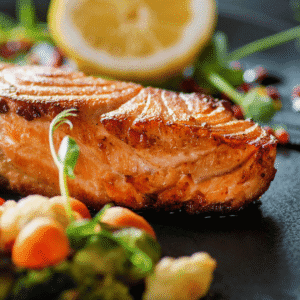
Prioritize omega-3s a few times a week. Oily fish two to three times weekly covers the fatty acids with the strongest mood evidence.
Do not neglect the basics around food. Diet works alongside sleep, movement, and sunlight, not instead of them. Our organic foods for men over 40 guide covers the wider lifestyle framework.
FAQs
1. Can diet really improve mental health?
Yes, and the evidence now includes controlled trials, not just correlation. The SMILES trial found adults with major depression who shifted to a Mediterranean-style diet were about four times more likely to reach remission over twelve weeks than a control group. Diet is a genuine support, though not a replacement for professional care.
2. What is the gut-brain axis?
It is the two-way communication system between the digestive tract and the brain, linked by the vagus nerve, the immune system, and chemical messengers. Because roughly 90% of the body’s serotonin is produced in the gut, the bacteria there directly influence mood, which is why diet affects mental health so strongly.
3. What foods help with depression and low mood?
A whole-food Mediterranean-style pattern: oily fish, colorful vegetables, legumes, whole grains, nuts, olive oil, and fermented foods. These supply omega-3s, B vitamins, zinc, and magnesium, feed the gut bacteria that make serotonin, and lower the inflammation linked to depression.
4. How does inflammation affect mood?
Research increasingly frames depression partly as an inflammatory condition, and men with depression often show elevated inflammation markers. A diet high in processed meat, sugar, and fried foods raises inflammation, while an anti-inflammatory diet of plants, fish, and fiber lowers the load that weighs on the brain.
5. Which nutrients matter most for men’s mood?
Omega-3 fatty acids, especially EPA, have the strongest antidepressant evidence. B vitamins and folate are needed to make serotonin and dopamine. Zinc and magnesium deficiencies are both linked to low mood, and vitamin D levels correlate with depression, particularly in low-sunlight regions.
6. Do fermented foods help mental health?
They can help indirectly. Fermented foods like yogurt and kefir deliver live beneficial bacteria that diversify the gut microbiome involved in serotonin production. Pairing them with high-fiber plants, which feed those bacteria, is the most effective combination for gut and mood support.
7. Does sugar affect mood in men?
Yes. Refined carbohydrates and sugar cause blood sugar spikes and crashes that drive mood swings, irritability, and energy slumps. Stable blood sugar from whole foods, fiber, and protein keeps mood and energy steadier through the day, which is why cutting ultra-processed foods often improves mood.
8. Is diet enough to treat depression on its own?
No. Diet is a powerful support and an approachable first step, especially for men reluctant to seek help, but it is not a cure or a substitute for professional treatment. Persistent or severe depression needs proper care from a doctor or mental health professional, with diet as one part of the plan.
The Bottom Line
The connection between diet and men’s mental health is real and backed by controlled trials, not just correlation. A whole-food, anti-inflammatory, Mediterranean-style diet supports mood through the gut-brain axis, lower inflammation, and a steady supply of the nutrients the brain needs to make serotonin and dopamine. In clinical trials, this pattern significantly reduced depressive symptoms, including in young men specifically.
The honest framing is that diet is a powerful support and an approachable first step, especially for men who are reluctant to seek help, but it is not a cure or a replacement for professional care. If low mood is persistent or severe, food is part of the answer, not the whole of it.
For the broader foundations, our guides on the health benefits of eating organic and gut health cover the pattern that supports both body and mind.
This article is for educational purposes and is not medical advice. Depression and other mental health conditions are serious and treatable, and diet is a complement to professional care, not a substitute for it. If you are struggling with your mental health, please speak to a doctor or mental health professional. If you are in crisis or thinking about harming yourself, contact your local emergency services or a crisis helpline right away.