The nutrition conversation almost always ends at birth. Nine months of careful eating, prenatal vitamins, and food rules, and then the baby arrives and the attention shifts entirely to the newborn. The mother, whose body just finished one of the most demanding physical events a human can go through, is often left to recover on cold coffee and whatever she can eat with one hand.
That gap matters more than most people realize. Pregnancy and birth deplete a woman’s nutrient stores significantly, and breastfeeding keeps drawing on them. Research suggests a majority of postpartum women fail to meet even their basic energy needs, at exactly the moment their bodies are rebuilding tissue, restoring blood volume, rebalancing hormones, and in many cases producing milk.
This guide covers what the postpartum body actually needs to recover, the specific nutrients and organic foods that support healing, mood, energy, and milk supply, and how to eat well in a season when cooking elaborate meals is not realistic.
Quick Answer After childbirth, a woman’s body needs extra protein, iron, omega-3 DHA, choline, vitamin D, B vitamins, and minerals like zinc and magnesium to repair tissue, restore blood lost in delivery, rebalance hormones, and support mood. Breastfeeding raises energy needs by about 330 to 400 calories a day and increases requirements for iodine, choline, and DHA. The goal is nutrient-dense whole foods eaten consistently, not perfection. This is general guidance, not a substitute for advice from your own doctor.
Why Postpartum Nutrition Is Different
The postpartum body is doing several demanding jobs at once, and each one draws on nutrients.
It is repairing tissue, whether from vaginal delivery or the major abdominal surgery that is a caesarean. It is restoring the blood volume and red blood cells lost during birth. It is recalibrating hormones that swung dramatically through pregnancy and delivery. And if the mother is breastfeeding, it is manufacturing milk around the clock, which carries its own steep nutrient cost.
All of this happens on broken sleep and limited time to eat. This is why postpartum nutrition is not just “healthy eating” with a new label. It is targeted recovery nutrition for a body under real strain.
For the wider picture of how diet supports female hormonal health through life stages, our hormonal balance foods for women guide and organic food and hormonal balance guide cover the foundations.
The Key Recovery Nutrients and Their Organic Food Sources
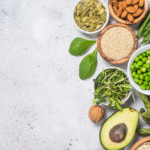
Several nutrients do the heaviest lifting in postpartum recovery. Here is what each does and where to get it from whole food.
| Nutrient | Role in Recovery | Best Organic Sources |
|---|---|---|
| Protein | Rebuilds tissue, supports healing, steadies blood sugar | Eggs, poultry, fish, lentils, Greek yogurt |
| Iron | Restores blood lost in delivery; fights postpartum fatigue | Red meat, lentils, dark leafy greens, legumes |
| Omega-3 DHA | Supports mood and brain recovery; passes into breast milk | Low-mercury fish, salmon, sardines, algae, walnuts |
| Choline | Infant brain development; maternal liver health | Eggs, salmon, legumes |
| Vitamin D | Bone health, immune function, mood | Fatty fish, egg yolks, sunlight, fortified foods |
| Vitamin C | Collagen synthesis for wound healing | Berries, citrus, peppers, leafy greens |
| Zinc | Cell repair and wound healing | Pumpkin seeds, beef, lentils, chickpeas |
| Magnesium | Supports sleep and helps buffer stress | Dark leafy greens, nuts, seeds, whole grains |
Protein is the foundation, because the body cannot rebuild tissue without it. Eggs are a standout here, being one of the few foods that deliver both high-quality protein and choline in the same package. Our organic eggs nutrition guide and high-protein organic foods guide cover the best sources, and our collagen protein guide covers a protein type often used for tissue recovery.
Iron deserves special attention. Many women enter pregnancy with low iron, lose more during delivery, and end up fatigued postpartum as a result. Correcting it through iron-rich foods, paired with vitamin C for absorption, is one of the highest-impact dietary moves. Our organic dark leafy greens guide and vitamin C food sources guide cover the pairing that boosts absorption.
Eating for Mood: The Postpartum Mental Health Link
The emotional weeks after birth are shaped partly by nutrition, and the evidence here is worth taking seriously. Diet quality is associated with postpartum depression risk, and a few nutrients stand out.
A 2025 systematic review found that vitamin D deficiency showed the strongest and most consistent association with perinatal depression of any micronutrient studied. Separately, a 2020 meta-analysis found that omega-3 formulations high in EPA significantly improved depressive symptoms in the perinatal period.
This does not mean food replaces mental health care. Postpartum depression is a serious medical condition that deserves professional treatment. But the research suggests that adequate vitamin D, omega-3s, iron, and B vitamins support the biological foundation of mood during a vulnerable window.
Our vitamin D food sources guide covers one of the nutrients most tied to perinatal mood, and our organic diet and immunity guide covers the anti-inflammatory eating that supports overall resilience.
Nutrition While Breastfeeding
Breastfeeding adds a significant nutritional layer, because the body prioritizes milk quality, drawing on maternal stores to do it. The headline numbers, drawn from CDC guidance, are useful anchors.
Breastfeeding mothers need roughly 330 to 400 extra calories per day compared with their pre-pregnancy intake. Several nutrient needs rise too: iodine to 290 micrograms daily to support both the mother’s thyroid and the baby’s neurological development, and choline to 550 milligrams daily for infant brain development.
| Breastfeeding Consideration | Practical Guidance |
|---|---|
| Extra calories | About 330 to 400 kcal/day above pre-pregnancy needs |
| Iodine | 290 mcg daily; sources include dairy, eggs, fish, seaweed |
| Choline | 550 mg daily; eggs and salmon are top sources |
| DHA omega-3 | Low-mercury fish 2 to 3 times weekly |
| Hydration | Increased needs; breastfeeding raises dehydration risk |
| Caffeine | Up to about 300 mg/day is generally considered fine |
For choosing fish that is high in DHA but low in mercury, which matters more during breastfeeding, our organic fish buying guide and wild versus farm-raised salmon guide cover how to pick the safest, most nutrient-dense options.
Hydration is easy to overlook and genuinely important, since milk production raises fluid needs and breastfeeding mothers show the highest dehydration risk. Keeping water within reach during every feed is a simple, effective habit.
Why Organic Matters More in This Season
For a breastfeeding mother, the case for organic is stronger than usual, because what she eats can pass to the baby through milk. Reducing exposure to pesticide residues during this window is a reasonable precaution, particularly for the high-residue produce on the EWG Dirty Dozen list.
The practical approach is the same balanced one used throughout life: prioritize organic for high-residue produce like spinach and strawberries and leafy greens, which also happen to be the iron and folate sources that matter most postpartum, and worry less about low-residue items. This keeps the focus and the budget where they count.
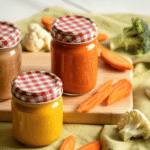
Our organic dark leafy greens guide covers the iron-and-folate-rich greens worth buying clean, and for when solids begin, our organic baby food guide covers the same principles applied to the baby.
Realistic Eating When Time and Energy Are Short
The hardest part of postpartum nutrition is not knowing what to eat. It is finding the capacity to eat it while caring for a newborn. The evidence-based foods only help if they actually get eaten, so the strategy has to fit the reality.
Favor one-handed, no-cook foods. Greek yogurt, boiled eggs, nuts, fruit, and nut butter on whole grain toast deliver real nutrition without a recipe. Our organic Greek yogurt guide and organic nuts and seeds guide cover convenient, nutrient-dense options.
Batch-cook or accept help with cooking. Soups, stews, and lentil dishes freeze well and reheat one-handed. This is the single most useful thing a partner or visitor can contribute.
Keep blood sugar steady. Regular balanced meals with protein and fiber prevent the energy crashes that worsen fatigue and mood. Our foods for blood sugar balance guide and organic oats guide cover steady-energy staples, and oats are also a traditional favorite for supporting milk supply.
Do not aim for perfect. Consistent good-enough nutrition beats occasional ideal meals. The goal is to nourish recovery, not to perform an elaborate diet.
FAQs
1. What should I eat after childbirth to recover?
Focus on nutrient-dense whole foods: quality protein to rebuild tissue, iron to restore blood lost in delivery, omega-3 DHA and vitamin D for mood, and plenty of vegetables, fruit, and whole grains. The aim is consistent, nourishing meals rather than a perfect or restrictive diet during recovery.
2. Which nutrients are most important postpartum?
Protein for tissue repair, iron to restore blood and fight fatigue, omega-3 DHA and vitamin D for mood and brain recovery, choline for the baby if breastfeeding, vitamin C for wound healing, and zinc and magnesium for repair and sleep. These address the specific demands of healing and recovery after birth.
3. How many extra calories do I need while breastfeeding?
According to CDC guidance, breastfeeding mothers need roughly 330 to 400 extra calories per day compared with their pre-pregnancy intake. The exact amount depends on your activity level, body size, and whether you are exclusively breastfeeding, so it is a guide rather than a fixed target.
4. Does diet affect postpartum depression?
Diet quality is associated with postpartum depression risk, though it is not the only factor. A 2025 systematic review found vitamin D deficiency had the strongest link to perinatal depression, and omega-3s high in EPA have shown benefit for perinatal mood. Nutrition supports mood but does not replace professional mental health care.
5. What foods help with breast milk supply?
There is no magic food, but adequate calories, protein, and hydration are the real foundation of supply. Oats are a traditional favorite that many mothers find supportive. Staying well hydrated matters too, since milk production raises fluid needs and breastfeeding increases dehydration risk.
6. Should I eat organic while breastfeeding?
It is a reasonable precaution, since what you eat can pass to the baby through breast milk. Prioritize organic for high-pesticide produce like spinach, strawberries, and leafy greens, which are also key iron and folate sources postpartum, and worry less about low-residue items to keep it practical.
7. Is it safe to lose weight by dieting right after birth?
Aggressive dieting in early postpartum is generally not advised, because your body needs nutrients to heal and, if breastfeeding, to produce milk. Steady, nutrient-dense eating supports gradual, healthy recovery. Discuss any weight goals with your doctor, especially while breastfeeding.
8. How much caffeine is safe while breastfeeding?
CDC guidance considers low to moderate caffeine intake, about 300 mg or less per day or roughly two to three cups of coffee, generally fine for most breastfeeding mothers. Very high intake can make some infants irritable or affect their sleep, and mothers of newborns or preterm babies may choose to have less.
The Bottom Line
Postpartum recovery is a real physical process that depends on real nutrition, and it is too often neglected once the baby arrives. The body needs extra protein to rebuild tissue, iron to restore blood, omega-3s and vitamin D to support mood, and a steady supply of vitamins and minerals to recover from the demands of pregnancy and birth. Breastfeeding raises those needs further, adding calories and increasing requirements for iodine, choline, and DHA.
The organic angle matters most for the high-residue produce that doubles as the iron and folate sources postpartum recovery relies on, and for limiting what passes to the baby through breast milk. Above all, the realistic goal is consistent, nutrient-dense whole food eaten in whatever form fits a new mother’s limited time and energy.
For the broader foundations, our guides on the health benefits of eating organic and hormonal balance foods for women cover eating well across life stages.
This article is for educational purposes and is not medical advice. Postpartum recovery, breastfeeding nutrition, and any supplement use should be guided by your own doctor, midwife, or a registered dietitian, since individual needs vary with delivery type, breastfeeding status, and health history. If you are experiencing symptoms of postpartum depression or anxiety, please reach out to a healthcare professional right away.