Cortisol gets a bad reputation, but it is not the enemy. It is the hormone that gets you out of bed in the morning, sharpens your focus under pressure, and manages inflammation. The problem is not cortisol itself. It is chronically elevated cortisol, the kind driven by constant stress, poor sleep, and a diet that keeps the stress response switched on.
For men, this matters more than most realize, because cortisol and testosterone are direct antagonists. When cortisol stays high, testosterone tends to fall. Chronically elevated cortisol is linked to stubborn belly fat, poor recovery, low energy, disrupted sleep, and suppressed testosterone, all of which feed into each other. Diet is one of the most practical levers for keeping cortisol in a healthy range.
This guide covers how diet influences cortisol, the organic foods with research support for healthy cortisol regulation, and the foods and habits that keep it elevated.
Quick Answer Organic foods that support healthy cortisol levels include magnesium-rich foods (leafy greens, pumpkin seeds, dark chocolate), vitamin C sources (citrus, bell peppers), omega-3 fatty fish, fermented and probiotic foods for the gut-brain axis, and complex carbohydrates that stabilize blood sugar. These support the body’s stress response and help prevent the chronic cortisol elevation linked to belly fat and low testosterone. Reducing sugar, caffeine excess, and alcohol matters just as much.
Why Cortisol Matters for Men
Cortisol is the body’s primary stress hormone, produced by the adrenal glands and governed by the hypothalamic-pituitary-adrenal (HPA) axis. In healthy amounts and at the right times, it is essential: it peaks in the morning to wake you up, helps mobilize energy, and controls inflammation.
The problem is chronic elevation. Modern life keeps many men in a near-constant low-grade stress state, and diet often makes it worse. Chronically high cortisol has several consequences that matter specifically for men:
- It suppresses testosterone. Cortisol and testosterone share a biochemical relationship where elevated cortisol directly reduces testosterone production. The two hormones are antagonists.
- It drives visceral fat. Cortisol promotes fat storage specifically around the abdomen, the metabolically dangerous visceral fat that also lowers testosterone.
- It impairs recovery and sleep. High evening cortisol disrupts sleep, and poor sleep further raises cortisol, creating a cycle.
- It worsens insulin resistance. Cortisol raises blood sugar, and chronic elevation contributes to insulin resistance over time.
Because cortisol and testosterone are linked, supporting healthy cortisol is part of supporting healthy testosterone. Our foods that naturally boost testosterone guide and low testosterone diet guide cover the testosterone side of this relationship.
How Diet Influences Cortisol
Food affects cortisol through several pathways. Understanding them explains why specific foods help.
Blood sugar stability. Blood sugar crashes trigger cortisol release, since cortisol is one of the hormones that raises blood sugar back up. A diet of refined carbs and sugar creates repeated spikes and crashes that keep cortisol elevated. Stable blood sugar from whole foods keeps the stress response calmer.
Key micronutrients. Several nutrients are directly involved in regulating the stress response, particularly magnesium and vitamin C. Deficiencies in these can leave the cortisol response poorly regulated.
The gut-brain axis. The gut and brain communicate constantly, and gut health influences the stress response. A healthy gut microbiome, supported by fiber and fermented foods, helps regulate cortisol.
Inflammation. Chronic inflammation activates the stress response. Anti-inflammatory foods like omega-3s help keep it in check.
For the broader picture of how diet shapes male hormones, our organic food and hormonal balance guide covers the full framework.
Organic Foods That Support Healthy Cortisol
Magnesium-Rich Foods
Magnesium is the single most important mineral for the stress response. It helps regulate the HPA axis and has a calming effect on the nervous system. Stress itself depletes magnesium, and low magnesium worsens the stress response, creating a cycle that dietary magnesium helps break.
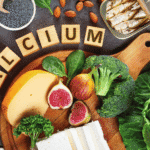
The best organic sources are dark leafy greens, pumpkin seeds, dark chocolate (70%+), black beans, and almonds. Our kale, collard, and mustard greens guide and organic dark chocolate guide cover two excellent magnesium sources, and dark chocolate has the added benefit of being a genuinely enjoyable stress food.
Vitamin C Foods
The adrenal glands, which produce cortisol, hold one of the highest concentrations of vitamin C in the body. Vitamin C is involved in regulating cortisol, and research suggests adequate vitamin C helps the cortisol response return to baseline more quickly after stress.
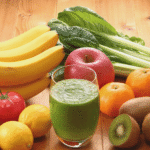
The best organic sources are citrus fruits, bell peppers, strawberries, and leafy greens. Our natural vitamin C food sources guide covers the full range of whole-food vitamin C.
Omega-3 Fatty Fish
Omega-3 fatty acids have anti-inflammatory effects that help regulate the stress response. Research, including analysis reported by OmegaQuant, indicates omega-3 supplementation can reduce cortisol responses to stress. The EPA and DHA in fatty fish lower the inflammation that keeps cortisol elevated.
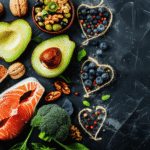
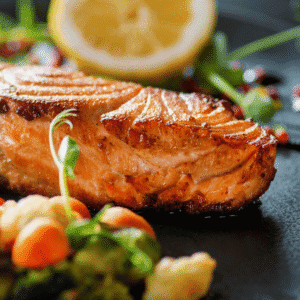
Wild-caught salmon, sardines, and mackerel are the best sources. Our organic salmon nutrition guide covers the omega-3 content across fish types.
Fermented and Probiotic Foods
Because the gut-brain axis influences the stress response, supporting gut health supports cortisol regulation. Fermented foods deliver probiotics that help maintain a healthy microbiome, which research increasingly links to better stress resilience.
Organic yogurt, kefir, sauerkraut, and kimchi are the best sources. Our organic yogurt and kefir guide and organic Greek yogurt guide cover probiotic foods that support the gut-brain connection.
Complex Carbohydrates
This surprises men who associate carbs with weight gain, but adequate complex carbohydrates actually help manage cortisol. Very low-carb diets can raise cortisol in some people, and complex carbs support serotonin production, which has a calming effect. The key is choosing slow-digesting whole-food carbs, not refined sugar.
Organic oats, quinoa, sweet potatoes, and legumes are ideal. Our organic quinoa nutrition guide and organic oats guide cover quality complex-carbohydrate sources.
Adaptogenic and Anti-Inflammatory Additions
Organic green tea contains L-theanine, an amino acid that promotes calm without drowsiness and can blunt the cortisol response to stress. It provides this benefit even though it contains caffeine, because L-theanine offsets caffeine’s stimulating edge. Organic dark berries and colorful produce add antioxidants that reduce the oxidative stress that accompanies chronic cortisol elevation.
Foods and Habits That Raise Cortisol
What you cut matters as much as what you add.
| Food/Habit | Effect on Cortisol |
|---|---|
| Excess added sugar | Blood sugar crashes trigger cortisol release |
| Excess caffeine | Directly stimulates cortisol production, especially in high doses |
| Alcohol | Raises cortisol and disrupts sleep, which raises it further |
| Ultra-processed foods | Drive inflammation that activates the stress response |
| Skipping meals / crash dieting | Low blood sugar and restriction raise cortisol |
| Too little sleep | Poor sleep is one of the biggest cortisol drivers |
Caffeine deserves a note. Moderate coffee intake is fine for most men, but excessive caffeine, especially late in the day or on an empty stomach, directly stimulates cortisol. If you are dealing with chronic stress, moderating caffeine is one of the more impactful changes. For how ultra-processed foods drive the inflammation that elevates cortisol, our truth about frozen pizza guide covers the processed-food problem.
The Cortisol-Testosterone Connection
For men, the most important reason to manage cortisol is its relationship with testosterone. The two hormones are direct antagonists: when cortisol rises, testosterone tends to fall.
This happens through several mechanisms. Both hormones are made from the same precursor, so chronic stress can divert resources toward cortisol production. High cortisol also suppresses the brain signals (LH) that tell the testes to produce testosterone. And the belly fat that cortisol promotes contains aromatase, which converts testosterone to estrogen.
This is why chronic stress is such a significant and underappreciated cause of low testosterone in otherwise healthy men. Managing cortisol through diet, sleep, and stress reduction is a direct way to support testosterone. Our estrogen balance foods for men guide covers the fat-aromatase side of this, and our organic foods for men over 40 guide ties cortisol, testosterone, and overall men’s health together.
A Practical Cortisol-Support Eating Framework
| Frequency | Organic Food | Benefit |
|---|---|---|
| Daily | Magnesium-rich greens and seeds | Regulates the stress response |
| Daily | Vitamin C foods (citrus, peppers) | Supports adrenal function |
| Daily | Complex carbs (oats, quinoa, sweet potato) | Stabilizes blood sugar and serotonin |
| Daily | Fermented foods (yogurt, kefir) | Supports the gut-brain axis |
| 2 to 3x/week | Wild-caught fatty fish | Omega-3s reduce inflammation |
| Daily | Green tea (in place of excess coffee) | L-theanine promotes calm |
| Limit | Sugar, excess caffeine, alcohol | Reduces cortisol triggers |
The foundation is a whole-food organic diet with stable blood sugar, adequate magnesium and vitamin C, omega-3s, and gut support, while limiting the sugar, excess caffeine, and alcohol that keep cortisol elevated.
Beyond Diet: The Bigger Picture
Diet is a genuine lever for cortisol, but it works within a larger stress-management picture, and for cortisol specifically, the non-diet factors are especially powerful. Sleep is the single most important: poor sleep is one of the largest drivers of elevated cortisol, and prioritizing seven to nine hours does more than almost any food. Regular exercise helps regulate cortisol, though overtraining without recovery raises it. And genuine stress-reduction practices, from time outdoors to breathing techniques, directly lower the stress response. Food supports healthy cortisol, but it cannot outwork chronic stress, poor sleep, or constant overwork.
FAQs
Q1: What foods lower cortisol?
The most research-supported foods are magnesium-rich foods (leafy greens, pumpkin seeds, dark chocolate), which regulate the stress response; vitamin C foods (citrus, bell peppers), which support adrenal function; omega-3 fatty fish (salmon, sardines), which reduce inflammation; fermented foods (yogurt, kefir) that support the gut-brain axis; and complex carbohydrates (oats, quinoa) that stabilize blood sugar. Green tea’s L-theanine also promotes calm. Reducing sugar, excess caffeine, and alcohol matters equally.
Q2: How does diet affect cortisol?
Diet influences cortisol through four main pathways. Blood sugar crashes from refined carbs trigger cortisol release, so stable blood sugar keeps it calmer. Key nutrients, especially magnesium and vitamin C, are directly involved in regulating the stress response. Gut health, supported by fiber and fermented foods, influences cortisol through the gut-brain axis. And anti-inflammatory foods like omega-3s reduce the inflammation that activates the stress response.
Q3: Does cortisol lower testosterone?
Yes. Cortisol and testosterone are direct antagonists, so when cortisol rises, testosterone tends to fall. This happens because both hormones are made from the same precursor, high cortisol suppresses the brain signals that stimulate testosterone production, and the belly fat that cortisol promotes converts testosterone to estrogen. This is why chronic stress is a significant and underappreciated cause of low testosterone in otherwise healthy men.
Q4: Does magnesium lower cortisol?
Magnesium is the most important mineral for the stress response. It helps regulate the HPA axis (the body’s stress-control system) and has a calming effect on the nervous system. Stress depletes magnesium, and low magnesium worsens the stress response, creating a cycle that dietary magnesium helps break. The best organic sources are dark leafy greens, pumpkin seeds, dark chocolate, black beans, and almonds.
Q5: What foods raise cortisol?
The main dietary cortisol triggers are excess added sugar (blood sugar crashes trigger cortisol), excess caffeine (directly stimulates cortisol production, especially in high doses or late in the day), alcohol (raises cortisol and disrupts sleep), ultra-processed foods (drive inflammation), and skipping meals or crash dieting (low blood sugar and restriction raise cortisol). Poor sleep is also one of the biggest cortisol drivers, beyond diet.
Q6: Can cutting caffeine lower cortisol?
It can help, especially for men dealing with chronic stress. Caffeine directly stimulates cortisol production, and the effect is stronger with high doses, late-day consumption, or drinking on an empty stomach. Moderate coffee intake is fine for most men, but if you are managing elevated stress, moderating caffeine, particularly in the afternoon, is one of the more impactful changes. Green tea is a gentler alternative, since its L-theanine offsets caffeine’s edge.
Q7: Do carbs raise or lower cortisol?
It depends on the type. Refined sugar and simple carbs cause blood sugar spikes and crashes that trigger cortisol release. But adequate complex carbohydrates actually help manage cortisol, since very low-carb diets can raise it in some people, and complex carbs support calming serotonin production. The key is choosing slow-digesting whole-food carbs like organic oats, quinoa, and sweet potatoes rather than refined sugar.
Q8: How long does it take for diet to affect cortisol?
Dietary changes can begin influencing cortisol regulation within a few weeks of consistent change, particularly improvements in blood sugar stability and magnesium intake. However, cortisol responds powerfully to non-diet factors, so results depend heavily on sleep, exercise, and stress management alongside diet. Food supports healthy cortisol but cannot fully offset chronic stress or poor sleep, which are often the larger drivers.
The Bottom Line
Healthy cortisol is about regulation, not elimination. Men need cortisol, but chronic elevation suppresses testosterone, drives belly fat, disrupts sleep, and worsens recovery. Diet is one of the most practical tools for keeping it in a healthy range.
The organic foods that support healthy cortisol work through clear mechanisms: magnesium and vitamin C regulate the stress response, omega-3s reduce inflammation, fermented foods support the gut-brain axis, and complex carbohydrates stabilize the blood sugar swings that trigger cortisol. Cutting excess sugar, caffeine, and alcohol removes the biggest dietary triggers.
For men, the payoff extends beyond stress itself. Because cortisol and testosterone are antagonists, supporting healthy cortisol directly supports healthy testosterone. Combined with good sleep and stress management, an organic whole-food diet is a powerful foundation for hormonal health.
For the complete men’s health framework, our guides on organic foods for men over 40 and health benefits of eating organic cover the full picture.
Medical Disclaimer: This guide is for general educational purposes and is not medical advice. Persistently high or low cortisol can indicate medical conditions (such as Cushing’s syndrome or adrenal insufficiency) that require diagnosis and treatment by a healthcare provider. Symptoms like chronic fatigue, unexplained weight changes, or persistent stress-related symptoms should be evaluated by a doctor. Dietary changes support healthy cortisol regulation but are not a substitute for medical care, and no food treats a diagnosed adrenal or hormonal disorder.