Search “DHT blocking foods” and you will find dozens of lists promising that pumpkin seeds, green tea, and tomatoes will lower your DHT and save your hairline. Most of those lists are built on a mix of laboratory studies, supplement marketing, and hope. The honest picture is more useful, even if it is less exciting.
Here is the truth up front: no whole food has been shown in a human trial to lower scalp DHT or reverse hair loss. The handful of promising studies used concentrated extracts and capsules, not the foods themselves. That does not make diet pointless, but it does mean the “eat these six foods to block DHT” framing is mostly wrong.
This guide covers what DHT actually is, what the evidence genuinely supports, where the popular claims fall apart, and how to think about diet sensibly alongside the treatments that do work.
Quick Answer DHT (dihydrotestosterone) is a potent androgen made from testosterone by the enzyme 5-alpha reductase, and it is the main hormonal driver of male-pattern hair loss and prostate enlargement. Despite popular claims, no ordinary food has been proven to lower DHT or regrow hair in human trials. The limited positive evidence, mainly for saw palmetto and pumpkin seed oil, comes from concentrated supplements, not from eating the foods. A healthy diet supports hormonal health broadly, but it is not a substitute for proven treatments like finasteride or minoxidil.
What DHT Actually Is
DHT is dihydrotestosterone, an androgen hormone made when the enzyme 5-alpha reductase converts testosterone into its more potent form. DHT binds to androgen receptors roughly three to five times more strongly than testosterone does, which is why it drives several distinctly male traits.
In the right places and amounts, DHT is essential. It governs male development, and it contributes to libido and other androgen-driven functions. The problem is that in genetically susceptible men, DHT also miniaturizes hair follicles on the scalp and stimulates prostate growth.
This dual role is the key to understanding the diet question. “Blocking DHT” is not uniformly good, because DHT does necessary work elsewhere in the body. This is one reason the simplistic “lower DHT at all costs” advice is misguided.
For the broader hormonal context, our organic food and hormonal balance guide and foods to boost testosterone guide cover how the androgen system works as a whole.
Why DHT Drives Hair Loss
Male-pattern baldness, clinically called androgenetic alopecia, is the result of genetically sensitive hair follicles reacting to DHT. In susceptible men, DHT binds to receptors in scalp follicles and gradually shrinks them, shortening each growth cycle until the follicle produces only fine, barely visible hair, and eventually none.
The genetic sensitivity is the real driver. Two men can have identical DHT levels, and only the one with the inherited follicle sensitivity will lose hair. This is why lowering DHT a little through diet, even if it were possible, would not reliably stop a genetically programmed process.
This matters for setting expectations. The hormone is only half the equation, and the half you inherited is the half you cannot eat your way out of.
What the Evidence Actually Supports
Here is where the popular articles and the clinical reality diverge sharply. Let us go through the most-cited dietary DHT blockers honestly.
| Food or Compound | What the Evidence Really Shows |
|---|---|
| Pumpkin seed oil | One 2014 trial showed hair gains, but it used 400mg oil capsules, not seeds, and did not measure DHT |
| Saw palmetto | Best human data of any natural option, but it is an extract and works less well than finasteride |
| Green tea (EGCG) | Only cell and animal studies, plus some blood-DHT work in prostate patients; no hair-loss trial |
| Tomatoes (lycopene) | One small study on prostate tissue enzyme activity; no hair evidence |
| Zinc-rich foods | Important if you are deficient, but no evidence that extra zinc lowers DHT in men with normal levels |
The pumpkin seed oil study is the one most often cited as proof that a food blocks DHT. Published in 2014, the 24-week trial gave 76 men either 400mg of pumpkin seed oil in capsule form or a placebo. The oil group saw hair counts rise about 40% versus 10% for placebo, a real result.
But two facts get left out of the headlines. The study used a concentrated oil capsule, not whole pumpkin seeds, and it never measured DHT at all. So it does not actually show that pumpkin seeds block DHT. It shows that a specific supplement helped hair count through a mechanism the study did not identify.
Saw palmetto has the strongest human evidence of any natural option. A two-year comparison found finasteride helped about 68% of men versus about 38% for saw palmetto. That is a genuine effect, but it is a supplement extract, it is weaker than the prescription option, and it is not a food.
For a realistic view of when concentrated supplements beat whole foods and when they do not, our supplements versus whole foods guide and food versus supplements guide cover the distinction that the DHT-food lists ignore.
Why Eating the Foods Does Not Replicate the Studies
This is the single most important point, and the one the popular lists skip. Even where a compound has trial evidence, eating the whole food almost never delivers the studied effect, for three reasons.
Concentration. The trials used extracts dosed far higher than any realistic serving. A handful of pumpkin seeds contains a tiny fraction of the oil used in the capsule study.
Digestion. Many of these compounds are broken down in the gut before they reach the bloodstream, reducing the dose that actually acts on the body.
Conversion. For soy isoflavones, only an estimated 30 to 50% of people carry the gut bacteria that convert them into equol, the active compound with the human data. Most people cannot produce it well and have no easy way to know.
So the chain from “this compound affected DHT in a study” to “eating this food will block my DHT” breaks at almost every link. The foods are healthy. They are just not DHT drugs.
What Diet Can Genuinely Do
Stepping back from the hair-loss hype, diet does have a real and worthwhile role, it is simply broader than blocking one hormone.
A whole-food diet supports stable hormones, healthy circulation to the scalp, lower inflammation, and the micronutrients hair follicles need to function, including protein, iron, zinc, and biotin. Correcting a genuine deficiency, particularly iron or zinc, can meaningfully help hair in men who are actually deficient.
| Dietary Factor | Realistic Role in Hair and Hormonal Health |
|---|---|
| Adequate protein | Hair is mostly protein; low intake can worsen shedding |
| Iron and zinc (if deficient) | Correcting a real deficiency can improve hair quality |
| Anti-inflammatory whole foods | Support scalp circulation and overall follicle environment |
| Stable blood sugar | Chronic insulin resistance is linked to androgen imbalance |
| Overall healthy weight | Obesity alters hormone metabolism |
The practical takeaway is to eat for overall hormonal and metabolic health rather than chasing a DHT number. Our organic nuts and seeds guide, organic dark leafy greens guide, and zinc deficiency guide cover the whole-food sources of the nutrients that genuinely matter for hair and hormones.
The Honest Approach to DHT and Hair Loss
If hair loss is the real concern, here is the evidence-based order of operations, stated plainly.
Proven treatments come first. Finasteride (a prescription 5-alpha reductase inhibitor) and topical minoxidil have by far the strongest evidence for slowing and partially reversing male-pattern hair loss. Nothing in the diet world matches them.
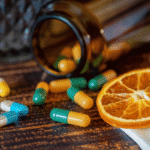
Supplements are a secondary, optional layer. Saw palmetto and pumpkin seed oil have modest evidence in concentrated form and may appeal to men who cannot or will not use prescription options, ideally discussed with a doctor.
Diet is the foundation, not the fix. A whole-food diet supports the overall environment hair grows in and corrects deficiencies that worsen shedding, but it will not stop a genetically driven process on its own.
Correct real deficiencies. If you are low in iron, zinc, or vitamin D, fixing that is worthwhile for hair and health alike. Our vitamin D food sources guide and organic foods for men over 40 guide cover the nutrients most worth checking.
FAQs
1. What is DHT?
DHT, or dihydrotestosterone, is a potent androgen hormone made when the enzyme 5-alpha reductase converts testosterone into a stronger form. It binds to androgen receptors far more strongly than testosterone and is the main hormonal driver of male-pattern hair loss and prostate enlargement.
2. Can food lower DHT?
Not in any proven, meaningful way. No ordinary food has been shown in a human trial to lower scalp DHT. The compounds that have trial evidence, like saw palmetto and pumpkin seed oil, were tested as concentrated extracts and capsules, not as foods, so eating the foods does not replicate the studies.
3. Do DHT-blocking foods really work for hair loss?
The popular “foods that block DHT” lists overstate the evidence. No food has been shown to regrow hair in a human trial. A healthy diet supports the overall environment hair grows in and corrects deficiencies that worsen shedding, but it will not stop genetically driven hair loss on its own.
4. Does pumpkin seed oil block DHT?
A 2014 trial found that 400mg of pumpkin seed oil in capsule form increased hair count over 24 weeks. However, the study used a concentrated oil supplement rather than whole seeds, and it never actually measured DHT, so it does not prove that pumpkin seeds block DHT.
5. What about saw palmetto?
Saw palmetto has the strongest human evidence of any natural option. One two-year study found finasteride helped about 68% of men versus about 38% for saw palmetto. It has a real but modest effect, it is weaker than the prescription option, and it is a supplement extract, not a food.
6. Why does DHT cause hair loss in some men but not others?
The deciding factor is inherited follicle sensitivity. DHT only miniaturizes hair follicles in genetically susceptible men. Two men can have identical DHT levels and only the one with the inherited sensitivity will lose hair, which is why lowering DHT slightly through diet would not reliably help.
7. Is it healthy to try to lower DHT?
Not necessarily. DHT does essential work in the body, including in male development and libido, so aggressively trying to suppress it is not uniformly beneficial. This is one reason the “lower DHT at all costs” advice is misguided and why any real DHT-lowering treatment should be doctor-guided.
8. What actually works for male-pattern hair loss?
The treatments with the strongest evidence are finasteride, a prescription 5-alpha reductase inhibitor, and topical minoxidil. Nothing in the diet or supplement world matches them. The sensible order is proven treatments first, supplements as an optional second layer, and a healthy diet as the foundation.
The Bottom Line
DHT is the hormone behind male-pattern hair loss, made from testosterone by 5-alpha reductase, and acting on follicles you inherited the sensitivity for. The popular idea that a list of foods will block it is largely a myth. No ordinary food has been shown in a human trial to lower scalp DHT or regrow hair, and the few positive studies used concentrated supplements that whole foods do not replicate.
That does not mean diet is worthless. A whole-food, nutrient-dense diet supports hormonal balance, scalp health, and the correction of deficiencies that genuinely affect hair. But if you are serious about treating hair loss, the honest path is proven medical treatments first, supplements as an optional second layer, and diet as the healthy foundation underneath both.
For the broader framework of eating for hormonal and overall health, our guides on the health benefits of eating organic and organic food and hormonal balance cover the foundations.
This article is for educational purposes and is not medical advice. Hair loss and hormonal concerns should be evaluated by a doctor or dermatologist, since effective diagnosis and treatment are individual. Do not start or stop any medication or supplement, including 5-alpha reductase inhibitors, without professional guidance.