

Every year, shoppers face the same dilemma: should I buy organic or save money on conventional produce? In 2026, that question comes with a new and serious wrinkle. For the first time in the guide’s 20-year history, the Environmental Working Group detected PFAS “forever chemicals” on 63% of all Dirty Dozen produce samples, a finding that changes the stakes of the organic-versus-conventional decision entirely.
The truth is, not all fruits and vegetables carry the same pesticide risk. That is exactly where the Dirty Dozen and Clean Fifteen framework from the Environmental Working Group (EWG) becomes genuinely useful. It helps you prioritize where organic matters most and where conventional is safe enough to buy without concern.
The 2026 lists were published in late March 2026, built on the largest dataset in the guide’s history. This guide breaks down both lists in full, explains the landmark PFAS finding, and gives you a practical framework for shopping smarter without buying everything organic.
Quick Answer The 2026 Dirty Dozen, in order, is: spinach, kale/collard/mustard greens, strawberries, grapes, nectarines, blackberries, potatoes, pears, apples, cherries, peaches, and blueberries. The 2026 Clean Fifteen is led by pineapple, sweet corn, and avocados. The biggest change this year is the first-ever detection of PFAS “forever chemicals” on 63% of Dirty Dozen samples. Buy organic for Dirty Dozen items; conventional is low-risk for Clean Fifteen items.
What Is the Dirty Dozen?
The Dirty Dozen is an annual list of 12 fruits and vegetables that consistently show the highest levels of pesticide residues when grown conventionally. The EWG publishes it every year based on testing data from the US Department of Agriculture’s Pesticide Data Program and the Food and Drug Administration.
For the 2026 report, EWG analyzed 54,344 samples of 47 fruits and vegetables, the largest dataset the organization has ever used. Before testing, each sample is peeled or scrubbed and thoroughly washed to mimic what a consumer would do at home. Even after that preparation, tests found traces of 264 different pesticides. Of those, 203 appeared on Dirty Dozen produce alone, and a striking 96% of Dirty Dozen samples tested positive for at least one pesticide residue.
Why Certain Crops Rank High
Three factors consistently put crops on the Dirty Dozen list.
Thin or edible skins. Strawberries, spinach, grapes, and blueberries have no protective outer peel. Pesticides absorb directly into the flesh and cannot be washed away.
High pest pressure. Leafy greens, stone fruits, and berries attract insects and fungal disease aggressively. Conventional farmers apply chemicals repeatedly throughout the growing season to protect yields.
Systemic pesticide use. Many pesticides used on these crops are systemic, meaning they are absorbed into the plant’s tissue and travel throughout the plant. Surface washing reduces but does not eliminate exposure to these compounds.
The 2026 Dirty Dozen (Full Ranked List)
EWG analyzed four factors for the 2026 rankings: the abundance, diversity, intensity, and toxicity of pesticides detected on each crop. This methodology, updated in 2025 and published in a peer-reviewed journal, gives a more complete picture of real-world pesticide risk than simply measuring total residue volume.
One major shift this year: leafy greens have overtaken strawberries at the top of the list. Here is the full 2026 ranking in order.
| Rank | Produce | Key Finding |
|---|---|---|
| 1 | Spinach | Highest pesticide residue by weight of any produce tested; averages four or more different pesticides per sample |
| 2 | Kale, Collard & Mustard Greens | Can carry more than 20 different pesticides per sample |
| 3 | Strawberries | Nearly all samples test positive for multiple residues |
| 4 | Grapes | Thin skin makes them highly susceptible to absorption |
| 5 | Nectarines | Consistently test positive for multiple chemical residues |
| 6 | Blackberries | Newest addition; 93% of samples had residues; cypermethrin, a possible carcinogen, in over half |
| 7 | Potatoes | 90% contained chlorpropham, a sprout inhibitor banned in the EU |
| 8 | Pears | Show residues from both fungicides and insecticides |
| 9 | Apples | Heavily treated due to widespread pest and fungal disease pressure |
| 10 | Cherries | Frequently test positive for multiple pesticide residues |
| 11 | Peaches | Soft skin absorbs sprays easily; nearly 90% carry fludioxonil |
| 12 | Blueberries | Rising contamination rates have secured their place on the list |
The big ranking change: In previous years, strawberries held the number one spot. For 2026, spinach has claimed the top position as the single most pesticide-contaminated produce item by weight, with leafy greens as a category dominating the top three. If you eat salads and smoothies regularly, this shift matters directly for your daily exposure.
Notable near-misses: Green beans and bell and hot peppers fell just below the 2026 Dirty Dozen cutoff. However, EWG specifically flagged them because they ranked at the very top for overall toxicity of detected pesticides. If you eat green beans or peppers regularly, buying organic is strongly advisable despite their technically falling outside the top 12.
For a deeper look at the leafy greens now dominating this list, our guide on kale, collard, and mustard greens covers their nutrition and why organic sourcing matters for this category specifically. Our guides on organic strawberries, grapes, apples, peaches, cherries, and organic blueberries cover the individual Dirty Dozen fruits in detail.
The PFAS “Forever Chemicals” Finding: 2026’s Biggest Development
The 2026 report includes a landmark finding that appears for the first time in the guide’s two-decade history.
PFAS pesticides were detected on 63% of all Dirty Dozen produce samples. PFAS, short for per- and polyfluoroalkyl substances, are called “forever chemicals” because their molecular bonds can take years, decades, or even centuries to fully break down in the environment and in the human body. Once they accumulate in your tissue, they stay there.
The scale of the finding is what makes it significant. The most frequently detected pesticide across all tested fruits and vegetables in 2026 is a PFAS compound. Three of the top ten most frequently detected pesticides on all tested produce are now PFAS pesticides, including fluopyram and bifenthrin. One fungicide, fludioxonil, appeared on 14% of all produce tested and on nearly 90% of peach samples.
PFAS chemicals have been linked to cancer, obesity, thyroid disease, high cholesterol, decreased fertility, liver damage, hormone disruption, and damage to the immune system, according to the US Environmental Protection Agency.
This finding makes the case for choosing organic versions of Dirty Dozen produce more compelling than at any point since the guide began. Critically, PFAS pesticides and synthetic organophosphates are fully prohibited under USDA organic certification, so choosing organic is the single most effective way to avoid them in your produce. Our guide on what pesticides are used in organic farming covers exactly which substances organic certification permits and prohibits.
Health Concerns with the Dirty Dozen
Cumulative exposure. Most Dirty Dozen items test positive for multiple pesticide residues simultaneously, meaning consumers absorb a mix of compounds in a single serving. The health question is less about any single chemical at legal limits and more about the combined, long-term load of many compounds over years. Research published in 2025 linked higher levels of pesticide metabolites in the body with consumption of produce carrying greater pesticide residue.
Vulnerable groups. The American Academy of Pediatrics states that children are especially susceptible to contaminants such as pesticides, even while in the womb. Pesticide exposures have been associated with premature births, neural tube defects, lower sperm concentrations, cancer, and heart disease in research conducted over the past two decades.
Neurological concerns. Permethrin, found frequently on spinach, has been associated with neurological effects in animal studies. Chlorpropham, found on 90% of potato samples, disrupts hormonal function and is banned for use in the European Union. Cypermethrin, found on blackberries, is classified as a possible human carcinogen by the EPA.
For a comprehensive look at how pesticide exposure through food connects to long-term health outcomes, our guide on are organic foods safer covers the research in full, and our guide on organic food during pregnancy and for children addresses the vulnerable-group concerns directly.
How to Shop the Dirty Dozen Smarter
Buy organic for all 12 items whenever your budget allows. When budget is tight, prioritize organic versions for the foods your household eats most frequently, especially anything served to children.
Frozen organic versions of strawberries, blueberries, blackberries, and spinach are widely available at lower prices than fresh organic, and they retain comparable nutritional value. Freezing locks in nutrients at peak ripeness, so frozen organic is not a nutritional compromise. Our guide on organic frozen foods explains why frozen organic produce is often just as nutritious as fresh, sometimes more so.
Washing produce reduces surface residues but does not remove systemic pesticides absorbed into the plant tissue. For Dirty Dozen items, organic remains the only reliable way to avoid systemic synthetic pesticide exposure.
What Is the Clean Fifteen?
The Clean Fifteen is the counterpart list that identifies 15 fruits and vegetables with the lowest pesticide residues even when grown conventionally. This is where you can safely save money without meaningfully increasing your pesticide exposure.
The reassurance here is strong. In 2026, nearly 60% of Clean Fifteen samples had no detectable pesticide residues at all, and only 16% contained residues of two or more pesticides. For these items, conventional purchasing is genuinely low-risk.
The 2026 Clean Fifteen (Full List)
The Clean Fifteen list remained unchanged from 2025 to 2026. Rankings shifted slightly, but the same foods consistently show low residues year after year.
| Produce | Why It’s Safe Conventionally |
|---|---|
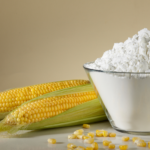
| Pineapple | Tough outer rind prevents most pesticide penetration |
| Sweet Corn | Minimal residues; note some is GMO, choose organic if that concerns you |
| Avocados | Nearly 98% of samples show no detectable pesticides; thick peel protects |
| Papaya | Low residues; some Hawaiian papaya is GMO, buy organic to avoid |
| Onions | Natural pest resistance means very few chemical applications needed |
| Frozen Sweet Peas | Very low residues with added protection from freezing and processing |
| Asparagus | Naturally pest-resistant; requires very little pesticide treatment |
| Cabbage | Minimal pesticide use due to natural structural resistance |
| Cauliflower | Among the safest conventional produce available |
| Watermelon | Thick rind prevents most pesticides from reaching the flesh |
| Mangoes | Thick peel shields the fruit from chemical absorption |
| Bananas | A staple for babies and toddlers; consistently low residues |
| Carrots | Root crop grown underground; consistently very low residues |
| Mushrooms | Grown in controlled indoor environments with minimal pesticide need |
| Kiwi | Fuzzy skin provides a protective barrier against residues |
For the individual Clean Fifteen items, our guides on avocado, pineapples, sweet corn, onions, cabbage, cauliflower, watermelons, mango, banana, carrot, mushrooms, kiwi, and papaya cover each one in depth.
Why These Crops Are Safer Conventionally
Most Clean Fifteen crops share one or more protective characteristics.
Thick outer skins or peels. Avocados, pineapples, watermelons, mangoes, and bananas have inedible outer layers that block pesticide absorption into the edible flesh.
Natural pest resistance. Onions, asparagus, and cabbage are naturally unappealing to most agricultural pests, so farmers rarely need to apply heavy pesticide loads.
Controlled growing environments. Mushrooms are cultivated indoors in conditions that minimize external pest pressure and eliminate the need for most pesticide applications.
GMO Awareness for Clean Fifteen Items
A small amount of sweet corn, papaya, and summer squash sold in the US is produced from GMO seed stock. If GMO avoidance is important to you, look for USDA Organic or Non-GMO Project Verified labels on these items, even though conventional is fine from a pesticide perspective. Our guide on organic vs non-GMO explains the difference between the two labels.
Organic vs. Conventional: Quick Decision Framework
Use this table to guide every produce purchase.
| Category | Recommendation | Reason |
|---|---|---|
| Dirty Dozen items | Always buy organic | High residues including PFAS; systemic absorption means washing is insufficient |
| Clean Fifteen items | Conventional is fine | Very low or zero residues; thick skins or natural resistance protect adequately |
| Produce ranked 16 to 35 | Prefer organic when affordable | Middle ground; lower risk than Dirty Dozen but not as clean as Clean Fifteen |
| Children’s daily produce | Prioritize organic for Dirty Dozen | Children are more vulnerable to pesticide exposure at any level |
| Pregnant women | Prioritize Dirty Dozen as organic | Exposure linked to birth complications and developmental risk |
| Frozen produce | Organic frozen counts equally | Same pesticide reduction as fresh organic, typically lower price |
Why This Framework Matters More in 2026
Three developments make this year’s list especially significant.
PFAS detection for the first time. The 2026 report is the first to spotlight forever chemicals in produce. Finding PFAS pesticides on 63% of Dirty Dozen samples elevates the urgency well beyond what earlier lists communicated, because these compounds accumulate permanently rather than clearing from the body.
Updated toxicity-based methodology. Since 2025, EWG ranks produce based not just on how much pesticide is present but on how toxic each detected compound is. This peer-reviewed methodology means the current rankings reflect real-world health risk more accurately than older lists, and it is part of why the rankings reshuffled this year.
Scale of the dataset. The 2026 analysis covered 54,344 samples across 47 fruits and vegetables, the largest dataset EWG has used to date. The conclusions carry more statistical weight than in any previous year.
Practical Tips for Applying the Framework
Memorize the top five Dirty Dozen items. Spinach, kale and greens, strawberries, grapes, and nectarines account for the heaviest pesticide loads in 2026. If you remember nothing else, go organic on these five.
Shop the Clean Fifteen freely. Pineapples, sweet corn, avocados, onions, and cabbage are your budget savers. Buy conventional without guilt and redirect those savings toward organic versions of higher-risk items.
Use the EWG app in-store. The EWG Healthy Living app lets you check any produce item’s pesticide ranking in real time. It is free and updated annually with each new list.
Always wash all produce. Even organic produce should be washed before eating to remove dirt, bacteria, and any trace environmental residues. A plain cold-water wash with scrubbing is effective for surface contamination, though it will not address systemic pesticides in conventional produce.
Structure your budget around the lists. Our guide on how to shop organic on a budget shows you how to build your grocery list around the Dirty Dozen and Clean Fifteen to maximize health protection while managing costs. For bulk strategies, our guide on buying organic in bulk helps you stock organic Dirty Dozen staples at better per-unit prices.
Confirm your organic labels. Our guide on how to spot fake organic products and our breakdown of organic certifications explained help you confirm that the organic produce you buy actually meets the standards it claims.
Frequently Asked Questions
Q1: Who creates the Dirty Dozen and Clean Fifteen lists?
The lists are published annually by the Environmental Working Group (EWG), a nonprofit organization. EWG analyzes pesticide residue data from the USDA’s Pesticide Data Program and the FDA, covering tens of thousands of produce samples across 47 fruits and vegetables. The 2026 dataset included 54,344 samples, the largest in the guide’s history.
Q2: What is the number one item on the 2026 Dirty Dozen?
Spinach holds the top spot in 2026, overtaking strawberries, which had led in previous years. Spinach has the highest pesticide residue by weight of any produce tested and averages four or more different pesticides per sample. Leafy greens as a category dominate the top three, with kale, collard, and mustard greens at number two.
Q3: Are Dirty Dozen foods unsafe to eat if not organic?
Not necessarily unsafe by USDA safety thresholds, but they carry higher pesticide exposure than Clean Fifteen items. All produce sold in the US must meet government residue limits. The Dirty Dozen highlights where cumulative, long-term pesticide exposure is most concentrated, which is why choosing organic for these items is the most practical risk-reduction step available. Eating conventional Dirty Dozen produce is far better than not eating fruits and vegetables at all.
Q4: Does washing produce remove pesticides?
Washing removes some surface residues and reduces bacteria. However, many pesticides on Dirty Dozen crops are systemic, meaning they are absorbed into the plant tissue during growing. Washing alone cannot remove them. Peeling helps further but still does not address absorbed compounds, and it removes nutrient-rich skin. Choosing organic eliminates systemic synthetic pesticide exposure entirely.
Q5: What are PFAS pesticides and why do they matter?
PFAS are per- and polyfluoroalkyl substances, often called “forever chemicals” because they break down extremely slowly in the environment and accumulate in the body over time. In 2026, EWG detected PFAS pesticides on 63% of all Dirty Dozen produce samples for the first time, and three of the ten most frequently detected pesticides are now PFAS compounds. The EPA links PFAS exposure to cancer, thyroid disease, liver damage, decreased fertility, immune suppression, and hormonal disruption. PFAS pesticides are prohibited under USDA organic certification.
Q6: Should children and pregnant women follow this list strictly?
Yes, especially for Dirty Dozen items. Children’s developing nervous systems and organs process pesticide compounds less efficiently than adults. The American Academy of Pediatrics confirms children are especially susceptible to pesticide contaminants, even in the womb. Pesticide exposures during pregnancy and childhood have been linked to ADHD, lower IQ, birth defects, and developmental disruption in research published over the past two decades.
Q7: What changed between the 2025 and 2026 Dirty Dozen lists?
The twelve items stayed largely the same, with blackberries and potatoes remaining after joining in 2025. The biggest changes were the ranking reshuffle, with spinach overtaking strawberries for the number one position and leafy greens dominating the top three, and the first-ever spotlight on PFAS pesticide contamination, detected on 63% of Dirty Dozen samples. EWG also flagged green beans and peppers as near-misses that ranked highest on overall pesticide toxicity.
Q8: Is the Clean Fifteen actually pesticide-free?
Not completely, but close. In 2026, nearly 60% of Clean Fifteen samples had no detectable pesticide residues at all, and only 16% contained two or more pesticides. The items that do show residues carry significantly lower toxicity than Dirty Dozen produce. Avocados, pineapples, and sweet corn are among the cleanest items tested, with near-zero detection rates across multiple years.
Q9: What about produce not on either list?
EWG tests 47 fruits and vegetables total. Items ranked 16 through 35 fall in the middle ground, lower risk than the Dirty Dozen but not as consistently clean as the Clean Fifteen. For these, buying organic when affordable is a reasonable precaution, especially for produce eaten frequently or given to children.
Q10: Does buying organic guarantee zero pesticides?
No. Organic farming permits certain approved, naturally derived biopesticides, and trace synthetic residues can occasionally appear due to environmental drift from nearby conventional farms. However, organic produce consistently shows far lower pesticide residue levels overall, and synthetic organophosphates, PFAS pesticides, and most conventional fungicides are fully prohibited under USDA organic certification. Our guide on what pesticides are used in organic farming explains the permitted substances.
Q11: How often is the list updated?
EWG publishes updated Dirty Dozen and Clean Fifteen lists every year, typically in spring, based on the most recent USDA Pesticide Data Program testing. The 2026 lists were released in late March 2026. Always check the current year’s list before setting your organic purchasing priorities, as items and rankings can shift based on new testing data.
The Bottom Line
The Dirty Dozen and Clean Fifteen framework is not about fear. It is about focus.
You do not need to buy 100% organic to reduce your pesticide exposure meaningfully. You need to know which items carry the highest risk and direct your organic budget there.
In 2026, twelve items dominate the risk category, now led by spinach, leafy greens, and strawberries. Fifteen items offer a safe conventional option, led by pineapples, sweet corn, and avocados. And the new PFAS finding, with forever chemicals on 63% of Dirty Dozen samples, makes organic choices for high-risk produce more important than at any point in this list’s 20-year history.
Buy organic where it counts. Save money where it does not. That is the whole framework.
Want to build a complete organic knowledge base? Read our guides on health benefits of eating organic, organic vs conventional foods, myths about organic food, and how to shop organic on a budget for everything you need to shop confidently.










[…] Follow the Dirty Dozen & Clean Fifteen […]
[…] Dirty Dozen & Clean Fifteen […]
[…] Dirty Dozen and Clean Fifteen framework is one of the most powerful tools for budget-conscious organic […]
[…] levels — conventional purchasing is safer when budget requires it. Our detailed breakdown of the Dirty Dozen and Clean Fifteen gives you the complete, annually updated list for smarter organic prioritization at this foundation […]
[…] consistently make the Environmental Working Group’s Dirty Dozen list. Conventional blueberries carry some of the highest pesticide residue levels of any fresh fruit on […]
[…] carry the highest pesticide loads and which are safer to buy conventional, our guide on the Dirty Dozen and Clean Fifteen gives you the complete, practical […]
[…] Dirty Dozen items like strawberries, spinach, and blueberries — not avocados. Our detailed Dirty Dozen and Clean Fifteen guide shows you exactly where organic spending delivers the most health protection per […]
[…] guidance on prioritizing your organic spending across all produce categories, our Dirty Dozen and Clean Fifteen guide gives you the full 2026 framework based on EWG’s most recent […]
[…] a complete framework on where organic spending delivers the highest impact, our Dirty Dozen and Clean Fifteen guide provides the full 2026 EWG rankings with practical shopping […]
[…] organosulfur compounds that no other food group replicates. And they consistently rank on the EWG Clean Fifteen, making them one of the safest conventional produce choices available […]
[…] GMOs matters and you want absolute certainty, organic papaya is the straightforward answer. Our Dirty Dozen and Clean Fifteen guide and Organic vs. Non-GMO guide explain both dimensions in full […]
[…] Environmental Working Group (EWG) has released its highly anticipated annual Dirty Dozen report, ranking fruits and vegetables based on pesticide residue levels. This report relies on […]
[…] conventional produce is measurably higher and there is no comparable natural protection. Our full Dirty Dozen and Clean Fifteen guide gives you the complete 2026 rankings with actionable shopping […]
[…] This is more precautionary than evidence-based, but it is a valid personal preference. Our Dirty Dozen and Clean Fifteen guide gives you the full context for this […]
[…] spinach, kale, and blueberries where the pesticide exposure risk is measurably higher. Our Dirty Dozen and Clean Fifteen guide provides the complete 2026 rankings to guide every grocery […]
[…] Dirty Dozen and Clean Fifteen guide covers the full 2026 rankings and the key differences between sweet potatoes and white potatoes in […]
[…] where pesticide exposure is measurably higher and there is no equivalent physical barrier. Our Dirty Dozen and Clean Fifteen guide gives you the full 2026 […]
[…] spinach, and blueberries, where the pesticide exposure gap is real and measurable. Our Dirty Dozen and Clean Fifteen guide gives you the complete 2026 […]
[…] Dirty Dozen and Clean Fifteen 2026: EWG’s Updated List […]
[…] full guide on the Dirty Dozen and Clean Fifteen explains the EWG methodology and how to use the list practically at the […]
[…] products can carry multiple pesticide residue types from conventional farming. Our guide to the Dirty Dozen and Clean Fifteen explains why tomatoes consistently rank among the most important produce categories to buy […]
[…] both beneficial compounds and any residues present in the source fruit. Our full breakdown of the Dirty Dozen and Clean Fifteen explains how the whole fruit versus extracted product distinction affects your buying […]
[…] carry the highest residue loads and which are safer to buy conventionally, our guide to the Dirty Dozen and Clean Fifteen covers the full annual EWG ranking in practical […]
[…] ranking of which produce items carry the highest and lowest residue loads, our guide to the Dirty Dozen and Clean Fifteen covers the full annual EWG report in practical […]
[…] a complete ranking of produce by pesticide residue levels, our guide to the Dirty Dozen and Clean Fifteen covers the full 2026 EWG report in practical […]
[…] the full EWG framework on which produce to prioritize organic, our Dirty Dozen and Clean Fifteen guide is the practical […]
[…] guide to the Dirty Dozen and Clean Fifteen covers which produce items carry the heaviest pesticide loads, but even the cleanest organic […]
[…] guide to the Dirty Dozen and Clean Fifteen covers which produce items require organic […]
[…] Dirty dozen and clean fifteen provides strategic starting point. Focus organic purchases on high-pesticide produce first. Skip organic for low-pesticide vegetables initially. This approach maximizes health benefit per dollar spent. […]
[…] labels guides budgeting. Not everything requires certification. Dirty Dozen and Clean Fifteen guides prioritization. Strategic buying maximizes value. Knowledge optimizes […]
[…] 2026 Dirty Dozen and Clean Fifteen Lists, Organic Food Guides […]