Boron is one of the most overlooked trace minerals in nutrition despite playing critical roles in bone health, hormone regulation, and inflammatory response. Most people have never heard of it. Most nutrition databases do not track it. Yet research demonstrates clear benefits from adequate intake.
Boron-rich foods deliver this essential trace mineral through whole plant foods, particularly fruits, vegetables, nuts, and legumes. Organic sourcing matters because conventional farming practices deplete soil boron, reducing the mineral content of produce grown in those soils.
This guide covers what boron does in the body, the evidence for bone and hormone benefits, which organic foods deliver the most boron, deficiency signs, and whether supplementation makes sense.
What Is Boron and Why It Matters
Boron is a trace mineral that influences multiple biological systems. While not classified as essential by official standards, accumulating research demonstrates that boron plays important roles in:
Bone metabolism. Boron influences calcium, magnesium, and vitamin D metabolism, all critical for bone health.
Hormone regulation. Boron affects steroid hormone levels including testosterone and estrogen.
Inflammatory response. Boron modulates inflammatory markers and may reduce chronic inflammation.
Brain function. Some evidence suggests boron supports cognitive function and coordination.
The body requires small amounts, measured in milligrams rather than grams. However, most people consume inadequate boron through diet, particularly those eating limited plant foods.
Boron and Bone Health: The Research Evidence
Calcium and Magnesium Metabolism
Boron reduces urinary excretion of calcium and magnesium, helping the body retain these bone-building minerals. A 1987 study published in the FASEB Journal found that boron supplementation (3mg daily) reduced urinary calcium excretion by 44 percent in postmenopausal women.
This calcium-sparing effect matters for bone density maintenance and osteoporosis prevention.
Vitamin D Activation
Boron influences vitamin D metabolism and may enhance the conversion of vitamin D to its active form. Higher boron intake correlates with higher serum vitamin D levels in observational studies.
Vitamin D is essential for calcium absorption and bone mineralization. Boron’s role in vitamin D metabolism indirectly supports bone health.
Bone Density Studies
A 2015 review in the journal Nutrition found that boron supplementation improved markers of bone turnover in postmenopausal women. Boron intake correlated with higher bone mineral density in several population studies.
The evidence supports boron as a supportive nutrient for bone health, though it is not a primary intervention like calcium, vitamin D, or weight-bearing exercise.
Our guide on organic prunes covers another bone-supporting food with documented benefits for bone density.
Boron and Testosterone: What the Research Shows
Testosterone Elevation
A 2011 study in the Journal of Trace Elements in Medicine and Biology found that 10mg of boron supplementation daily for one week increased free testosterone by 28 percent and reduced estradiol (estrogen) in healthy men.
Another study in male bodybuilders found that 10mg daily boron increased free testosterone and decreased inflammatory markers.
The mechanism involves boron’s influence on sex hormone binding globulin (SHBG), which binds testosterone and reduces the amount of free, biologically active testosterone. Boron appears to reduce SHBG, increasing free testosterone.
Practical Significance
The testosterone increases from boron are modest but measurable. For men with borderline low testosterone or those seeking natural optimization, adequate boron intake may provide meaningful support.
Boron is not a testosterone replacement therapy. But it may support healthy hormone levels within normal ranges.
Our guide on organic foods for men over 40 covers comprehensive nutritional strategies for testosterone support including boron-rich foods.
Boron and Inflammation
Boron demonstrates anti-inflammatory effects through multiple mechanisms. It reduces pro-inflammatory cytokines and may inhibit enzymes that promote inflammation.
A 2014 study found that boron supplementation reduced C-reactive protein (CRP), a marker of systemic inflammation, in people with osteoarthritis.
Chronic inflammation underlies many modern diseases including cardiovascular disease, diabetes, and autoimmune conditions. Adequate boron intake may provide modest anti-inflammatory support.
Top Boron-Rich Organic Foods
Boron concentrations vary significantly based on soil content. Organic farming practices that prioritize soil health typically maintain higher boron levels than depleted conventional soils.
| Food | Boron Content per Serving | Serving Size |
|---|---|---|
| Prunes (dried plums) | 1.43mg | 100g (about 10 prunes) |
| Raisins | 1.06mg | 100g (about 2/3 cup) |
| Almonds | 0.74mg | 100g (about 3/4 cup) |
| Avocado | 0.71mg | 100g (about 1/2 medium) |
| Peanut butter | 0.60mg | 100g (about 6 tablespoons) |
| Red kidney beans (cooked) | 0.48mg | 100g (about 2/3 cup) |
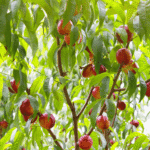
| Peaches | 0.52mg | 100g (about 1 medium) |
| Apples with skin | 0.32mg | 100g (about 1 small) |
| Grapes | 0.50mg | 100g (about 3/4 cup) |
| Broccoli (cooked) | 0.31mg | 100g (about 1 cup chopped) |
| Oranges | 0.25mg | 100g (about 1 small) |
| Red wine | 0.86mg | 100ml (about 3.5 oz) |
| Walnuts | 0.44mg | 100g (about 3/4 cup) |
| Pears | 0.32mg | 100g (about 1 small) |
| Dates | 0.29mg | 100g (about 4 dates) |
Source: USDA National Nutrient Database and published research
Dried fruits, particularly prunes and raisins, deliver the highest boron concentrations. Nuts, legumes, and certain fruits provide moderate amounts.
How Much Boron Do You Need?
No official Recommended Dietary Allowance (RDA) exists for boron because it is not classified as essential. However, research suggests beneficial intake ranges.
Adequate intake estimate: 1 to 3mg daily for adults based on population studies showing health benefits.
Upper tolerable limit: 20mg daily. Intakes above this level may cause adverse effects.
Average American intake: 0.9 to 1.4mg daily, which falls at the low end of the beneficial range.
Most people would benefit from slightly higher boron intake, easily achieved through increased consumption of boron-rich plant foods.
Signs of Boron Deficiency
Because boron is not classified as essential, deficiency is not officially recognized. However, low intake correlates with:
- Reduced bone mineral density
- Higher risk of osteoporosis
- Lower testosterone levels in men
- Elevated inflammatory markers
- Impaired wound healing
- Cognitive difficulties
These associations do not prove causation, but they suggest that adequate boron supports multiple physiological functions.
Why Choose Organic Boron-Rich Foods
Boron content in produce depends entirely on soil boron levels. Conventional farming practices that prioritize yield over soil health often deplete trace minerals including boron.
Soil Depletion
Modern conventional agriculture exhausts soil minerals through intensive farming without adequate replenishment. Boron is water-soluble and easily leaches from soil, particularly in high-rainfall areas.
Organic farming practices that use compost, cover crops, and crop rotation help maintain soil boron levels.
Higher Nutrient Density
Studies comparing organic and conventional produce show that organic farming often produces crops with higher trace mineral content, though results vary by crop and location.
For trace minerals like boron that depend on soil content, organic farming’s focus on soil health provides theoretical advantages.
Our guide on organic vs conventional foods covers nutrient density differences across all food categories.
Boron-Rich Meal and Snack Ideas
Breakfast
Oatmeal with prunes and almonds. Cook organic oats and top with chopped organic prunes and sliced almonds for a boron-rich, fiber-dense breakfast.
Our guide on organic oats nutrition and benefits covers how to prepare nutrient-dense oat-based breakfasts.
Snacks
Trail mix. Combine organic almonds, walnuts, raisins, and dates for a portable boron-rich snack.
Apple with peanut butter. Organic apple slices with natural organic peanut butter delivers boron, healthy fats, and protein.
Avocado toast. Organic whole grain toast with mashed organic avocado provides boron, healthy fats, and fiber.
Lunch and Dinner
Red kidney bean salad. Combine organic kidney beans with chopped vegetables, olive oil, and lemon for a boron-rich plant-based meal.
Our guide on organic lentils and beans covers legume preparation methods and recipes.
Grilled peaches with almonds. Grill organic peach halves and top with crushed almonds for a simple dessert or side dish.
Broccoli and almond stir-fry. Sauté organic broccoli with sliced almonds and garlic for a quick vegetable side.
Beverages
Red wine (moderate consumption). A 3.5-ounce serving of red wine provides notable boron, though alcohol should be consumed moderately.
Fresh-pressed apple or grape juice. Organic juice made from boron-rich fruits delivers the mineral, though whole fruit is preferable for fiber.
Our guide on cold-pressed organic juice covers juicing considerations and best practices.
Boron Supplements: Do You Need Them?
Most people can meet boron needs through whole food sources without supplementation. However, certain groups may benefit from boron supplements:
Who Might Benefit
Postmenopausal women. For bone density support and hormone balance.
Men with low testosterone. As part of a comprehensive nutritional approach to testosterone optimization.
People with osteoporosis or osteopenia. To support bone mineral retention.
Those eating very low plant food diets. People consuming minimal fruits, vegetables, nuts, and legumes.
Supplementation Guidelines
Typical dose: 3 to 6mg daily, which is the range used in most research studies.
Form: Boron citrate, boron glycinate, or sodium borate. All are well-absorbed.
Timing: With meals to enhance absorption and reduce potential digestive upset.
Upper limit: Do not exceed 20mg daily without medical supervision.
Food First Approach
Before considering supplements, increase intake of boron-rich foods. Two tablespoons of organic peanut butter, a handful of organic almonds, and a few organic prunes daily provide 2 to 3mg of boron without supplementation.
Our guide on supplement smarter covers when supplements make sense versus when food sources are sufficient.
Boron Safety and Interactions
Boron is safe at typical dietary intake levels and supplemental doses up to 20mg daily. Higher doses can cause adverse effects.
Potential Side Effects (High Doses)
- Nausea and digestive upset
- Skin rashes
- Headaches
- Reproductive toxicity (at very high doses far exceeding recommendations)
Drug Interactions
Boron may interact with estrogen replacement therapy by increasing estrogen levels. Consult your healthcare provider if taking hormone replacement.
Boron does not significantly interact with most common medications at dietary or moderate supplemental doses.
The Soil Connection
Boron availability in food entirely depends on soil boron content. Geographic variations exist based on soil type, rainfall, and agricultural practices.
Areas with acidic, sandy soils or high rainfall often have lower soil boron. Organic farming practices that add compost and maintain soil pH help preserve boron availability.
Supporting organic agriculture indirectly supports the nutrient density of the food supply by maintaining soil mineral content for future generations.
Our guide on organic farming watersheds covers how organic practices protect both soil health and water quality.
The Bottom Line
Boron is a trace mineral that supports bone health, hormone balance, and inflammatory response through multiple biological mechanisms. Research demonstrates measurable benefits from adequate intake, particularly for bone density and testosterone optimization.
The best boron sources are organic dried fruits (prunes, raisins, dates), nuts (almonds, walnuts), legumes (kidney beans), and certain fresh fruits (peaches, apples, grapes, pears). Eating a varied diet rich in these plant foods typically provides adequate boron without supplementation.
Organic sourcing matters because boron content depends entirely on soil levels. Organic farming practices that prioritize soil health maintain higher trace mineral content than depleted conventional soils.
Aim for 2 to 3mg of boron daily through whole food sources. This is achievable through a handful of nuts, some dried fruit, and regular legume consumption. Supplementation at 3 to 6mg daily may benefit specific populations, particularly postmenopausal women and men seeking testosterone optimization.
Boron does not receive the attention of calcium, vitamin D, or magnesium. But the evidence suggests it deserves a place in conversations about bone health and hormonal balance. Eat more organic prunes, almonds, and beans. Your bones and hormones will benefit.
FAQs
Q1: What are the best food sources of boron? Dried prunes deliver 1.43mg per 100g (highest source), raisins provide 1.06mg, almonds contain 0.74mg, and avocados offer 0.71mg per 100g. Other good sources include peanut butter, red kidney beans, peaches, apples, grapes, and walnuts. Dried fruits and nuts provide the most concentrated boron.
Q2: How does boron support bone health? Boron reduces urinary calcium and magnesium excretion, helping retain bone-building minerals. It influences vitamin D metabolism and may enhance conversion to active form. Studies show boron supplementation (3mg daily) reduced calcium loss by 44 percent in postmenopausal women and correlated with higher bone mineral density.
Q3: Can boron increase testosterone levels? Yes. A 2011 study found 10mg daily boron increased free testosterone by 28 percent in healthy men after one week. Boron reduces sex hormone binding globulin (SHBG) that binds testosterone, increasing free biologically active testosterone. Effects are modest but measurable for natural testosterone optimization.
Q4: How much boron do I need daily? No official RDA exists, but research suggests 1 to 3mg daily for adults provides health benefits. Average American intake is 0.9 to 1.4mg daily. The upper tolerable limit is 20mg daily. Most people benefit from slightly higher intake through boron-rich plant foods.
Q5: What are signs of boron deficiency? Low boron intake correlates with reduced bone mineral density, higher osteoporosis risk, lower testosterone in men, elevated inflammatory markers, impaired wound healing, and cognitive difficulties. Boron is not classified as essential, so deficiency is not officially recognized, but these associations suggest inadequate intake affects health.
Q6: Should I take boron supplements? Most people can meet needs through food without supplements. Postmenopausal women, men with low testosterone, people with osteoporosis, and those eating very low plant food diets may benefit. Typical supplemental dose is 3 to 6mg daily. Always try food sources first: prunes, almonds, beans, and avocados.
Q7: Why choose organic for boron-rich foods? Boron content in produce depends entirely on soil boron levels. Conventional farming depletes trace minerals including boron through intensive practices. Organic farming uses compost, cover crops, and crop rotation that maintain soil boron. Organic produce from healthy soil typically contains higher trace mineral content.
Q8: Is boron safe to consume? Yes, at typical dietary and moderate supplemental doses. Boron is safe up to 20mg daily. Higher doses can cause nausea, digestive upset, skin rashes, and headaches. Boron may interact with estrogen replacement therapy. Consult healthcare providers before high-dose supplementation or if taking hormone medications.