Most people have never heard of choline. It does not appear on standard nutrition labels. It gets minimal attention in mainstream nutrition advice. Yet roughly 90 percent of Americans consume less choline than the recommended adequate intake level.
This gap matters. Choline is essential for brain development, liver function, muscle movement, and cellular membrane structure. Your body produces small amounts, but not enough to meet daily needs without dietary intake.
The deficiency is silent until it is not. Fatty liver disease, muscle damage, cognitive decline, and neural tube defects in pregnancy all connect to inadequate choline intake. The solution is straightforward: eat choline-rich foods consistently.
This guide covers what choline does, the symptoms of deficiency, the best organic food sources, and exactly how much you need daily.
What Is Choline and Why Does It Matter
Choline is an essential nutrient chemically similar to B vitamins. It was not recognized as essential until 1998, which explains why it remains under-discussed compared to vitamins that have been studied for over a century.
Primary Functions of Choline
Cell membrane structure. Choline is a precursor to phosphatidylcholine, a phospholipid that makes up a major portion of all cell membranes. Without adequate choline, cellular integrity degrades.
Neurotransmitter synthesis. Choline is the precursor to acetylcholine, a neurotransmitter critical for memory, mood regulation, muscle control, and nervous system function.
Liver function. Choline is required for the export of fat from the liver as very-low-density lipoproteins (VLDL). Without sufficient choline, fat accumulates in liver cells, leading to non-alcoholic fatty liver disease.
DNA methylation. Choline contributes methyl groups for DNA and histone methylation, which regulates gene expression and cellular function.
Fetal brain development. Choline is critical during pregnancy for neural tube formation and long-term cognitive development. Maternal choline intake directly affects fetal brain structure and function.
Choline Deficiency Symptoms
Choline deficiency develops gradually and manifests differently depending on individual metabolism, genetics, and overall diet.
| Deficiency Stage | Symptoms |
|---|---|
| Early | Fatigue, brain fog, poor concentration |
| Moderate | Elevated liver enzymes, fatty liver (detectable on imaging) |
| Advanced | Muscle damage (elevated creatine kinase), severe liver dysfunction |
| Pregnancy-related | Increased risk of neural tube defects, impaired fetal brain development |
The PEMT gene produces an enzyme that synthesizes some choline endogenously. Roughly 44 percent of premenopausal women carry a genetic variant that reduces PEMT function, making them more susceptible to choline deficiency even with moderate dietary intake.
This genetic factor is one reason pregnant and breastfeeding women require significantly higher choline intake than the general population.
How Much Choline Do You Need Daily
The Institute of Medicine established Adequate Intake (AI) levels for choline rather than Recommended Dietary Allowances (RDA), reflecting the incomplete understanding of individual variation in choline requirements.
| Life Stage | Adequate Intake (AI) |
|---|---|
| Adult men | 550mg/day |
| Adult women | 425mg/day |
| Pregnant women | 450mg/day |
| Breastfeeding women | 550mg/day |
| Children 1-3 years | 200mg/day |
| Children 4-8 years | 250mg/day |
| Children 9-13 years | 375mg/day |
| Adolescents 14-18 years | 400-550mg/day |
These are minimum targets. Some researchers argue that optimal choline intake, particularly for cognitive health and liver protection, may be significantly higher than current AI levels.
Best Organic Choline-Rich Foods
Choline is most concentrated in animal products, particularly eggs and liver. Plant sources provide choline, but at significantly lower concentrations.
| Food | Serving Size | Choline Content | % Daily AI (550mg) |
|---|---|---|---|
| Beef liver (organic, grass-fed) | 85g (3 oz) | 356 mg | 65% |
| Egg (organic, pasture-raised) | 1 large egg | 147mg | 27% |
| Chicken liver (organic) | 85g (3 oz) | 222mg | 40% |
| Salmon (wild-caught) | 85g (3 oz) | 71mg | 13% |
| Chicken breast (organic) | 85g (3 oz) | 72mg | 13% |
| Ground beef (organic, grass-fed) | 85g (3 oz) | 72mg | 13% |
| Cod (wild-caught) | 85g (3 oz) | 71mg | 13% |
| Shrimp (wild-caught) | 85g (3 oz) | 69mg | 13% |
| Quinoa (organic, cooked) | 1 cup | 43mg | 8% |
| Brussels sprouts (organic, cooked) | 1 cup | 63mg | 11% |
| Broccoli (organic, cooked) | 1 cup | 63mg | 11% |
| Cauliflower (organic, cooked) | 1 cup | 48mg | 9% |
| Shiitake mushrooms (organic, cooked) | 1 cup | 58mg | 11% |
| Kidney beans (organic, cooked) | 1 cup | 45mg | 8% |
| Soybeans (organic, cooked) | 1 cup | 107mg | 19% |
| Tofu (organic, firm) | 1/2 cup | 35mg | 6% |
Source: USDA FoodData Central 2024
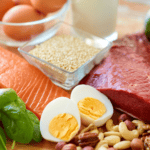
The standout is eggs. A single organic pasture-raised egg delivers 147mg of choline, over one-quarter of the daily AI for men and one-third for women. Two eggs per day cover roughly half the daily requirement.
Liver is the richest source by far, but most people do not eat liver regularly. Eggs bridge the gap between the liver’s exceptional choline density and the low choline content of most other foods.
Why Choose Organic for Choline-Rich Foods
Choline concentrates in fat-containing tissues and organ meats. This means choline-rich foods are also the foods most likely to accumulate fat-soluble contaminants from conventional farming.
Organic Eggs
Conventional eggs come from hens fed GMO corn and soy treated with glyphosate herbicide. The hens are often raised in confined operations with routine antibiotic use. These chemical residues accumulate in egg yolks, where the choline also concentrates.
Organic pasture-raised eggs come from hens fed organic feed without synthetic pesticides or GMOs. The hens have outdoor access, which improves the nutrient profile of the eggs, including higher omega-3 fatty acids and vitamin D, alongside choline.
Our guide on organic vs conventional foods covers the broader contamination differences across all animal products.
Organic Liver and Organ Meats
The liver is the body’s primary detoxification organ. In conventionally raised animals, the liver accumulates residues from antibiotics, growth hormones, and pesticide-contaminated feed.
Organic grass-fed liver comes from animals raised without antibiotics, synthetic hormones, or GMO feed. The liver tissue is cleaner, and the nutrient profile is superior, with higher concentrations of vitamins A, D, E, and K alongside choline.
Our guide on is organic meat healthier covers the full evidence base for organic animal products.
Organic Cruciferous Vegetables
Cruciferous vegetables like Brussels sprouts, broccoli, and cauliflower appear on the Dirty Dozen list periodically due to pesticide residue concerns. Buying organic versions ensures the choline comes without synthetic pesticide contamination.
Our guide to the Dirty Dozen and Clean Fifteen covers which produce items that carry the highest residue loads.
Choline and Brain Health
The connection between choline and cognitive function is one of the most well-researched areas of choline science.
Memory and Learning
Choline is the precursor to acetylcholine, the neurotransmitter that mediates memory formation, learning, and attention. Higher dietary choline intake is associated with better performance on memory tests and slower cognitive decline in aging populations.
A 2011 study in the American Journal of Clinical Nutrition found that higher choline intake was associated with better verbal and visual memory performance in adults aged 36 to 83 years.
Neuroprotection
Adequate choline intake supports the structural integrity of neuronal cell membranes and reduces inflammation in brain tissue. This neuroprotective effect may slow the progression of age-related cognitive decline and neurodegenerative diseases.
Fetal Brain Development
Maternal choline intake during pregnancy directly affects fetal brain development. Higher maternal choline intake is associated with improved cognitive performance, better attention span, and enhanced memory in children.
A 2018 study in The FASEB Journal found that doubling maternal choline intake during the third trimester significantly improved infant information processing speed and memory at four, seven, ten, and thirteen months of age.
Our guide on organic food and hormonal balance covers the broader nutritional framework for pregnancy and maternal health.
Choline and Liver Health
Non-alcoholic fatty liver disease (NAFLD) is one of the most common liver conditions globally, affecting roughly 25 percent of adults in the United States.
Inadequate choline intake is a significant contributing factor. Without sufficient choline, the liver cannot efficiently export fat as VLDL particles. Fat accumulates in liver cells, leading to inflammation, fibrosis, and eventual liver dysfunction.
A 2012 study in the Journal of Nutrition found that postmenopausal women consuming less than 50 percent of the adequate intake for choline were significantly more likely to develop fatty liver compared to those meeting choline intake targets.
Increasing dietary choline through eggs, liver, and cruciferous vegetables supports liver health and reduces fatty liver risk.
Our guide on organic food and heart health covers the cardiovascular implications of liver health and lipid metabolism.
How to Meet Your Daily Choline Needs
Meeting the daily adequate intake is straightforward with intentional food choices.
Sample Daily Choline Plan
Breakfast: 2 organic pasture-raised eggs (294mg)
Lunch: Organic chicken breast salad with organic broccoli (135mg)
Snack: 1/2 cup organic edamame (54mg)
Dinner: Wild-caught salmon with roasted organic Brussels sprouts (134mg)
Total: 617mg (exceeds AI for men and women)
Key Strategies
Eat eggs daily. Two eggs per day cover roughly half your choline needs. Choose organic pasture-raised for maximum nutrient density and minimal contamination.
Include organ meats weekly. A single 3-ounce serving of organic liver per week provides a massive choline boost alongside exceptional vitamin A, iron, and B vitamins.
Prioritize cruciferous vegetables. Brussels sprouts, broccoli, and cauliflower deliver meaningful choline alongside fiber, vitamin C, and sulforaphane compounds. Our guide on [organic broccoli and other cruciferous vegetables would cover this in detail if available.
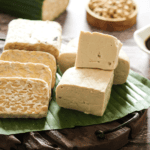
Choose organic soy products. Organic soybeans and tofu provide the highest plant-based choline concentrations for vegetarian and vegan diets.
For structured weekly meal ideas that incorporate choline-rich foods naturally, our 21-day organic meal plan provides a practical daily framework.
Choline for Vegetarians and Vegans
Meeting choline needs on a plant-based diet requires more intentional planning. The richest plant sources are soybeans, quinoa, cruciferous vegetables, and mushrooms, but none match the choline density of eggs or liver.
| Plant-Based Choline Strategy | Daily Choline Contribution |
|---|---|
| 1 cup organic cooked soybeans | 107mg |
| 1 cup organic cooked quinoa | 43mg |
| 1 cup organic cooked Brussels sprouts | 63mg |
| 1 cup organic cooked broccoli | 63mg |
| 1 cup organic cooked shiitake mushrooms | 58mg |
| 1/2 cup organic firm tofu | 35mg |
Total from sample plant-based day: 369mg (67% of AI for women, 54% for men)
Reaching the full potential on a plant-based diet requires combining multiple high-choline plant foods daily. Some vegan nutrition experts recommend choline supplementation, particularly for pregnant and breastfeeding women following plant-based diets.
Choline Supplementation: When It Makes Sense
Most people can meet their choline needs through whole food sources. Supplementation makes sense in specific circumstances:
Pregnant and breastfeeding women who do not eat eggs or liver regularly may benefit from supplementation to reach the 450-550mg daily target.
People with PEMT genetic variants affecting endogenous choline synthesis may need higher dietary intake or supplementation.
Strict vegans who struggle to meet choline targets through plant foods alone may consider supplementation.
Common supplement forms include choline bitartrate, phosphatidylcholine, and alpha-GPC. Phosphatidylcholine and alpha-GPC are better absorbed than choline bitartrate.
Always choose supplements from third-party tested brands to verify purity and avoid contamination.
The Bottom Line
Choline is essential for brain function, liver health, cellular structure, and fetal development. Roughly 90 percent of Americans consume less than the adequate intake level, creating a silent nationwide deficiency.
The solution is simple: eat eggs daily, include organ meats weekly, and prioritize cruciferous vegetables and organic soy products. Two organic pasture-raised eggs per day cover half your needs. Add liver once per week and cruciferous vegetables with meals, and you exceed the adequate intake consistently.
Choose organic for choline-rich foods to avoid the pesticide residues, antibiotic traces, and GMO feed contamination that concentrate in the same fat-containing tissues where choline accumulates.
Choline is not glamorous. It does not have a marketing budget. But it is absolutely essential. Start tracking it. Meet your daily target. Protect your brain, liver, and long-term health.
FAQs
Q1: What is choline, and why is it important? Choline is an essential nutrient required for cell membrane structure, neurotransmitter synthesis, liver function, DNA methylation, and fetal brain development. Your body produces small amounts, but not enough to meet daily needs without dietary intake. Roughly 90 percent of Americans consume less choline than the recommended adequate intake level.
Q2: What are the symptoms of choline deficiency? Early symptoms include fatigue, brain fog, and poor concentration. Moderate deficiency causes elevated liver enzymes and fatty liver detectable on imaging. Advanced deficiency leads to muscle damage with elevated creatine kinase and severe liver dysfunction. During pregnancy, inadequate choline increases the risk of neural tube defects and impaired fetal brain development.
Q3: How much choline do I need per day? Adult men need 550mg daily, and adult women need 425mg daily. Pregnant women require 450 mg, and breastfeeding women need 550mg daily. These are Adequate Intake (AI) levels established by the Institute of Medicine. Some researchers argue that optimal intake for cognitive health may be significantly higher.
Q4: What foods are highest in choline? Organic pasture-raised eggs deliver 147mg per egg. Organic grass-fed beef liver provides 356mg per 3-ounce serving. Other good sources include organic chicken, wild-caught salmon, organic Brussels sprouts (63mg per cup), organic broccoli (63mg per cup), and organic cooked soybeans (107mg per cup).
Q5: Can I get enough choline from plant-based foods? Meeting choline needs on a plant-based diet requires intentional planning. The richest plant sources are organic soybeans (107mg per cup), quinoa (43mg per cup), Brussels sprouts (63mg per cup), broccoli (63mg per cup), and shiitake mushrooms (58mg per cup). Reaching the full potential requires combining multiple high-choline plant foods daily.
Q6: Why should I choose organic for choline-rich foods? Choline concentrates in fat-containing tissues and organ meats, which also accumulate fat-soluble contaminants from conventional farming. Organic eggs come from hens fed organic feed without synthetic pesticides or GMOs. Organic grass-fed liver avoids antibiotics, growth hormones, and pesticide-contaminated feed. Organic cruciferous vegetables eliminate synthetic pesticide residues.
Q7: Does choline really improve brain health? Yes. Choline is the precursor to acetylcholine, the neurotransmitter that mediates memory formation, learning, and attention. Higher dietary choline intake is associated with better memory performance and slower cognitive decline. Maternal choline intake during pregnancy directly affects fetal brain development and infant cognitive performance.
Q8: Can choline help prevent fatty liver disease? Yes. Without sufficient choline, the liver cannot efficiently export fat as VLDL particles, causing fat accumulation in liver cells. A 2012 study found that postmenopausal women consuming less than 50 percent of the adequate choline intake were significantly more likely to develop fatty liver disease. Increasing dietary choline through eggs, liver, and cruciferous vegetables supports liver health.