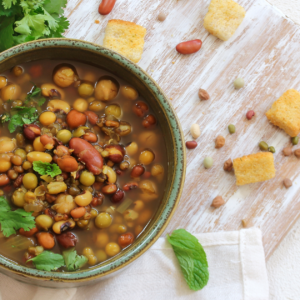
Supplement industry markets fear effectively. Deficiency concerns drive billions in sales. The truth remains simpler. Whole foods contain nutrients supplements attempt to replicate. Real nutrition builds through eating not swallowing.
Most people supplement believing food gaps exist. Strategic eating eliminates these gaps completely. Understanding food first approach transforms health priorities.
Why Supplements Cannot Replace Food
Whole foods contain thousands of compounds working together synergistically. Supplements isolate single nutrients. This isolation changes how bodies process them fundamentally.
Natural vitamin C food sources come packaged with bioflavonoids enhancing absorption. Orange supplements lack these cofactors. The fruit delivers complete nutrition. The pill delivers incomplete isolation.
Bioavailability matters enormously. Food nutrients absorb with digestive efficiency supplements rarely match. Whole food forms sync with human digestion perfectly. Supplement forms fight absorption constantly.
Supplements cannot provide fiber. Foods for blood sugar balance deliver fiber alongside nutrients. Fiber feeds beneficial bacteria. Supplements skip this completely. Gut health suffers.
What Whole Foods Deliver That Supplements Cannot
Real food contains thousands of phytonutrients. Science identifies hundreds. Thousands remain unmapped. Eating food provides complete unknown nutrition. Supplements provide only identified isolated nutrients.
Organic diet and immunity builds through diverse food consumption. Thousands of compounds strengthen immunity. No supplement replicates this complexity.
Pleasure accompanies whole food eating. Taste satisfaction increases nutrient absorption. Psychological benefit supports long-term adherence. Supplements create no satisfaction.
Cost effectiveness favors whole foods long-term. Foods for blood sugar balance cost less than equivalent supplements. Beans provide complete nutrition affordably. Pills provide incomplete expensive options.
When Supplements Make Sense
Specific deficiencies sometimes require intervention. Blood tests confirm actual deficiency. Never supplement based on marketing fear.
Pregnancy sometimes necessitates folate supplementation. Doctor recommendation differs from marketing suggestion. Medical supervision determines actual need.
Vegans may need B12 supplementation. Organic lentils and beans lack B12 forcing supplementation. This represents genuine limitation requiring intervention.
Athletes sometimes benefit from targeted supplementation. Extreme training demands exceed normal nutrition. Professional guidance determines actual need.
Genuine medical conditions sometimes require supplements. Malabsorption disorders prevent normal nutrient uptake. Doctor-supervised supplementation becomes necessary then.
Building Complete Nutrition Through Food
Organic eggs provide complete amino acid profile. No supplement matches egg completeness. Single food delivers all essential amino acids.
Berries for heart health deliver thousands of antioxidants. Antioxidant supplements cannot replicate berry complexity. Fresh fruit beats any pill.
Organic spinach provides iron, folate, magnesium, calcium, and countless minerals. One food covers multiple nutrient needs. Supplements require multiple pills.
Organic oats deliver beta-glucans supporting immunity. Oatmeal provides sustained energy. Supplement form lacks fiber. Real food delivers complete nutrition.
Organic honey contains enzymes, minerals, antioxidants, and antimicrobial compounds. Single tablespoon provides multiple benefits. Supplements isolate single nutrients.
Organic yogurt and kefir deliver live probiotics. These beneficial bacteria strengthen immunity through gut health. Supplement probiotics survive stomach acid. Live food cultures survive digestion.
Supplements vs. Whole Foods Comparison Table
| Nutrient Source | Bioavailability | Completeness | Cost | Satisfaction | Sustainability |
|---|---|---|---|---|---|
| Whole Foods | 85-95% | Complete | Low | High | Indefinite |
| Isolated Supplements | 50-70% | Partial | High | None | Dependent |
| Fortified Foods | 60-80% | Moderate | Medium | Medium | Variable |
| Supplement Combinations | 55-75% | Incomplete | Very High | None | Dependent |
The Food First Approach Works
Eat diverse whole foods covering nutrient needs. Organic lentils and beans provide protein and fiber. Organic eggs complete amino acids. Berries for heart health deliver antioxidants.
Repeat this pattern building complete nutrition. Variety ensures complete micronutrient coverage. Supplements become unnecessary.
Marketing Tricks Supplement Industry Uses
Fear marketing drives supplement sales. “Modern soil lacks nutrients” creates deficiency fear. Truth? Diverse eating covers all needs.
Celebrity endorsement suggests supplement necessity. Celebrities eat well while promoting pills. Marketing creates confusion.
Before-after photos imply supplement created results. Eating well created results. Supplements received false credit.
“Natural” label suggests safety and superiority. Supplements remain chemicals regardless of origin. Whole foods remain superior alternatives.
Blood Tests Reveal Truth
Request nutrient testing before supplementing. Blood tests show actual deficiency. Marketing suggestions lack this verification.
Most blood tests reveal adequate nutrition in those eating diverse whole foods. Supplementing adequate levels wastes money. Testing prevents unnecessary supplementation.
Bioavailable Nutrients From Food Reality
Calcium from organic yogurt and kefir absorbs better than supplement calcium. Fermentation enhances bioavailability. Food preparation matters.
Iron from organic spinach absorbs better with vitamin C from citrus. Food combination creates synergy. Supplements cannot replicate this.
Magnesium from organic oats absorbs better than isolated magnesium. Whole food context improves uptake. Supplement form reduces absorption.
The Bottom Line
Whole foods beat supplements consistently. Complete nutrition beats isolated nutrients. Food first approach eliminates supplement dependency. Build meals around organic eggs, berries for heart health, organic spinach, organic oats, organic honey, organic yogurt and kefir, and organic lentils and beans. Bioavailable nutrients from food absorb better. Variety eliminates deficiency concerns. Satisfaction supports adherence. Cost favors food. Test before supplementing. Marketing fear rarely reflects reality. Food first approach succeeds. Start eating. Stop supplementing.
Frequently Asked Questions
1. Are whole foods really better than supplements? Yes. Whole foods contain thousands of compounds working synergistically. Supplements isolate single nutrients. Bioavailability improves with whole food forms. Food provides complete nutrition supplements cannot replicate.
2. Do I really need vitamin supplements? Most people eating diverse whole foods don’t need supplements. Blood tests reveal actual deficiency. Marketing suggests deficiency without verification. Test before supplementing.
3. Which whole foods contain most nutrients? Eggs provide complete amino acids. Spinach delivers multiple minerals. Berries provide thousands of antioxidants. Oats supply beta-glucans. Beans complete proteins. Varied eating covers all needs.
4. How much better is food bioavailability than supplements? Food bioavailability reaches 85-95%. Supplement bioavailability ranges 50-70%. Food cofactors enhance absorption. Supplements lack these helpers. Food wins significantly.
5. When do supplements actually make sense? Confirmed deficiency requires intervention. Pregnancy sometimes needs supplementation. Vegans may need B12. Malabsorption disorders require support. Medical conditions create necessity. Marketing fear doesn’t justify supplementation.
6. Can supplements replace poor eating? No. Supplements cannot provide fiber. No supplement delivers food complexity. Whole foods contain unknown phytonutrients. Food first approach eliminates supplement dependency.
7. What nutrients are hardest to get from food? B12 proves difficult for vegans. Vitamin D requires sun exposure or supplementation. Most other nutrients appear abundantly in diverse whole foods. Testing determines actual need.
8. Is organic food better than supplements? Yes. Organic eliminates pesticides. Whole food form ensures complete nutrition. Bioavailability improves. Organic whole foods beat any supplement.