The acai berry built an entire industry on a single word: antioxidants. Smoothie chains, supplement brands, and wellness marketers turned this small purple fruit from the Amazon into a global superfood phenomenon.
Some of the hype is justified. Some of it is pure marketing. The acai berry genuinely delivers an exceptional antioxidant profile and a rare nutrient composition for a fruit. But it is not a miracle cure, and the form you buy it in changes everything about the benefit you actually receive.
Acai berry benefits are real when you understand what the fruit actually offers, choose the right form, and add it to your diet in a way that preserves its nutritional value rather than burying it under sugar.
This guide covers the full acai nutrition profile, the critical differences between acai forms, the evidence behind the antioxidant claims, and exactly how to use acai in everyday meals.
What Is the Acai Berry?
The acai berry grows on the acai palm (Euterpe oleracea), native to the floodplains and swamps of the Amazon rainforest in Brazil and surrounding regions.
The fruit is small, round, and deep purple. Unlike most berries, acai is roughly 80 percent seed and only 20 percent edible pulp and skin. That thin layer of pulp is where the entire nutritional value concentrates.
Acai berries are highly perishable. They begin degrading within 24 hours of harvest. This single fact explains why you will almost never see fresh acai berries outside the Amazon region, and why the form you buy matters so much.
Fresh acai also has a flavor most people find surprising. It is not sweet. The taste is earthy and slightly bitter, often described as a blend of dark berry and unsweetened chocolate. Any intensely sweet acai product has had significant sugar added.
Acai Berry Nutrition Profile
| Nutrient | Amount per 100g (unsweetened pulp) | % Daily Value |
|---|---|---|
| Calories | 70 kcal | 4% |
| Total Fat | 5g | 6% |
| Monounsaturated Fat | 3g | – |
| Carbohydrates | 4g | 1% |
| Dietary Fiber | 2g | 7% |
| Protein | 1g | 2% |
| Vitamin A | 1,000 IU | 20% |
| Calcium | 40mg | 3% |
| Anthocyanins | Very high concentration | No DV set |
| Polyphenols | Very high concentration | No DV set |
| Plant Sterols | Present | Supports cholesterol balance |
Source: USDA FoodData Central 2024
Acai stands apart from other fruits in two ways. First, it contains meaningful healthy fat, which is rare for a berry. The monounsaturated fat content resembles the fat profile of olive oil more than the profile of a typical fruit.
Second, acai contains almost no sugar in its natural state. With only 4g of carbohydrates per 100g, unsweetened acai is one of the lowest-sugar fruits available. This makes the sweetened commercial products a significant nutritional downgrade.
The standout compounds are anthocyanins, the purple pigment antioxidants that give acai its deep color. Acai contains these at concentrations that exceed blueberries, cranberries, and most other commonly consumed berries.
The Antioxidant Story: Evidence vs Hype
Acai is marketed almost entirely on antioxidant content. Here is what the evidence actually supports.
What Is Verified
Acai genuinely contains a very high concentration of anthocyanins and polyphenols. Laboratory testing consistently confirms acai has one of the highest antioxidant capacity scores of any measured fruit.
A 2008 study in the Journal of Agricultural and Food Chemistry confirmed that acai pulp antioxidants are bioavailable, meaning the body actually absorbs and uses them rather than passing them through unused.
What Is Overstated
Antioxidant capacity measured in a lab does not automatically translate to specific disease cures. Marketing claims that acai reverses aging, guarantees weight loss, or cures disease go far beyond what any research supports.
The honest position: acai is an excellent dietary source of antioxidants that contributes to overall protection against oxidative stress, the same way many other deeply colored fruits do.
Our guide on the health benefits of eating organic covers the broader research on how antioxidant-rich whole foods support long-term health without the exaggerated single-food claims.
Health Benefits of Acai Berry
Cardiovascular Support
The combination of anthocyanins, plant sterols, and monounsaturated fat in acai supports heart health through multiple mechanisms. Anthocyanins reduce LDL cholesterol oxidation. Plant sterols help block cholesterol absorption. Monounsaturated fat supports healthy cholesterol ratios.
Our guide on organic food and heart health covers the full dietary framework for cardiovascular protection, where antioxidant-rich fruits like acai play a supporting role.
Cellular Protection From Oxidative Stress
The dense anthocyanin and polyphenol content neutralizes free radicals that damage cells and accelerate aging. This cellular protection is the most well-supported benefit of regular acai consumption.
Skin Health
The antioxidants and healthy fats in acai support skin from the inside. Anthocyanins protect skin cells from UV-induced oxidative damage, while the monounsaturated fat content supports the skin barrier and hydration.
Brain Health
Emerging research suggests the anthocyanins in deeply pigmented berries support cognitive function and may slow age-related cognitive decline. The polyphenols reduce neuroinflammation and support healthy blood flow to brain tissue.
Digestive Support
Acai provides modest fiber that supports healthy digestion and feeds beneficial gut bacteria. While not a high-fiber food, it contributes to overall fiber intake within a balanced diet.
Our guide on organic diet and immunity covers how fiber and antioxidants together support the gut microbiome and immune resilience.
Blood Sugar Friendly
Unsweetened acai has minimal natural sugar and a low glycemic impact. This makes it a smart base for anyone managing blood sugar, provided the product is genuinely unsweetened. Our guide on low-sugar organic snacks covers complementary low-glycemic food choices.
Acai Forms Compared: This Is What Matters Most
The form you buy determines the actual benefit you receive. This is the single most important section of this guide.
| Form | Processing Level | Sugar Content | Nutrient Retention | Best Use |
|---|---|---|---|---|
| Frozen unsweetened puree | Minimal, flash-frozen | None added | High | Acai bowls, smoothies |
| Freeze-dried powder | Moderate, water removed | None added | High | Smoothies, baking, oats |
| Spray-dried powder | Higher heat processing | None added | Moderate | Smoothies, convenience use |
| Sweetened puree packs | Processed with added sugar | High | Moderate | Avoid if possible |
| Acai juice blends | Heavily processed, diluted | Often very high | Low | Avoid, mostly other juices |
| Acai supplements/pills | Highly processed | None | Variable, often low | Limited value |
Frozen Unsweetened Puree
This is the gold standard. Flash-freezing within hours of harvest preserves the anthocyanins, healthy fats, and overall nutrient profile. Look for packs with one ingredient: acai.
Freeze-Dried Powder
The best shelf-stable option. Freeze-drying removes water without high heat, preserving most of the antioxidant content. Excellent for adding to smoothies, oatmeal, and baking.
What to Avoid
Sweetened purees, acai juice blends, and most acai supplements deliver a fraction of the benefit while often adding significant sugar. Acai juice in particular is usually mostly apple or grape juice with a small amount of acai for color and marketing.
Our guide on how to spot fake organic products applies directly here, since the acai market is full of products that imply health benefits the actual contents do not deliver.
Why Choose Organic Acai
Acai grows in the Amazon, often wild-harvested or grown with minimal intervention. But certified organic acai still matters for two reasons.
First, certification verifies that no synthetic pesticides or processing chemicals were used during cultivation or processing. Second, organic certification provides supply chain traceability back to the source, which is valuable for a product that travels from the Amazon to global markets.
Our guide to organic certifications explains how the certification chain works from harvest through processing to the final packaged product.
For context on how organic sourcing compares to conventional across all food categories, our guide on organic vs conventional foods covers the full evidence base.
How to Add Acai to Your Diet
The Classic Acai Bowl
The acai bowl is the most popular way to eat acai, but most commercial versions are sugar bombs. Here is how to build one properly.
Base: Blend one frozen unsweetened acai puree pack with half a frozen banana and a splash of unsweetened plant milk. Keep it thick.
Toppings: Add fresh fruit, a tablespoon of nuts or seeds, and a small amount of granola. Control the granola portion, as this is where the sugar usually creeps in.
Sweetener: If needed, use a small drizzle of organic honey rather than relying on sweetened acai or heavy granola.
Smoothies
Add a frozen acai pack or a tablespoon of acai powder to any smoothie. It pairs well with banana, berries, spinach, and plant milk for an antioxidant-rich breakfast.
Stirred Into Oatmeal
Mix acai powder into cooked oats for a purple, antioxidant-boosted breakfast. Our guide on organic oats nutrition and benefits covers how acai and oats combine into a nutrient-dense morning meal.
In Yogurt
Stir acai powder into organic yogurt with a handful of fresh fruit for a quick antioxidant-rich snack.
In Baking
Acai powder works in muffins, energy balls, and homemade granola bars. It adds color, antioxidants, and a subtle berry note without added sugar.
For structured meal ideas incorporating superfoods like acai, our 21-day organic meal plan provides a practical daily framework.
Acai vs Other Superfood Berries
Acai is one of several deeply pigmented berries marketed as superfoods. Here is how it compares.
| Berry | Standout Nutrient | Sugar Level | Healthy Fat | Typical Form |
|---|---|---|---|---|
| Acai | Anthocyanins, monounsaturated fat | Very low | Yes | Frozen, powder |
| Blueberry | Anthocyanins, vitamin C | Moderate | No | Fresh, frozen |
| Goji berry | Zeaxanthin, vitamin A | High | No | Dried |
| Maqui berry | Anthocyanins (very high) | Low | No | Powder |
| Cranberry | Proanthocyanidins | Low (unsweetened) | No | Dried, juice |
| Blackberry | Fiber, vitamin C | Low | No | Fresh, frozen |
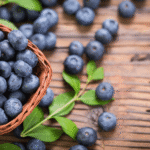
The honest takeaway: acai is excellent, but so are blueberries and blackberries, often at a fraction of the cost. Acai earns its place through its unique low-sugar, healthy-fat profile, not because it is categorically superior to all other berries.
Variety matters more than chasing a single superfood. Eating a range of deeply colored organic berries delivers a broader spectrum of protective compounds than relying on acai alone.
Buying the Best Organic Acai
| What to Check | What Good Looks Like | Red Flag |
|---|---|---|
| Certification | USDA Organic seal present | No certification, vague “natural” |
| Ingredient list | One ingredient: organic acai | Added sugar, juice concentrates, fillers |
| Form | Frozen unsweetened puree or freeze-dried powder | Sweetened packs, juice blends |
| Sugar content | 0g to 1g added sugar | High sugar per serving |
| Color | Deep purple | Pale or dull color (degraded product) |
| Processing | Flash-frozen or freeze-dried stated | No processing information |
Trusted organic acai brands include Sambazon Organic, Acai Roots Organic, and Navitas Organics for powder. All offer certified organic, unsweetened products with clear sourcing.
Acai is not cheap. Buying frozen packs in bulk and storing them in the freezer reduces the per-serving cost. Our guide on buying organic in bulk covers practical bulk purchasing and storage strategies for premium organic ingredients.
The Bottom Line
The acai berry deserves a place in a healthy diet, but for honest reasons rather than marketing ones. It delivers an exceptional anthocyanin concentration, a rare low-sugar profile, and healthy monounsaturated fat that sets it apart from most fruits.
The catch is the form. Frozen unsweetened puree and freeze-dried powder deliver genuine benefit. Sweetened packs, juice blends, and supplements deliver mostly sugar and marketing.
Choose certified organic. Buy it unsweetened. Build your acai bowls and smoothies yourself so you control the sugar. And remember that acai works best as one part of a varied diet of colorful organic fruits, not as a miracle food that does the work alone.
Frequently Asked Questions
Q1: What are the main benefits of acai berry? Acai berry delivers a very high concentration of anthocyanin antioxidants, healthy monounsaturated fat that is rare for a fruit, and almost no natural sugar. These support cardiovascular health, cellular protection from oxidative stress, skin health, and brain function. The benefits are real but should not be confused with exaggerated miracle-cure marketing claims.
Q2: Is acai powder or frozen acai better? Both frozen unsweetened puree and freeze-dried powder retain high nutrient levels. Frozen puree is the gold standard because flash-freezing within hours of harvest preserves the antioxidants and healthy fats best. Freeze-dried powder is the best shelf-stable option. Avoid spray-dried powders processed with higher heat and any sweetened products.
Q3: Why is fresh acai berry almost impossible to buy? Acai berries are extremely perishable and begin degrading within 24 hours of harvest. They also grow only in the Amazon floodplains of Brazil and surrounding regions. This is why acai reaches global markets almost exclusively as frozen puree or freeze-dried powder rather than fresh fruit.
Q4: Does acai berry actually have more antioxidants than blueberries? Yes, laboratory testing consistently shows acai has a higher anthocyanin and polyphenol concentration than blueberries, cranberries, and most common berries. However, blueberries and blackberries are still excellent antioxidant sources, often at a fraction of the cost. Eating a variety of colorful berries is better than relying on acai alone.
Q5: Are commercial acai bowls healthy? Often not. Many commercial acai bowls use sweetened acai, large granola portions, and added sweeteners, turning a low-sugar fruit into a high-sugar meal. A healthy acai bowl uses unsweetened frozen acai, controls the granola portion, and relies on fresh fruit for sweetness rather than added sugar.
Q6: Does acai berry taste sweet? No. Fresh unsweetened acai has an earthy, slightly bitter flavor often described as a blend of dark berry and unsweetened chocolate. Any intensely sweet acai product has had significant sugar added. The natural unsweetened taste is mild and not sugary.
Q7: Should I buy organic acai? Yes. Organic certification verifies no synthetic pesticides or processing chemicals were used during cultivation and processing. It also provides supply chain traceability back to the Amazon source, which matters for a product that travels far to reach global markets.
Q8: How much acai should I eat? One frozen puree pack or one tablespoon of acai powder per day is a practical serving that delivers meaningful antioxidant benefit. Acai works best as one part of a varied diet of colorful organic fruits rather than as a single food expected to deliver outsized results on its own.