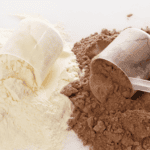
Collagen protein benefits attract enormous attention across wellness circles. Organic collagen foods offer natural sourcing options. Understanding collagen vs whey protein clarifies genuine differences. Collagen for joints and collagen for skin claims deserve honest examination. Knowledge separates marketing from evidence.
Most people encounter collagen through supplement marketing. Claims often exceed research support. Understanding actual evidence matters. Food sources offer alternatives to powders. Awareness guides realistic expectations.
What Collagen Protein Actually Is
Collagen represents the most abundant protein in bodies. Connective tissue depends on it. Skin, bones, and joints contain substantial amounts. Understanding structure explains function.
Collagen provides structural support throughout the body. Skin elasticity depends partly on it. Joint cartilage contains collagen. Understanding this explains widespread interest.
Bodies produce collagen naturally. Production peaks in youth. Synthesis slows with age. Understanding this decline explains supplement interest. Aging affects production measurably.
Collagen differs from other proteins structurally. Amino acid composition skews toward glycine and proline. Understanding composition matters. This affects both function and nutritional completeness.
Organic vs conventional foods distinctions apply to collagen sourcing too. Understanding certification helps. Animal sourcing quality affects supplement inputs. Knowledge guides purchasing decisions.
Collagen Protein Benefits Examined Honestly
Collagen protein benefits require honest examination. Marketing claims often outpace research. Understanding actual evidence helps. Some benefits show support. Others remain uncertain.
Skin hydration shows modest research support. Some studies suggest improved elasticity. Sample sizes often stay small. Understanding limitations matters. Promising, not definitive.
Joint comfort research shows mixed results. Some studies suggest reduced discomfort. Mechanisms remain partially understood. Understanding uncertainty helps. Individual results vary considerably.
Bone health research continues developing. Some evidence suggests density support. Long-term data remains limited. Understanding this stays appropriately cautious. Research continues evolving.
Marketing frequently overstates certainty. Definitive claims exceed evidence quality. Understanding this protects expectations. Skepticism serves consumers well.
Nail strength claims appear occasionally too. Evidence stays sparse for this specific claim. Understanding the limited research helps. Not every marketed benefit carries equal support.
Organic Collagen Foods Sources
Organic collagen foods provide natural building blocks. Bone broth concentrates collagen traditionally. Understanding food sources helps. Whole foods offer alternatives to powders.
Bone broth simmers bones extensively. Collagen releases during slow cooking. Traditional cuisines valued this practice. Understanding preparation helps. Time extracts nutrients gradually.
Organic meat certification explains sourcing standards. Understanding certification helps. Connective tissue cuts contain collagen. Quality sourcing matters for broth.
Chicken skin and cartilage contain collagen. Whole animal eating utilizes these parts. Understanding traditional practices helps. Nose-to-tail approaches maximize collagen intake.
Fish skin and connective tissue supply collagen too. Wild vs farm raised salmon discusses sourcing. Understanding fish collagen helps. Marine sources offer variety.
Vitamin C and Collagen Synthesis
Vitamin C proves essential for collagen synthesis. Bodies cannot produce collagen without it. Understanding this connection matters. Supplementing collagen without vitamin C misses this requirement.
Citrus fruits supply vitamin C reliably. Bell peppers exceed citrus in content. Understanding sources helps. Pairing matters for synthesis.
Organic dark leafy greens contribute vitamin C too. Understanding plant sources helps. Variety ensures adequate intake. Synthesis requires this cofactor.
Combining collagen sources with vitamin C optimizes synthesis. Bone broth with vegetables works naturally. Understanding combinations helps. Traditional recipes often achieve this pairing.
Collagen Vs Whey Protein Comparison Table
| Factor | Collagen | Whey Protein | Advantage |
|---|---|---|---|
| Amino acid completeness | Incomplete | Complete | Whey |
| Muscle synthesis stimulation | Weak | Strong | Whey |
| Connective tissue support | Direct | Indirect | Collagen |
| Leucine content | Low | High | Whey |
| Digestibility | Easy | Easy | Equal |
| Research volume | Growing | Extensive | Whey |
| Taste and mixing | Neutral | Varies | Depends on preference |
Collagen For Joints Evidence
Collagen for joints attracts significant interest. Cartilage contains substantial collagen. Understanding this connection explains hope. Evidence quality varies across studies.
Some research suggests modest improvements. Discomfort scores decreased in certain trials. Understanding limitations matters. Study quality varies considerably.
Mechanisms remain incompletely understood. Direct incorporation seems unlikely. Signaling effects theorized instead. Understanding uncertainty helps. Science continues investigating mechanisms.
Study durations often stay short. Long-term outcomes remain less studied. Understanding this limitation helps. Sustained benefits need longer verification.
Organic foods joint pain explores broader approaches. Understanding comprehensive strategies helps. Anti-inflammatory foods show stronger evidence generally. Diet extends beyond single supplements.
Collagen For Skin Evidence
Collagen for skin claims proliferate in marketing. Some research shows modest support. Understanding evidence quality matters. Results stay promising rather than definitive.
Hydration measurements sometimes improve. Elasticity scores occasionally increase. Understanding measurement methods helps. Subjective and objective measures both appear.
Industry-funded research raises questions. Independent replication remains limited. Understanding funding sources helps. Bias awareness matters for interpretation.
Organic diet improve skin dermatologist explores broader nutrition. Understanding comprehensive approaches helps. Whole diet patterns matter more than single supplements typically.
Should You Take Collagen Supplements
Deciding on supplements requires personal evaluation. Evidence stays modest but not absent. Understanding your priorities helps. Individual factors matter.
Whole food sources offer alternatives. Bone broth provides collagen naturally. Understanding food-first approaches helps. Supplements are not mandatory.
Third party tested supplements explains verification importance. Understanding testing helps. If choosing supplements, verification matters. Quality varies dramatically between products.
Cost-benefit evaluation helps decisions. Supplements cost money regularly. Understanding value helps. Modest evidence may not justify expense for everyone.
Making Bone Broth at Home
Making bone broth preserves nutrition affordably. Simmering extracts collagen gradually. Understanding process helps. Homemade options avoid processing concerns.
Roasting bones first deepens flavor. Browning adds complexity. Understanding technique helps. Preparation affects outcome.
Extended simmering extracts more collagen. Twelve to twenty-four hours works well. Understanding time requirements helps. Patience rewards effort.
Adding vinegar helps mineral extraction. Acidity draws nutrients from bone. Understanding this technique helps. Small additions matter.
Shop organic on a budget includes bone broth strategies. Understanding value helps. Bones often cost little. Knowledge optimizes spending.
Supporting Collagen Naturally
Supporting natural collagen production helps beyond supplementation. Nutrition provides building blocks. Lifestyle factors matter too. Understanding comprehensive approaches helps.
Protecting skin from sun damage preserves collagen. UV exposure breaks it down. Understanding this helps. Prevention matters alongside nutrition.
Adequate protein intake supports synthesis broadly. Daily protein intake explains requirements. Understanding overall protein helps. Collagen represents one protein among many needs.
Avoiding excess sugar helps collagen quality. Glycation damages collagen structure. Understanding this connection helps. Diet quality extends beyond single nutrients.
Foods for blood sugar balance supports this goal directly. Understanding glucose stability helps. Balanced blood sugar reduces glycation damage. Knowledge connects multiple health goals together.
Types of Collagen Explained
Multiple collagen types exist in bodies. Type I dominates skin and bones. Type II concentrates in cartilage. Understanding types helps interpret products.
Type I collagen appears most abundant. Skin, tendons, and bones contain it primarily. Most supplements target this type. Understanding this helps set expectations.
Type II collagen concentrates in joint cartilage. Products marketed for joints often specify this type. Understanding targeting helps. Different types may serve different purposes.
Type III often accompanies Type I. Blood vessels and organs contain it. Understanding this helps. Multi-type products claim broader benefits, though evidence for this specificity stays limited.
Marine collagen comes from fish sources. Bovine collagen comes from cattle. Understanding sourcing helps. Absorption differences remain debated in research.
Common Collagen Myths
Several collagen myths persist in marketing. Understanding facts helps evaluate claims. Evidence clarifies exaggerated promises.
Collagen supplements do not directly become skin collagen. Digestion breaks proteins into amino acids first. The body reassembles these as needed. Understanding this process tempers expectations about direct incorporation.
Anti-aging claims often overreach evidence. Wrinkle reduction claims lack strong support generally. Understanding this helps. Modest hydration effects differ from dramatic anti-aging promises.
Collagen does not build muscle effectively. Low leucine content limits this function. Understanding this helps. Whey protein suits muscle-building goals better.
More expensive does not guarantee better quality. Price does not correlate strongly with efficacy. Understanding this helps. Third-party testing matters more than cost.
The Bottom Line
Collagen protein benefits show modest research support for skin hydration and joint comfort, though marketing frequently overstates certainty beyond what evidence justifies. Organic collagen foods like bone broth, connective tissue cuts, and fish skin provide natural alternatives to powders, and vitamin C remains essential for collagen synthesis regardless of source. Collagen lacks the complete amino acid profile whey protein offers for muscle building, so the two serve different purposes rather than competing directly. If choosing supplements, verify third-party testing and weigh modest evidence against cost. Whole food sources and adequate overall protein intake matter more than any single collagen product.
Frequently Asked Questions
1. What are the real collagen protein benefits? Research shows modest support for skin hydration and joint comfort. Bone health evidence remains developing. Marketing frequently overstates certainty beyond what current research actually supports.
2. What are good organic collagen foods? Bone broth, connective tissue cuts, chicken skin and cartilage, and fish skin provide natural collagen. Vitamin C from citrus, peppers, and leafy greens supports collagen synthesis from these sources.
3. How does collagen compare to whey protein? Collagen lacks a complete amino acid profile and stimulates muscle synthesis weakly due to low leucine. Whey offers complete protein and strong muscle-building support. They serve different purposes.
4. Does collagen actually help joints? Some studies suggest modest discomfort reduction, but mechanisms remain incompletely understood and study quality varies. Anti-inflammatory whole foods generally show stronger evidence for joint support.
5. Does collagen really improve skin? Some research shows modest hydration and elasticity improvements. However industry-funded studies raise questions, and independent replication remains limited. Results stay promising rather than definitive.
6. Why does vitamin C matter for collagen? Bodies cannot synthesize collagen without vitamin C as a cofactor. Pairing collagen sources with citrus, peppers, or leafy greens supports the body’s natural production process.
7. What types of collagen exist? Type I dominates skin and bones. Type II concentrates in cartilage. Type III often accompanies Type I in blood vessels and organs. Products may target specific types.
8. Does collagen supplement become skin collagen directly? No. Digestion breaks collagen into amino acids first. The body reassembles these as needed. Direct incorporation into skin does not happen the way marketing sometimes implies.