Here is a fact most men do not know: erectile dysfunction is often an early warning sign of cardiovascular disease, sometimes appearing years before a heart problem is diagnosed. The reason is simple anatomy. An erection depends on healthy blood flow, and the arteries supplying the penis are narrower than the coronary arteries, so they show the effects of poor vascular health first.
That connection is also why diet matters so much. A landmark Harvard study of over 25,000 men found that those with the highest intake of flavonoid-rich foods had a significantly lower risk of developing erectile dysfunction, with the benefit of certain flavonoids comparable to several hours of brisk walking per week. More recent research continues to confirm that what you eat directly shapes erectile health through the same pathways that protect your heart.
This guide covers what the research actually shows about diet and erectile function, the foods and nutrients with the strongest evidence, and how an organic whole-food approach supports vascular health.
Quick Answer Erectile function depends on healthy blood flow and nitric oxide production, the same factors that govern cardiovascular health. Research shows that flavonoid-rich foods (berries, citrus, dark chocolate), a Mediterranean or plant-forward diet, and nitrate-rich vegetables support erectile health, while processed foods, excess sugar, and trans fats harm it. A Harvard study found men eating the most flavonoids had meaningfully lower erectile dysfunction risk. Organic whole foods support the vascular system that erections depend on.
Why Diet Affects Erectile Function
An erection is fundamentally a vascular event. Sexual arousal triggers the release of nitric oxide in the blood vessels of the penis, which relaxes the smooth muscle and allows blood to flow in and produce an erection. Anything that impairs this nitric oxide pathway or damages blood vessels impairs erectile function.
This is why erectile dysfunction (ED) and heart disease share the same root causes. Both are driven by:
- Endothelial dysfunction: damage to the lining of blood vessels that reduces nitric oxide production
- Atherosclerosis: plaque buildup that narrows and stiffens arteries
- Inflammation: chronic inflammation that impairs vascular function
- Insulin resistance: which damages blood vessels and nerves over time
Diet influences every one of these factors. The foods that protect your arteries protect erectile function, and the foods that damage them undermine it. This is why ED is sometimes called the “canary in the coal mine” for cardiovascular health. For the full picture of how diet shapes the vascular system, our organic food and heart health guide covers the cardiovascular evidence that underlies erectile health.
The Flavonoid Evidence: What Harvard Found
The strongest single body of dietary evidence for erectile health concerns flavonoids, the colorful plant compounds found in fruits, vegetables, tea, and dark chocolate.
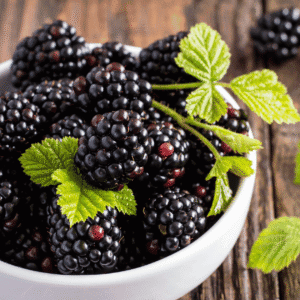
A major Harvard study published in the American Journal of Clinical Nutrition followed over 25,000 middle-aged and older men and found that higher total flavonoid intake was associated with a lower incidence of erectile dysfunction. Three specific flavonoid subclasses showed the strongest protective effect: anthocyanins (found in blueberries, blackberries, cherries, and red wine), flavanones (found in citrus fruits), and flavones (found in various fruits and vegetables).
The magnitude is notable. Men who consumed the most of these flavonoids had a meaningfully lower ED risk, and the researchers calculated that the benefit of eating flavonoid-rich foods was comparable to the benefit of several hours of brisk walking per week. In other words, diet rivaled exercise for this particular outcome.
The mechanism is vascular. Flavonoids improve endothelial function, increase nitric oxide availability, reduce inflammation, and improve arterial flexibility, all of which directly support the blood flow an erection requires.
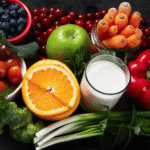
The best organic flavonoid sources include organic blueberries, blackberries, strawberries, cherries, citrus fruits, and dark chocolate. Our guides on organic blueberries and organic dark chocolate cover two of the richest anthocyanin and flavonoid sources in detail.
The Mediterranean and Plant-Forward Diet Evidence
Beyond individual nutrients, the overall dietary pattern matters enormously, and the Mediterranean diet has the strongest evidence of any eating pattern for erectile health.
A 2025 randomized controlled trial published in Scientific Reports examined the effects of a Mediterranean diet on sexual function in men and found measurable improvements in sexual function parameters. The Mediterranean pattern, rich in olive oil, fish, vegetables, fruits, legumes, nuts, and whole grains, supports erectile health through multiple pathways at once: it reduces inflammation, improves endothelial function, supports healthy weight, and improves cardiovascular health.
A 2025 narrative review in the Journal of Nutrition examined plant-based diets and erectile dysfunction, concluding that plant-forward eating patterns are associated with better erectile function, largely through their cardiovascular and anti-inflammatory benefits.
The practical takeaway is that no single “superfood” fixes erectile health. The overall pattern of eating, emphasizing whole plant foods, healthy fats, and minimal processed food, is what produces results. Our organic foods for men over 40 guide covers how this dietary pattern fits into the broader men’s health picture, since erectile health is deeply connected to testosterone, cardiovascular health, and metabolic health.
Key Nutrients and Foods for Erectile Health
Nitrate-Rich Vegetables for Nitric Oxide
Dietary nitrates, found in leafy greens and beets, are converted by the body into nitric oxide, the exact molecule that drives erections. Beets, spinach, arugula, and other leafy greens support the nitric oxide pathway directly. Our kale, collard, and mustard greens guide covers nitrate-rich leafy greens, though spinach and beets are the highest nitrate sources specifically.
L-Arginine and L-Citrulline
These amino acids are precursors the body uses to produce nitric oxide. L-citrulline, found in watermelon, is particularly effective because it converts to L-arginine and then to nitric oxide. Nuts, seeds, legumes, and watermelon are good sources. Our organic watermelons guide covers watermelon’s citrulline content.
Omega-3 Fatty Acids
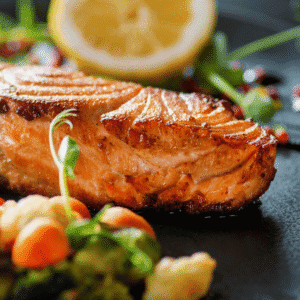
The omega-3s in fatty fish reduce inflammation and improve endothelial function, both of which support blood flow. Wild-caught salmon, sardines, and mackerel are the best sources. Our organic salmon nutrition guide covers the omega-3 evidence.
Zinc and the Testosterone Connection
Erectile health and testosterone are linked, and zinc supports both. Zinc is essential for testosterone production, and low testosterone can contribute to reduced libido and erectile difficulty. Oysters, organic grass-fed beef, and pumpkin seeds are top sources. Our zinc deficiency guide and foods that naturally boost testosterone guide cover the hormonal side of erectile health.
Dark Chocolate and Flavanols
The flavanols in organic dark chocolate (70% cacao or higher) improve blood flow and nitric oxide availability. A small daily portion is a legitimate, evidence-aligned addition. Our organic dark chocolate guide covers the cardiovascular and flavanol benefits.
Foods That Harm Erectile Health
Just as important as what to eat is what to limit.
| Food/Pattern | Why It Harms Erectile Function |
|---|---|
| Ultra-processed foods | Drive inflammation and endothelial dysfunction |
| Excess added sugar | Causes insulin resistance and blood vessel damage |
| Trans fats and seed oils | Promote atherosclerosis and inflammation |
| Excess alcohol | Impairs nerve signaling and lowers testosterone |
| High sodium processed foods | Raise blood pressure, damaging small arteries |
| Very high saturated fat (processed) | Contributes to arterial plaque |
The dietary pattern that harms erectile function is the same one that harms the heart: high in processed foods, added sugar, and damaged fats, low in plants and whole foods. For how processed foods affect metabolic and vascular health, our truth about frozen pizza guide breaks down the ultra-processed food problem.
Why Organic Matters for Erectile Health
Organic food choice supports erectile health in two specific ways beyond general nutrition.
First, organic produce consistently shows higher polyphenol and flavonoid concentrations than conventional equivalents. Since flavonoids are the compounds with the strongest erectile-health evidence, choosing organic berries, citrus, and leafy greens may deliver a higher dose of the exact protective compounds that matter.
Second, many conventional pesticides are endocrine disruptors that can impair testosterone and vascular function. A 2017 study in Human Reproduction found that men with high urinary pesticide metabolites had significantly lower testosterone. Choosing organic for high-residue produce reduces this exposure. Our dirty dozen and clean fifteen guide identifies which foods to prioritize organic, and several of the top flavonoid sources for erectile health (berries, cherries, leafy greens) also appear on the Dirty Dozen, making organic the doubly beneficial choice.
A Practical Erectile-Health Eating Framework
| Frequency | Organic Food | Benefit |
|---|---|---|
| Daily | Flavonoid-rich berries (blueberries, blackberries) | Anthocyanins improve endothelial function |
| Daily | Leafy greens or beets | Dietary nitrates boost nitric oxide |
| Daily | Olive oil as primary fat | Anti-inflammatory, vascular support |
| Daily | Small portion dark chocolate (70%+) | Flavanols improve blood flow |
| 2 to 3x/week | Wild-caught fatty fish | Omega-3s reduce inflammation |
| 2 to 3x/week | Zinc-rich foods (oysters, pumpkin seeds) | Support testosterone |
| Regular | Citrus fruits and watermelon | Flavanones and citrulline for nitric oxide |
Consistency and the overall pattern matter more than any single food. This framework is essentially the Mediterranean diet applied to erectile health, which is exactly what the research supports.
For building this into a complete organic eating approach, our health benefits of eating organic guide and organic food and hormonal balance guide cover the broader framework.
Diet Is One Part of the Picture
Diet meaningfully supports erectile health, but it works alongside other factors. Regular exercise, particularly aerobic activity, independently improves blood flow and erectile function. Adequate sleep supports testosterone and vascular health. Stress management matters because chronic stress and anxiety are significant contributors to erectile difficulty. And avoiding smoking is critical, since smoking directly damages the blood vessels erections depend on. Diet is a powerful lever, but it works best as part of an overall healthy lifestyle.
FAQs
Q1: Can diet really help with erectile dysfunction?
Yes, the research supports it. Erectile function depends on healthy blood flow and nitric oxide production, and diet directly influences both. A Harvard study of over 25,000 men found those eating the most flavonoid-rich foods had a significantly lower risk of erectile dysfunction, with benefits comparable to several hours of weekly exercise. A Mediterranean or plant-forward dietary pattern has the strongest overall evidence. Diet works best alongside exercise, good sleep, and not smoking.
Q2: What foods are best for erectile health?
The best-supported foods are flavonoid-rich fruits (blueberries, blackberries, cherries, citrus), nitrate-rich vegetables (leafy greens, beets) that boost nitric oxide, omega-3 fatty fish (salmon, sardines), dark chocolate (70%+ cacao) for its flavanols, and zinc-rich foods (oysters, pumpkin seeds) that support testosterone. Watermelon provides citrulline, which the body converts to nitric oxide. These foods support the blood flow that erections depend on.
Q3: Why is erectile dysfunction linked to heart health?
Both conditions share the same underlying cause: blood vessel health. An erection requires healthy blood flow and nitric oxide production, and the arteries supplying the penis are narrower than the coronary arteries, so they show the effects of vascular damage first. This is why erectile dysfunction is sometimes called the “canary in the coal mine” for heart disease, often appearing years before a cardiovascular diagnosis. The same diet that protects your heart protects erectile function.
Q4: Does the Mediterranean diet help erectile function?
Yes, it has the strongest evidence of any dietary pattern. A 2025 randomized controlled trial found measurable improvements in sexual function among men following a Mediterranean diet. The pattern, rich in olive oil, fish, vegetables, fruits, legumes, and nuts, supports erectile health by reducing inflammation, improving endothelial function, supporting healthy weight, and improving cardiovascular health, all of which underlie healthy blood flow.
Q5: What foods are bad for erectile health?
The foods that harm erectile function are the same ones that harm the heart: ultra-processed foods, excess added sugar, trans fats and industrial seed oils, excess alcohol, and high-sodium processed foods. These drive inflammation, endothelial dysfunction, insulin resistance, and arterial damage, all of which impair the blood flow erections require. Reducing these is as important as adding beneficial foods.
Q6: How do flavonoids improve erectile function?
Flavonoids are plant compounds that improve endothelial function, increase nitric oxide availability, reduce inflammation, and improve arterial flexibility, all of which support blood flow. A Harvard study found three flavonoid types had the strongest effect: anthocyanins (berries, cherries), flavanones (citrus), and flavones. Men eating the most of these had meaningfully lower erectile dysfunction risk. Organic berries, citrus, and dark chocolate are the richest sources.
Q7: Does organic food matter for erectile health?
Organic food supports erectile health in two ways. First, organic produce consistently shows higher flavonoid and polyphenol concentrations, and flavonoids have the strongest erectile-health evidence. Second, many conventional pesticides are endocrine disruptors linked to lower testosterone and impaired vascular function, so choosing organic reduces that exposure. Several top flavonoid sources for erectile health, including berries and leafy greens, also appear on the EWG Dirty Dozen, making organic the doubly beneficial choice.
Q8: How long does it take for diet to improve erectile function?
Dietary improvements to vascular and erectile health typically show over weeks to a few months of consistent change, since they work by gradually improving endothelial function and reducing inflammation rather than producing an immediate effect. Combining dietary changes with exercise, weight management, and better sleep accelerates results. Because erectile dysfunction can signal an underlying medical condition, persistent difficulty should be evaluated by a healthcare provider alongside any dietary changes.
The Bottom Line
The research is clear and consistent: erectile health depends on vascular health, and diet is one of the most powerful tools for protecting it. Flavonoid-rich foods have the strongest single-nutrient evidence, with a Harvard study showing benefits comparable to hours of weekly exercise. The Mediterranean and plant-forward dietary patterns have the strongest overall-pattern evidence, confirmed by 2025 research.
The organic whole-food approach supports erectile function through higher flavonoid content, better nitric oxide support from nitrate-rich vegetables, anti-inflammatory omega-3s, and reduced endocrine-disruptor exposure. Prioritize organic berries, leafy greens, olive oil, fatty fish, and dark chocolate, while cutting processed foods, added sugar, and damaged fats.
Because erectile dysfunction can be an early sign of cardiovascular disease, improving your diet for erectile health is one of the best investments you can make in your overall health.
Medical Disclaimer: This guide is for general educational purposes and is not medical advice. Erectile dysfunction can be an early warning sign of cardiovascular disease, diabetes, or other medical conditions, and it can also result from psychological, neurological, or medication-related causes. Persistent erectile difficulty should be evaluated by a healthcare provider, both to address the symptom and to screen for underlying conditions. Dietary changes support erectile health but are not a substitute for medical evaluation and care. Do not use diet as a replacement for professional treatment of a persistent concern.