Polycystic ovary syndrome affects roughly one in ten women of reproductive age, and for most of them, one hidden factor sits at the center of it: insulin resistance. It drives the hormonal chaos behind irregular cycles, acne, unwanted hair growth, and difficulty losing weight. It is also the factor that diet can influence most directly.
That is the hopeful part. While there is no cure for PCOS and no single miracle food, the right way of eating genuinely helps manage its core driver. The evidence does not point to an exotic or restrictive diet. It points to a sustainable, blood-sugar-friendly, anti-inflammatory pattern that most women can actually live with.
This guide covers what PCOS really is, the diet approaches with the strongest evidence, the organic foods that help, the honest truth about inositol, and how to build a PCOS-friendly plate, all as a complement to medical care, not a replacement for it.
Quick Summary: PCOS management through diet centers on improving insulin resistance, which drives most PCOS symptoms. The 2023 international PCOS guideline found no single diet composition clearly superior, so sustainability matters most. The best-supported approaches are a low-glycemic, blood-sugar-friendly diet, a Mediterranean-style anti-inflammatory pattern, and, where appropriate, modest weight loss of 5 to 10%. Helpful foods include high-fiber whole grains, legumes, non-starchy vegetables, oily fish, nuts, and berries. Diet complements medical treatment; it does not replace it.
Understanding PCOS and the Role of Insulin
PCOS is a hormonal and metabolic condition, not just a reproductive one, and understanding its engine makes the dietary approach make sense.
Most women with PCOS have some degree of insulin resistance, including many at a normal weight. When cells respond poorly to insulin, the body produces more of it, and that excess insulin stimulates the ovaries to make more androgens, or male-type hormones, while lowering the protein that binds them. The result is higher free testosterone, which drives irregular ovulation, acne, excess hair growth, and scalp hair thinning.
This is why blood sugar and insulin sit at the center of PCOS nutrition. Improve how the body handles insulin, and you address the root driver of many symptoms at once. Our foods for blood sugar balance guide and organic foods for hormonal balance guide cover the two systems PCOS sits between.
It is worth saying clearly that PCOS is a medical condition requiring proper diagnosis and care. Diet is a powerful tool for managing it, but it works best alongside a doctor’s guidance, not instead of it.
What the Evidence Actually Says About PCOS Diets
The internet is full of competing PCOS diet claims, so it helps to know what the research actually supports.
The most important finding is also the most freeing. The 2023 international PCOS guideline concluded that no single diet composition, whether low-carbohydrate, low-fat, or high-protein, is clearly superior for PCOS. What matters more is the overall quality of the diet and whether you can sustain it.
A few patterns do stand out within that. A low-glycemic diet has moderate evidence: in one 12-month trial, women following a low-GI diet were more likely to have regular cycles and showed greater gains in insulin sensitivity than those on a conventional healthy diet, despite similar weight loss. A Mediterranean-style anti-inflammatory pattern has the most plausible mechanism, supportive data, and a long safety record. And modest weight loss of 5 to 10%, where appropriate, has the strongest evidence of all for improving insulin sensitivity and restoring ovulation.
The practical synthesis is a sustainable pattern of slow carbohydrates, adequate protein, plenty of fiber, and healthy fats. Our plate method for blood sugar guide covers a simple framework that fits PCOS well, since the blood-sugar principles overlap closely.
One honest caveat: about one in five women with PCOS are at a lower weight, so calorie restriction is not right for everyone. The focus for them is diet quality and insulin sensitivity, not weight loss.
The Best Organic Foods for PCOS
These foods support stable blood sugar, lower inflammation, and hormonal balance, the three pillars of PCOS nutrition.
| Food Group | Why It Helps PCOS |
|---|---|
| High-fiber whole grains | Slow carbohydrates that steady blood sugar and insulin |
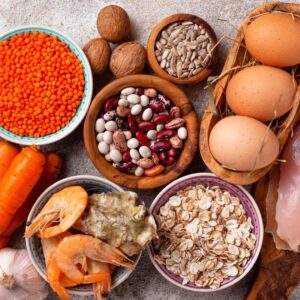
| Legumes (lentils, chickpeas, beans) | Fiber plus protein; natural inositol source |
| Non-starchy vegetables | Low-GI bulk, fiber, antioxidants |
| Oily fish (salmon, sardines) | Omega-3s lower inflammation and support hormones |
| Berries and low-GI fruit | Polyphenols with a gentle blood-sugar impact |
| Nuts and seeds | Healthy fats, magnesium, and inositol |
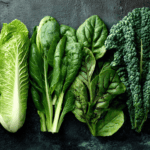
| Leafy greens | Nutrient-dense, anti-inflammatory, low-GI |
Slow carbohydrates are the foundation. Whole grains and legumes release glucose slowly, avoiding the insulin spikes that worsen PCOS. Our organic grains for blood sugar guide, organic lentils and beans guide, and organic chickpeas guide cover these staples.
Anti-inflammatory foods matter because PCOS involves chronic low-grade inflammation. Oily fish, berries, leafy greens, and olive oil lead here. Our organic anti-inflammatory foods guide, salmon and omega-3 guide, and organic dark leafy greens guide cover the most useful choices.
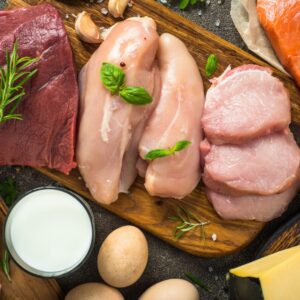
Protein and healthy fats help with satiety and blood-sugar stability. Our high-protein organic foods guide and organic nuts and seeds guide cover sources that fit a PCOS plate.
Inositol and PCOS: The Honest Picture
Inositol has become one of the most talked-about nutrients for PCOS, so it deserves a clear-eyed look.
Inositol is a sugar-like compound involved in how cells respond to insulin, and it has genuinely promising evidence for PCOS. Trials have most consistently shown improved insulin markers, with some improvement in ovulation and cycle regularity, and small reductions in testosterone. The Cochrane review rated the ovulation evidence as promising but low quality.
Here is the nuance that matters. Inositol occurs naturally in foods including beans, citrus fruit, whole grains, and nuts, so a diet rich in these supports your intake. But the clinical trials used concentrated supplements at doses that are difficult to reach from food alone, so food supports the picture rather than replicating the studies.
The sensible approach is to build a diet rich in natural inositol sources while treating any inositol supplement as a doctor-guided decision rather than a self-prescribed fix. Our organic lentils and beans guide and natural vitamin C food sources guide cover citrus and legumes that contribute inositol, and our food versus supplements guide covers how to think about this distinction.
Foods to Limit With PCOS
Because insulin is the driver, the foods to limit are largely those that spike blood sugar and fuel inflammation.
| Limit or Reduce | Why It Worsens PCOS |
|---|---|
| Refined sugar and sugary drinks | Spike insulin, the core PCOS driver |
| Refined carbs (white bread, pastries) | Fast glucose release worsens insulin resistance |
| Ultra-processed foods | Drive inflammation and blood-sugar swings |
| Excess saturated and fried foods | Add to inflammation |
| Sugary coffee drinks and juices | Hidden fast sugars |
The single highest-impact change for most women with PCOS is cutting refined sugar and refined carbohydrates, since these most directly spike the insulin that drives the condition. Replacing them with the slow carbohydrates above addresses the root problem. Our low-sugar organic snacks guide covers swaps that satisfy cravings without the spike.
Dairy and PCOS is a common question, and the honest answer is that evidence is mixed. There is no strong reason for most women with PCOS to cut dairy entirely, though some find low-fat or reduced dairy helps them individually.
Building a PCOS-Friendly Plate
Turning the evidence into meals is simpler than it sounds, and it echoes the balanced-plate principle used for blood sugar.
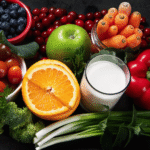
Fill half the plate with non-starchy vegetables. Leafy greens, broccoli, peppers, and similar add fiber and nutrients with minimal blood-sugar impact.
Add a quarter plate of protein. Fish, eggs, poultry, tofu, or legumes support satiety and stable blood sugar.
Keep carbohydrates slow and portioned. A quarter plate of whole grains or legumes rather than refined carbs.
Include healthy fats. Olive oil, nuts, seeds, and avocado for satiety and anti-inflammatory benefit.
Pair carbs with protein, fat, or fiber. This blunts the blood-sugar response, a simple habit that helps throughout the day. Our organic foods for women over 40 guide and hormonal balance foods for women guide cover the wider hormonal eating picture.
FAQs
1. What is the best diet for PCOS? No single diet is clearly superior; the 2023 international PCOS guideline found sustainability and overall quality matter most. The best-supported approaches are a low-glycemic, blood-sugar-friendly diet, a Mediterranean-style anti-inflammatory pattern, and, where appropriate, modest weight loss of 5 to 10%. The common thread is steadying insulin.
2. Why does insulin matter so much in PCOS? Most women with PCOS have some insulin resistance, including many at a normal weight. The resulting excess insulin stimulates the ovaries to produce more androgens and lowers the protein that binds them, raising free testosterone. This drives irregular cycles, acne, and excess hair, so improving insulin sensitivity addresses the root cause.
3. What foods should I eat with PCOS? Focus on high-fiber whole grains, legumes, non-starchy vegetables, oily fish, nuts and seeds, berries, and leafy greens. These steady blood sugar, lower inflammation, and support hormonal balance. Pairing slow carbohydrates with protein, fat, or fiber blunts blood-sugar spikes.
4. What foods should I avoid with PCOS? Limit refined sugar, sugary drinks, refined carbs like white bread and pastries, and ultra-processed foods, since these spike the insulin that drives PCOS. Cutting refined sugar and refined carbohydrates is usually the single highest-impact change, replacing them with slow carbohydrates.
5. Does inositol help with PCOS? The evidence is promising but low to moderate quality. Inositol most consistently improves insulin markers, with some benefit for ovulation and cycle regularity. It occurs naturally in beans, citrus, whole grains, and nuts, but trials used concentrated supplements, so any supplement should be a doctor-guided decision rather than a self-prescribed fix.
6. Can changing my diet cure PCOS? No. There is no cure for PCOS, and diet does not replace medical care. However, diet is one of the most powerful tools for managing its core driver, insulin resistance, and can meaningfully improve symptoms, cycles, and metabolic health as part of a plan guided by your healthcare team.
7. Do I need to lose weight to manage PCOS? Not necessarily. Modest weight loss of 5 to 10% has strong evidence for improving insulin sensitivity and ovulation in women with higher weight. But about one in five women with PCOS are at a lower weight, so for them the focus is diet quality and insulin sensitivity rather than calorie restriction.
8. Is a low-carb or keto diet best for PCOS? Not clearly. Low-carb diets show modest short-term improvements in insulin and testosterone, but the advantage narrows when calories are matched, and ketogenic evidence is very limited. A sustainable low-glycemic or Mediterranean pattern with slow carbohydrates tends to work better long term than very restrictive approaches.
The Bottom Line
PCOS is driven largely by insulin resistance, and that is exactly what diet can influence most. The reassuring message from the research is that no single restrictive diet is required: the 2023 international guideline found no one composition superior, so a sustainable, blood-sugar-friendly, anti-inflammatory pattern you can maintain beats any rigid plan. Low-glycemic eating, a Mediterranean-style approach, and modest weight loss where appropriate have the best support.
Build your plate around non-starchy vegetables, slow carbohydrates from whole grains and legumes, quality protein, oily fish, nuts, and berries, while cutting refined sugar and processed carbs. Foods rich in natural inositol add further support, with any supplement a decision for your doctor. Above all, remember that diet is a powerful complement to proper medical care for PCOS, working best as part of a plan guided by your healthcare team.
For the broader foundations, our guides on hormonal balance foods for women and the health benefits of eating organic cover eating for women’s hormonal health as a whole.
This article is for educational purposes and is not medical advice. PCOS is a medical condition that requires diagnosis and management by a healthcare professional. Dietary changes and any supplements, including inositol, should be discussed with your doctor, especially if you are trying to conceive, are pregnant, or take medication.