Type 2 diabetes affects 37 million Americans. Most cases are preventable through dietary choices. Food is the primary tool for managing blood glucose, losing weight, and reversing prediabetes.
Organic foods for diabetes deliver superior blood sugar control compared to conventional alternatives. The absence of pesticide residues protects pancreatic function. The higher nutrient density supports metabolic health. The absence of processing chemicals eliminates disruption to glucose regulation.
This guide covers which foods stabilize blood sugar, why organic sourcing matters for diabetics, practical meal strategies, and which organic foods deliver the most powerful glycemic control benefits.
Understanding Blood Sugar Management Through Food
Glycemic Index vs. Glycemic Load
Glycemic Index (GI) measures how quickly a food raises blood glucose. Glycemic Load (GL) accounts for portion size and total carbohydrate content.
A food can have moderate GI but high GL if consumed in large quantities. Diabetics must consider both metrics when selecting foods.
Example: Watermelon has high GI but low GL in realistic portion sizes because it is mostly water. A one-cup serving has minimal impact on blood glucose.
Fiber’s Critical Role
Dietary fiber slows glucose absorption, preventing blood sugar spikes. Soluble fiber (beans, oats, apples) creates viscous gel that slows stomach emptying.
Insoluble fiber (vegetables, whole grains) provides bulk that supports healthy digestion and microbiome function. A healthy microbiome improves insulin sensitivity.
Our guide on psyllium husk benefits covers how soluble fiber supplements support blood sugar management.
Micronutrient Impact on Glucose Metabolism
Chromium, zinc, magnesium, and B vitamins are essential for insulin production and glucose metabolism. Nutrient density directly impacts blood sugar control.
Conventional crops grown in depleted soil contain 20 to 50 percent fewer minerals than organic crops. This nutrient deficit impairs glucose metabolism.
Our guide on zinc deficiency covers how mineral deficiency undermines metabolic function.
Best Organic Foods for Blood Sugar Control
Non-Starchy Vegetables: The Foundation
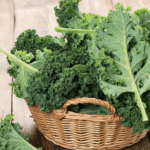
Organic leafy greens, broccoli, cauliflower, and Brussels sprouts have minimal carbohydrate content and maximum micronutrient density. These should comprise 50 percent of every diabetic meal.
One cup of organic spinach contains only 1 gram carbohydrate, infinite trace minerals, and powerful antioxidants that reduce inflammation.
Our guide on organic spinach covers why organic cruciferous vegetables are critical for disease prevention.
Legumes: Fiber-Rich Protein
Organic lentils, chickpeas, and beans provide 15 to 25 grams fiber per cup while containing complete proteins. The combination of fiber and protein creates sustained satiety and prevents blood sugar spikes.
Despite containing carbohydrates, legumes have low glycemic load due to high fiber content. A one-cup serving raises blood glucose gradually and minimally.
Our guide on organic kidney beans discusses legume preparation that maximizes nutrient absorption and minimizes anti-nutrients.
Nuts and Seeds: Healthy Fats
Organic almonds, walnuts, and seeds provide healthy fats, protein, and fiber with minimal carbohydrates. A one-ounce serving contains 3 to 4 grams net carbohydrate.
The fat and fiber in nuts slow carbohydrate absorption, preventing blood sugar spikes when eaten with higher-carbohydrate foods.
Nuts reduce overall inflammation and improve insulin sensitivity through multiple mechanisms. Daily nut consumption is associated with 25 percent lower type 2 diabetes risk.
Low-Glycemic Fruits: Portion-Controlled
Organic berries (blueberries, raspberries, strawberries) contain minimal carbohydrates and maximum antioxidants. A one-cup serving contains 12 to 15 grams carbohydrate with 3 to 4 grams fiber.
Organic apples contain pectin, a soluble fiber that slows glucose absorption. One medium apple contains 21 grams carbohydrate with 3 grams fiber, resulting in low glycemic load.
Our guide on cold-pressed organic juice discusses why whole fruit is superior to juice for diabetics.
Avoid high-glycemic fruits: bananas, tropical fruits, dried fruits, and fruit juices. These deliver rapid glucose spikes unsuitable for diabetes management.
Fish and Organic Meat: Protein Without Glucose
Wild salmon provides omega-3 fatty acids that reduce inflammation and improve insulin sensitivity. Organic beef and chicken provide complete proteins without carbohydrates.
Protein stabilizes blood glucose by slowing carbohydrate absorption. Every meal should include protein source.
Avoid processed meats. Organic whole meat is the appropriate choice for diabetics.
Why Organic Sourcing Matters for Diabetics
Pesticide Exposure and Pancreatic Dysfunction
Chronic pesticide exposure impairs pancreatic beta cells that produce insulin. Diabetics and prediabetics are particularly vulnerable to pesticide-induced pancreatic damage.
A 2023 study in Environmental Health Perspectives found that participants with highest pesticide exposure had 46 percent higher type 2 diabetes risk compared to lowest exposure groups.
Organic foods eliminate this exposure, protecting pancreatic function and improving insulin production.
Nutrient Density and Metabolic Support
Organic crops grown in healthy soil contain 20 to 50 percent higher mineral concentrations than conventional crops. These minerals are essential for glucose metabolism.
Chromium deficiency impairs insulin function. Magnesium deficiency reduces insulin sensitivity. Zinc deficiency impairs glucose regulation. Organic foods contain adequate amounts of all three.
Our guide on regenerative organic agriculture covers how soil health directly impacts nutrient density in crops.
Absence of Processing Chemicals
Conventional foods often contain additives that disrupt glucose metabolism: refined sugar, high-fructose corn syrup, artificial sweeteners, and emulsifiers.
Organic foods contain these substances far less frequently. Eating organic naturally reduces exposure to metabolically disrupting chemicals.
Our guide on how to spot fake organic products covers verification that products are truly organic.
Blood Sugar Control Through Food Combinations
The Plate Strategy
Fill half your plate with organic non-starchy vegetables. Fill one quarter with protein source (fish, organic meat, legumes). Fill one quarter with complex carbohydrate (organic grains, legumes, sweet potato).
This ratio provides balanced macronutrients that prevent blood sugar spikes while delivering sustained energy.
Fiber First, Then Carbohydrates
When eating meals with carbohydrates, consume fiber-rich foods first. This slows glucose absorption and prevents sharp blood sugar spikes.
Eat salad before eating grains. Eat legumes with your carbohydrates. Add psyllium husk to meals containing higher-glycemic foods.
Protein and Fat with Every Meal
Combine carbohydrates with protein and healthy fat. This slows carbohydrate absorption and prevents insulin spikes.
An apple with almond butter has minimal blood glucose impact compared to an apple alone. Berries with full-fat yogurt are superior to berries alone.
Organic Foods for Diabetes: Complete Reference
| Food | Serving Size | Net Carbs | Glycemic Load | Blood Sugar Impact |
|---|---|---|---|---|
| Organic spinach | 1 cup raw | 1g | 1 | Minimal |
| Organic broccoli | 1 cup cooked | 5g | 2 | Minimal |
| Organic blueberries | 1 cup | 18g | 10 | Low |
| Organic apple | 1 medium | 21g | 6 | Low |
| Organic lentils | 1 cup cooked | 20g | 5 | Low |
| Organic almonds | 1 oz | 3g | 0 | Minimal |
| Wild salmon | 3 oz | 0g | 0 | Minimal |
| Organic chicken breast | 3 oz | 0g | 0 | Minimal |
| Organic kidney beans | 1 cup cooked | 20g | 6 | Low |
| Sweet potato (organic) | 1 medium | 20g | 11 | Moderate |
Net carbs = total carbs minus fiber. Glycemic load below 10 is low, 11-19 is moderate.
Dietary Approaches for Diabetes Management
Lower-Carbohydrate Approach
For those with significant hyperglycemia, reducing carbohydrates to 50 to 100 grams daily produces rapid blood glucose improvement and weight loss.
Focus on non-starchy vegetables, proteins, and healthy fats. Minimize all grains, legumes, and fruits initially.
As blood glucose improves, gradually reintroduce low-glycemic carbohydrates while monitoring response.
Mediterranean Approach
Emphasize olive oil, fish, legumes, vegetables, and whole grains. This balanced approach is sustainable long-term and effective for blood glucose control.
The Mediterranean diet has been proven to reverse prediabetes and improve type 2 diabetes outcomes in multiple clinical trials.
Intermittent Fasting
Consuming all food within a 6 to 8-hour eating window allows insulin levels to lower during fasting periods. This improves insulin sensitivity over time.
Intermittent fasting combined with organic whole foods produces profound blood glucose improvement. Many diabetics reduce medication requirements.
Our guide on organic diet and immunity covers how dietary patterns impact metabolic health.
Foods to Eliminate for Diabetes Management
Refined Carbohydrates
White bread, white rice, pastries, cookies, and processed snacks cause rapid blood glucose spikes. Eliminate these completely.
Even “whole wheat” refined products spike blood glucose significantly. Whole grain varieties are superior but still require moderation.
Sugar and Sweetened Products
Added sugars in beverages, desserts, and processed foods directly raise blood glucose and promote insulin resistance. Eliminate completely.
Artificial sweeteners may maintain unhealthy taste preferences and potentially disrupt glucose metabolism. Whole foods without sweetness are preferable.
Our guide on organic cane sugar discusses why even organic sweeteners require strict limitation for diabetics.
Processed Foods
Ultra-processed foods contain multiple ingredients that disrupt glucose metabolism: refined carbohydrates, added sugars, industrial oils, and chemical additives.
Organic whole foods are your foundation. Everything else should be eliminated.
Supplemental Support for Blood Sugar Control
Chromium
Chromium enhances insulin signaling and improves glucose tolerance. Supplementation of 200 to 400 micrograms daily shows benefit in clinical studies.
Magnesium
Magnesium is required for insulin secretion and glucose metabolism. Deficiency is common in type 2 diabetes. Supplementation of 300 to 400mg daily improves glucose control.
Alpha Lipoic Acid
This antioxidant improves insulin sensitivity and reduces neuropathic pain in diabetics. Dosing of 300 to 600mg daily shows clinical benefit.
Cinnamon
Cinnamon compounds improve insulin sensitivity and glucose utilization. Regular consumption shows modest but measurable blood glucose improvement.
Our guide on organic cinnamon discusses cinnamon sourcing and application.
Psyllium Husk
Soluble fiber supplement improves glucose control through multiple mechanisms. Daily consumption of 10 to 15 grams shows significant blood glucose reduction.
Our guide on psyllium husk benefits covers specific protocols for blood sugar management.
The Bottom Line
Type 2 diabetes is largely preventable and reversible through dietary choices. Organic whole foods provide the nutrient density, minimal chemical exposure, and low-glycemic properties needed for blood glucose control.
Start today. Eliminate refined carbohydrates and processed foods. Fill your plate with organic vegetables, proteins, and healthy fats.
Monitor blood glucose response to foods. Track what works for your body. Make adjustments based on your individual response.
Within weeks, you will see measurable blood glucose improvement, weight loss, and energy increase. Within months, you may reduce medication requirements.
Food is your most powerful medicine. Use it wisely.
Frequently Asked Questions
Q1: What is the best organic diet for type 2 diabetes? A diet emphasizing organic non-starchy vegetables (50% of plate), lean proteins (25% of plate), and complex carbohydrates (25% of plate) provides optimal blood glucose control. Include fiber-rich foods at every meal. Combine carbohydrates with protein and healthy fats to slow glucose absorption. Minimize processed foods, refined carbohydrates, and added sugars completely.
Q2: Which organic fruits are safe for diabetics? Low-glycemic organic fruits include berries (blueberries, raspberries, strawberries) with 12-15g carbs per cup, apples with 21g carbs per medium fruit, and organic avocado with minimal carbohydrates. Avoid high-glycemic fruits: bananas, tropical fruits, dried fruits, and fruit juices. Portion control is essential even with low-glycemic fruits.
Q3: Why is organic food better for diabetes management? Organic foods contain 20-50% higher mineral concentrations essential for glucose metabolism (chromium, magnesium, zinc). Organic foods eliminate pesticide exposure that impairs pancreatic function. Studies show pesticide exposure increases type 2 diabetes risk by 46%. Organic foods lack processing chemicals that disrupt glucose regulation.
Q4: How does fiber help manage blood sugar? Soluble fiber slows glucose absorption, preventing blood sugar spikes. Insoluble fiber supports healthy digestion and microbiome function. A healthy microbiome improves insulin sensitivity. Organic vegetables, legumes, and whole grains provide both fiber types. Psyllium husk supplements can enhance fiber intake for additional glucose control.
Q5: Can type 2 diabetes be reversed through diet? Type 2 diabetes is largely preventable and reversible through sustained dietary changes. Weight loss of 10-15% combined with organic whole food diet can restore normal glucose tolerance. Mediterranean diet and lower-carbohydrate approaches both show reversal in clinical trials. Individual results depend on adherence and baseline condition severity.
Q6: What organic supplements support blood sugar control? Chromium (200-400mcg daily) enhances insulin signaling. Magnesium (300-400mg daily) supports insulin secretion. Alpha lipoic acid (300-600mg daily) improves insulin sensitivity. Cinnamon shows modest benefit. Psyllium husk (10-15g daily) improves glucose control. Food sources are preferable, but supplementation is appropriate when deficiencies exist.
Q7: How quickly will organic food changes affect blood glucose? Blood glucose response to dietary changes occurs within days for some individuals. Energy improvement is typically noticeable within 1-2 weeks. Weight loss and more significant glucose improvement require 4-8 weeks of consistent whole food intake. Medication requirements may decrease as glucose control improves.
Q8: Is organic food more expensive for a diabetic diet? Initial perception suggests higher cost, but eliminating processed foods and beverages offsets organic produce prices. A whole-food organic diet costs significantly less than processed conventional diet. Health improvement reduces medication costs and medical expenses. Long-term investment in organic food produces substantial cost savings.