Heart disease is the leading cause of death for men, and it does not wait for old age to begin. Research published in 2026 found that men’s heart disease risk starts climbing by the mid-30s, roughly seven years earlier than women’s. For many men, the arteries are quietly narrowing a decade or more before any symptom appears.
There is also a warning sign most men never connect to their heart. Erectile dysfunction often shows up years before chest pain, because the small arteries involved are damaged by the same process that clogs the coronary arteries, just sooner. The body gives men an early alert, and diet is one of the most powerful ways to respond to it.
This guide covers why men face earlier cardiovascular risk, the surprising link between heart and sexual health, and the organic foods with the strongest evidence for protecting a man’s heart.
Quick Summary: Heart disease is the top killer of men, and their risk rises earlier than women’s, often by the mid-30s. The dietary pattern with the strongest evidence is a Mediterranean-style diet rich in vegetables, fruit, whole grains, legumes, oily fish, nuts, and olive oil, which lowers heart attack and stroke risk. Key protective foods include oats and legumes for cholesterol, oily fish for omega-3s, leafy greens and berries for blood pressure and antioxidants, and olive oil and nuts for healthy fats. Erectile dysfunction can be an early warning sign worth acting on.
Why Men Face Earlier Cardiovascular Risk
Cardiovascular disease is not an equal-opportunity threat across the sexes, at least not in timing. Men tend to develop it earlier, with a 2026 study finding that men’s risk begins rising meaningfully by their mid-30s, about seven years ahead of women.
Several factors drive this. Men tend to carry more visceral fat around the organs, often have higher blood pressure earlier in life, and lose the relative protection that estrogen appears to give women before menopause. Lifestyle patterns, including diet and alcohol, often compound it.
The practical message is that men cannot afford to treat heart health as a concern for later life. The groundwork, good or bad, is laid in the 30s and 40s. The encouraging flip side is that diet is one of the most effective levers available, and it works at any age.
For the general foundations of eating for your heart, our organic food and heart health guide covers the broad picture that this article builds on for men specifically.
The Heart-Sexual Health Connection Men Should Know
This is the link that tends to get men’s attention, and for good reason. Erectile dysfunction is often an early warning sign of cardiovascular disease, not a separate problem.
The reason is mechanical. Both erections and heart function depend on healthy blood vessels and good blood flow, and both are undermined by the same process: endothelial dysfunction, or damage to the lining of the arteries, followed by plaque buildup. The arteries supplying the penis are narrower than those supplying the heart, so when this process begins, it shows up there first, sometimes years before any chest pain.
In other words, the body gives men an early alarm. Erectile changes with no obvious physical cause can be a signal to look at cardiovascular health, and the same diet that protects the heart supports healthy circulation throughout the body.
Our diet for erectile health guide covers this connection in depth, and our foods to boost testosterone guide covers the hormonal side that overlaps with cardiovascular health.
The Dietary Pattern With the Strongest Evidence
When it comes to protecting the heart, no single food matters as much as the overall pattern, and one pattern stands above the rest. The Mediterranean diet has the strongest and most consistent evidence of any eating pattern for cardiovascular protection.
Umbrella reviews and large trials consistently find that a Mediterranean-style diet reduces the risk of heart attack, stroke, and cardiovascular death. It is not a fad; it is the most robustly supported heart-protective diet in nutrition science.
The pattern is simple to describe. It centers on vegetables, fruit, whole grains, legumes, nuts, and olive oil, includes fish and seafood regularly, uses poultry and dairy in moderation, and keeps red and processed meat and refined sugar low. Every component maps onto a cardiovascular benefit.
For men, the appeal is that this is a generous, satisfying way to eat rather than a restrictive one. Our health benefits of eating organic guide covers how this whole-food pattern delivers its wide-ranging effects.
The Best Organic Foods for a Man’s Heart
Within that pattern, several foods carry particularly strong cardiovascular evidence. Here is what each does.
| Food | Heart Benefit |
|---|---|
| Oily fish (salmon, sardines) | Omega-3s lower triglycerides and inflammation |
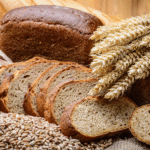
| Oats and barley | Beta-glucan fiber lowers LDL cholesterol |
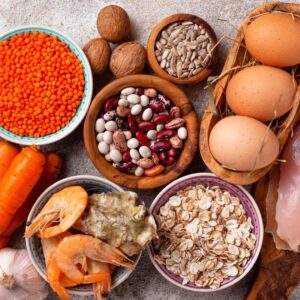
| Legumes (lentils, beans) | Fiber and protein improve cholesterol and blood sugar |
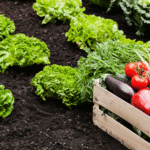
| Leafy greens | Nitrates and potassium support healthy blood pressure |
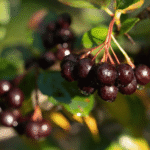
| Berries | Polyphenols improve vessel function and lower pressure |
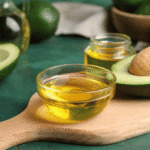
| Olive oil | Monounsaturated fat and polyphenols protect arteries |
| Nuts | Healthy fats linked to lower heart disease risk |
| Avocado | Monounsaturated fat and potassium support the heart |
Oily fish is a cornerstone, delivering the omega-3s most consistently tied to lower cardiovascular risk. Our salmon and omega-3 guide and organic fish buying guide cover how to choose the best sources.
Soluble fiber from oats and legumes actively lowers LDL cholesterol by binding it in the gut. Our organic oats and cholesterol guide, foods for high cholesterol guide, and psyllium husk guide cover the fibers that make the biggest difference.
Blood-pressure foods matter because hypertension is a leading male risk factor. Leafy greens and berries lead here, covered in our organic dark leafy greens guide, berries for heart health guide, and potassium-rich organic foods guide.
Healthy fats from olive oil, nuts, and avocado replace the saturated fats that raise cholesterol. Our organic olive oil guide, organic nuts and seeds guide, and avocado guide cover these.
The Three Numbers Men Should Watch
Diet works on the heart largely by moving three measurable markers. Understanding them turns vague “eat healthy” advice into something targeted.
Cholesterol, specifically LDL, drives the plaque that narrows arteries. Soluble fiber from oats and legumes, healthy fats replacing saturated fat, and weight loss all lower it. Our foods for high cholesterol guide covers the dietary levers.
Blood pressure is a top male risk factor, and diet moves it meaningfully. Potassium from fruits and vegetables, nitrates from leafy greens, and lower sodium and alcohol all help. The polyphenols in berries and the pattern of the whole Mediterranean diet contribute.
Blood sugar matters because insulin resistance and type 2 diabetes sharply raise cardiovascular risk. Stable blood sugar from whole foods, fiber, and limited refined carbs protects the vessels. Our foods for blood sugar balance guide covers this.
The common thread is that the same whole-food, fiber-rich, plant-forward pattern improves all three at once, which is why it is so effective.
What to Cut, Not Just What to Add
Protecting the heart is as much about removing harm as adding benefit, and a few items carry outsized risk for men.
| Limit or Avoid | Why It Harms the Heart |
|---|---|
| Processed and red meat | Linked to higher cardiovascular risk |
| Refined sugar and sugary drinks | Drive weight gain, blood sugar, and triglycerides |
| Trans fats and fried foods | Raise LDL and lower HDL cholesterol |
| Excess sodium | Raises blood pressure |
| Excess alcohol | Raises blood pressure and triglycerides |
Ultra-processed foods are the common denominator behind most of these, and they make up a large share of the typical male diet. Simply shifting from processed convenience food toward whole foods addresses several risk factors at once. Our organic anti-inflammatory foods guide covers the whole-food swaps that lower the inflammation underlying heart disease.
Stress and poor sleep also raise cardiovascular risk, and they tie back to diet. Our cortisol-lowering foods guide covers the stress-hormone connection worth addressing alongside diet.
A Practical Heart-Health Framework for Men
Putting it into practice does not require perfection, just a consistent direction.
Build meals the Mediterranean way. Fill the plate with vegetables, add whole grains and legumes, use olive oil, and make fish a regular feature.
Eat oily fish twice a week. This covers the omega-3s most tied to lower cardiovascular risk.
Get soluble fiber daily. Oats, beans, and lentils actively lower cholesterol.
Lean on greens and berries. They support healthy blood pressure and vessel function.
Cut the ultra-processed foods. Reducing processed meat, sugar, and fried food addresses several risk factors at once.
Act on early signals. If you notice erectile changes with no obvious cause, treat it as a prompt to check your cardiovascular health, not just a standalone issue. Our organic foods for men over 40 guide covers the wider framework as risk rises with age.
FAQs
1. What foods are best for men’s heart health?
A Mediterranean-style pattern has the strongest evidence: vegetables, fruit, whole grains, legumes, oily fish, nuts, and olive oil. Standouts are oily fish for omega-3s, oats and beans for cholesterol, leafy greens and berries for blood pressure, and olive oil and nuts for healthy fats.
2. Why do men get heart disease earlier than women?
Research suggests men’s cardiovascular risk starts climbing by the mid-30s, about seven years earlier than women’s. Men tend to carry more visceral fat, often have higher blood pressure earlier, and lack the pre-menopausal protection estrogen appears to give women. Diet and lifestyle can compound it.
3. Is erectile dysfunction linked to heart disease?
Yes, often as an early warning sign. Erections and heart function both depend on healthy blood vessels, and both are harmed by endothelial damage and plaque. Because penile arteries are smaller than coronary arteries, the problem can show up there years before chest pain, making ED a prompt to check heart health.
4. What is the best diet for a man’s heart?
The Mediterranean diet has the most robust evidence of any eating pattern for lowering heart attack, stroke, and cardiovascular death. It centers on plants, whole grains, legumes, fish, nuts, and olive oil while keeping red and processed meat, refined sugar, and fried food low.
5. What foods lower cholesterol in men?
Soluble fiber is the key. Oats and barley contain beta-glucan that binds cholesterol in the gut, and legumes do the same. Replacing saturated fats with the healthy fats in olive oil, nuts, and avocado also lowers LDL. Psyllium is another effective soluble fiber.
6. What foods help lower blood pressure?
Potassium-rich foods like leafy greens, beans, and bananas, nitrate-rich greens like spinach, and polyphenol-rich berries all support healthy blood pressure. Reducing sodium and alcohol matters too. The overall Mediterranean pattern consistently lowers blood pressure.
7. How does diet affect men’s heart disease risk?
Diet works largely through three markers: LDL cholesterol, blood pressure, and blood sugar. A whole-food, fiber-rich, plant-forward pattern improves all three at once, which is why it is so effective. Cutting processed meat, sugar, and fried food reduces several risk factors simultaneously.
8. Can diet reverse heart disease in men?
Diet cannot cure established heart disease, but it can slow or improve risk factors substantially and is a core part of prevention and management alongside medical care. Strong dietary patterns lower the risk of heart attack and stroke, but men with heart disease need a doctor’s guidance, not diet alone.
The Bottom Line
Heart disease is the leading threat to men’s lives, and it begins earlier than most men expect, with risk climbing from the mid-30s. The body even provides an early warning in the form of erectile changes, driven by the same vascular damage that threatens the heart. Diet is one of the most powerful tools to change that trajectory, and it works at any age.
The evidence points clearly to a Mediterranean-style pattern built on vegetables, whole grains, legumes, oily fish, nuts, and olive oil, with oats and beans for cholesterol, greens and berries for blood pressure, and a sharp reduction in processed meat, sugar, and fried food. Eat for your arteries now, and you protect your heart, your circulation, and your performance together.
For the broader foundations, our guides on organic food and heart health and organic foods for men over 40 cover eating for men’s cardiovascular health in full.
This article is for educational purposes and is not medical advice. Cardiovascular disease requires proper medical evaluation and management, and men with risk factors, symptoms, or concerns, including erectile dysfunction, should see a doctor rather than relying on diet alone. Do not stop any prescribed heart medication without medical guidance.