Zinc might be the most important mineral most men never think about. It is required to make testosterone, to produce healthy sperm, to run the immune system, and to heal wounds, yet it is one of the more common shortfalls in the male diet. The body cannot store it, so it needs a steady supply from food every day.
The internet has turned zinc into a testosterone-boosting supplement, which has created a misleading picture. The honest version is more useful: zinc is essential, and correcting a shortfall genuinely helps men’s hormones and health, but loading up beyond what you need does nothing and can cause harm. The goal is sufficiency, from food first.
This guide covers what zinc actually does for men, the real evidence on zinc and testosterone, the best organic food sources with their amounts, and how to get enough without reaching for a pill.
Quick Answer: Zinc is essential for men’s testosterone production, fertility, and immunity, and the body needs a daily supply because it cannot store it. The RDA for men is 11 mg per day. The best food sources are oysters by far, followed by beef, pumpkin seeds, lentils, chickpeas, and yogurt. Importantly, zinc only raises testosterone in men who are deficient; in men with enough, extra zinc does nothing. Animal sources are better absorbed than plant sources, so plant-based men should eat more.
Why Zinc Matters So Much for Men
Zinc is involved in hundreds of processes, but several are especially relevant to men’s health. It is a building block for testosterone production, a critical component of healthy sperm, and essential for the immune cells that defend the body. It also supports wound healing, taste and smell, and skin health.
For men specifically, the testosterone and fertility roles stand out. Zinc is concentrated in the prostate and in seminal fluid, where it is directly involved in sperm formation and function. A shortfall shows up in these systems first, which is why low zinc is linked to low testosterone and poor sperm quality.
The catch is that the body has no zinc storage depot to draw on. Unlike iron or vitamin D, zinc must be replenished daily through diet, which makes consistent intake from food the whole game.
For the full picture of the nutrients that support male hormones, our foods to boost testosterone guide and organic food and hormonal balance guide cover how zinc fits alongside the others.
Zinc and Testosterone: The Honest Evidence
This is where most zinc content misleads men, so it is worth being precise. The claim that zinc boosts testosterone is only half true, and the missing half matters.
Zinc raises testosterone only in men who are deficient. The famous foundation for the claim is a 1996 study in which young men placed on a low-zinc diet saw their testosterone fall, and older men with mild deficiency who were supplemented saw their testosterone rise from a low starting point. In other words, correcting a deficiency restores testosterone to normal.
What the evidence does not show is that extra zinc pushes testosterone above normal in men who already have enough. No trial has demonstrated that, and systematic reviews rate the hype-driven claims as low quality. Surplus zinc does nothing useful for hormones, and chronic high intake can actually cause harm by depleting copper.
So the practical takeaway is clear. If you are low in zinc, fixing it through food genuinely helps your testosterone. If you already get enough, more will not turn you into a different man. Our low testosterone diet guide covers the deficiency-correction approach, and our food versus supplements guide covers why food beats chasing megadoses.
The Best Organic Zinc-Rich Foods
Here are the top food sources of zinc, with approximate amounts per serving against the 11 mg daily target for men. Oysters are in a league of their own, but a mix of the others covers the requirement comfortably.
| Organic Food | Zinc (approx. per serving) | Share of Daily Need |
|---|---|---|
| Oysters | 32 mg per 3 oz | Far exceeds daily need |
| Grass-fed beef | 5 mg per 3 oz | About half |
| Crab | 3 mg per 3 oz | About a quarter |
| Pumpkin seeds | 2+ mg per oz | About a fifth |
| Chickpeas | 2+ mg per cup | About a fifth |
| Lentils | 1+ mg per half cup | About a tenth |
| Yogurt | 2 mg per cup | About a fifth |
| Cashews | 1.5 mg per oz | About an eighth |
Oysters are the single richest common source of zinc on the planet, which is the kernel of truth behind the old reputation of oysters as food for male vitality. A few oysters cover a man’s daily zinc several times over.
For men who do not eat oysters, grass-fed beef is the most practical high-zinc staple. Our grass-fed beef nutrition guide covers why it delivers zinc alongside iron and protein. Pumpkin seeds are the standout plant source, and our organic nuts and seeds guide covers them along with cashews and other seeds.
For shellfish and fish choices, our organic fish buying guide covers how to pick quality seafood, and for plant sources, our organic chickpeas guide and organic lentils and beans guide cover legumes that contribute steady zinc.
Animal Versus Plant Zinc: The Absorption Problem
Not all dietary zinc is equal, and this matters a great deal for plant-based men. Zinc from animal foods is absorbed far more efficiently than zinc from plants.
The reason is phytates, compounds found in legumes, grains, nuts, and seeds that bind zinc and block its absorption. So while chickpeas and lentils contain zinc on paper, the body takes up less of it than the number suggests.
This is why vegetarians and vegans may need up to 50% more zinc than the standard recommendation, and why plant-based men are among the groups most prone to a shortfall. The fix is not to avoid plant sources but to eat more of them and to use preparation tricks that reduce phytates.
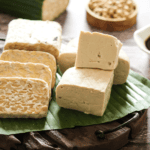
Soaking, sprouting, and fermenting legumes, grains, and seeds all lower their phytate content and free up more zinc for absorption. This is one reason fermented soy like tempeh is a smart choice. Our plant-based organic protein guide and organic tempeh guide cover how to build a plant diet that actually delivers its minerals.
Signs a Man Might Be Low in Zinc
Because zinc touches so many systems, a shortfall shows up in several ways. None of these is proof of low zinc on its own, since each can have other causes, but together they are worth noticing.
| Possible Sign | Why Zinc Is Involved |
|---|---|
| Low libido or sexual issues | Zinc supports testosterone and reproductive function |
| Frequent colds and infections | Zinc is essential for immune cell function |
| Slow wound healing | Zinc drives tissue repair |
| Hair thinning | Zinc supports hair follicle health |
| Loss of taste or smell | Zinc is required for these senses |
| Poor concentration | Zinc plays a role in brain function |
The men most likely to be low include those on plant-based diets, heavy drinkers, older men, and those with digestive conditions that impair absorption. If several signs line up, the right step is a conversation with a doctor rather than self-diagnosis, since the symptoms overlap with many other issues. Our zinc deficiency guide covers the signs and correction in more depth.
Zinc for Fertility and Immunity: What to Expect
Beyond testosterone, two other zinc roles matter to men, and both follow the same deficiency-correction pattern.
For fertility, severe zinc deficiency can lower sperm count and quality, and correcting it helps in that case. But it is not a universal fertility booster. A large trial of more than 2,000 men seeking fertility care found that zinc plus folic acid did not improve semen quality or live birth rates over placebo. So zinc matters if you are deficient, not as a blanket fertility supplement. Our diet for male fertility guide covers the fuller fertility picture.
For immunity, zinc is essential for the immune cells and barrier tissues that fight infection. Deficiency weakens immunity, and correcting it restores function. Zinc lozenges started early may modestly shorten a cold, but extra zinc does not strengthen an already healthy immune system. Our organic diet and immunity guide covers the nutrients that support immune health together.
A Practical Zinc Framework for Men
Getting enough zinc from food is simple once you know the pattern.
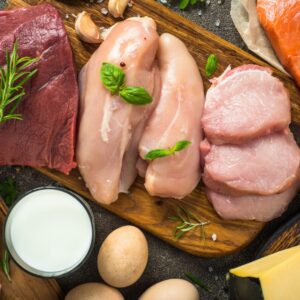
Anchor meals with a zinc-rich protein. Grass-fed beef, shellfish, poultry, eggs, or oysters a few times a week make the target easy to hit.
Add seeds and legumes daily. Pumpkin seeds, chickpeas, and lentils contribute steady zinc, especially valuable for plant-based men.
Prepare plant sources well. Soak, sprout, or ferment legumes and grains to cut phytates and absorb more of their zinc.
Do not megadose. More zinc than you need offers no hormonal benefit and can deplete copper. Food-level amounts are safe; high-dose supplements should be doctor-guided.
Fix a real shortfall if you have one. If you are in an at-risk group or have symptoms, address it through food first and see a doctor if it persists. Our organic foods for men over 40 guide covers zinc within the wider nutrient picture as men age.
FAQs
1. What are the best zinc-rich foods for men? Oysters are by far the richest source, with about 32 mg in a 3 oz serving, several times a man’s daily need. After that, grass-fed beef, crab, pumpkin seeds, chickpeas, lentils, yogurt, and cashews all contribute. A mix of animal protein and seeds easily covers the target.
2. How much zinc do men need per day? The recommended daily allowance for adult men is 11 mg. Because the body cannot store zinc, men need a steady supply from food every day. Vegetarians and vegans may need up to 50% more, since plant sources are less well absorbed.
3. Does zinc boost testosterone? Only in men who are deficient. Correcting a zinc shortfall restores testosterone to normal, which is the real basis for the claim. But no evidence shows that extra zinc raises testosterone above normal in men who already get enough, and surplus zinc offers no hormonal benefit.
4. What are the signs of zinc deficiency in men? Possible signs include low libido or sexual issues, frequent colds, slow wound healing, hair thinning, loss of taste or smell, and poor concentration. None is specific to zinc, so they warrant a medical check rather than self-diagnosis, especially in at-risk groups.
5. Is zinc from meat better than zinc from plants? Yes, in terms of absorption. Zinc from animal foods is taken up more efficiently, while plant sources contain phytates that bind zinc and reduce absorption. Plant-based men should eat more zinc-rich plants and use soaking, sprouting, or fermenting to free up more of the mineral.
6. Does zinc help male fertility? It helps if you are deficient. Severe zinc deficiency can lower sperm count and quality, and correcting it helps in that case. However, a large trial found zinc plus folic acid did not improve semen quality or live birth rates in men overall, so it is not a blanket fertility booster.
7. Who is most at risk of low zinc? Vegetarians and vegans, because plant phytates reduce absorption; heavy drinkers; older men; and people with digestive conditions like Crohn’s or celiac disease that impair absorption. Most men eating a mixed diet with some animal protein get enough.
8. Should men take a zinc supplement? Usually not, if they eat a varied diet. Food is the better route, and more zinc than you need offers no benefit while chronic high doses can deplete copper and cause harm. If you are in an at-risk group or have symptoms, address it through food first and see a doctor before supplementing.
The Bottom Line
Zinc is genuinely important for men, central to testosterone, fertility, and immunity, and because the body cannot store it, a daily supply from food is essential. The honest science is that correcting a zinc shortfall meaningfully helps these systems, while loading up beyond sufficiency does nothing useful and can cause harm.
The best approach is food first. Oysters are the richest source by far, grass-fed beef is the most practical staple, and pumpkin seeds, legumes, and yogurt round out the picture. Plant-based men need to eat more zinc and prepare their sources well, because phytates limit absorption. Aim for sufficiency, not excess, and let whole organic food do the work.
For the broader foundations, our guides on organic foods for men over 40 and the health benefits of eating organic cover eating for men’s health as a whole.
This article is for educational purposes and is not medical advice. Symptoms such as low libido, fatigue, or fertility concerns can have many causes, and persistent symptoms or suspected deficiency should be evaluated by a doctor rather than self-treated with high-dose supplements, which can cause harm.