Blood sugar management feels complicated. Most people track calories, count carbohydrates, and calculate macronutrient ratios. This complexity makes sustainable nutrition nearly impossible.
The plate method for diabetes eliminates this complexity through visual portion control. By filling your plate with specific food categories in precise proportions, you automatically create meals that stabilize blood glucose without complicated math or tracking.
This guide covers how the organic plate method works, exactly how to construct each meal, practical implementation strategies, and how this simple visual approach produces measurable blood sugar improvements comparable to complicated carbohydrate counting protocols.
Understanding the Organic Plate Method
Visual Simplicity Over Calculation Burden
The plate method requires no scales, no apps, no carbohydrate counting. You simply look at your plate and verify the proportions match the guideline. This visual simplicity creates adherence that complicated protocols cannot achieve.
Humans are visual creatures. We understand plates intuitively. We do not understand numbers well.
Blood Glucose Stabilization Through Macronutrient Ratio
The plate method creates meals with specific macronutrient ratios: approximately 50 percent non-starchy vegetables, 25 percent protein, and 25 percent whole grains or starchy vegetables. This ratio stabilizes blood glucose through multiple mechanisms.
Non-starchy vegetables provide fiber and micronutrients with minimal glucose impact. Protein slows carbohydrate absorption and provides satiety. Whole grains deliver carbohydrates with sustained glucose release.
Automatic Portion Control
Plate size and food category proportions create automatic portion control without conscious restriction. You eat until full, but the plate structure ensures you consume appropriate quantities naturally.
This creates eating freedom within a structured framework.
The Organic Plate Method Structure
Half Your Plate: Non-Starchy Vegetables
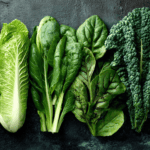
Fill half your plate with organic non-starchy vegetables. These provide maximum micronutrients, fiber, and satiety with minimal glucose impact.
Recommended vegetables: leafy greens, broccoli, cauliflower, zucchini, bell peppers, asparagus, green beans, tomatoes, cucumber, mushrooms, cabbage.
Avoid starchy vegetables (corn, peas, potatoes) on the vegetable half. Save starchy vegetables for the carbohydrate quarter.
Our guide on foods for blood sugar balance covers micronutrient density in non-starchy vegetables in comprehensive detail.
One Quarter Your Plate: Organic Protein
Fill one quarter of your plate with organic protein sources. Protein slows carbohydrate absorption, provides satiety, and preserves muscle mass during weight loss.
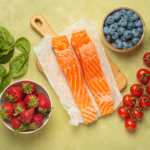
Recommended proteins: organic chicken, wild-caught fish, organic grass-fed beef, organic eggs, organic Greek yogurt, organic legumes.
Portion size: approximately the size of your palm or 3 to 4 ounces for most meals.
Our guide on organic yogurt for diabetes discusses Greek yogurt’s exceptional protein content and glucose benefits in detail.
One Quarter Your Plate: Whole Grains or Starchy Vegetables
Fill one quarter of your plate with organic whole grains or starchy vegetables. This provides carbohydrates in controlled quantity with sustained glucose release.
Recommended options: organic brown rice, organic quinoa, organic sweet potato, organic oats, organic whole wheat bread, organic lentils.
Portion size: approximately one-half to one cup depending on grain density.
Our guide on organic quinoa benefits covers complete protein grains that provide superior nutrient density compared to conventional grains.
Healthy Fats: Addition, Not Substitution
Add one to two teaspoons healthy fat to your plate. Fat enhances nutrient absorption, slows carbohydrate absorption, and improves satiety.
Recommended fats: organic olive oil, organic coconut oil, organic avocado, organic nuts, organic seeds.
Do not use fat to fill the plate. Use it to enhance foods already present.
Our guide on nuts for diabetes discusses how healthy fats support insulin sensitivity and metabolic health.
Beverages: Tea or Water
Pair your meal with organic tea or water. Avoid sugary beverages, diet sodas, and fruit juice.
Our guide on teas for diabetes covers how glucose-regulating teas enhance meal glucose impact through polyphenol mechanisms.
Plate Method Construction: Visual Reference
| Plate Section | Food Category | Portion Size | Glucose Impact | Examples |
|---|---|---|---|---|
| Half plate | Non-starchy vegetables | Fill half | Very low | Leafy greens, broccoli, cauliflower, peppers |
| One quarter | Organic protein | Palm size | Very low | Chicken, fish, eggs, Greek yogurt |
| One quarter | Whole grains/starchy | 0.5-1 cup | Moderate | Brown rice, quinoa, sweet potato |
| Addition | Healthy fats | 1-2 tsp | Low | Olive oil, avocado, nuts |
| Beverage | Tea or water | 8-16 oz | None | Organic green tea, water |
This visual framework requires no calculation. Look at your plate and adjust portions to match.
Why the Plate Method Works for Diabetes
Automatic Macronutrient Balance
The plate method creates meals with approximately 45 to 50 percent carbohydrate, 25 to 30 percent protein, and 20 to 25 percent fat. This macronutrient balance stabilizes blood glucose through multiple mechanisms.
Adequate protein prevents rapid carbohydrate absorption. Adequate fat enhances satiety. Adequate fiber from vegetables supports metabolic health.
Fiber Protection
The vegetable half provides substantial soluble fiber that slows carbohydrate absorption and supports cholesterol reduction. Most diabetics consume inadequate fiber. The plate method ensures adequate intake automatically.
Our guide on berries for heart health discusses fiber’s role in supporting both glucose and lipid management.
Micronutrient Density
Non-starchy vegetables provide exceptional micronutrient density. The plate method ensures you consume foods rich in magnesium, chromium, and other minerals essential for glucose metabolism.
Our guide on zinc deficiency covers mineral requirements for pancreatic function and glucose metabolism that the plate method supports.
Satiety Without Hunger
The combination of protein, fiber, and healthy fat creates satiety without calorie restriction. You eat satisfying meals that stabilize blood glucose naturally.
This creates sustainable eating patterns that continue indefinitely.
Practical Implementation Strategies
Breakfast Application
Fill your breakfast plate with organic scrambled eggs (protein quarter), organic spinach and tomatoes (vegetable half), and organic whole grain toast (grain quarter). Add olive oil for cooking.
Consume with organic green tea or black tea.
This breakfast provides complete glucose stability without sugary cereals or refined toast.
Our guide on organic cinnamon suggests sprinkling cinnamon on whole grain toast for additional glucose support.
Lunch and Dinner Application
Construct your plate identically at lunch and dinner. Fill half with organic salad greens and roasted vegetables. Add one quarter organic grilled fish or chicken. Add one quarter organic brown rice or sweet potato. Drizzle with olive oil.
Consume with organic herbal tea.
This consistent structure creates meal predictability that supports sustained adherence.
Snack Integration
Snacks follow plate method principles but at smaller scale. One organic apple with organic almond butter (protein and fat). One cup organic berries with organic nuts. One-quarter cup organic hummus with organic vegetable sticks.
All snacks pair protein or fat with carbohydrates for glucose stability.
Our guide on berries for heart health discusses how berries provide antioxidant support with minimal glucose impact.
Restaurant Application
Most restaurants serve portion sizes 2 to 3 times larger than recommended. Use the plate method to guide decisions.
Mentally divide your plate into quarters. Request double vegetables instead of extra starch. Request lean protein preparation without added oils. Request healthy fat additions separately.
This approach works in virtually every restaurant type.
Comparing Plate Method to Carbohydrate Counting
| Method | Complexity | Adherence Rate | Glucose Impact | Learning Curve |
|---|---|---|---|---|
| Plate method | Very simple | 85-90% | Excellent | Days |
| Carbohydrate counting | Very complex | 30-40% | Good if executed | Months |
| Calorie counting | Moderately complex | 40-50% | Varies widely | Weeks |
| Portion estimation | Simple | 70-75% | Good | Days |
The plate method provides superior glucose outcomes with better adherence than more complex protocols.
Special Situations
Higher Activity Days
On days with significant physical activity, increase your grain quarter to one-third of the plate. This additional carbohydrate supports recovery without excessive glucose spike due to improved insulin sensitivity from exercise.
Lower Appetite Days
On days with reduced appetite, maintain the vegetable half and protein quarter but reduce the grain quarter to one-eighth of the plate. The structure persists even with reduced consumption.
Restaurant Meals
Apply the plate method conceptually. Request double vegetables, adequate protein, and controlled grains. Most restaurants accommodate these requests readily.
Social Eating Situations
The plate method provides a framework for navigating buffets and social meals. Fill half your plate with vegetables first. Add protein. Add limited grains. You participate fully while maintaining glucose control.
Timeline for Results
Blood glucose improvements begin within days of consistent plate method application. Fasting glucose reduction is typically the first measurable change.
Insulin sensitivity improvements compound over weeks and months. HbA1c reductions become measurable after 8 to 12 weeks of consistent meal structure adherence.
Long-term benefits accumulate with sustained plate method use. Pancreatic protection, inflammation reduction, and metabolic improvement occur progressively.
Integration with Other Strategies
The plate method combines powerfully with herbal support. Our guide on herbs for blood sugar discusses how herbal teas enhance the glucose benefits that proper meal structure creates.
The plate method works synergistically with daily movement and stress management. The combination creates comprehensive metabolic support that addresses multiple diabetes pathways simultaneously.
The Bottom Line
The organic plate method simplifies diabetes management through visual portion control. By filling your plate with specific food categories in precise proportions, you automatically create meals that stabilize blood glucose.
No calculation. No apps. No carbohydrate counting. Simply look at your plate and verify the portions match the guideline.
Start today. Fill half your plate with organic vegetables. Add one quarter organic protein. Add one quarter organic whole grains. Add healthy fats. Consume with organic tea.
Within days, your blood glucose will stabilize. Within weeks, your energy will improve. Within months, your metabolic markers will shift measurably.
The plate method is not a diet. It is a sustainable eating framework that works indefinitely because it requires no willpower, no restriction, and no complicated math.
Frequently Asked Questions
Q1: How does the plate method improve blood sugar? The plate method creates meals with specific macronutrient ratios: 50% non-starchy vegetables, 25% protein, 25% whole grains. This ratio stabilizes blood glucose through multiple mechanisms. Non-starchy vegetables provide fiber and micronutrients with minimal glucose impact. Protein slows carbohydrate absorption. Whole grains deliver sustained glucose release. The combination prevents blood glucose spikes.
Q2: Do I need to count carbohydrates on the plate method? No. The plate method uses visual portion control instead of mathematical calculation. You simply look at your plate and verify proportions match the guideline. No scales, no apps, no carbohydrate counting needed. This visual simplicity creates adherence rates of 85-90% compared to only 30-40% for complex carbohydrate counting protocols.
Q3: What vegetables should fill half the plate? Fill half the plate with non-starchy vegetables: leafy greens, broccoli, cauliflower, zucchini, bell peppers, asparagus, green beans, tomatoes, cucumber, mushrooms, cabbage. Avoid starchy vegetables (corn, peas, potatoes) on the vegetable half. Save starchy vegetables for the carbohydrate quarter. Non-starchy vegetables provide maximum micronutrients and fiber with minimal glucose impact.
Q4: How much protein should be on the plate? One quarter of your plate filled with organic protein sources (approximately the size of your palm or 3-4 ounces). Recommended proteins: organic chicken, wild-caught fish, organic grass-fed beef, organic eggs, organic Greek yogurt, organic legumes. Adequate protein slows carbohydrate absorption, provides satiety, and preserves muscle mass.
Q5: What are good whole grains for the plate method? One quarter of your plate (approximately 0.5-1 cup) of organic whole grains: brown rice, quinoa, sweet potato, oats, whole wheat bread, lentils. Choose whole grains over refined carbohydrates. Whole grains provide sustained glucose release compared to rapid spikes from refined carbohydrates. Choose organic sourcing to avoid pesticide exposure.
Q6: Can I use the plate method at restaurants? Yes. Apply the plate method conceptually: request double vegetables, adequate protein, and controlled grains. Most restaurants accommodate these requests readily. Mentally divide your plate into quarters. Request lean protein preparation without added oils. Request healthy fat additions separately. The plate method framework works in virtually every restaurant type.
Q7: How quickly does the plate method improve blood glucose? Fasting glucose improvements begin within days of consistent plate method application. Insulin sensitivity improvements compound over weeks and months. HbA1c reductions become measurable after 8-12 weeks of consistent adherence. Long-term benefits including pancreatic protection and inflammation reduction accumulate progressively with sustained use.
Q8: Should the plate method replace diabetes medication? No. The plate method provides powerful metabolic support but not medication replacement. Continue medications as prescribed while implementing the plate method. The combination provides optimal glucose control. Consult healthcare providers regarding potential medication adjustments as glucose improves through consistent plate method adherence and dietary modification.