The conversation about menopause tends to start and stop at hot flashes. They are the symptom everyone knows, but they are not the one that matters most for a woman’s long-term health. The bigger story is quieter: in the first five to seven years after menopause, bone loss accelerates sharply, heart disease risk climbs, muscle becomes harder to hold, and fat shifts toward the middle.
The reassuring news is that diet has real influence over every one of those changes. Not through a miracle food or a restrictive plan, but through a sustainable, nutrient-dense pattern that protects the bones, heart, and muscle a woman will rely on for decades. The symptom relief is a welcome bonus; the long-term protection is the main event.
This guide covers what actually changes during perimenopause and menopause, the honest evidence on foods for hot flashes and phytoestrogens, and the organic diet that protects a woman through the transition and beyond.
Quick Summary: The most important dietary priorities during and after menopause are protecting bone, heart, and muscle, since bone loss speeds up and heart risk rises after menopause. That means enough protein (1.0 to 1.2 g/kg), calcium (about 1,200 mg daily), vitamin D, and fiber, within a Mediterranean-style anti-inflammatory pattern. For symptoms, limiting alcohol, caffeine, sugar, and spicy foods can reduce hot flashes for some women. Soy and phytoestrogens may offer modest, inconsistent symptom relief, and whole soy foods are safe and healthy.
What Actually Changes in Perimenopause and Menopause
Perimenopause is the transition leading up to menopause, often starting in the 40s, when estrogen and progesterone fluctuate erratically. Menopause itself is marked by twelve months without a period. The symptoms people notice, hot flashes, night sweats, mood shifts, and irregular cycles, come from these hormonal swings.
But the changes that matter most for long-term health run deeper than symptoms. As estrogen declines, several things happen: bone loss accelerates, with the fastest loss in the first five to seven years after menopause; LDL cholesterol tends to rise and heart disease risk increases; muscle becomes harder to maintain; and fat redistributes toward the abdomen.
This is why menopause nutrition is really about protection, not just symptom management. The goal is to support the bones, heart, and muscle through a period when the body loses some of its natural hormonal protection. Our organic foods for women over 40 guide and hormonal balance foods for women guide cover the wider hormonal picture this builds on.
Bone Health: The Urgent Priority
If one priority stands above the rest during menopause, it is protecting bone. The drop in estrogen triggers rapid bone loss, and the window right after menopause is when the most bone is lost, making nutrition especially important then.
Three nutrients do the heavy lifting. Calcium is the building block, with women aged 51 and over needing about 1,200 mg daily. Vitamin D is essential for absorbing it, at 600 IU up to age 70 and 800 IU after. And protein, often overlooked for bone, provides the collagen framework that mineral is laid onto.
Food sources are preferred over supplements, since supplement trials show only modest fracture benefit. Dairy, leafy greens, and fortified foods supply calcium, while oily fish and eggs supply vitamin D. Our calcium absorption foods guide, vitamin D food sources guide, and vitamin K2 food sources guide cover the nutrients that work together for bone, since vitamin K2 helps direct calcium into bone.
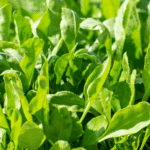
Leafy greens deserve special mention for delivering calcium, vitamin K, and magnesium together. Our organic dark leafy greens guide covers the best options.
Protein and Muscle: Protecting Strength
Menopause accelerates the natural loss of muscle that comes with age, and that loss matters for metabolism, strength, and staying mobile and independent later in life. Diet is a primary defense.
Protein needs rise during this stage. While the official baseline is 0.8 grams per kilogram of body weight, experts suggest 1.0 to 1.2 grams per kilogram for women in midlife to preserve muscle, which is roughly 70 to 85 grams a day for many women. Spreading it across meals, aiming for 25 to 30 grams each, helps the body use it best.
This protein also supports bone, satiety, and stable blood sugar, making it one of the highest-value dietary changes. Our daily protein intake guide and high-protein organic foods guide cover how to hit the target, and our organic Greek yogurt guide covers a convenient source that doubles as a calcium provider.
Pairing adequate protein with strength training is the most effective combination for preserving muscle through menopause, and the two work far better together than either alone.
Heart Health: The Rising Risk
Heart disease is the leading cause of death in women after menopause, and the loss of estrogen’s protective effect is a key reason. LDL cholesterol tends to rise, and cardiovascular risk climbs, making heart-protective eating a menopause priority.
The strongest evidence points to a Mediterranean-style diet. In a large randomized trial of higher-risk adults, about half of them women, a Mediterranean diet reduced major cardiovascular events by roughly 30%. It is the most robustly supported heart-protective pattern available.
Soluble fiber is a specific lever here, lowering LDL cholesterol by 5 to 10% in trials, and most women fall short of the recommended intake. Oats, beans, and psyllium lead the way. Our organic oats and cholesterol guide, foods for high cholesterol guide, and organic food and heart health guide cover the heart-protective approach. Oily fish twice a week adds omega-3s, covered in our salmon and omega-3 guide.
Soy, Phytoestrogens, and Hot Flashes: The Honest Evidence
Phytoestrogens, the plant compounds in soy and flaxseed that weakly mimic estrogen, are the most hyped part of menopause nutrition, so an honest look matters.
The evidence is genuinely mixed. Some pooled analyses suggest soy isoflavones modestly reduce hot flashes, by roughly one to two episodes a day, though the effect is smaller than hormone therapy and takes several weeks. But a 2025 meta-analysis found no significant effect on hot flashes specifically, while noting possible benefits for mood and some other symptoms. The fair summary is that soy may offer modest, inconsistent relief for some women, not a reliable fix.
What is clear is that whole soy foods are safe and healthy. Observational data show no increased breast cancer risk from whole soy foods like tofu, tempeh, and edamame, and they are quality plant protein. Concentrated isoflavone supplements have thinner safety data, so women with hormone-sensitive cancer should consult their oncology team. Our organic tempeh guide and plant-based organic protein guide cover soy foods.
Flaxseed is another phytoestrogen source with gentle, if limited, evidence, and ground flaxseed is easy to add to meals. The sensible approach is to enjoy these whole foods for their overall benefits without expecting them to eliminate symptoms.
Foods That Trigger or Worsen Hot Flashes
For many women, what they remove matters as much as what they add. Several dietary triggers are linked to more frequent or intense hot flashes.
| Trigger | Evidence Strength |
|---|---|
| Alcohol | Good evidence; the best-documented trigger |
| Sugar and refined carbs | Indirect; high-GI diets linked to more hot flashes |
| Caffeine | Mixed; affects some women, not others |
| Spicy food | Weak; plausible but mostly anecdotal |
Alcohol is the most consistently supported trigger, and avoiding it in the hours before bed also improves the sleep that night sweats disrupt. For sugar and caffeine, the effect varies by person, so a simple two-week trial with a symptom diary is the best way to learn your own triggers. Our foods for blood sugar balance guide covers the stable-blood-sugar eating that may help, and our sleep and nutrition guide covers the diet-sleep connection that matters during a time of disrupted sleep.
Managing Weight and the Midsection Shift
Many women notice weight settling around the middle during menopause, driven by falling estrogen, muscle loss, and a slower metabolism. It is frustrating, and no single food targets belly fat, but the overall approach genuinely helps.
The combination that works is higher protein to preserve muscle and satiety, plenty of high-fiber plants for fullness and blood sugar, unsaturated fats, and strength training two or three times a week to protect the muscle that keeps metabolism up. Poor sleep from night sweats also raises hunger, so addressing sleep supports weight too.
Our organic food for weight loss guide and foods for blood sugar balance guide cover the whole-food approach that supports a healthy weight through the transition, without the restrictive dieting that tends to cost muscle.
A Practical Menopause Nutrition Framework
Bringing it together, here is how to eat through perimenopause and menopause.
Prioritize protein at every meal. Aim for 1.0 to 1.2 g/kg daily, 25 to 30 grams per meal, to protect muscle and bone.
Protect your bones daily. Hit calcium and vitamin D targets from food, with leafy greens, dairy, oily fish, and fortified options.
Eat the Mediterranean way for your heart. Vegetables, whole grains, legumes, oily fish, olive oil, and nuts, with plenty of soluble fiber.
Enjoy whole soy and flax without overexpecting. Safe and healthy, with modest and inconsistent symptom benefit.
Identify your own symptom triggers. Limit alcohol, and use a two-week diary to spot whether sugar, caffeine, or spice affect you. Our organic foods for PMS guide and organic anti-inflammatory foods guide cover related hormonal and inflammation support.
FAQs
1. What foods should I eat during menopause? Prioritize protein at every meal, calcium and vitamin D for bone health, and a Mediterranean-style pattern of vegetables, whole grains, legumes, oily fish, olive oil, and nuts for your heart. These protect the bone, heart, and muscle that lose estrogen’s natural protection, which matters more than any single symptom food.
2. What foods help with hot flashes? No food reliably eliminates hot flashes. The most effective dietary step is limiting alcohol, the best-documented trigger. Soy and flaxseed may offer modest, inconsistent relief for some women. Identifying your own triggers with a two-week diary, covering sugar, caffeine, and spicy food, tends to help more than chasing specific foods.
3. Do phytoestrogens and soy help menopause symptoms? The evidence is mixed. Some analyses suggest soy isoflavones modestly reduce hot flashes by one to two a day, while a 2025 meta-analysis found no significant effect on hot flashes specifically, though possible benefits for mood. Whole soy foods are safe and healthy regardless, so enjoy them for overall benefits rather than as a guaranteed fix.
4. Why is protein so important during menopause? Menopause accelerates age-related muscle loss, which affects metabolism, strength, and independence. Protein needs rise to about 1.0 to 1.2 grams per kilogram of body weight, roughly 70 to 85 grams a day for many women, ideally 25 to 30 grams per meal. Protein also supports bone, satiety, and stable blood sugar.
5. How do I protect my bones during menopause? Bone loss is fastest in the first five to seven years after menopause, so nutrition matters most then. Aim for about 1,200 mg of calcium and 600 to 800 IU of vitamin D daily, preferably from food, plus adequate protein and vitamin K. Dairy, leafy greens, oily fish, and fortified foods are key sources, alongside strength training.
6. Does menopause increase heart disease risk? Yes. Heart disease is the leading cause of death in women after menopause, partly because the loss of estrogen raises LDL cholesterol and cardiovascular risk. A Mediterranean-style diet has strong evidence, reducing major cardiovascular events by about 30% in one large trial, and soluble fiber from oats and beans lowers LDL.
7. Why am I gaining weight around my middle in menopause? Falling estrogen, muscle loss, and a slower metabolism shift fat toward the abdomen. No food targets belly fat directly, but higher protein, high-fiber plants, unsaturated fats, and strength training two to three times a week support a healthy weight and preserve the muscle that keeps metabolism up.
8. Should I take supplements during menopause? Food is the preferred source for most nutrients, and calcium supplement trials show only modest fracture benefit with some heart concerns at high doses. Vitamin D supplements can help if you are low. Any supplement, including soy isoflavone products, should be discussed with your doctor, especially with blood thinners, thyroid medication, or hormone-sensitive conditions.
The Bottom Line
Menopause nutrition is less about chasing symptom cures and more about protecting the bones, heart, and muscle that lose some of estrogen’s natural protection during the transition. The priorities are clear and evidence-backed: enough protein to preserve muscle and bone, calcium and vitamin D for the skeleton during its most vulnerable window, and a Mediterranean-style, fiber-rich pattern for the heart as cardiovascular risk rises.
For symptoms, the honest picture is that limiting alcohol and identifying personal triggers helps more reliably than any single food, while whole soy and flax offer modest, inconsistent relief worth enjoying for their broader benefits. Eat to protect your future health, and the symptom relief follows as part of a nutrient-dense, sustainable pattern.
For the broader foundations, our guides on organic foods for women over 40 and the health benefits of eating organic cover eating for women’s health through every stage.
This article is for educational purposes and is not medical advice. Perimenopause and menopause affect each woman differently, and symptoms, bone health, heart health, and any supplement or hormone therapy decisions should be discussed with your doctor. Seek prompt medical evaluation for any vaginal bleeding that occurs twelve or more months after your last period.