

Most packaged snacks are designed to spike your blood sugar. Refined flour, added sugar, and minimal fiber push glucose up fast and drop it just as quickly, leaving you tired and reaching for something else within the hour.
The fix is not avoiding snacks. It is choosing snacks with the right combination of fiber, protein, and healthy fat. When those three elements come from organic, minimally processed sources, you also avoid the synthetic additives and pesticide residues that add metabolic burden without nutritional benefit.
This guide covers the best low-sugar organic snacks for blood sugar stability, what labels to check, and which food combinations work best for diabetics and anyone managing glucose levels.
Why the Right Snack Matters for Blood Sugar
The glycemic index (GI) ranks carbohydrate foods from 0 to 100 based on how fast they raise blood glucose. Foods scoring 55 or below are classified as low GI. Research published in Food Science (2024) confirms that low-GI dietary patterns stabilize postprandial blood glucose, improve satiety, and reduce glucose fluctuations in people with type 2 diabetes.
But GI alone does not tell the full story. The most blood-sugar-stable snacks combine three features:
- High fiber to slow glucose absorption from the gut
- Adequate protein to blunt the insulin response and extend fullness
- Healthy fats to slow gastric emptying and reduce post-meal spikes
The 2025 ADA and IDF guidelines reinforce this: snacks combining slow-digesting carbohydrates with protein and healthy fats produce measurably more stable glucose responses than carbohydrate-only snacks.
For the broader context of how dietary choices affect metabolic health, our guide on Organic Food and Heart Health covers the cardiovascular side of blood sugar management in detail.
GI Reference: Common Snack Foods at a Glance
| Snack | GI Range | Blood Sugar Impact |
|---|---|---|
| Raw almonds, walnuts, pecans | 0 to 15 | Negligible |
| Chia seeds, flaxseeds | 0 to 10 | Negligible |
| Organic hummus | 6 to 25 | Very low |
| Plain organic yogurt (full fat) | 20 to 30 | Low |
| Roasted chickpeas | 28 to 35 | Low |
| Organic berries | 25 to 40 | Low |
| Organic apple with nut butter | 36 to 40 | Low |
| Low-sugar organic oat bars | 40 to 55 | Low to moderate |
| Plain rice cakes | 70 to 80 | High |
| Conventional granola bars | 55 to 75 | Moderate to high |
| Fruit juice | 65 to 80 | High |
GI values sourced from the international GI database and 2024 peer-reviewed nutritional research.
10 Best Low-Sugar Organic Snacks
1. Raw or Dry-Roasted Organic Nuts
Almonds, walnuts, and pistachios have GI values near zero. A 28-gram serving of almonds delivers 6 grams of protein, 14 grams of healthy fat, and 3.5 grams of fiber. Walnuts add omega-3 fatty acids that reduce inflammation linked to insulin resistance.
Choose certified organic, dry-roasted or raw, with no added sugar, coatings, or flavoring oils.
2. Organic Chia Seed Pudding
Chia seeds have a GI near zero and absorb up to 12 times their weight in liquid, forming a gel in the gut that dramatically slows sugar absorption. Two tablespoons provide 10 grams of fiber and 5 grams of protein.
Mix 2 tablespoons of organic chia seeds into unsweetened almond milk overnight. Top with a small handful of organic blueberries for natural sweetness without a glucose spike.
3. Organic Hummus with Raw Vegetables
Hummus carries a GI of just 6 to 25. It combines chickpea fiber, plant protein, and olive oil into a snack that actively moderates blood sugar rather than raising it. Research confirms chickpea-based meals significantly reduce glucose responses compared to wheat-based equivalents.
Pair with organic carrots, cucumber slices, or bell pepper strips for extra fiber and crunch.
4. Organic Full-Fat Plain Yogurt with Berries
Plain organic yogurt has a GI between 20 and 30. Full-fat versions digest more slowly than low-fat alternatives because fat slows gastric emptying. The probiotic cultures also support gut health, which emerging research links to improved insulin sensitivity.
Top with 80 grams of organic strawberries or blueberries. Avoid flavored yogurts, which often hide 15 to 25 grams of added sugar per serving. Our guide on Organic Yogurt and Kefir covers how to choose quality probiotic-rich options.
5. Organic Apple Slices with Almond Butter
Whole organic apples have a GI of 36 to 40 thanks to pectin, a soluble fiber that forms a gel in the intestine and slows glucose release. Pairing apple slices with 1 to 2 tablespoons of organic almond butter adds protein and fat that further blunts the response.
This combination keeps blood sugar stable for 2 to 3 hours. Organic apples matter here because conventionally grown apples rank near the top of the EWG Dirty Dozen list for pesticide residue. Our guide on Apples covers varieties, nutrition, and buying tips.
6. Roasted Organic Chickpeas
Roasted chickpeas provide 7 grams of protein and 6 grams of fiber per half-cup, with a GI of 28 to 35. Buy certified organic brands that use only chickpeas, olive oil, and sea salt.
Avoid versions listing maltodextrin, dextrose, or any sweetener in the ingredient panel. These are common in conventional roasted chickpea snacks and elevate the effective glycemic load significantly.
7. Organic Pumpkin Seeds or Sunflower Seeds
Seeds are among the lowest-GI portable snacks available. Pumpkin seeds deliver magnesium, critical for insulin function, along with zinc and plant protein. A 28-gram serving provides 8.5 grams of protein, 1.7 grams of fiber, and 5 grams of healthy fat.
Magnesium deficiency is disproportionately common in people with type 2 diabetes, making pumpkin seeds a particularly useful daily snack choice.
8. Organic Edamame
Edamame is one of the few plant foods with a complete amino acid profile. A half-cup of shelled edamame provides 9 grams of protein, 4 grams of fiber, and a GI below 25. It is naturally low in sugar and rich in isoflavones linked to improved cardiovascular risk factors in diabetes.
Frozen organic edamame is inexpensive, ready in 5 minutes, and travels well. Limit portions to around half a cup.
9. Organic Dark Chocolate (70%+ Cacao)
Dark chocolate with 70% or more cacao has a GI between 23 and 32. It provides flavonoids that support blood vessel function and reduce oxidative stress. A 20 to 25 gram serving (2 to 3 small squares) delivers meaningful flavonoid content without a significant blood sugar impact.
Choose certified organic bars with minimal ingredients: cacao, cacao butter, and a small amount of unrefined sweetener. Our breakdown of organic cane sugar explains the difference between organic and refined sweeteners in packaged foods.
10. Organic Nut Butter (No Added Sugar)
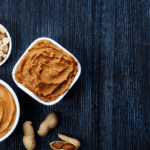
Organic nut butters have a GI near zero. Two tablespoons of organic almond or peanut butter deliver 7 to 8 grams of protein and zero added sugar when you choose single-ingredient or oil-and-salt-only versions.
Eat with celery sticks, organic whole grain crispbread, or a few apple slices. Check every label: many commercial nut butters add 3 to 6 grams of sugar per serving, which completely changes the glycemic profile.
What to Check on Every Packaged Snack Label
Organic certification governs how ingredients were grown, not their metabolic effect. Organic cane sugar, organic honey, and organic maple syrup all raise blood glucose just as readily as conventional sugar.
| Label Element | Target | Red Flag |
|---|---|---|
| Added sugars | Under 3g per serving | Over 5g per serving |
| Dietary fiber | At least 2g per serving | Under 1g per serving |
| Protein | At least 3g per serving | 0 to 1g only |
| First ingredient | Whole food (nuts, seeds, oats) | Sugar, flour, or syrup |
| Hidden sugars | None | Maltodextrin, dextrose, fruit juice concentrate |
For a practical framework on reading organic labels and spotting misleading claims, see our guide on How to Spot Fake Organic Products.
Best Snack Combinations for Stable Blood Sugar
Pairing foods that each contribute fiber, protein, and fat produces a stronger blood-sugar-moderating effect than any single food alone.
| Combination | Why It Works |
|---|---|
| Apple + almond butter | Pectin fiber + protein + healthy fat |
| Yogurt + berries + chia seeds | Probiotic protein + berry fiber + omega-3 fat |
| Hummus + carrots + pumpkin seeds | Triple fiber, protein, and fat sources |
| Dark chocolate + walnuts | Flavonoid fiber + omega-3 protein and fat |
| Edamame + cucumber + olive oil drizzle | Complete protein + fiber + healthy fat |
Snacking on a Budget Without Compromising Quality
Buying nuts, seeds, and legumes in bulk reduces per-serving cost by 30 to 50% compared to individually packaged snack products. Prioritize organic for high-residue produce (apples, strawberries, celery) and be more flexible on thick-skinned or low-residue options.
Our guide on How to Shop Organic on a Budget covers practical strategies for keeping weekly organic spending manageable. For integrating these snacks into a complete daily plan, the 21-Day Organic Meal Plan provides a ready-made framework.
If you follow a gluten-free protocol alongside blood sugar management, our Organic Gluten-Free Snacks guide covers certified options that serve both goals at once.
FAQs
Q1: What are the best low-sugar organic snacks for diabetics? The most effective options are raw organic nuts (almonds, walnuts), chia seed pudding, organic hummus with vegetables, plain full-fat yogurt with berries, roasted chickpeas, and organic pumpkin seeds. All combine fiber, protein, and healthy fat to keep blood sugar stable.
Q2: What is a good glycemic index for snacks? A GI of 55 or below is considered low. For diabetics and those watching blood sugar, aim for snacks scoring below 40. Nuts, seeds, legumes, and full-fat dairy consistently fall in the 0 to 35 range, making them the most reliable choices.
Q3: Can organic snacks still spike blood sugar? Yes. Organic certification governs how a food was grown, not its metabolic effect. Organic cane sugar, organic honey, and organic dried fruit all raise blood glucose as readily as conventional equivalents. Always check added sugar, fiber, and protein content on the label regardless of the organic seal.
Q4: How much should I snack if I have diabetes? Most diabetes guidelines suggest snacks of 15 to 30 grams of carbohydrates, balanced with protein and fat. Portion size matters as much as food choice. Even low-GI foods can affect blood sugar if eaten in large amounts. Check glucose levels before and two hours after trying a new snack to understand your individual response.
Q5: Is organic peanut butter good for blood sugar? Yes. Organic peanut butter with no added sugar has a GI near zero. Two tablespoons provide 7 to 8 grams of protein and healthy monounsaturated fat that slow glucose absorption. Choose brands with one or two ingredients: peanuts and salt only.
Q6: Are organic protein bars safe for diabetics? It depends on the formulation. Look for bars with under 5 grams of added sugar, at least 3 grams of fiber, and 5 or more grams of protein. Bars made primarily from nuts and seeds tend to perform better than grain-based bars. Avoid bars listing sugar, rice syrup, or maltodextrin as primary ingredients.
Q7: What snacks should diabetics avoid? Avoid rice cakes, conventional granola bars, fruit juice, pretzels, crackers made from refined flour, sweetened dried fruit, and any packaged snack with sugar listed as a first or second ingredient. These cause rapid blood glucose spikes followed by energy crashes that make hunger and cravings harder to manage.
Q8: Does eating organic reduce blood sugar compared to conventional food? Not directly. Organic foods do not inherently have a lower glycemic index. However, organic produce contains fewer pesticide residues, and some research links chronic low-level pesticide exposure to impaired insulin function. The main blood sugar benefit of organic snacking comes from choosing whole, minimally processed foods, which happen to be more available in organic form.
The Bottom Line
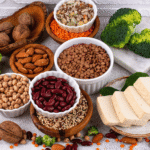
Stable blood sugar from snacking comes down to fiber, protein, and healthy fat at every eating occasion. Organic sourcing eliminates pesticide residues and synthetic additives without requiring a complete diet overhaul.
Start with a daily foundation of nuts, seeds, and plain organic yogurt. Add hummus with vegetables, organic berries, and the occasional square of dark chocolate. Read every label on packaged products for added sugar and hidden ingredients. Always pair carbohydrate-containing snacks with protein or fat.
For the full picture of how organic eating affects inflammation, immunity, and hormonal balance, our guides on Health Benefits of Eating Organic and Organic Food and Hormonal Balance cover the broader evidence.








[…] protein makes it one of the most favorable grain-substitute options for blood sugar management. Our Low-Sugar Organic Snacks guide covers how low-GI whole foods fit into a blood sugar-stable eating […]
[…] therapeutically for blood sugar management due to its negligible coumarin content. Our guide on low-sugar organic snacks covers complementary dietary strategies for blood sugar stability alongside cinnamon […]
[…] complementary low-glycemic dietary strategies, our guide on low-sugar organic snacks covers practical food choices that work synergistically with blood sugar-supporting spices like […]
[…] dietary strategies that support stable blood sugar alongside psyllium supplementation, our guide on low-sugar organic snacks covers food choices that work synergistically with fiber […]
[…] a complete framework on blood sugar-stable eating, our guide on Low-Sugar Organic Snacks covers complementary low-GI food choices that pair naturally with […]
[…] picture of how protein intake supports weight management alongside an organic whole-food diet, our Low-Sugar Organic Snacks guide covers high-protein whole-food snacking options that complement pea protein […]
[…] guide on low-sugar organic snacks covers how combining fat, fiber, and controlled carbohydrates supports blood sugar […]
[…] better ways to satisfy a sweet craving, our low-sugar organic snacks guide and coconut sugar guide cover lower-glycemic […]