Testosterone levels in men have declined roughly 1% per year since the 1980s, and that drop tracks closely with the same decades that saw ultra-processed food take over the Western diet. A 2025 study published in The Aging Male, drawing on NHANES data from over 2,800 men, found that poorer diet quality was significantly associated with a higher likelihood of testosterone deficiency. Diet is not the only driver of low testosterone, but it is one of the most controllable, and one of the most overlooked.
Most testosterone advice focuses on what to add to your plate. This guide takes the opposite and equally important angle: what is actively suppressing your testosterone, why these dietary patterns matter, and how an organic whole-food approach reverses the damage.
Quick Summary: The main dietary causes of low testosterone are excess added sugar, ultra-processed foods, industrial seed oils, very low-fat diets, excess alcohol, and chronic calorie restriction. These suppress testosterone by spiking insulin, driving inflammation, raising estrogen, and removing the dietary fat and micronutrients testosterone synthesis requires. The fix is an organic whole-food diet rich in healthy fats, zinc, magnesium, and vitamin D, with processed foods and added sugar minimized.
How Diet Influences Testosterone
Testosterone is a steroid hormone built from cholesterol and produced primarily in the testes, under the control of the brain’s hypothalamic-pituitary-gonadal (HPG) axis. Every step of that process depends on dietary inputs.
The diet-testosterone relationship works through four main pathways:
- Raw materials: Testosterone is synthesized from cholesterol, so adequate dietary fat is non-negotiable. Specific micronutrients (zinc, magnesium, vitamin D, boron) are required cofactors.
- Insulin and blood sugar: Chronically elevated insulin from sugar and refined carbs suppresses the hormones that signal testosterone production and raises sex hormone-binding globulin (SHBG) dynamics.
- Inflammation: Chronic inflammation from processed foods directly impairs Leydig cell function, the cells that produce testosterone.
- Estrogen balance: Body fat contains aromatase, the enzyme that converts testosterone to estrogen. Dietary patterns that drive fat gain accelerate this conversion.
A 2025 analysis in The Aging Male confirmed that men with lower overall diet quality had significantly higher odds of testosterone deficiency, reinforcing that the total dietary pattern, not any single food, is what matters most. For the complementary guide on foods that actively raise testosterone, our foods that naturally boost testosterone guide covers the other side of this equation in detail.
The Main Dietary Causes of Low Testosterone
1. Excess Added Sugar
Sugar is one of the most direct dietary suppressors of testosterone. A narrative review on sugar and confectionery consumption found that high sugar intake acutely lowers serum testosterone in men. The mechanism is insulin-driven: a sugar load spikes insulin and glucose, which temporarily suppresses luteinizing hormone (LH), the pituitary signal that tells the testes to produce testosterone.
Chronic high sugar intake compounds the problem by driving insulin resistance and visceral fat gain, both independently linked to lower testosterone. Sugar-sweetened beverages are the single largest source of added sugar in most diets and the most important to eliminate.
For better ways to satisfy a sweet craving, our low-sugar organic snacks guide and coconut sugar guide cover lower-glycemic alternatives.
2. Ultra-Processed Foods
Ultra-processed foods are a testosterone problem beyond their sugar content. Research reported in 2025 suggested that even low-calorie ultra-processed food can contribute to weight gain and testosterone loss in men, pointing to effects beyond calories alone.
These foods drive inflammation through industrial additives, damaged fats, and the absence of the micronutrients testosterone synthesis requires. They also displace the whole foods that supply zinc, magnesium, and healthy fats. Our truth about frozen pizza guide breaks down how ultra-processed convenience foods affect metabolic and hormonal health.
3. Industrial Seed Oils and Trans Fats
Diets high in industrial seed oils (soybean, corn, cottonseed) and any remaining trans fats promote inflammation and oxidative stress in testicular tissue. Research has associated high intake of these fats with reduced testosterone and poorer sperm quality. The issue is not dietary fat itself, which testosterone needs, but the type: processed, oxidation-prone fats work against hormonal health while whole-food fats support it.
Replacing seed oils with organic extra-virgin olive oil is one of the highest-value swaps available. A study found that men using olive oil as their primary fat source saw a 17.4% increase in testosterone over three weeks. Our organic food and heart health guide covers the olive oil evidence in full.
4. Very Low-Fat Diets
This one surprises people. Because testosterone is made from cholesterol, diets too low in fat consistently reduce testosterone. A 2021 systematic review found that low-fat diets reduced testosterone levels compared to higher-fat diets, and reporting in 2024 and 2025 reinforced that very low-fat and some restrictive Mediterranean-style patterns can lower testosterone when fat drops too far.
The practical target is roughly 30 to 35% of calories from fat, emphasizing whole-food sources: organic eggs, grass-fed beef, olive oil, avocados, and nuts. For the full picture on dietary fat and male hormones, our organic foods for men over 40 guide covers age-adjusted fat and protein targets.
5. Excess Alcohol
Alcohol suppresses testosterone through several mechanisms at higher intakes. It is directly toxic to the Leydig cells in the testes, impairs liver function in a way that raises estrogen, and disrupts sleep architecture, which matters because most daily testosterone is produced during deep sleep. Occasional moderate drinking has a limited effect, but regular heavy intake is a significant and reversible cause of low testosterone.
6. Chronic Calorie Restriction and Crash Dieting
Severe, prolonged calorie restriction signals the body to downregulate reproductive function as a survival adaptation. Testosterone drops as the body conserves energy. This is why aggressive crash diets and overtraining without adequate fuel often tank testosterone, even when the foods themselves are healthy. Sustainable eating at an adequate calorie level supports hormonal health better than extreme restriction.
Dietary Causes at a Glance
| Dietary Cause | How It Lowers Testosterone | Organic Fix |
|---|---|---|
| Added sugar | Insulin spikes suppress LH; drives visceral fat | Whole fruit, low-sugar organic snacks |
| Ultra-processed foods | Inflammation, additives, nutrient displacement | Whole organic foods |
| Seed oils and trans fats | Oxidative stress in testicular tissue | Organic olive oil, avocado |
| Very low-fat diets | Removes cholesterol substrate for synthesis | 30 to 35% fat from whole foods |
| Excess alcohol | Toxic to Leydig cells; raises estrogen; disrupts sleep | Limit to moderate intake |
| Chronic calorie restriction | Triggers survival-mode hormone suppression | Adequate, sustainable intake |
| Conventional pesticide residues | Endocrine-disrupting chemical exposure | Organic for Dirty Dozen produce |
The Endocrine Disruptor Problem: Why Organic Matters
Beyond what foods do nutritionally, conventional food carries a hidden testosterone concern: endocrine-disrupting chemicals.
Many conventional agricultural pesticides are classified as endocrine disruptors, meaning they interfere with hormone signaling and production. A 2017 study in Human Reproduction found that men with high urinary pesticide metabolites had significantly lower testosterone and worse sperm parameters. Organochlorine and organophosphate pesticide classes have been specifically linked to impaired Leydig cell function.
Choosing organic for the highest-residue foods, particularly the EWG Dirty Dozen produce, directly reduces exposure to these compounds. Our dirty dozen and clean fifteen guide identifies exactly which foods to prioritize organic, and the 2026 data showing PFAS “forever chemicals” on 63% of Dirty Dozen samples makes this more relevant than ever, since several of these chemicals are also hormone disruptors.
Organic animal products add a second layer of protection by eliminating synthetic hormone residues from conventional dairy and meat. Our organic vs grass-fed meat guide covers how production method changes what ends up on your plate.
The Organic Food Solution: Reversing Dietary Low Testosterone
Correcting diet-driven low testosterone rests on four nutritional pillars, each supported by specific organic foods.
Pillar 1: Restore Healthy Dietary Fat
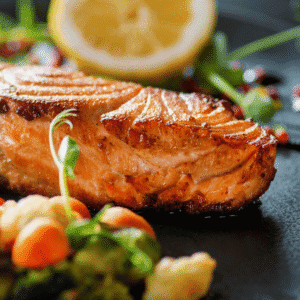
Testosterone cannot be made without adequate fat. Prioritize organic eggs (whole, not just whites), grass-fed beef, wild-caught salmon, avocados, olive oil, and nuts. Target 30 to 35% of calories from these whole-food fat sources.
Pillar 2: Correct the Key Micronutrients
Three minerals and one vitamin are the non-negotiable cofactors for testosterone synthesis:
- Zinc: oysters, organic grass-fed beef, pumpkin seeds. Our zinc deficiency guide covers sources and signs.
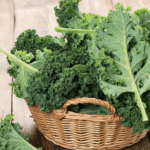
- Magnesium: dark leafy greens, pumpkin seeds, dark chocolate. Magnesium lowers SHBG, raising free testosterone.
- Vitamin D: wild salmon, UV-exposed mushrooms, pastured eggs, sunlight. Our vitamin D food sources guide covers the testosterone link.
- Boron: avocados, almonds, raisins, a trace mineral shown to raise free testosterone.
Pillar 3: Stabilize Blood Sugar
Replace refined carbs and added sugar with fiber-rich whole foods that produce a gentle blood sugar response. Organic quinoa, lentils, oats, and vegetables stabilize insulin, which supports the LH signaling that drives testosterone. Our organic quinoa nutrition guide and organic lentils and beans guide cover these complex-carbohydrate staples.
Pillar 4: Reduce the Suppressors
Cut ultra-processed foods, sugar-sweetened beverages, seed oils, and excess alcohol. This single step removes most of the dietary drag on testosterone and is often more impactful than adding any “testosterone-boosting” food.
For the complete men’s-health dietary framework that ties all of this together, our organic foods for men over 40 guide and health benefits of eating organic guide cover the full picture.
Beyond Diet: The Supporting Factors
Diet works best alongside the other pillars of testosterone health. Adequate sleep is critical, since most testosterone is produced during deep sleep and even one week of restricted sleep measurably lowers levels. Resistance training is the most potent natural testosterone stimulus available. And stress management matters, because chronically elevated cortisol directly suppresses testosterone production. Diet, sleep, training, and stress work together; fixing one while ignoring the others limits results.
The Bottom Line
Low testosterone has many causes, but diet is among the most controllable and most frequently overlooked. The biggest dietary culprits are added sugar, ultra-processed foods, industrial seed oils, very low-fat diets, excess alcohol, and chronic calorie restriction, all reinforced by a 2025 NHANES analysis linking poor diet quality to testosterone deficiency.
The organic solution is straightforward: restore whole-food dietary fat, correct the zinc, magnesium, and vitamin D that synthesis requires, stabilize blood sugar with fiber-rich whole foods, and cut the processed foods and sugar that suppress production. Choosing organic for high-residue produce and animal products removes the endocrine-disrupting chemicals that work against your hormones.
Diet alone will not fix every case of low testosterone, but for men whose levels are suppressed by poor dietary patterns, it is one of the most effective and accessible interventions available.
Medical Disclaimer: This guide is for general educational purposes and is not medical advice. Clinically low testosterone (hypogonadism) is a medical condition that should be diagnosed with a blood test and evaluated by a healthcare provider, since causes can include factors unrelated to diet. Symptoms such as persistent fatigue, low libido, depression, or loss of muscle mass warrant medical evaluation. Do not self-diagnose or begin testosterone therapy without professional guidance. Dietary changes support healthy testosterone but are not a substitute for medical care.