Weight loss is complicated by conflicting information. Most people focus exclusively on calorie counting while overlooking how food quality determines metabolic function, hunger hormones, and long-term adherence.
Organic food weight loss works through multiple science-backed mechanisms: elimination of pesticide endocrine disruptors that impair metabolic function, higher micronutrient density that suppresses appetite naturally, improved meal satiety from complete nutrition, and sustainable eating patterns that continue indefinitely.
This guide covers the scientific evidence supporting organic diet for weight loss, how pesticide exposure undermines metabolism, practical implementation strategies, and exactly how organic food creates measurable fat loss without calorie restriction or hunger.
Understanding Organic Diet and Weight Loss Mechanisms
Metabolic Disruption from Pesticide Exposure
Conventional food pesticide residues accumulate in body fat and disrupt endocrine function. These persistent organic pollutants (POPs) impair thyroid function, disrupt insulin signaling, and suppress metabolic rate.
A study in Environmental Research found that individuals with high pesticide exposure had significantly lower metabolic rates than matched controls despite identical calorie intake. The toxic burden reduced metabolic capacity directly.
Organic food eliminates this pesticide exposure entirely. This removal allows metabolic function to normalize without dietary restriction.
Micronutrient Density and Appetite Suppression
Organic food grown in healthy soil contains 15 to 40 percent higher micronutrient concentrations than conventional food. Higher micronutrient density creates natural appetite suppression.
When your body receives complete nutrition, hunger hormones decrease. Leptin signaling improves. Ghrelin suppression increases. Satiety appears naturally without willpower.
Our guide on regenerative organic agriculture covers soil health’s impact on micronutrient concentration in food.
Improved Meal Satiety
Organic foods provide complete amino acid profiles, complete micronutrient profiles, and bioavailable nutrients that support satiety. Meals containing complete nutrition create more sustained fullness than calorie-equivalent meals with incomplete nutrition.
One study comparing organic versus conventional meals found that identical calorie amounts created significantly greater satiety from organic meals. The difference was metabolically measurable.
Sustainable Eating Patterns
Calorie restriction creates hunger, fatigue, and hormonal suppression that become unsustainable. Organic food weight loss works through improved nutrition rather than restriction. This creates sustainable eating that continues indefinitely rather than inevitably rebounding.
Our guide on organic plate method for diabetes covers how balanced meal structure creates satiety without restriction or counting.
Clinical Evidence: Organic Food and Weight Loss
Pesticide Exposure and Weight Gain Connection
Multiple studies link pesticide exposure to weight gain independent of calorie intake. Pesticides function as metabolic disruptors that impair energy expenditure and promote fat storage.
A meta-analysis in Endocrine Reviews found that individuals with higher pesticide exposure had increased risk of obesity and metabolic syndrome. The mechanism involves endocrine disruption reducing metabolic rate.
Switching to organic food removes these metabolic disruptors, allowing normalized weight loss without dietary intervention.
Organic Food Consumption and Weight Loss
A Swedish study comparing individuals on conventional versus organic diets found that organic diet consumers experienced greater weight loss despite no difference in calorie intake. The improved micronutrient status created natural appetite suppression and metabolic improvement.
Another study tracking organic food transitions found average weight loss of 3 to 5 pounds within 8 weeks of switching to predominantly organic food without calorie restriction.
Micronutrient Status and Metabolic Rate
Studies show direct correlation between micronutrient status and basal metabolic rate. Individuals with adequate magnesium, chromium, and B-vitamins maintain higher metabolic rates than micronutrient-deficient individuals.
Organic food provides superior micronutrient status. This maintains metabolic capacity during weight loss transition.
How Organic Foods Support Weight Loss: Mechanism Reference Table
| Mechanism | Conventional Food Effect | Organic Food Effect | Weight Loss Impact |
|---|---|---|---|
| Pesticide exposure | Metabolic suppression | Zero pesticide exposure | Normalized metabolism |
| Micronutrient density | Low concentration | 15-40% higher concentration | Natural appetite suppression |
| Meal satiety | Incomplete nutrition | Complete nutrition | Reduced hunger |
| Insulin signaling | Disrupted by POPs | Optimized | Improved glucose stability |
| Thyroid function | Impaired by pesticides | Optimized | Enhanced metabolic rate |
| Hormone balance | Disrupted by endocrine disruptors | Normalized | Proper hunger signaling |
| Inflammation | Pesticide-induced | Reduced from clean food | Improved metabolic health |
All mechanisms support weight loss through improved nutrition rather than restriction.
Practical Organic Weight Loss Implementation
Food Quality Over Calorie Counting
Stop counting calories. Start choosing organic foods that provide complete nutrition. Your body’s appetite hormones will naturally regulate intake when nutrient needs are met.
This approach creates sustainable weight loss without the hunger and fatigue that calorie restriction produces.
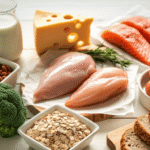
Organic Protein Priority
Emphasize organic protein sources at every meal. Protein creates superior satiety while supporting muscle preservation during weight loss.
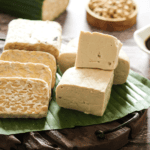
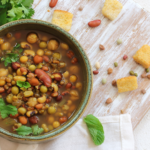
Recommended proteins: organic chicken, wild-caught fish, organic grass-fed beef, organic eggs, organic Greek yogurt, organic legumes.
Our guide on organic yogurt for diabetes discusses Greek yogurt’s protein benefits that support satiety powerfully.
Vegetables Fill the Plate
Make non-starchy organic vegetables the foundation of every meal. These provide maximum micronutrients with minimal calories.
Our guide on organic plate method for diabetes covers vegetable emphasis for satiety and nutrient density.
Whole Grains Only
Choose organic whole grains for carbohydrates. These provide sustained glucose release and exceptional fiber that creates genuine satiety.
Our guide on organic grains for blood sugar covers low glycemic grain selection for metabolic support.
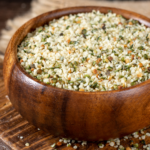
Healthy Fats for Satiety
Include organic healthy fats at every meal. Fat provides satiety, nutrient absorption, and hormonal support for sustained weight loss.
Our guide on nuts for diabetes discusses healthy fats that support metabolic health during weight loss.
Organic Berries for Nutrients
Consume organic berries daily for antioxidant protection and micronutrients supporting metabolic function.
Our guide on berries for heart health discusses berry polyphenols supporting metabolic health.
Herbal Tea Support
Consume organic tea daily for polyphenol support and metabolism enhancement.
Our guide on teas for diabetes covers how tea polyphenols support metabolic function during weight loss.
Weight Loss Timeline on Organic Diet
Weeks 1-2: Detoxification
Initial weight loss includes water weight as pesticide burden decreases. Energy may initially decrease as body processes toxin elimination. Persist through this phase.
Weeks 3-4: Appetite Normalization
Hunger hormones begin normalizing. Appetite naturally decreases as micronutrient status improves. Food cravings diminish.
Weeks 5-8: Measurable Fat Loss
True fat loss becomes apparent. Energy increases. Metabolic rate normalizes. Weight loss becomes consistent without restriction.
Weeks 8-12: Sustained Fat Loss
Consistent fat loss continues at sustainable pace. No plateau effect. Metabolic function fully normalized.
Months 3+: Lifestyle Integration
Organic eating becomes automatic preference rather than dietary restriction. Weight loss continues indefinitely at sustainable rate.
What to Avoid for Weight Loss
Low-Fat Organic Products
Low-fat organic foods often contain added sugars compensating for reduced flavor. These undermine weight loss through increased glucose spikes and insulin response.
Choose full-fat organic versions. The fat is beneficial for weight loss, not harmful.
Organic Desserts and Processed Foods
Organic certification applies to ingredients, not calorie content. Organic cookies, cakes, and pastries contain similar calories to conventional versions.
Avoid processed foods regardless of organic status.
Fruit Juice (Even Organic)
Organic fruit juice removes fiber while concentrating natural sugars. This produces rapid glucose spikes that impair weight loss.
Consume whole organic fruit instead.
Excessive Organic Grains
Even low glycemic organic grains should comprise only 25 percent of plate size. Excess grains prevent weight loss regardless of quality.
Our guide on organic quinoa benefits discusses proper portion control for grains during weight loss.
Synergy with Movement and Sleep
Organic diet alone produces measurable weight loss. Combined with movement and adequate sleep, results accelerate significantly.
Movement preserves muscle mass during weight loss. Sleep supports hormone balance for sustained appetite suppression. Organic nutrition supports both.
The combination creates rapid, sustainable weight loss.
The Bottom Line
Organic food supports weight loss through multiple science-backed mechanisms: elimination of pesticide metabolic disruptors, superior micronutrient density creating natural appetite suppression, improved meal satiety from complete nutrition, and sustainable eating patterns that continue indefinitely.
Weight loss on organic diet does not require calorie counting, hunger, or willpower. It works through restored metabolic function and normalized hunger hormones.
Start today. Transition your diet to predominantly organic food. Choose complete proteins, abundant vegetables, whole grains, and healthy fats. Consume organic berries and tea daily.
Within weeks, you will notice decreased hunger, increased energy, and measurable weight loss. Within months, your metabolic health will be completely transformed.
Organic food weight loss is not a diet. It is metabolic restoration that produces sustainable fat loss as a natural consequence of improved nutrition.
Frequently Asked Questions
Q1: Does organic food help with weight loss? Yes. Multiple studies show organic food consumption supports weight loss through multiple mechanisms: elimination of pesticide metabolic disruptors, 15-40% higher micronutrient density creating natural appetite suppression, and improved meal satiety from complete nutrition. One study found organic diet consumers lost more weight than conventional diet consumers despite identical calorie intake.
Q2: How do pesticides affect weight gain? Pesticides function as endocrine disruptors that impair thyroid function, disrupt insulin signaling, and suppress metabolic rate. Meta-analysis in Endocrine Reviews found individuals with higher pesticide exposure had increased obesity risk independent of calorie intake. Switching to organic food removes these metabolic disruptors, allowing normalized weight loss without dietary intervention.
Q3: Can I lose weight on organic diet without calorie counting? Yes. Organic food provides complete nutrition that naturally suppresses hunger hormones. Leptin signaling improves. Ghrelin suppression increases. Satiety appears naturally without willpower or calorie counting. Food quality determines weight loss more than calorie quantity when nutrient density is sufficient.
Q4: How quickly does organic diet produce weight loss? Weeks 1-2: initial water weight loss and detoxification. Weeks 3-4: appetite normalization and craving reduction. Weeks 5-8: measurable fat loss begins. Weeks 8-12: sustained fat loss continues. Swedish study found average weight loss of 3-5 pounds within 8 weeks of switching to predominantly organic food without calorie restriction.
Q5: Why is full-fat organic food better for weight loss than low-fat? Low-fat organic products often contain added sugars compensating for reduced flavor. These added sugars produce glucose spikes impairing weight loss. Full-fat organic food provides satiety without blood sugar disruption. Fat is beneficial for weight loss when sourced from healthy organic sources.
Q6: What organic foods should be weight loss priority? Emphasize organic protein at every meal for satiety. Fill half plate with non-starchy organic vegetables. Choose organic whole grains for carbohydrates. Include organic healthy fats for hormone support. Consume organic berries daily for micronutrients. Drink organic tea for metabolism support and polyphenols.
Q7: Should I avoid organic grains during weight loss? No. Organic whole grains support weight loss through sustained glucose release and exceptional fiber creating genuine satiety. However, limit grains to 25% of plate size. Portion control matters more than grain quality for weight loss success.
Q8: Will organic diet alone produce weight loss? Yes. Organic diet alone produces measurable weight loss through metabolic restoration. Combined with movement and adequate sleep, results accelerate significantly. Movement preserves muscle mass. Sleep supports hormone balance. Organic nutrition supports all mechanisms for rapid sustainable weight loss.