Most anti-inflammatory advice tells men to crush inflammation at all costs. For an active man, that is exactly the wrong goal. The burst of inflammation you feel after a hard session is not damage to be eliminated; it is the signal that tells your muscles to rebuild stronger. Blunt it too hard, and you blunt your gains along with it.
The real enemy is different. It is the low-grade, chronic inflammation that simmers quietly from a poor diet, excess body fat, stress, and bad sleep. That kind drags down recovery, saps energy, and even lowers testosterone. The goal for an active man is not zero inflammation; it is the right inflammation, acute and useful, without the chronic background noise.
This guide covers the crucial difference between good and bad inflammation, the honest link between inflammation and testosterone, the organic foods that get the balance right, and why whole foods beat high-dose supplements for men who train.
Quick Summary: Active men should not try to eliminate inflammation. The acute inflammation from exercise is a necessary signal for muscle adaptation, and suppressing it with high-dose antioxidant supplements can blunt training gains. The real target is chronic, low-grade inflammation, which slows recovery and is linked to lower testosterone. Whole anti-inflammatory foods like oily fish, berries, leafy greens, olive oil, and spices lower chronic inflammation without interfering with adaptation, which is why food beats megadosed supplements for men who train.
Good Inflammation vs Bad Inflammation
This distinction is the whole game, and almost every generic anti-inflammatory article misses it.
Acute inflammation is short-term and purposeful. When you train, you create micro-damage in muscle, and the body’s inflammatory response rushes in to repair it and signal adaptation. This is how you get stronger and fitter. It is a feature, not a bug, and it resolves on its own within days.
Chronic inflammation is the opposite. It is a persistent, low-grade activation of the immune system that never switches off, driven by things like excess body fat, a processed-food diet, poor sleep, and chronic stress. This is the inflammation linked to heart disease, diabetes, poor recovery, and hormonal disruption.
For an active man, the aim is to let acute exercise inflammation do its job while keeping chronic inflammation low. That balance is what an anti-inflammatory diet, done right, actually delivers. Our organic anti-inflammatory foods guide covers the foundational foods, and this article applies them to the demands of training.
The Inflammation and Testosterone Connection
Here is the part that matters most to active men, and it is well supported by research. Chronic inflammation and low testosterone are closely linked, and they feed each other.
Studies consistently show an inverse relationship between inflammatory markers and testosterone. Men with higher levels of markers like CRP and IL-6 tend to have lower testosterone, and men with low testosterone tend to show higher inflammation. One study found a strong inverse correlation between the inflammatory marker IL-6 and testosterone levels.
The driving force is often visceral fat. Fat tissue around the organs is metabolically active, pumping out inflammatory signals that both raise systemic inflammation and suppress the cells that produce testosterone. This creates a loop where inflammation lowers testosterone, and lower testosterone makes it harder to build the muscle that keeps fat down.
The practical takeaway is powerful. An anti-inflammatory diet that lowers chronic inflammation supports healthy testosterone as a side effect, which is exactly what an active man wants. Our foods to boost testosterone guide and low testosterone diet guide cover the hormonal side that overlaps here.
The Supplement Trap: Why Whole Foods Win for Active Men
This is where active men most often go wrong. The instinct after a hard session is to reach for high-dose antioxidant supplements to fight the inflammation. The research says this can backfire.
Several studies have found that high-dose vitamin C and vitamin E supplements, taken around training, can blunt the beneficial adaptations to exercise. The reason ties back to the good-inflammation principle: exercise creates a useful oxidative and inflammatory signal, and flooding the body with isolated antioxidants smothers that signal, reducing the gains in strength and endurance you trained for.
Whole foods do not have this problem. The antioxidants and polyphenols in berries, greens, and spices come in moderate, balanced doses alongside fiber and other compounds, lowering chronic inflammation without crushing the acute adaptive response. This is the key reason an active man should get his anti-inflammatory nutrition from food, not megadosed pills.
Our whole foods versus supplements guide and food versus supplements guide cover this distinction, which matters more for athletes than for almost anyone.
The Best Anti-Inflammatory Organic Foods for Active Men
These foods lower chronic inflammation while supplying the nutrients active men need for performance and recovery.
| Food | Anti-Inflammatory Role |
|---|---|
| Oily fish (salmon, sardines) | Omega-3s are the most evidence-backed recovery aid |
| Berries | Polyphenols reduce soreness and oxidative stress |
| Leafy greens | Antioxidants and nitrates support recovery and blood flow |
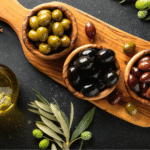
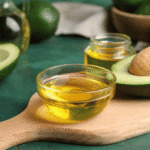
| Olive oil | Oleocanthal has a natural anti-inflammatory action |
| Turmeric and ginger | Curcumin and gingerol reduce inflammatory markers |
| Nuts and seeds | Healthy fats and vitamin E support balance |
| Green tea | Catechins lower oxidative stress |
| Dark chocolate (70%+) | Flavanols support vessel function and recovery |
Oily fish leads because omega-3s are among the few recovery aids with strong evidence, reducing inflammation and soreness after hard training. Our salmon and omega-3 guide and organic fish buying guide cover the best sources.
Berries and greens supply the polyphenols and antioxidants that support recovery in food-level doses. Our organic blueberries guide, berries for heart health guide, and organic dark leafy greens guide cover these.
Spices and healthy fats round it out. Turmeric and ginger are covered in our organic spices and herbs guide, while olive oil, nuts, and green tea are covered in our organic olive oil guide, organic nuts and seeds guide, and organic green tea guide.
What Drives Chronic Inflammation Up
Lowering inflammation is as much about removing drivers as adding foods, and active men often overlook the inflammatory load in their own diets.
| Inflammatory Driver | Why It Matters |
|---|---|
| Refined sugar and refined carbs | Spike blood sugar and drive inflammatory signaling |
| Ultra-processed foods | Low in protective compounds, high in inflammatory ones |
| Excess omega-6 seed oils | Tip the omega balance toward inflammation |
| Excess alcohol | Raises inflammation and impairs recovery |
| Visceral body fat | Actively produces inflammatory signals |
The omega balance is worth a note for active men. Diets heavy in processed foods and seed oils deliver far more omega-6 than omega-3, which tilts the body toward inflammation. Raising omega-3 intake from fish and lowering processed-food omega-6 corrects that ratio. Our foods for blood sugar balance guide covers the sugar side, and our cortisol-lowering foods guide covers how stress and diet raise inflammation together.
Timing It Around Training
For active men, when you eat anti-inflammatory foods can matter as much as whether you do.
The nuance is to avoid megadosing anti-inflammatory and antioxidant supplements in the hours right after a workout, since that is exactly when the adaptive signal is doing its work. Whole anti-inflammatory foods across the day are fine and beneficial; it is the concentrated post-workout antioxidant pills that can interfere.
For recovery, the proven aids are omega-3s taken consistently and tart cherry around hard sessions or competition, both of which reduce soreness without the adaptation concern of high-dose antioxidants. Our protein for muscle recovery guide covers how anti-inflammatory nutrition fits alongside protein for complete recovery.
The simplest approach is to eat an anti-inflammatory whole-food diet consistently, prioritize protein and carbohydrate around training for recovery, and save any concentrated anti-inflammatory interventions for genuinely hard or competitive efforts rather than every session.
A Practical Framework for Active Men
Putting it together, here is how an active man eats to manage inflammation without sacrificing gains.
Eat oily fish two to three times a week. This is the single most evidence-backed anti-inflammatory move for recovery.
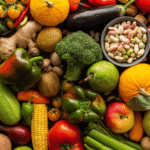
Build meals around plants and color. Berries, leafy greens, and a variety of vegetables deliver polyphenols in the right doses.
Use olive oil, nuts, and spices. These add anti-inflammatory compounds to everyday meals without any downside.
Cut the real drivers. Reducing refined sugar, processed food, excess seed oils, and alcohol lowers chronic inflammation fast.
Skip the post-workout antioxidant megadoses. Let acute exercise inflammation do its adaptive job, and get your anti-inflammatory nutrition from food. Our organic diet for muscle building guide covers the performance side of this framework.
FAQs
1. Should active men follow an anti-inflammatory diet? Yes, but with an important nuance. Active men should target chronic, low-grade inflammation, not the acute inflammation from exercise. Training inflammation is a necessary signal for getting stronger. A whole-food anti-inflammatory diet lowers the harmful chronic kind while leaving the beneficial training response intact.
2. What is the difference between good and bad inflammation? Acute inflammation is short-term and useful. After exercise it repairs muscle and signals adaptation, resolving in days. Chronic inflammation is a persistent, low-grade immune activation driven by poor diet, body fat, stress, and bad sleep, and it is linked to disease, poor recovery, and lower testosterone.
3. Does inflammation lower testosterone? Research shows a consistent inverse link. Men with higher inflammatory markers like CRP and IL-6 tend to have lower testosterone, and the two feed each other. Visceral fat drives this by producing inflammatory signals that suppress testosterone production, so lowering chronic inflammation supports healthy testosterone.
4. Can anti-inflammatory supplements hurt my training? They can. High-dose vitamin C and E supplements taken around training have been shown to blunt the beneficial adaptations to exercise, because they smother the useful inflammatory signal that drives those gains. Whole anti-inflammatory foods do not have this problem, which is why food is the smarter choice for active men.
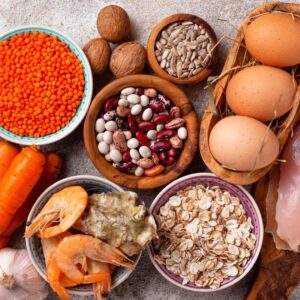
5. What are the best anti-inflammatory foods for active men? Oily fish for omega-3s leads the list, followed by berries and leafy greens for polyphenols, olive oil for oleocanthal, turmeric and ginger for their active compounds, and nuts, green tea, and dark chocolate. These lower chronic inflammation in food-level doses without interfering with training adaptation.
6. Do omega-3s help with exercise recovery? Yes. Omega-3 fatty acids are among the most evidence-backed recovery aids, reducing inflammation and muscle soreness after hard training when taken consistently. Oily fish like salmon and sardines is the best whole-food source, which is why it anchors an active man’s anti-inflammatory diet.
7. What foods increase inflammation? Refined sugar and refined carbs, ultra-processed foods, excess omega-6 seed oils, and excess alcohol all raise chronic inflammation. Visceral body fat is a major driver too, since it actively produces inflammatory signals. Cutting these does as much as adding anti-inflammatory foods.
8. When should I eat anti-inflammatory foods around training? Eat anti-inflammatory whole foods consistently across the day; that is always beneficial. The one caution is to avoid concentrated antioxidant supplements in the hours right after a workout, since that is when the adaptive signal works. Save any concentrated anti-inflammatory interventions for genuinely hard or competitive efforts.
The Bottom Line
For active men, inflammation is not the enemy; chronic inflammation is. The acute inflammation from training is a necessary signal for getting stronger, and trying to crush it with high-dose antioxidant supplements can blunt the very adaptations you train for. The smart target is the low-grade chronic inflammation that slows recovery and is linked to lower testosterone.
The solution is a whole-food, anti-inflammatory organic diet: oily fish for omega-3s, berries and greens for polyphenols, olive oil and spices for everyday anti-inflammatory action, and a sharp cut in sugar, processed food, and excess alcohol. Done this way, you lower the inflammation that holds you back while protecting the inflammation that drives you forward, and support healthy testosterone in the process.
For the broader foundations, our guides on organic anti-inflammatory foods and organic foods for men over 40 cover eating for men’s health and performance together.
This article is for educational purposes and is not medical advice. Chronic inflammation and persistent symptoms can signal underlying conditions, and men with ongoing joint pain, injury, or health concerns should consult a doctor rather than self-treating through diet alone.