Lentils complete protein claims require honest clarification before diving into benefits. Plant protein legumes offer exceptional nutrition regardless of technical completeness. Lentil protein content impresses substantially on its own. High protein legumes rival many animal sources. Knowledge separates marketing claims from nutritional reality.
Most people assume lentils qualify as complete protein automatically. The technical truth proves more nuanced. Understanding this nuance does not diminish their value. Legumes vs meat comparisons reveal genuine strengths. Awareness guides realistic expectations.
The Complete Protein Truth About Lentils
Lentils alone do not meet the strict definition of complete protein. They run low in methionine specifically. Understanding this technical point matters for accuracy.
Complete protein requires all nine essential amino acids in sufficient amounts. Lentils provide eight generously. Methionine falls short. Understanding this gap explains the nuance.
Combining lentils with grains solves this completely. Rice, wheat, or other grains supply methionine. Together they form complete protein. Understanding combinations matters more than single-food completeness.
This does not mean lentils lack value alone. Eight of nine amino acids in generous amounts still supports health substantially. Understanding this nuance prevents unnecessary dismissal of an excellent food.
Complete protein diet fundamentals explain this combining principle broadly. Understanding daily variety helps. Bodies pool amino acids across meals. Knowledge simplifies practical planning.
Lentil Protein Content Explained
Lentil protein content impresses regardless of completeness technicalities. One cooked cup delivers roughly 18 grams protein. Density rivals many animal sources. Understanding this quantity matters.
Protein quality stays genuinely high despite the methionine gap. Digestibility scores well. Bioavailability proves solid. Understanding quality helps appreciate lentils properly.
Fiber accompanies this protein substantially. Roughly 15 grams fiber joins the 18 grams protein. Understanding this combination helps. Few foods match this fiber-protein pairing.
Daily protein intake explains your personal targets. Understanding requirements helps. Lentils contribute efficiently toward daily goals. Knowledge guides meal planning.
Plant Protein Legumes Comparison Table
| Legume | Protein Per Cup Cooked | Fiber Per Cup | Cost | Cooking Time |
|---|---|---|---|---|
| Lentils | 18 g | 15 g | Very low | 20-30 min |
| Chickpeas | 15 g | 12 g | Low | 60-90 min (dried) |
| Black beans | 15 g | 15 g | Low | 60-90 min (dried) |
| Kidney beans | 15 g | 13 g | Low | 60-90 min (dried) |
| Split peas | 16 g | 16 g | Very low | 30-45 min |
| Edamame | 17 g | 8 g | Moderate | 5-10 min |
High Protein Legumes Beyond Lentils
High protein legumes extend well beyond lentils alone. Organic lentils and beans covers this broader category. Understanding variety helps comprehensive planning.
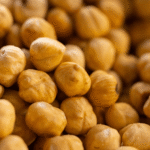
Chickpeas deliver substantial protein with versatility. Hummus, roasted snacks, and stews all work. Understanding applications helps. Chickpeas suit many cuisines naturally.
Black beans provide protein alongside antioxidants. Dark pigments carry beneficial compounds. Understanding this bonus helps. Color often signals additional nutrients.
Edamame offers a rare complete plant protein. Soybeans contain all nine essential amino acids naturally. Understanding this exception helps. Soy differs from most legumes in this specific way.
Organic vegan foods explores comprehensive plant-based planning. Understanding variety helps vegans particularly. Combining legumes ensures adequacy. Knowledge guides balanced eating.
Split peas deserve mention alongside lentils. Similar cooking time and protein content apply. Understanding this option helps. Split pea soup offers a classic, affordable protein source.
Organic quinoa benefits extends this category further. Quinoa itself qualifies as complete protein among plants. Understanding this exception helps. Grains and legumes both offer complete options occasionally.
Legumes Vs Meat Comparison
Legumes vs meat comparisons reveal different strengths entirely. Neither proves universally superior. Understanding context guides appropriate choices.
Meat delivers complete protein in single foods. Legumes require combining for the same completeness. Understanding this difference matters. Convenience favors meat in this specific respect.
Legumes deliver substantial fiber that meat lacks entirely. Digestive benefits accompany legume protein. Understanding this advantage helps. Fiber represents a genuine legume strength.
Cost favors legumes dramatically. Dried lentils cost pennies per serving. Grass-fed beef nutrition explains meat pricing. Understanding cost differences helps budgeting substantially.
Environmental impact generally favors legumes. Land and water requirements stay lower. Understanding sustainability helps. Legumes offer environmental advantages worth considering.
Iron absorption differs between sources. Heme iron from meat absorbs better than plant iron. Understanding this helps. Combining legumes with vitamin C improves absorption.
Combining Legumes for Complete Protein
Combining legumes with grains creates genuinely complete protein. Traditional cuisines discovered this naturally. Understanding classic combinations helps.
Rice and lentils form a complementary classic. Dal and rice exemplify this pairing. Understanding traditional wisdom helps. Cultures developed these combinations for good reason.
Hummus and whole grain bread work similarly. Chickpeas and wheat complement each other. Understanding this pairing helps. Mediterranean cuisine showcases this naturally.
Corn and beans complete each other too. Traditional Latin American cuisine combines these consistently. Understanding this pairing helps. Cultural food wisdom often reflects nutritional science.
Daily variety matters more than perfect single-meal combining. Bodies pool amino acids across the day. Understanding this flexibility helps. Perfection proves unnecessary for adequate nutrition.
Cooking Lentils Properly
Cooking lentils properly maximizes both flavor and nutrition. Different varieties require different approaches. Understanding techniques improves results.
Red lentils cook quickly and break down. Soups and purees benefit from this texture. Understanding this variety helps recipe selection.
Green and brown lentils hold their shape better. Salads and side dishes benefit. Understanding texture differences helps. Variety selection matches intended application.
Rinsing lentils before cooking removes debris. This simple step improves quality. Understanding preparation helps. Small steps matter for results.
No soaking is required for lentils unlike other legumes. This convenience sets them apart. Understanding this advantage helps. Quick cooking suits busy schedules.
Choosing Organic Lentils and Legumes
Selecting organic legumes ensures pesticide-free sourcing. What makes food organic clarifies certification standards. Understanding requirements helps informed purchasing.
Dried legumes offer excellent value regardless of organic premium. Bulk purchasing reduces costs further. Understanding value helps budgeting.
Shop organic on a budget includes legume strategies specifically. Understanding value helps. Legumes represent some of the most affordable organic proteins available. Knowledge optimizes spending.
Checking for debris and quality matters when buying dried legumes. Fresh stock cooks more evenly. Understanding freshness helps. Older dried legumes take longer to soften.
Building Meals Around Legumes
Building meals around legumes works across many cuisines. Soups showcase lentils naturally. Understanding applications helps meal planning.
Salads benefit from cooled, firm legumes. Chickpeas and lentils both work well cold. Understanding texture helps recipe success.
Foods for blood sugar balance benefit from legume fiber and protein together. Blood sugar response stays steadier. Understanding this connection helps. Balanced meals support metabolic stability.
Batch cooking legumes supports weekly meal prep. Cooking large quantities saves time. Understanding preparation strategies helps. Convenience supports consistency throughout busy weeks.
Lentils and Gut Health
Lentils support gut health substantially through fiber content. Beneficial bacteria feed on this fiber. Understanding this connection helps appreciate broader benefits.
Prebiotic fiber feeds beneficial gut bacteria specifically. Short-chain fatty acids result from fermentation. Understanding this process helps. Gut health extends beyond digestion alone.
Organic diet and immunity explores gut-immune connections. Understanding this link helps. Substantial immune tissue resides in the gut. Fiber-rich foods like lentils support this system.
Gradual introduction helps sensitive digestive systems. Sudden large servings sometimes cause discomfort. Understanding this helps. Starting with smaller portions allows adaptation.
Common Lentil Varieties Explained
Multiple lentil varieties exist with distinct characteristics. Color often indicates cooking behavior. Understanding varieties helps recipe selection.
Red and yellow lentils cook fastest. They break down into a smooth texture. Understanding this helps. Soups and dals benefit from this quality.
Green lentils hold shape firmly. Nutty flavor accompanies this texture. Understanding this variety helps. Salads and grain bowls suit these well.
Brown lentils offer versatility broadly. Mild flavor adapts to many dishes. Understanding this helps. Brown lentils work as an all-purpose choice.
Black beluga lentils resemble caviar visually. Firm texture and distinct appearance apply. Understanding specialty varieties helps. Presentation-focused dishes benefit from this choice.
The Bottom Line
Lentils deliver roughly 18 grams protein and 15 grams fiber per cooked cup, but technically fall short of complete protein status due to limited methionine. This matters less than marketing sometimes suggests, since combining lentils with grains like rice creates complete protein naturally, and daily dietary variety achieves the same result without precise meal-by-meal planning. Compared to meat, legumes offer dramatically lower cost, more fiber, and smaller environmental impact, while meat offers single-food completeness and better iron absorption. Cook different lentil varieties for different purposes, combine them with grains regularly, and prioritize organic sourcing when budget allows.
Frequently Asked Questions
1. Are lentils a complete protein? Not technically alone. Lentils provide eight of nine essential amino acids generously but run low in methionine. Combining lentils with grains like rice creates complete protein naturally.
2. How much protein is in lentils? One cooked cup delivers roughly 18 grams protein alongside about 15 grams fiber. This density rivals many animal protein sources while adding substantial fiber they lack.
3. What legumes pair well with lentils for complete protein? Rice and lentils form a classic pairing, as do wheat-based breads with legumes. Traditional cuisines like dal and rice or hummus with pita reflect this nutritional wisdom.
4. What are the highest protein legumes? Lentils, split peas, chickpeas, and black beans all deliver 15 to 18 grams protein per cooked cup. Edamame offers a rare exception as a naturally complete plant protein.
5. How do legumes compare to meat nutritionally? Meat offers single-food complete protein and better iron absorption. Legumes offer substantial fiber, dramatically lower cost, and smaller environmental impact. Neither proves universally superior.
6. Do I need to combine legumes and grains at every meal? No. Bodies pool amino acids throughout the day. Daily dietary variety achieves the same completeness as precise meal-by-meal combining, making perfection unnecessary.
7. What are the different lentil varieties? Red and yellow lentils cook fastest and break down smoothly, suiting soups. Green and brown lentils hold their shape, suiting salads. Black beluga lentils offer a firm, distinctive option.
8. Do lentils need soaking before cooking? No. Unlike most dried legumes, lentils cook directly without soaking, typically in 20 to 30 minutes. This convenience sets them apart from beans and chickpeas.