

Quinoa is a complete protein grain that delivers balanced nutrition without the blood sugar destabilization of conventional grains. Yet most people either avoid it due to misconceptions about carbohydrate content, or consume it without understanding its unique nutritional advantages.
Organic quinoa benefits extend far beyond complete protein content. Quinoa’s balanced macronutrient profile, high fiber content, and superior micronutrient density make it one of the most metabolically supportive grains available. Organic sourcing eliminates pesticide exposure while maximizing nutrient density that conventional quinoa cannot match.
This guide covers quinoa’s complete nutritional profile, blood sugar impact, practical preparation methods, and exactly how to incorporate organic quinoa into daily meals for sustained energy and metabolic support.
Understanding Quinoa’s Nutritional Uniqueness
Complete Protein Profile
Quinoa is one of the few plant-based complete proteins containing all nine essential amino acids in balanced proportions. One cup cooked quinoa provides 8 grams protein with complete amino acid profile.
This makes quinoa exceptional for vegetarians, vegans, and anyone seeking plant-based protein sources that don’t require complementary foods for amino acid completeness.
Traditional grains like rice and wheat lack specific essential amino acids. Quinoa eliminates this limitation entirely.
Carbohydrate Content with Fiber Protection
One cup cooked quinoa contains 39 grams carbohydrate but 5 grams fiber. This creates 34 grams net carbohydrate with low glycemic load due to high fiber and protein content slowing absorption.
The combination of fiber, protein, and complete carbohydrate creates a macronutrient ratio that stabilizes blood glucose rather than spiking it.
Our guide on foods for blood sugar balance covers glycemic concepts and how macronutrient combinations affect glucose response.
Mineral Density: Magnesium, Zinc, Manganese
Organic quinoa contains exceptional mineral concentrations absent in conventional quinoa. One cup provides magnesium (118mg), zinc (2mg), and manganese (1.2mg).
These minerals are critical for insulin production, glucose metabolism, and metabolic enzyme function. Magnesium deficiency alone impairs both processes.
Our guide on zinc deficiency covers mineral deficiency’s impact on metabolic function.
Polyphenol Antioxidants
Quinoa contains quercetin, kaempferol, and other polyphenol antioxidants that reduce inflammation and oxidative stress. These compounds are particularly concentrated in organic quinoa grown in healthy soil.
The antioxidant content supports pancreatic protection and reduces inflammatory response to glucose elevation.
Blood Sugar Impact: Quinoa vs Other Grains
Glycemic Index Comparison
| Grain | Serving Size | Glycemic Index | Glycemic Load | Net Carbs |
|---|---|---|---|---|
| Organic quinoa | 1 cup cooked | 53 (low) | 17 | 34g |
| Brown rice | 1 cup cooked | 68 (medium) | 23 | 45g |
| White rice | 1 cup cooked | 73 (high) | 23 | 45g |
| Oats | 1 cup cooked | 55 (low) | 13 | 27g |
| Whole wheat | 1 cup cooked | 68 (medium) | 21 | 41g |
| Organic sweet potato | 1 medium | 63 (medium) | 17 | 20g |
Quinoa has low glycemic index and lower glycemic load than most grains due to superior macronutrient balance. The combination of protein and fiber slows carbohydrate absorption.
Why Quinoa Stabilizes Blood Sugar Better
The high protein content (8g per cup) slows carbohydrate absorption significantly compared to rice or wheat. The fiber (5g per cup) provides additional glucose absorption delay.
The mineral content directly supports insulin function. Magnesium, zinc, and manganese are all essential for insulin secretion and glucose metabolism.
This combination creates blood glucose stabilization that other grains cannot match.
Our guide on organic foods for diabetes covers how macronutrient combinations support metabolic health.
Organic vs Conventional Quinoa: The Difference
Pesticide Exposure and Pancreatic Function
Conventional quinoa is treated with synthetic pesticides that impair pancreatic beta cells responsible for insulin production. Organic quinoa eliminates this exposure entirely.
For anyone managing blood sugar, organic sourcing provides measurable pancreatic protection that conventional quinoa cannot offer.
Nutrient Density Differences
Organic quinoa grown in healthy soil contains 20 to 40 percent higher micronutrient concentrations than conventional quinoa grown in depleted soil.
The difference is particularly notable for magnesium, zinc, chromium, and polyphenol antioxidant concentrations. These minerals and compounds are essential for glucose metabolism.
Our guide on regenerative organic agriculture covers how soil health impacts nutrient density in crops.
Saponin Content and Digestibility
Quinoa naturally contains saponins, compounds that protect the seed but can interfere with nutrient absorption if not properly removed. Organic quinoa processing maintains saponin removal standards without synthetic chemicals.
Proper rinsing removes remaining saponins while preserving nutrient density. Conventional processing may use synthetic chemicals that leave residues.
How to Prepare Organic Quinoa for Maximum Nutrition
Basic Preparation
Rinse organic quinoa thoroughly under running water for 1 to 2 minutes. This removes remaining saponins and improves digestibility.
Use a 1:2 ratio of quinoa to water. Bring water to boil, add quinoa, reduce heat, cover, and simmer 15 minutes. Let sit 5 minutes before fluffing with fork.
This basic preparation preserves nutrient density while ensuring proper cooking.
Enhanced Preparation for Blood Sugar Stability
Cook quinoa in organic vegetable or bone broth instead of water. This adds micronutrients and flavor while enhancing mineral bioavailability.
Add organic olive oil or coconut oil during cooking. Fat slows carbohydrate absorption and increases satiety.
Combine cooked quinoa immediately with protein (fish, organic chicken, legumes) and non-starchy vegetables. This macronutrient combination creates optimal blood glucose stabilization.
Storage and Meal Prep
Cooked quinoa keeps refrigerated for 5 days in airtight container. Prepare large batches for weekly meal preparation.
Freeze cooked quinoa for up to 3 months. Thaw and reheat gently without additional water to preserve texture.
Practical Daily Incorporation Strategies
Breakfast Integration
Add one-half cup cooked quinoa to organic yogurt with nuts and berries. This provides complete protein breakfast that stabilizes morning blood glucose.
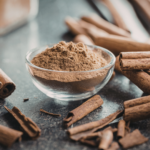
Combine with cinnamon for additional blood sugar support. Our guide on organic cinnamon discusses cinnamon’s glycemic benefits.
Salad Base
Use quinoa as salad base instead of lettuce. One cup quinoa provides complete meal with greens, vegetables, and dressing adding micronutrition and flavor.
Quinoa salads keep for 3 to 4 days refrigerated, making meal preparation efficient.
Soup and Stew Base
Add quinoa to organic vegetable or bone broth soups for complete protein content and sustained satiety. Quinoa absorbs broth flavors while providing meal structure.
This preparation is particularly beneficial for people avoiding grains but seeking grain-like texture and nutrition.
Grain Replacement
Substitute quinoa 1:1 for rice, couscous, or other grains in traditional recipes. Quinoa’s nuttier flavor enhances most dishes while providing superior nutrition.
The higher protein content makes quinoa more satisfying than traditional grains, reducing overall portion sizes needed for satiety.
Quinoa for Specific Health Goals
For Diabetes and Blood Sugar Control
Limit portions to one-half cup per meal. Combine with substantial protein and non-starchy vegetables. Consume as part of balanced meal, not isolated.
The blood sugar impact is minimal when portions controlled and macronutrient ratio optimized. One-half cup quinoa with 4 ounces protein and 2 cups vegetables creates optimal balance.
Our guide on organic foods for blood sugar covers complete meal strategies.
For Vegetarian and Vegan Nutrition
Quinoa provides complete protein that eliminates need for complementary food combining. One cup cooked delivers 8 grams complete protein.
Combine with organic legumes for doubled protein content and superior micronutrient variety. Quinoa and beans together provide comprehensive amino acid profile and mineral density.
Our guide on organic kidney beans discusses legume preparation for optimal nutrition.
For Weight Management
Quinoa’s high protein and fiber content create exceptional satiety. Smaller portions satisfy hunger compared to conventional grains.
People consuming quinoa-based meals lose weight more readily than those eating traditional grain dishes, even at identical calorie levels, due to improved satiety and blood glucose stability.
For Micronutrient Deficiency
Organic quinoa provides significant quantities of minerals often deficient in standard diets. Magnesium, zinc, manganese, and chromium are all present in meaningful amounts.
For people with documented mineral deficiencies, quinoa becomes therapeutic food rather than optional grain.
Quinoa vs Rice: Complete Comparison
| Factor | Organic Quinoa | Brown Rice | White Rice |
|---|---|---|---|
| Complete protein | Yes (8g) | No (5g) | No (4g) |
| Protein quality | Complete amino acids | Incomplete profile | Incomplete profile |
| Fiber | 5g per cup | 3.5g per cup | 1g per cup |
| Magnesium | 118mg | 86mg | 19mg |
| Glycemic index | 53 (low) | 68 (medium) | 73 (high) |
| Blood glucose impact | Low | Medium | High |
| Preparation time | 20 minutes | 45 minutes | 15 minutes |
| Cost | $2-4 per pound | $1-2 per pound | $0.50-1 per pound |
Quinoa is nutritionally superior to both rice types despite higher cost and longer preparation. For blood sugar control and complete nutrition, quinoa outperforms traditional grains.
Potential Concerns and Solutions
Saponin Content
Concern: Saponins may inhibit nutrient absorption. Solution: Rinse thoroughly before cooking. This removes 99 percent of saponins while preserving nutrient density.
Higher Cost
Concern: Organic quinoa costs more than conventional grains. Solution: Quinoa’s superior satiety reduces portions needed. One pound quinoa provides more meals than equivalent pound of rice due to higher protein and fiber content.
Preparation Time
Concern: Quinoa takes 20 minutes compared to 15 for rice. Solution: Batch cook weekly. Prepared quinoa refrigerates for 5 days and freezes for 3 months, making convenient quick meal component.
Texture Preference
Concern: Some people prefer rice texture. Solution: Try quinoa pilaf style with vegetables and broth. The texture becomes more appealing when prepared with flavor additions rather than plain.
The Bottom Line
Organic quinoa is one of the most metabolically supportive grains available. Its complete protein profile, low glycemic load, high fiber content, and exceptional mineral density make it superior to conventional grains for blood sugar control and nutritional support.
Start with one-half cup portions combined with substantial protein and non-starchy vegetables. Monitor your energy levels, blood glucose response, and satiety.
Within weeks, you will notice superior energy stability, reduced hunger, and improved metabolic markers compared to traditional grain consumption.
Organic quinoa is not just nutrition. It is food medicine.
Frequently Asked Questions
Q1: Is quinoa good for people with diabetes? Yes. Quinoa has low glycemic index (53) and glycemic load (17) per cup due to high protein (8g) and fiber (5g) content. When portions controlled to one-half cup per meal and combined with protein and non-starchy vegetables, quinoa stabilizes blood glucose effectively. The mineral content (magnesium, zinc) directly supports insulin function and glucose metabolism.
Q2: How does quinoa compare to rice nutritionally? Quinoa provides complete protein with all nine essential amino acids, while rice lacks specific amino acids. Quinoa contains 5g fiber per cup vs rice’s 3.5g (brown) or 1g (white). Quinoa provides 118mg magnesium vs rice’s 86-19mg. Quinoa’s glycemic index is 53 (low) vs brown rice 68 (medium) and white rice 73 (high). Nutritionally, quinoa outperforms both rice types.
Q3: What is the correct way to prepare quinoa? Rinse quinoa thoroughly for 1-2 minutes to remove saponins. Use 1:2 quinoa to water ratio. Bring water to boil, add quinoa, reduce heat, cover, and simmer 15 minutes. Let sit 5 minutes before fluffing. For enhanced nutrition, cook in organic broth with olive oil added. Combine immediately with protein and vegetables for optimal blood glucose stabilization.
Q4: How much quinoa should be consumed daily? One-half cup cooked quinoa per meal (approximately 3/4 ounce dry) is optimal for blood sugar management. This provides approximately 4 grams protein, 17 grams net carbohydrate, and 2.5 grams fiber. Consuming larger portions increases carbohydrate and calorie content without proportional nutrient benefit. Portion control is essential for maximizing benefits.
Q5: Is organic quinoa worth the higher cost? Yes. Organic quinoa contains 20-40% higher mineral concentrations than conventional quinoa. Organic sourcing eliminates pesticide exposure that damages pancreatic function. Quinoa’s high satiety reduces portions needed compared to conventional grains, offsetting cost difference. One pound organic quinoa provides equivalent or more meals than two pounds conventional rice due to superior satiety.
Q6: Can quinoa help with weight loss? Yes. Quinoa’s high protein and fiber content create exceptional satiety. People consuming quinoa lose weight more readily than those eating traditional grains due to reduced subsequent eating and improved blood glucose stability. The sustained energy from balanced macronutrients reduces appetite throughout the day. Weight loss becomes effortless with consistent quinoa consumption.
Q7: How long does cooked quinoa keep? Cooked quinoa keeps refrigerated in airtight container for 5 days. It freezes for up to 3 months in freezer-safe containers. Batch cooking weekly provides convenient meal preparation component. Thaw frozen quinoa and reheat gently without additional water to preserve texture and nutrient content.
Q8: What are the best foods to combine with quinoa? Combine quinoa with organic protein sources (fish, chicken, legumes) and non-starchy vegetables (greens, broccoli, zucchini). This macronutrient combination creates optimal blood glucose stabilization. Avoid consuming quinoa alone or with refined carbohydrates. Pair with healthy fats (olive oil, avocado, nuts) for enhanced satiety and nutrient absorption.












[…] guide on organic quinoa benefits covers complete protein grains that provide superior nutrient density compared to conventional […]
[…] guide on organic quinoa benefits discusses grain selection for those without gluten […]
[…] guide on organic quinoa benefits covers how complete protein grains deliver all nine essential amino acids in single […]
[…] guide on organic quinoa benefits covers how complete protein grains deliver all essential amino acids for vegan […]