

Daily protein intake confuses most people navigating conflicting advice. Protein requirements by age vary significantly. High protein organic foods deliver quality nutrition. Understanding protein per kg simplifies calculations. Knowledge transforms your nutrition approach fundamentally.
Most people either overestimate or underestimate protein needs. Marketing exaggerates requirements frequently. Science provides clearer answers. Understanding your actual needs prevents waste. Awareness guides better choices.
Understanding Daily Protein Intake Basics
Daily protein intake depends on body weight primarily. Activity levels adjust requirements. Age influences needs. Goals shift targets. Understanding variables helps calculation.
Protein serves essential functions. Muscles require amino acids. Enzymes need protein. Hormones depend on it. Immune function relies on adequate intake. Understanding roles matters.
The recommended dietary allowance provides a baseline. Most adults need 0.8 grams per kilogram. This prevents deficiency. Optimal intake often exceeds this. Understanding the difference helps.
High protein organic snacks help meet daily targets. Quality sources matter. Understanding options helps. Convenient protein supports goals. Knowledge guides choices.
Protein Per Kg Calculations Simplified
Protein per kg simplifies personalized calculations. Body weight drives the formula. Activity adjusts multipliers. Understanding math helps. Simple calculations guide intake.
Sedentary adults need 0.8 grams per kilogram. A 70 kilogram person needs 56 grams. This prevents deficiency. Understanding baseline helps. Minimums differ from optimums.
Active individuals need more protein. Recreational exercisers benefit from 1.2 to 1.4 grams per kilogram. Understanding activity adjustments helps. Movement increases requirements measurably.
Strength training increases needs further. Athletes often need 1.6 to 2.0 grams per kilogram. Muscle building demands amino acids. Understanding training effects helps. Goals drive requirements.
Protein Requirements by Age
Protein requirements by age shift throughout life. Children need protein for growth. Adults need maintenance. Older adults need more. Understanding age effects helps.
Growing children require adequate protein. Development demands amino acids. Requirements scale with growth. Understanding childhood needs helps parents. Quality sources support development.
Adults maintain with moderate intake. Baseline requirements apply. Activity adjusts needs. Understanding maintenance helps. Consistency matters more than perfection.
Older adults need increased protein. Muscle loss accelerates with age. Higher intake preserves muscle. Research suggests 1.0 to 1.2 grams per kilogram. Understanding aging helps.
Organic diet and immunity benefits from adequate protein. Immune function requires amino acids. Understanding connections helps. Protein supports health. Knowledge guides intake.
Protein Requirements Comparison Table
| Group | Protein Per Kg | 70 kg Example | Primary Goal |
|---|---|---|---|
| Sedentary adults | 0.8 g | 56 g daily | Prevent deficiency |
| Recreationally active | 1.2 to 1.4 g | 84 to 98 g | Support activity |
| Strength training | 1.6 to 2.0 g | 112 to 140 g | Build muscle |
| Older adults (65+) | 1.0 to 1.2 g | 70 to 84 g | Preserve muscle |
| Weight loss phase | 1.6 to 2.4 g | 112 to 168 g | Preserve lean mass |
| Endurance athletes | 1.2 to 1.6 g | 84 to 112 g | Support recovery |
High Protein Organic Foods
High protein organic foods deliver quality nutrition. Animal sources provide complete proteins. Plant sources offer variety. Understanding options helps. Diversity improves nutrition.
Organic eggs provide complete protein efficiently. Each egg delivers roughly 6 grams. Bioavailability proves excellent. Understanding quality helps. Eggs offer convenient nutrition.
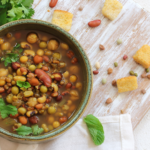
Organic lentils and beans deliver plant protein. Legumes provide fiber alongside protein. Combining with grains completes amino acids. Understanding plant sources helps. Variety improves nutrition.
Organic yogurt and kefir supply protein and probiotics. Greek yogurt concentrates protein. Gut benefits accompany intake. Understanding dual benefits helps. Fermented foods deliver value.
Organic nuts provide protein and healthy fats. Almonds deliver 6 grams per ounce. Convenience supports goals. Understanding portions helps. Nuts offer portable protein.
Protein for Weight Loss
Protein for weight loss serves multiple functions. Satiety increases measurably. Muscle preservation occurs. Metabolism stays supported. Understanding benefits helps.
Higher protein increases fullness. Appetite decreases naturally. Overeating becomes less likely. Understanding satiety helps. Protein supports adherence.
Muscle preservation matters during weight loss. Losing muscle slows metabolism. Adequate protein protects lean mass. Understanding this helps. Preservation supports long-term success.
Protein requires more energy to digest. The thermic effect exceeds other macronutrients. Modest metabolic benefits result. Understanding this helps. Small advantages compound.
Higher protein suits calorie reduction well. Fewer calories still support muscle. Lean mass stays protected. Understanding this helps. Protein cushions the deficit.
Sustainable approaches beat extreme ones. Gradual changes last longer. Adequate protein supports sustainability. Understanding this helps. Consistency drives real results.
Foods for blood sugar balance include quality proteins. Protein moderates glucose response. Understanding connections helps. Balanced meals support stability. Knowledge guides planning.
Distributing Protein Throughout the Day
Distribution matters alongside total intake. Spreading protein across meals helps. Muscle protein synthesis responds better. Understanding timing helps. Even distribution optimizes results.
Aiming for 25 to 30 grams per meal works well. This amount stimulates synthesis effectively. Three to four meals distribute intake. Understanding thresholds helps. Consistency beats concentration.
Breakfast often lacks protein. Many people skip morning protein. Adding eggs or yogurt helps. Understanding gaps helps. Morning protein supports satiety.
Organic peanut butter adds convenient protein. Two tablespoons deliver 8 grams. Versatility helps. Understanding options helps. Simple additions accumulate.
Signs of Inadequate Protein
Inadequate protein produces recognizable signs. Muscle loss occurs gradually. Recovery slows noticeably. Understanding signs helps. Awareness prompts adjustment.
Persistent hunger suggests low protein. Satiety depends on adequate intake. Frequent hunger signals gaps. Understanding this helps. Protein satisfies effectively.
Slow recovery indicates insufficient protein. Muscles repair using amino acids. Prolonged soreness suggests gaps. Understanding recovery helps. Protein supports repair.
Weakened immunity may reflect low protein. Immune cells require amino acids. Frequent illness raises questions. Understanding connections helps. Adequate protein supports defense.
Quality Matters Alongside Quantity
Protein quality varies between sources. Complete proteins contain all essential amino acids. Incomplete sources need combining. Understanding quality helps. Sources differ meaningfully.
Animal proteins provide complete profiles. Eggs, dairy, meat, and fish deliver all essentials. Bioavailability proves high. Understanding completeness helps. Animal sources simplify planning.
Plant proteins often lack certain amino acids. Combining sources completes profiles. Rice and beans work together. Understanding combinations helps. Variety solves the problem.
Combining across the day suffices. Every meal need not be complete. Daily variety covers requirements. Understanding this simplifies planning.
Organic vegan foods support plant-based protein goals. Variety ensures completeness. Understanding plant options helps. Planning supports adequacy. Knowledge guides choices.
Practical Ways to Hit Your Target
Reaching protein targets requires planning. Random eating rarely suffices. Simple strategies help. Understanding tactics simplifies execution. Small changes accumulate quickly.
Anchoring each meal with protein works. Choose the protein source first. Build the rest around it. Understanding this order helps. Structure supports consistency.
Prepping protein ahead saves effort. Batch cooking eggs or legumes helps. Ready sources prevent shortfalls. Understanding preparation helps. Convenience drives adherence.
Reading nutrition panels reveals amounts. Package labels state protein grams. Tracking briefly builds awareness. Understanding portions helps. Knowledge replaces guessing.
Adding protein to existing meals works well. Yogurt joins breakfast. Legumes join salads. Nuts join snacks. Understanding additions helps. Layering builds totals.
Plant Versus Animal Protein Considerations
Both plant and animal proteins support health. Each offers distinct advantages. Understanding differences helps planning. Choice depends on preference and values.
Animal protein delivers higher amounts per serving. Bioavailability proves excellent. Complete amino acid profiles simplify planning. Understanding density helps. Efficiency favors animal sources.
Plant protein brings fiber alongside. Legumes deliver both nutrients together. Digestive benefits accompany intake. Understanding this dual value helps. Fiber adds significant advantage.
Plant-based eaters need slightly more protein. Lower bioavailability requires adjustment. Adding roughly 10 percent compensates. Understanding this helps. Planning bridges the difference.
Combining approaches works for many. Flexible eating includes both. Variety improves nutrient coverage. Understanding flexibility helps. Balance suits most people.
Common Protein Myths
Excessive protein does not automatically build muscle. Training drives adaptation. Protein supports it. Understanding this prevents waste. More is not always better.
Healthy kidneys handle normal protein intake. Concerns apply to existing kidney disease. Research supports safety for healthy people. Understanding this reduces worry. Context matters.
Protein timing matters less than total intake. The anabolic window proves wider than believed. Daily totals dominate results. Understanding this simplifies planning. Consistency wins.
Shop organic on a budget includes protein strategies. Eggs and legumes cost less. Understanding value helps. Budget protein exists. Knowledge optimizes spending.
The Bottom Line
Daily protein intake depends on body weight, activity, age, and goals rather than a single universal number. Sedentary adults need roughly 0.8 grams per kilogram, active people need 1.2 to 1.4, and strength training or weight loss phases push requirements to 1.6 or higher. Older adults benefit from increased intake to preserve muscle. Distributing 25 to 30 grams across three or four meals optimizes results better than concentrating intake. Prioritize quality organic sources like eggs, legumes, yogurt, and nuts. Total daily intake matters more than precise timing.
If you have kidney disease or another medical condition, talk with a doctor or registered dietitian before significantly changing your protein intake.
Frequently Asked Questions
1. How much protein do I need per day? Daily protein intake depends on weight, activity, and goals. Sedentary adults need roughly 0.8 grams per kilogram. Active people need 1.2 to 1.4. Strength training pushes needs to 1.6 or higher.
2. How do I calculate protein per kg? Multiply your body weight in kilograms by your activity multiplier. A 70 kilogram sedentary adult needs about 56 grams. An active person at 1.4 grams per kilogram needs roughly 98 grams daily.
3. Do protein requirements change by age? Yes. Children need protein for growth. Adults maintain with moderate intake. Older adults benefit from 1.0 to 1.2 grams per kilogram because muscle loss accelerates with age.
4. What are the best high protein organic foods? Organic eggs deliver about 6 grams each. Greek yogurt concentrates protein. Lentils and beans provide plant protein with fiber. Nuts offer portable protein. Variety improves overall nutrition.
5. Does protein help with weight loss? Protein increases satiety, preserves lean muscle during calorie reduction, and has a higher thermic effect than other macronutrients. These combined effects support adherence and better body composition outcomes.
6. Should I spread protein across meals? Yes. Aiming for 25 to 30 grams per meal stimulates muscle protein synthesis effectively. Three or four meals distribute intake well. Even distribution generally beats concentrating protein in one meal.
7. Is plant protein as good as animal protein? Both support health. Animal protein offers complete amino acid profiles and higher bioavailability. Plant protein brings fiber alongside. Plant-based eaters may need roughly 10 percent more protein.
8. What are signs of not eating enough protein? Persistent hunger, gradual muscle loss, slow recovery after exercise, and frequent illness may suggest inadequate intake. These signs warrant reviewing your daily totals and adjusting sources accordingly.











[…] Daily protein intake explains your requirements. Understanding targets helps. Beef contributes efficiently. Knowledge guides planning. […]
[…] Daily protein intake explains overall requirements. Understanding targets helps. Distribution timing adds nuance. Knowledge guides comprehensive planning. […]
[…] Daily protein intake explains that total daily amounts matter most. Understanding this priority helps. Timing represents a secondary consideration. Knowledge redirects focus appropriately. […]
[…] Daily protein intake explains your personal targets. Understanding requirements helps. Lentils contribute efficiently toward daily goals. Knowledge guides meal planning. […]