

Vegan and vegetarian diets provide significant environmental and ethical benefits. Without proper planning, these diets create nutritional deficiencies: incomplete amino acids, inadequate iron absorption, insufficient vitamin B12, and suboptimal omega-3 intake.
Organic vegan foods address both ethical concerns and nutritional completeness simultaneously. Strategic organic plant-based sourcing provides complete amino acid profiles, superior micronutrient density, and sustainable nutrition supporting long-term health.
This guide covers essential vegan grocery items, complete protein combining, micronutrient optimization, practical meal planning, and how organic sourcing eliminates pesticide exposure while supporting plant-based health goals.
The Nutritional Challenges of Plant-Based Diets
Incomplete Amino Acid Profiles
Most individual plant proteins lack one or more essential amino acids. Beans lack methionine. Grains lack lysine. Nuts lack leucine.
Vegan diets require strategic food combining creating complete amino acid profiles from incomplete sources. This planning complexity creates risk for nutritional gaps.
Iron Absorption Differences
Plant-based iron (non-heme iron) has 5-10% bioavailability compared to animal iron (heme iron) at 15-35% bioavailability. Vegan diets require higher iron quantity for equivalent absorption.
Organic plant sources provide higher iron concentration than conventional sources. Pairing organic iron sources with organic vitamin C sources enhances absorption significantly.
Vitamin B12 Absence
Vitamin B12 appears only in animal products and fortified foods. Vegan diets require supplementation or consistent consumption of fortified organic foods.
This is not optional. B12 deficiency causes irreversible neurological damage. Strategic sourcing or supplementation is mandatory.
Omega-3 Limitations
Plant-based omega-3 sources provide ALA (alpha-linolenic acid) requiring conversion to EPA and DHA. Conversion efficiency is 5-10%.
Vegan diets require higher ALA consumption and strategic supplementation with algae-based omega-3 sources providing direct EPA and DHA.
Essential Organic Foods for Vegan Diets
Complete Protein Plant Sources
Organic quinoa provides all nine essential amino acids in single ingredient. 8g complete protein per cooked cup, low glycemic index, exceptional micronutrient density.
Our guide on organic quinoa benefits covers how complete protein grains deliver all essential amino acids for vegan nutrition.
Organic soy products (tofu, tempeh, edamame) provide complete amino acids with superior bioavailability for plant protein. Fermented tempeh provides easier digestibility than tofu.
Organic hemp seeds provide all nine essential amino acids. 10g protein per 3 tablespoons, excellent omega-3 content from plant sources.
Legume and Grain Combinations
Strategic combining creates complete amino acids:
Organic beans with organic rice (methionine from beans, lysine from rice).
Organic lentils with organic wheat (lysine from lentils, methionine from wheat).
Organic chickpeas with organic quinoa (complete from quinoa, enhanced by chickpea complementarity).
Our guide on organic grains for blood sugar discusses grain selection supporting complete protein combining.
Iron-Rich Organic Foods
Organic spinach provides 6.4mg iron per cooked cup. Pair with organic citrus for vitamin C enhancing absorption significantly.
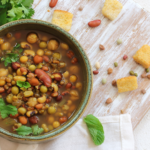
Organic lentils provide 6.6mg iron per cooked cup. Combine with organic tomatoes providing vitamin C boosting iron bioavailability.
Organic pumpkin seeds provide 8.8mg iron per quarter cup. Include organic lemon juice for absorption enhancement.
Organic blackstrap molasses provides 3.6mg iron per tablespoon. Consume with organic orange juice enhancing absorption.
Calcium-Rich Organic Foods
Organic leafy greens (kale, collards, bok choy) provide highly bioavailable calcium. Organic spinach contains oxalates reducing calcium availability.
Organic fortified plant milks provide 300mg calcium per serving. Choose organic soy milk for complete protein alongside calcium.
Organic tahini provides 426mg calcium per three tablespoons. Include in smoothies and salad dressings daily.
Organic almonds provide 264mg calcium per ounce. Include as snack or smoothie ingredient supporting daily calcium targets.
Omega-3 Plant Sources
Organic flax seeds provide 2,300mg ALA omega-3 per tablespoon. Ground flax improves absorption compared to whole seeds.
Organic chia seeds provide 4,900mg ALA omega-3 per ounce. Superior bioavailability compared to flax, easier digestion.
Organic walnuts provide 2,540mg ALA omega-3 per ounce. Include daily as snack or recipe ingredient.
Organic algae-based supplements provide direct EPA and DHA. This bypasses conversion limitation of plant ALA sources.
Vegan Grocery Essentials Table
| Category | Organic Options | Protein Content | Key Nutrients | Use Cases |
|---|---|---|---|---|
| Complete Proteins | Quinoa, tempeh, hemp seeds, soy | 8-19g per serving | All 9 amino acids | Base meals |
| Legumes | Lentils, chickpeas, beans, peas | 15-19g per cooked cup | Iron, folate, fiber | Combining with grains |
| Grains | Brown rice, millet, oats, wheat | 4-8g per cooked cup | B vitamins, magnesium | Protein combining |
| Seeds | Pumpkin, sunflower, flax, chia | 6-10g per ounce | Iron, omega-3, calcium | Snacks, toppings |
| Nuts | Almonds, walnuts, cashews | 5-7g per ounce | Calcium, omega-3, healthy fat | Snacks, butters |
| Vegetables | Spinach, kale, broccoli, peppers | 2-5g per serving | Iron, calcium, vitamins | All meals |
| Fruits | Berries, citrus, bananas, avocado | 1-3g per serving | Vitamin C, antioxidants | Vitamin C pairing |
| Fortified Foods | Plant milks, nutritional yeast | 4-8g per serving | Calcium, B12, D | Daily incorporation |
Complete Vegan Protein Combining
Breakfast Combining
Organic oatmeal (4g protein) with organic almond milk (1g), organic almonds (6g), organic hemp seeds (10g), and organic berries.
Total: 21g complete protein from complementary sources. Sustained breakfast satiety without animal products.
Lunch Combining
Organic lentil salad (18g protein) with organic quinoa (8g), organic chickpeas (10g), organic spinach (3g), and organic tahini dressing (3g).
Total: 42g complete protein from strategic plant combining. Superior satiety and micronutrient density.
Dinner Combining
Organic tempeh stir-fry (19g protein) with organic brown rice (5g), organic broccoli (4g), organic sesame seeds (5g), and organic cashew cream (4g).
Total: 37g complete protein from fermented soy and grain combining. Complete amino acids and digestive support.
Snack Strategy
Organic hummus (4g) with organic pita bread (6g) and organic vegetable crudités.
Organic nuts and seeds (7-10g) with organic fruit.
Organic plant-based yogurt (10g) with organic granola and berries.
Micronutrient Optimization Strategy
Iron Optimization
Consume organic iron sources with organic vitamin C sources daily. Spinach salad with organic citrus dressing. Lentil soup with organic tomatoes.
Avoid consuming iron sources with organic tea or organic coffee, which contain compounds reducing iron absorption.
Supplement with organic iron if blood work indicates deficiency. Plant-based iron requires strategic enhancement.
Calcium Optimization
Consume 3-4 servings daily from organic calcium-rich foods. Organic plant milk breakfast. Organic tahini lunch. Organic leafy greens dinner. Organic almond snack.
Total daily calcium from food sources reaches 1,200mg supporting bone health without supplementation.
B12 Management
Consume organic fortified plant milk daily (3-4 servings providing 12mcg B12). Include organic nutritional yeast in meals (8mcg B12 per tablespoon).
Supplement with organic B12 supplement if food sources cannot meet 25mcg daily requirement. B12 deficiency is not optional to ignore.
Omega-3 Optimization
Include organic flax seeds, chia seeds, or walnuts daily. Organic ground flax in smoothies. Organic chia pudding as breakfast. Organic walnuts as snack.
Supplement with algae-based omega-3 providing EPA and DHA (1,000-2,000mg combined daily).
Plant-Based Organic Meal Plan Framework
Daily Structure
Breakfast: Organic complete grains with organic plant protein and organic fruit.
Lunch: Organic legume and grain combining with organic vegetables and organic healthy fat.
Dinner: Organic soy-based complete protein with organic whole grain and organic vegetables.
Snacks: Organic nuts, seeds, and fruit throughout day.
Our guide on organic plate method for diabetes discusses balanced plate structure applicable to vegan meal planning.
Weekly Rotation
Vary organic protein sources (quinoa, tempeh, lentils, beans, nuts) preventing boredom and ensuring micronutrient diversity.
Rotate organic vegetables and fruits across seasons maximizing nutrient variety and supporting local organic farmers.
Include organic fortified foods (plant milk, nutritional yeast) ensuring adequate B12 and other nutrients.
Our guide on organic diet for weight loss discusses how complete organic nutrition supports sustained satiety.
Vegan Pantry Essentials
Proteins (Base Stock)
Organic quinoa, organic brown rice, organic lentils, organic chickpeas, organic tempeh, organic tofu, organic hemp seeds.
These items create complete amino acids when strategically combined.
Flavor Builders
Organic nutritional yeast (B12 source, umami flavor), organic soy sauce, organic coconut aminos, organic tahini, organic peanut butter.
These items enhance flavor without animal products.
Healthy Fats
Organic olive oil, organic coconut oil, organic nuts, organic seeds, organic avocado, organic nut butters.
These items support hormone production and nutrient absorption.
Micronutrient Dense
Organic dark leafy greens, organic berries, organic citrus, organic root vegetables, organic mushrooms.
These items provide vitamins and minerals supporting long-term vegan health.
Common Vegan Nutritional Gaps
Vitamin D Deficiency
Plant sources rarely provide vitamin D. Fortified organic plant milk provides 2.4mcg per serving. Supplementation with organic vegan vitamin D is practical necessity.
Zinc Absorption
Plant-based zinc has lower bioavailability than animal zinc. Organic legumes, seeds, and nuts provide zinc. Soaking and sprouting enhance absorption.
Iodine Limitation
Plant-based iodine depends entirely on soil iodine content. Organic iodized sea salt or organic seaweed provides iodine safety.
Vitamin A Bioavailability
Plant-based beta-carotene requires conversion to active vitamin A. Pair organic orange vegetables with organic healthy fats enhancing conversion and absorption.
Our guide on berries for heart health discusses how organic produce antioxidants support vegan cardiovascular health.
Budget-Conscious Vegan Organic Strategy
Buy in Bulk
Organic grains, legumes, nuts, and seeds cost 30-50% less in bulk. Purchase quarterly storing in airtight containers.
Our guide on buying organic in bulk covers storage and cost-saving strategies applicable to vegan pantry building.
Seasonal Focus
Organic vegetables and fruits cost less in season. Build meal plans around seasonal availability maximizing value.
Supplement Strategically
Budget for B12 and omega-3 supplementation as non-negotiable. Prevent deficiency-related health costs far exceeding supplement price.
The Bottom Line
Vegan and vegetarian diets provide environmental and ethical benefits. Organic plant-based sourcing provides nutritional completeness supporting long-term health.
Strategic protein combining, micronutrient optimization, and supplement management create sustainable vegan nutrition. Organic sourcing eliminates pesticide exposure while supporting plant-based values.
Plant-based vegan living is fully achievable with proper planning and organic food selection. Health, ethics, and sustainability align when approach is strategic.
Frequently Asked Questions
Q1: Can vegans get complete amino acids from plants? Yes. Individual plant proteins are often incomplete, but strategic combining creates complete amino acids. Legumes with grains, soy products with vegetables, or complete proteins like quinoa and hemp seeds provide all nine essential amino acids. Planning is required compared to animal proteins providing completeness in single servings.
Q2: What organic foods provide the most vegan protein? Organic tempeh provides 19g protein per 100g with complete amino acids. Organic lentils provide 18g per cooked cup. Organic chickpeas provide 19g per cooked cup. Organic quinoa provides 8g complete protein per cooked cup. Organic soy products consistently rank highest in vegan protein.
Q3: How do vegans get enough iron? Organic spinach, lentils, pumpkin seeds, and blackstrap molasses provide iron. Pair iron sources with organic vitamin C sources enhancing absorption. Plant-based iron requires higher quantity and strategic pairing compared to animal iron. Supplement if blood work indicates deficiency.
Q4: Is vitamin B12 supplementation necessary for vegans? Yes. Vitamin B12 appears only in animal products. Vegans must either consume fortified organic foods (plant milk, nutritional yeast) providing 25mcg daily or supplement. B12 deficiency causes irreversible neurological damage. Supplementation is mandatory.
Q5: What is the best vegan omega-3 source? Organic flax seeds, chia seeds, and walnuts provide ALA omega-3 with 5-10% conversion efficiency to EPA and DHA. Algae-based supplements provide direct EPA and DHA bypassing conversion limitations. Combining plant sources with algae supplementation optimizes vegan omega-3 intake.
Q6: Can vegans build muscle on organic plant-based diets? Yes. Consuming adequate protein from organic combined sources, consuming sufficient total calories, and strength training builds muscle equally to omnivorous diets. Complete amino acid profiles from strategic plant combining support muscle protein synthesis. Calorie and protein quantity matter more than source.
Q7: What is the most budget-friendly vegan organic approach? Buy organic grains, legumes, and seeds in bulk costing 30-50% less. Focus on seasonal organic vegetables. Strategically supplement B12 and omega-3. Purchase fortified organic plant milk providing calcium and B12. Bulk buying combined with seasonal focus creates sustainable vegan organic nutrition on budget.
Q8: How do vegans optimize calcium without dairy? Organic leafy greens (kale, collards, bok choy), organic fortified plant milk, organic tahini, and organic almonds provide bioavailable calcium. Consuming three to four servings daily from these sources reaches 1,200mg calcium supporting bone health. Oxalate-rich greens like spinach should be limited.


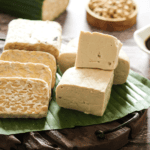


[…] Organic vegan foods explores tempeh among comprehensive plant options. Understanding this category helps. Tempeh fits prominently within thoughtful plant-based planning. Knowledge guides dietary choices. […]