

High protein organic foods support muscle, satiety, and metabolic health across every eating style. Organic protein sources eliminate synthetic pesticide exposure. Plant protein foods deliver fiber alongside amino acids. Understanding complete protein diet principles simplifies planning. Knowledge transforms your grocery list fundamentally.
Most people default to the same two or three protein sources. Variety improves nutrition measurably. Organic options exist across every category. Understanding your choices expands possibilities. Awareness builds better meals.
Why Choose Organic Protein Sources
Organic protein sources reduce chemical exposure meaningfully. Animals eat organic feed. Crops grow without synthetic pesticides. Certification verifies compliance. Understanding benefits justifies cost.
Animal proteins concentrate what animals consume. Feed quality affects meat quality. Organic feed eliminates synthetic pesticide residues. Understanding this concentration effect helps. Sourcing matters significantly.
Organic livestock standards prohibit growth hormones. Routine antibiotics face restrictions. Living conditions meet welfare requirements. Understanding standards adds value. Certification means comprehensive rules.
Plant proteins benefit from organic too. Legumes and grains absorb what soil provides. Organic soil lacks synthetic pesticide inputs. Understanding this helps. Sourcing affects every category.
Organic meat certification explains rigorous standards. Understanding certification helps. Verification ensures compliance. Standards protect health. Knowledge guides purchasing.
Complete Protein Diet Fundamentals
Complete protein diet planning centers on amino acids. Nine essential amino acids matter. Bodies cannot produce them. Food must supply them. Understanding essentials guides choices.
Complete proteins contain all nine essentials. Animal sources typically qualify. Some plants qualify too. Understanding completeness simplifies planning. Sources differ meaningfully.
Incomplete proteins lack certain amino acids. Most plants fall here. Combining sources solves this. Understanding combinations helps. Variety fixes gaps naturally.
Daily variety matters more than per-meal completeness. Bodies pool amino acids. Combining across the day works. Understanding this simplifies planning. Perfection proves unnecessary.
Daily protein intake explains how much you need. Understanding targets helps. Requirements vary by person. Knowledge guides planning. Numbers clarify goals.
High Protein Organic Foods Comparison Table
| Food | Protein Per Serving | Serving Size | Complete Protein | Best For |
|---|---|---|---|---|
| Organic eggs | 6 g | 1 large egg | Yes | Any diet |
| Greek yogurt | 17 g | 170 g cup | Yes | Vegetarian |
| Lentils | 18 g | 1 cup cooked | No | Plant-based |
| Chickpeas | 15 g | 1 cup cooked | No | Plant-based |
| Quinoa | 8 g | 1 cup cooked | Yes | Gluten-free |
| Almonds | 6 g | 1 ounce | No | Snacking |
| Tempeh | 31 g | 1 cup | Yes | Plant-based |
| Salmon | 25 g | 100 g fillet | Yes | Omega-3 focus |
Animal-Based Organic Protein Sources
Organic eggs deliver efficient complete protein. Each egg provides roughly 6 grams. Bioavailability ranks among the highest. Understanding quality helps. Eggs suit most diets.
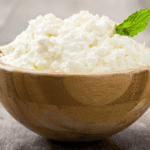
Organic yogurt and kefir supply protein plus probiotics. Greek yogurt concentrates protein substantially. Gut benefits accompany intake. Understanding dual value helps. Fermented foods deliver more.
Wild vs farm raised salmon clarifies seafood choices. Salmon provides complete protein plus omega-3s. Sourcing affects quality. Understanding differences helps. Selection matters.
Organic poultry offers lean protein. Chicken breast concentrates protein efficiently. Organic standards apply comprehensively. Understanding sourcing helps. Certification adds value.
Plant Protein Foods Worth Prioritizing
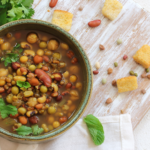
Organic lentils and beans anchor plant-based eating. Lentils deliver 18 grams per cooked cup. Fiber accompanies protein. Understanding legumes helps. Affordability adds appeal.
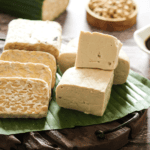
Tempeh delivers exceptional plant protein. Fermentation improves digestibility. One cup provides 31 grams. Understanding fermented soy helps. Complete amino acids qualify it.
Tofu offers versatile complete protein. Firm varieties concentrate protein. Cooking methods expand options. Understanding preparation helps. Versatility suits many dishes.
Organic quinoa benefits include complete protein status. Quinoa contains all essential amino acids. This rarity among plants matters. Understanding quinoa helps. Grains rarely qualify.
Organic nuts provide protein plus healthy fats. Almonds deliver 6 grams per ounce. Portability supports goals. Understanding portions helps. Convenience drives consistency.
Organic peanut butter adds accessible protein. Two tablespoons deliver 8 grams. Versatility helps. Understanding options helps. Simple additions accumulate.
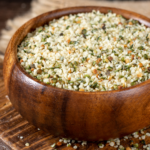
Seeds deserve more attention. Hemp seeds deliver 10 grams per three tablespoons. Pumpkin seeds add substantially. Understanding seeds helps. Small servings pack protein.
Protein-Rich Vegetables Often Overlooked
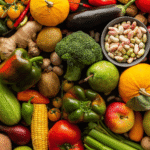
Protein-rich vegetables contribute meaningfully. Amounts stay modest individually. Totals accumulate across meals. Understanding contributions helps. Vegetables add up.
Organic spinach provides roughly 5 grams per cooked cup. Iron accompanies protein. Nutrient density impresses. Understanding greens helps. Vegetables contribute more than expected.
Broccoli delivers around 4 grams per cooked cup. Fiber and vitamin C accompany it. Understanding cruciferous vegetables helps. Nutrition extends beyond protein.
Green peas supply about 8 grams per cooked cup. Sweetness aids acceptance. Understanding peas helps. Legume-adjacent vegetables deliver protein.
Organic dark leafy greens support overall nutrition. Protein contributions add up. Understanding greens helps. Density matters alongside quantity.
Building Meals Around Protein
Anchoring meals with protein simplifies planning. Choose the protein first. Build sides around it. Understanding structure helps. Order creates consistency.
Breakfast often lacks adequate protein. Eggs or yogurt fix this quickly. Understanding morning gaps helps. Early protein supports satiety.
Distributing protein across meals optimizes results. Aiming for 25 to 30 grams per meal works. Understanding distribution helps. Spreading beats concentrating.
High protein organic snacks bridge meal gaps. Convenient options prevent shortfalls. Understanding snack strategies helps. Preparation supports consistency.
Protein for Different Dietary Patterns
Omnivores access every category easily. Animal and plant sources combine. Variety comes naturally. Understanding options helps. Flexibility simplifies planning.
Vegetarians rely on eggs and dairy. Complete proteins remain accessible. Legumes add variety. Understanding vegetarian sources helps. Adequacy proves straightforward.
Organic vegan foods require thoughtful planning. Combining sources ensures completeness. Slightly higher totals help. Understanding vegan needs helps. Planning bridges gaps.
Gluten-free eaters benefit from quinoa and legumes. Naturally gluten-free proteins abound. Understanding options helps. Restrictions rarely limit protein.
Athletes need higher totals daily. Training increases requirements substantially. Distributing across more meals helps. Understanding athletic needs guides planning.
Older adults benefit from increased intake. Muscle preservation becomes priority. Easily digestible sources help. Understanding aging needs matters. Eggs and dairy suit well.
Budget Considerations for Organic Protein
Organic protein costs vary dramatically. Eggs and legumes cost least. Meat costs most. Understanding price ranges helps. Budget shapes choices.
Legumes deliver exceptional value. Dried beans cost pennies per serving. Protein density impresses. Understanding value helps. Affordability enables consistency.
Eggs balance cost and quality well. Complete protein arrives cheaply. Versatility adds value. Understanding this helps. Eggs suit tight budgets.
Shop organic on a budget includes protein strategies. Prioritizing affordable sources helps. Understanding value optimizes spending. Knowledge stretches budgets.
Preparing Organic Proteins Well
Preparation affects both nutrition and enjoyment. Overcooking damages texture. Proper technique preserves quality. Understanding methods improves results measurably.
Eggs cook best gently. High heat toughens proteins. Soft scrambling preserves texture. Understanding heat helps. Gentle cooking wins.
Legumes need proper soaking. Overnight soaking improves digestibility. Cooking times shorten. Understanding preparation helps. Patience improves outcomes.
Tempeh benefits from steaming first. Brief steaming reduces bitterness. Marinades penetrate better afterward. Understanding this transforms results. Technique matters.
Fish cooks quickly. Overcooking dries it out. Removing at slightly underdone works. Understanding carryover cooking helps. Timing preserves moisture.
Batch cooking supports consistency. Preparing proteins ahead removes friction. Ready sources prevent shortfalls. Understanding preparation helps. Convenience drives adherence.
Combining Sources for Better Nutrition
Combining protein sources improves overall nutrition. Amino acid profiles complement each other. Micronutrients diversify. Understanding combinations helps planning.
Rice and beans form a classic pairing. Grains supply methionine. Legumes supply lysine. Together they complete profiles. Understanding this helps.
Hummus and whole grain bread work similarly. Chickpeas and wheat complement each other. Understanding pairings helps. Traditional cuisines discovered this naturally.
Nuts and legumes pair well too. Different amino acid strengths combine. Understanding this expands options. Snacking becomes strategic.
Adding small amounts of animal protein helps flexitarians. Eggs alongside legumes complete profiles easily. Understanding flexibility helps. Small additions bridge gaps.
Common Protein Mistakes
Relying on one source limits nutrition. Variety improves amino acid coverage. Micronutrients diversify too. Understanding this helps. Rotation benefits health.
Ignoring plant proteins wastes opportunity. Fiber accompanies plant sources. Costs stay lower. Understanding plants helps. Balance serves most people.
Overestimating protein needs wastes money. Marketing exaggerates requirements. Modest amounts suffice usually. Understanding actual needs helps. Science beats hype.
Neglecting breakfast protein creates gaps. Morning meals often skew carbohydrate-heavy. Understanding this helps. Simple additions fix it.
The Bottom Line
High protein organic foods span animal and plant categories, giving every diet workable options. Organic eggs, Greek yogurt, and salmon deliver complete proteins efficiently. Lentils, chickpeas, tempeh, and quinoa anchor plant-based eating with fiber alongside amino acids. Protein-rich vegetables like spinach, broccoli, and peas contribute more than most people realize. Daily variety matters more than per-meal completeness since bodies pool amino acids. Anchor each meal with a protein source, aim for 25 to 30 grams per meal, and prioritize affordable options like legumes and eggs to keep organic protein sustainable.
Frequently Asked Questions
1. What are the best high protein organic foods? Organic eggs, Greek yogurt, salmon, lentils, chickpeas, tempeh, and quinoa lead the list. Each delivers substantial protein. Animal sources offer complete profiles. Plant sources add fiber alongside protein.
2. Why choose organic protein sources? Organic standards eliminate synthetic pesticide exposure. Livestock eat organic feed. Growth hormones stay prohibited. Antibiotics face restrictions. Animals concentrate what they consume, making feed quality especially important.
3. What are the best plant protein foods? Tempeh delivers 31 grams per cup. Lentils provide 18 grams per cooked cup. Chickpeas offer 15 grams. Quinoa supplies complete protein. Nuts and seeds add convenient amounts.
4. What is a complete protein diet? Complete proteins contain all nine essential amino acids. Animal sources typically qualify. Quinoa and tempeh qualify among plants. Combining incomplete sources across the day achieves the same result.
5. Which vegetables are protein-rich? Green peas deliver about 8 grams per cooked cup. Spinach provides roughly 5 grams. Broccoli offers around 4 grams. Amounts stay modest individually but accumulate meaningfully across meals.
6. Do plant proteins need combining at every meal? No. Bodies pool amino acids throughout the day. Daily variety matters more than per-meal completeness. Eating diverse plant sources across meals achieves adequate amino acid coverage naturally.
7. How much protein should each meal contain? Aim for 25 to 30 grams per meal. This amount stimulates muscle protein synthesis effectively. Three or four meals distribute intake well. Spreading protein beats concentrating it.
8. What is the most affordable organic protein? Dried legumes deliver exceptional value at pennies per serving. Organic eggs balance cost and quality well. Both provide substantial protein cheaply, making consistent organic protein intake realistic on tight budgets.







[…] Complete protein diet fundamentals explain this combining principle broadly. Understanding daily variety helps. Bodies pool amino acids across meals. Knowledge simplifies practical planning. […]
[…] Complete protein diet fundamentals apply directly here. Understanding amino acid completeness helps. Hemp joins quinoa and soy in this select category. Knowledge highlights genuine rarity. […]