Healthy eating doesn’t require expensive superfoods. Budget-friendly nutrition starts with strategy not spending. Understanding cheap healthy food swaps eliminates the cost excuse entirely.
Most people believe healthy eating requires premium pricing. This false assumption prevents progress. Real nutrition lives at the grocery store basics section. Strategic shopping beats product marketing consistently.
Budget Nutrition Fundamentals
Whole foods cost less than processed alternatives. Dried beans cost a fraction of canned convenience. Brown rice feeds families for dollars. Potatoes provide carbohydrates at minimal cost.
Foods for blood sugar balance start cheap. Beans deliver fiber and protein affordably. Oats provide sustained energy at rock-bottom prices. Eggs offer complete protein beating superfoods per dollar.
Building nutrition around affordable foundations eliminates budget barriers. Healthy groceries on a budget requires prioritizing whole foods over convenience products.
Cheap Healthy Food Swaps
Replace expensive juice with water. Juice costs money without nutrition. Water hydrates supporting every body function. The swap saves hundreds annually.
Replace packaged snacks with whole food options. One apple costs less than processed bar claiming nutrition. Nuts cost more per ounce than chips yet deliver actual benefits. Strategic swaps compound.
Replace expensive supplements with affordable natural vitamin C food sources. Oranges and potatoes cost less than supplements. Actual food trumps bottled promises.
Replace conventional produce with organic frozen foods when fresh costs too much. Frozen vegetables retain 90-95% nutrients at lower cost. Flash freezing captures peak nutrition affordably.
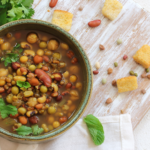
Replace meat every meal with legume-based proteins. Organic lentils and beans cost a fraction of meat while delivering protein and fiber. Budget-friendly meals build around beans naturally.
Replace bottled dressings with simple oil and vinegar. Homemade versions cost pennies. Bottled alternatives cost dollars. Quality improves while expenses drop.
Affordable Healthy Meals Table
| Meal | Cost | Nutrition | Serving Count |
|---|---|---|---|
| Bean and rice bowl | $1.50 | Complete protein, fiber | 4 servings |
| Lentil soup | $2.00 | Protein, minerals, fiber | 6 servings |
| Egg scramble with vegetables | $1.75 | Complete protein, vitamins | 2 servings |
| Oatmeal with fruit | $1.00 | Carbs, fiber, antioxidants | 3 servings |
| Baked potato with beans | $1.25 | Carbs, protein, minerals | 2 servings |
| Pasta with tomato sauce | $1.50 | Carbs, lycopene, minerals | 3 servings |
| Chickpea curry | $2.25 | Protein, fat, spices | 4 servings |
| Vegetable stir-fry | $1.75 | Vegetables, minerals, fiber | 3 servings |
Budget Shopping Strategies
Buy store brands. Quality remains identical to name brands. Packaging differs. Price improves dramatically. Savings compound across every cart visit.
Buy seasonal produce. Strawberries cost less in summer. Winter squash costs less in fall. Seasonal shopping aligns with natural abundance. Prices reflect availability.
Buy in bulk. Dried beans, rice, oats purchased bulk cost less per pound. Initial expense seems higher. Per-meal cost drops significantly. Bulk buying sustains long-term savings.
Buy less meat. One chicken feeds multiple meals. Eggs provide complete protein cheaper than meat. Organic lentils and beans replace expensive proteins. Meals build around plants primarily.
Buy frozen. Flash-frozen vegetables capture peak nutrition at lower cost. Fresh produce travels degrading nutrients. Frozen captures peak quality affordably.
Skip packaged convenience. Granola bars cost more than oats. Frozen meals cost more than rice and beans. Convenience pricing funds marketing not nutrition. Savings eliminate this markup.
Building Healthy Meal Plans on Budget
Plan meals around affordable staples. Rice and beans appear multiple times weekly. Eggs feature multiple meals. Seasonal vegetables rotate affordably. Repetition beats expensive variety.
Prep ingredients Sunday. Cook large rice batches. Prepare bean portions. Chop vegetables. This Sunday work eliminates daily convenience temptation. Prepared meals stay cheaper.
Batch cook grains and legumes. Cook week-long rice supply. Prepare lentils in bulk. Refrigerate portions. Quick meal assembly beats takeout pricing completely.
Use whole vegetables. Carrots, celery, onions form cooking foundation. Bones from meat create broth. Everything becomes soup. Nothing wastes.
Cook double portions. Dinner becomes tomorrow’s lunch. One cooking effort feeds multiple meals. Labor cost drops per meal.
Organic food and weight loss Budget Benefits
Whole foods supporting weight loss cost less than processed alternatives. Beans provide fullness through fiber affordably. Potatoes satisfy cheaply. Water hydrates free.
Eating intentionally reduces excess spending on impulse foods. Budget focus encourages mindful consumption. Both money and calories decrease together.
Home cooking eliminates restaurant markup. Restaurant meals cost five times home versions. Cooking saves money while improving nutrition. Both budgets improve simultaneously.
Budget Nutrition Tips
Drink water eliminating beverage costs. Coffee and juice add costs without nutrition. Water hydrates free. Savings compound.
Shop lists avoiding impulse purchases. Impulse buying increases spending 30-50%. Written lists enforce priorities. Discipline saves money.
Avoid shopping hungry. Hunger-driven decisions increase spending 20-30%. Shopping full prevents emotional purchases. Discipline protects budget.
Check unit prices. Bulk packaging costs less per ounce. Store brands cost less per unit. Comparison shopping saves money systematically.
Use expiring food intentionally. Vegetables approaching expiration discount pricing. Accepting slightly soft produce stretches budgets. Imperfection cuts costs.
Dirty dozen and clean fifteen Budget Application
Buying conventional dirty dozen items saves money on highest-pesticide produce. Buying organic clean fifteen items skips unnecessary premiums. Strategic purchasing balances health and budget.
Skip organic entirely initially. Conventional produce beats processed takeout healthwise. Budget limitations require priorities. Whole foods matter before organic certification.
The Bottom Line
Healthy eating on budget requires strategy not wealth. Buy whole foods avoiding processed convenience. Cheap healthy food swaps eliminate expensive products. Build affordable healthy meals around beans, rice, eggs, and seasonal vegetables. Shop sales tracking unit prices. Batch cook investing Sunday time. Drink water replacing beverages. Skip packaged snacks. Plan meals preventing impulse purchases. Use dirty dozen and clean fifteen guidance prioritizing wisely. Budget nutrition lives at grocery store basics. Health doesn’t require wealth. Strategy replaces spending. Start today.
Frequently Asked Questions
1. What are the cheapest healthy foods? Beans, rice, oats, eggs, potatoes, and seasonal vegetables cost least. These whole foods provide complete nutrition affordably. Avoid processed convenience products costing more without nutritional benefit.
2. How can I eat healthy without spending much? Buy whole foods instead of processed. Cook meals from scratch. Skip restaurant dining. Buy store brands. Shop seasonal produce. Buy in bulk. Use frozen vegetables. These strategies reduce spending 50-70%.
3. What cheap healthy food swaps save the most money? Replace juice with water. Replace snack bars with apples. Replace supplements with whole foods. Replace meat every meal with beans. Replace packaged dressing with oil and vinegar. Replace convenient processed with home-cooked.
4. Are frozen vegetables as healthy as fresh? Yes. Frozen retain 90-95% nutrients compared to fresh after transport. Frozen cost less than fresh. Frozen never spoil. Frozen vegetables provide better value nutritionally and financially.
5. How do I plan affordable healthy meals? Build meals around affordable staples: beans, rice, eggs, seasonal vegetables. Cook double portions using leftovers for lunch. Batch cook grains and beans Sunday. Prep vegetables ahead. Simplicity saves time and money.
6. What’s the best way to save on groceries? Shop lists avoiding impulse buys. Check unit prices comparing options. Buy store brands. Shop seasonal produce. Buy bulk dried goods. Skip convenience products. Track spending identifying waste patterns.
7. Can I eat organic on a budget? Partial organic transition works within budgets. Use Dirty Dozen and Clean Fifteen guidance. Buy organic high-pesticide produce. Skip organic for Clean Fifteen items. Frozen organic cost less than fresh organic.
8. How much should healthy groceries cost monthly? One person typically spends $150-200 eating whole foods. Family of four spends $400-600. Processed convenience costs 30-50% more. Cooking from scratch keeps costs manageable.