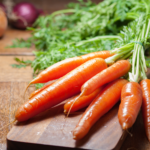
Switching to organic food transforms gut health measurably. Pesticides disrupt beneficial bacteria. Organic diet microbiome improves dramatically. Gut health determines overall wellness. Understanding this connection changes everything.
Your gut contains trillions of bacteria. These microbes control immunity. Digestion improves through healthy bacteria. Mental health connects to gut bacteria. Nutrition shapes bacterial communities. Organic choices matter fundamentally.
Why Pesticides Harm Gut Bacteria
Conventional farming relies on heavy pesticide spraying. Residues persist on produce entering digestive systems. Pesticides kill beneficial bacteria directly. Microbial diversity decreases. Harmful bacteria multiply unopposed. Imbalance develops causing problems.
Glyphosate, the most common pesticide, damages bacterial membranes. Research shows direct antimicrobial effects. Beneficial bacteria suffer disproportionately. Harmful bacteria prove more resistant. Microbiome shifts unfavorably. Leaky gut develops.
Organic food labels explained clarifies pesticide-free sourcing. Certification verifies safety. Third-party testing confirms. Organic farming eliminates synthetic pesticides. Microbiome protection begins immediately.
Organic Diet Microbiome Improvements
Switching to organic foods increases bacterial diversity immediately. Studies show measurable changes within weeks. Beneficial bacteria populations recover. Harmful bacteria populations decline. Gut health improves noticeably.
Fiber becomes accessible. Organic vegetables contain higher fiber. Pesticide residues don’t interfere. Beneficial bacteria ferment fiber producing short-chain fatty acids. Gut lining strengthens. Nutrient absorption improves.
Organic frozen foods retain fiber effectively. Flash freezing preserves nutrients. Beneficial bacteria access complete nutrition. Digestion functions optimally. Health improvements compound.
Gut-Friendly Organic Foods Supporting Wellness
Leafy greens top the list. Organic spinach provides minerals and fiber. Gut bacteria ferment these compounds. Beneficial metabolites develop. Health emerges naturally.
Berries deliver polyphenols feeding beneficial bacteria. Berries for heart health also support digestion. Microbiome diversity increases. Cardiovascular benefits follow. Multiple benefits align perfectly.
Organic lentils and beans provide resistant starch. These compounds feed beneficial bacteria specifically. Fermentation creates butyrate. Gut lining heals. Energy production improves.
Organic oats contain beta-glucans supporting bacteria. Soluble fiber feeds microbes. Satiety improves. Blood sugar stabilizes. Digestion strengthens.
Garlic and onions work prebiotic magic. Inulin feeds beneficial bacteria selectively. Harmful bacteria starve relatively. Balance shifts favorably. Immune function strengthens.
Prebiotic Organic Foods Feeding Beneficial Bacteria
Prebiotics are food components bacteria ferment. They selectively feed beneficial species. Organic diet microbiome improves through targeted nutrition.
Asparagus delivers inulin prebiotic fiber. Bananas contain resistant starch. Chicory root provides FOS. Honey supplies oligosaccharides. All feed beneficial bacteria preferentially.
Combining prebiotics with probiotics works synergistically. Prebiotics feed probiotic bacteria. Populations explode beneficially. Diversity skyrockets. Health compounds exponentially.
Leaky Gut Diet Supporting Barrier Function
Leaky gut occurs when tight junctions weaken. Undigested particles cross into bloodstream. Immune system attacks. Inflammation spreads. Symptoms worsen progressively.
Organic foods heal leaky gut naturally. L-glutamine rebuilds barrier cells. Bone broth provides this amino acid. Organic broths work perfectly. Gut lining seals. Symptoms resolve.
Foods for blood sugar balance reduce inflammation. Stable glucose prevents barrier damage. Organic vegetables deliver polyphenols. Anti-inflammatory compounds protect gut. Healing accelerates measurably.
Omega-3 fats support gut barrier. Fish provides EPA and DHA. Flax provides ALA. Seeds and nuts contribute. Balance restores. Permeability decreases.
Organic Fiber Sources Feeding Microbiota
Fiber is essential. Most Americans consume 15 grams daily. Recommendations suggest 25-35 grams. Gap exists significantly.
Organic vegetables provide superior fiber. No pesticide interference. Bacteria digest completely. Maximum fermentation occurs. Benefits multiply.
Whole grains deliver complete fiber. Organic oats work simply. Brown rice provides fiber. Quinoa contributes completely. Variety ensures coverage.
Organic lentils and beans exceed most sources. Legumes combine fiber with protein. Fermentation creates beneficial metabolites. Energy production increases. Weight management improves.
Seeds and nuts add fiber easily. Hemp seeds provide omega-3 and fiber. Chia seeds absorb liquid creating satiety. Flax seeds deliver lignans. Variety ensures consistent consumption.
Organic Food and Gut Health Comparison Table
| Food Category | Fiber Content | Key Nutrients | Bacterial Effect | Best Form |
|---|---|---|---|---|
| Leafy Greens | High (2-4g per cup) | Minerals, polyphenols | Diversity increases | Fresh organic |
| Berries | Moderate (3-8g per cup) | Anthocyanins, vitamins | Beneficial bacteria feed | Fresh or frozen |
| Legumes | Very High (6-8g per serving) | Protein, resistant starch | Butyrate production | Cooked organic |
| Whole Grains | Moderate (3-4g per serving) | B vitamins, minerals | Slow fermentation | Organic certified |
| Vegetables | Moderate (2-4g per serving) | Varied nutrients | Diversity promotion | Fresh organic |
| Nuts/Seeds | Moderate (2-4g per ounce) | Omega-3s, minerals | Prebiotic effect | Raw organic |
| Garlic/Onions | Moderate (2-3g per serving) | Inulin, sulfur compounds | Selective feeding | Fresh organic |
Building Organic Gut Health Routine
Start by increasing fiber gradually. Rapid increases cause bloating. Two weeks allows adaptation. Beneficial bacteria population changes. Comfort improves steadily.
Add diverse vegetables daily. Aim for rainbow variety. Different colors provide different nutrients. Bacteria utilize varied compounds. Diversity increases measurably.
Include fermented foods supporting probiotics. Organic sauerkraut provides beneficial bacteria. Kombucha contributes living cultures. Organic yogurt adds probiotics. These foods colonize healthy bacteria. Populations establish firmly.
Shop organic on a budget makes this sustainable. Bulk purchasing reduces costs. Seasonal eating increases affordability. Budget flexibility enables consistency. Health improvement compounds over time.
Timeline Expecting Results
Week one through four: Microbiome shifts begin. Beneficial bacteria increase. Harmful bacteria decline. Energy may dip initially. Adaptation proceeds.
Week five through twelve: Energy increases noticeably. Digestion improves measurably. Bloating decreases. Mental clarity improves. Sleep quality deepens.
Month four through six: Significant changes become obvious. Weight management improves. Skin clarity develops. Immune function strengthens. Results multiply consistently.
Longer term: Sustained improvements continue. Chronic inflammation resolves. Disease risk decreases. Quality of life increases substantially. Benefits compound indefinitely.
Supporting Sustainable living
Organic farming protects ecosystems. Soil health strengthens. Water quality improves. Biodiversity increases. Individual choices compound globally.
Gut health connects to planetary health. Healing yourself heals the world. Choosing organic aligns personal wellness with environmental responsibility. Win-win alignment occurs naturally.
The Bottom Line
Switching to organic food improves gut health measurably. Pesticides kill beneficial bacteria directly. Organic diet microbiome improves dramatically. Gut-friendly organic foods rebuild microbiota completely. Prebiotic organic foods feed beneficial bacteria selectively. Leaky gut diet heals barrier function. Organic fiber sources fuel bacterial fermentation. Organic food labels explained clarifies certification standards. Organic frozen foods preserve nutrients effectively. Organic spinach delivers fiber and minerals. Berries for heart health support digestion equally. Organic lentils and beans provide resistant starch. Organic oats contain beta-glucans. Foods for blood sugar balance reduce inflammation. Shop organic on a budget enables sustainability. Sustainable living aligns health with environmental responsibility. Start today. Add organic vegetables. Include diverse fiber sources. Build consistency over weeks. Expect results within four to six weeks. Wellness improves measurably. Life transforms profoundly.
Frequently Asked Questions
1. How does organic food improve gut health? Conventional farming relies on heavy pesticide spraying. Residues kill beneficial bacteria directly. Organic food eliminates pesticide exposure. Beneficial bacteria recover. Microbiome diversity increases. Gut health improves measurably.
2. What is organic diet microbiome effect? Switching to organic increases bacterial diversity immediately. Studies show measurable changes within weeks. Beneficial bacteria populations recover quickly. Harmful bacteria populations decline. Gut function normalizes.
3. What are gut-friendly organic foods? Leafy greens support microbiota. Berries deliver polyphenols. Legumes provide resistant starch. Whole grains contain beta-glucans. Garlic and onions feed beneficial bacteria. Variety ensures comprehensive coverage.
4. What are prebiotic organic foods? Prebiotics feed beneficial bacteria selectively. Asparagus delivers inulin. Bananas contain resistant starch. Chicory root provides FOS. Honey supplies oligosaccharides. These compounds feed beneficial bacteria preferentially.
5. How do I heal leaky gut naturally? Organic foods seal barrier cells. L-glutamine rebuilds gut lining. Bone broth provides this amino acid. Omega-3 fats reduce inflammation. Polyphenols protect gut. Healing occurs within weeks.
6. What are best organic fiber sources? Leafy greens provide superior fiber. Whole grains deliver complete fiber. Legumes exceed most fiber sources. Seeds and nuts add fiber. Vegetables contribute moderately. Variety ensures adequate intake.
7. How quickly does gut health improve? Week one through four: Microbiome shifts begin. Energy may dip initially. Adaptation proceeds.
Week five through twelve: Energy increases noticeably. Digestion improves. Bloating decreases. Mental clarity improves.
Month four through six: Significant changes become obvious. Chronic inflammation resolves. Disease risk decreases.
8. How much fiber should I eat daily? Most Americans consume 15 grams daily. Recommendations suggest 25-35 grams. Gap exists significantly. Increase gradually preventing bloating. Build to recommended levels over weeks. Consistency matters more than quantity.