

Most home bakers focus on technique. But ingredient quality influences the final result just as much as any mixing method or oven temperature.
Organic baking ingredients matter in two measurable ways. First, they reduce residue exposure. A 2024 analysis found detectable glyphosate in a majority of tested conventional oat products in the US, and those residues transfer directly to milled flour. Second, organic dairy, eggs, and honey carry genuinely different nutritional profiles driven by how the source animals were raised.
This guide covers every major organic baking ingredient, how it compares to conventional, and practical tips for building a clean baking pantry.
Why Organic Ingredients Matter in Baking
Baking concentrates ingredients. A loaf of bread uses several cups of flour. A batch of cookies uses a full cup of butter, multiple eggs, and a cup of sweetener. Whatever those ingredients contain, including pesticide residues, synthetic additives, and bleaching agents, concentrates into every serving.
Organic certification governs both growing inputs and processing. USDA organic flour must be grown without synthetic pesticides and milled without chemical bleaching. Organic eggs come from hens with outdoor access and no antibiotic exposure. Organic butter must meet pasture-access requirements that change the product’s fatty acid composition.
For a clear breakdown of what those certification requirements actually mean, our Organic Certifications Explained guide covers every tier of the USDA organic seal. For understanding how conventional growing methods affect what ends up in food, our guide on What Pesticides Are Used in Organic Farming explains the full picture.
Organic Flours: The Foundation of Everything
Flour is the single most important baking ingredient in most recipes. It is also the ingredient where organic certification matters most, because flour is consumed in the largest quantities and carries the highest residue risk among conventional grain crops.
All-Purpose and Bread Flour
Organic all-purpose flour and organic bread flour are milled from certified organic hard wheat. They are unbleached, which matters because conventional bleached flour is treated with chlorine dioxide, benzoyl peroxide, or azodicarbonamide to whiten and age it artificially. Organic certification prohibits all three.
Unbleached organic flour has a slightly creamier color, subtle wheaty flavor, and identical baking performance to bleached equivalents. For bread, pizza dough, and anything requiring gluten development, organic bread flour produces excellent results.
Whole Wheat and Whole Grain Flours
Organic whole wheat flour retains the bran and germ, which is where both the fiber and pesticide residues concentrate in conventional wheat. Buying organic matters more for whole wheat than for white flour precisely because the bran layer, which carries the highest residue load, stays intact.
Whole wheat flour adds fiber, B vitamins, and earthy flavor depth. Replace up to 50% of white flour with whole wheat in most recipes without structural issues. Beyond 50%, add extra liquid and a longer rest time to allow the bran to hydrate.
Specialty Baking Flours
The site already has a dedicated guide covering flour choices for Gluten-Free Baking with Organic Flour in detail. For standard baking, organic spelt flour is worth noting as a particularly versatile option. Spelt has a slightly nutty sweetness and contains more protein than standard wheat, making it well-suited for cookies, muffins, and quick breads. It is also easier to digest than modern wheat for some people due to its different gluten structure.
For oat-based baking, organic certified gluten-free oat flour delivers a mild, slightly sweet flavor that performs well in cookies and pancakes. Our dedicated Organic Oat Flour guide covers substitution ratios and specific recipe applications.
Organic Sugars and Sweeteners
Sugar affects more than sweetness in baking. It controls moisture retention, browning through Maillard reaction, and structural tenderness. Choosing the right organic sweetener affects both flavor and baking performance.
| Sweetener | GI | Sweetness vs. White Sugar | Best Baking Use |
|---|---|---|---|
| Organic cane sugar | 60 to 65 | Equal | Universal, all recipes |
| Coconut sugar | 54 | Slightly less | Cookies, muffins, quick breads |
| Organic honey (raw) | 58 | 1.25x sweeter | Moist cakes, glazes, granola |
| Organic maple syrup | 54 | 1x (different profile) | Pancakes, loaf cakes, granola bars |
| Organic blackstrap molasses | 55 | Strong, bitter-sweet | Gingerbread, dark bread, BBQ glazes |
| Organic date sugar | 42 | Slightly less | Dense cakes, energy balls |
Organic cane sugar is white or raw cane sugar grown without synthetic pesticides and processed without bone char. It performs identically to conventional sugar in all applications. Our guide on Is Organic Cane Sugar Healthy? covers the production difference in detail.
Coconut sugar substitutes 1:1 by volume and adds a caramel depth of flavor. For a full breakdown of its GI, nutrition, and baking behavior, our Coconut Sugar Guide covers every aspect.
Organic honey adds moisture and a distinct flavor. Because it is liquid, reduce other liquids by 3 to 4 tablespoons per cup of honey used and lower the oven temperature by 25°F to prevent over-browning. Our Organic Honey guide covers what to look for when buying raw versus processed versions.
Liquid sweeteners like maple syrup and honey are hygroscopic, meaning baked goods made with them stay moist longer than those made with granulated sugar.
Organic Fats: Butter, Oils, and Alternatives
Fat creates tenderness, carries flavor, affects texture, and controls how baked goods brown. Organic fats differ from conventional in the content of what the source animal ate, which directly changes the product’s fatty acid composition.
Organic Butter
Organic butter from pasture-raised cows contains significantly more conjugated linoleic acid (CLA) and omega-3 fatty acids than conventional butter. The richer yellow color of quality organic butter indicates higher beta-carotene content from grass. In baking, this translates to a more complex, rounded flavor, particularly noticeable in shortbread, pie crust, and anything where butter is a primary flavor ingredient.
Organic dairy certification requires minimum pasture access of 120 days per year. For a full comparison of how organic dairy differs nutritionally, see our Organic vs. Conventional Dairy guide.
Organic Coconut Oil
Organic unrefined coconut oil has a melting point of around 76°F (24°C), which gives cookies and biscuits a firmer snap at room temperature and a softer crumb when warm. It works as a 1:1 butter substitute in most recipes but adds a distinct coconut flavor. Refined organic coconut oil has a more neutral flavor for recipes where the coconut note is unwanted.
Organic Olive Oil
Extra-virgin organic olive oil works exceptionally well in Mediterranean-style cakes, quick breads, and savory baking. It produces a tender, moist crumb and adds depth. Use it 1:1 for vegetable oil in muffins and loaf cakes. Its polyphenol content survives light baking temperatures reasonably well.
Organic Eggs and Dairy
Organic Eggs
Organic eggs come from hens with outdoor access, certified feed, and no routine antibiotic exposure. Richer yolk color indicates higher carotenoid content, which produces deeper yellow cake crumb and richer custards. Functionally, organic eggs perform identically to conventional in structure, emulsification, and leavening.
Organic Milk and Buttermilk
Organic whole milk contains higher omega-3 fatty acids than conventional. In baking, buttermilk’s acidity activates baking soda, tenderizes gluten, and adds a subtle tang to cakes and quick breads. The flavor difference in organic buttermilk is noticeable in recipes where it is a primary liquid. Our Organic Dairy: Is It Worth the Price? guide covers the nutritional evidence.
Organic Leaveners, Extracts, and Flavor Ingredients
Leavening Agents
Conventional baking powder frequently contains sodium aluminum sulfate (SAS), which can leave a metallic aftertaste and has been studied in the context of aluminum intake. Aluminum-free versions use cream of tartar or sodium acid pyrophosphate instead. Several organic-certified brands use aluminum-free formulations with no performance difference in home baking.
Vanilla
Organic vanilla extract uses certified organic beans and ethanol without synthetic additives. Conventional imitation vanilla uses vanillin synthesized from petrochemicals. The flavor difference is immediately noticeable in custards, shortbread, and vanilla cake where vanilla is a primary flavor.
Always look for “organic vanilla extract” rather than “organic natural vanilla flavor,” which can still include non-vanilla sources under food labeling rules. Our guide on What Are Organic Natural Flavors? explains how natural flavoring labeling works and what it actually means.
Organic Spices and Cocoa
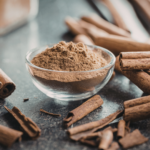
Organic cinnamon, nutmeg, and ginger go through significant volume in regular baking. These crops are frequently treated with ethylene oxide (ETO), a fumigant used to sterilize spices that has been classified as a human carcinogen. Organic certification prohibits ETO and irradiation, making the organic label specifically meaningful for spices used in quantity.
Organic cocoa and cacao powder come from certified organic cacao beans grown without synthetic pesticides. They also tend to avoid dutching (alkalization) methods that reduce antioxidant content in conventional cocoa. For a detailed guide on organic chocolate and cacao percentages, our Organic Dark Chocolate guide covers what to look for.
Building Your Organic Baking Pantry: Priority Order
Not all organic upgrades deliver equal value. Prioritize in this order based on residue risk and flavor impact:
| Priority | Ingredient | Reason |
|---|---|---|
| 1 | Flour (all types) | Highest volume use; pesticide residues concentrate in whole grain versions |
| 2 | Spices (cinnamon, nutmeg, ginger) | ETO fumigation risk in conventional; flavor impact also significant |
| 3 | Vanilla extract | Major flavor difference vs. synthetic vanillin |
| 4 | Butter and eggs | Nutritional profile genuinely differs; flavor impact in primary roles |
| 5 | Sweeteners (sugar, honey, coconut sugar) | Residue reduction; organic processing standards (no bone char) |
| 6 | Cocoa and chocolate | Pesticide and processing differences; antioxidant retention |
| 7 | Milk and buttermilk | Nutritional profile difference; less critical for occasional use |
For practical budget strategies when stocking an organic pantry, our guide on How to Shop Organic on a Budget covers bulk buying and store-brand organic options that significantly reduce per-unit cost.
FAQs
Q1: Does organic flour make a difference in baking? Yes, in two ways. Organic flour is grown without synthetic pesticides and milled without chemical bleaching agents like chlorine dioxide or azodicarbonamide. It has a slightly creamier color and a more complex, wheaty flavor than bleached conventional flour. Baking performance is identical, but residue exposure is significantly lower, particularly in whole wheat versions where the bran layer retains the highest pesticide load.
Q2: What is the best organic sugar for baking? Organic cane sugar performs identically to conventional sugar in all applications and is the safest all-purpose choice. Coconut sugar (GI 54) substitutes 1:1 and adds caramel depth. Organic honey adds moisture but requires adjusting liquids and lowering oven temperature. Organic maple syrup works well in granola, pancakes, and loaf cakes. The best choice depends on the flavor profile of the recipe.
Q3: Can I use organic coconut oil instead of butter in baking? Yes, at a 1:1 ratio by volume. Organic unrefined coconut oil adds a distinct coconut flavor, which suits some recipes (cookies, tropical cakes, granola) and not others. Refined organic coconut oil is more neutral. Coconut oil has a higher melting point than butter in the finished baked good, producing a firmer snap in cookies at room temperature and a softer crumb when warm.
Q4: Why does organic vanilla extract taste better than imitation vanilla? Organic vanilla extract uses real vanilla beans and organic ethanol. Imitation vanilla uses synthetic vanillin derived from wood pulp or petrochemicals. Real vanilla contains over 200 flavoring compounds beyond vanillin, which gives it a complexity that synthetic alternatives cannot replicate. The difference is most noticeable in recipes where vanilla is a primary flavor, such as custards, shortbread, and buttercream.
Q5: Are organic spices worth buying for baking? Yes, and this is one of the highest-priority organic swaps. Conventional spices including cinnamon, nutmeg, and ginger are often sterilized with ethylene oxide (ETO), a fumigant classified as a human carcinogen. Organic certification prohibits both ETO and irradiation. Given that spices are used repeatedly in large quantities across a baking pantry, the cumulative exposure reduction is meaningful.
Q6: What organic flour works best for cookies? Organic all-purpose flour works in all standard cookie recipes. Organic spelt flour adds a slightly nutty sweetness and is excellent in shortbread, oat-style, and whole-grain cookies. For gluten-free cookies, organic almond flour produces the most reliably moist and tender results. Avoid 100% whole wheat flour in cookies as it makes them dense and dry without recipe adjustments.
Q7: Does organic butter make a noticeable difference in baking? Yes, particularly in recipes where butter is the primary flavor carrier. Organic butter from pasture-raised cows has a richer yellow color (indicating higher beta-carotene from grass), more complex flavor, and higher conjugated linoleic acid (CLA) and omega-3 content than conventional butter. The difference is most noticeable in shortbread, pie crust, and croissants where butter is both flavor and structure.
Q8: In what order should I switch to organic baking ingredients? Prioritize in this order: flour first (highest volume, highest residue risk), then spices (ETO fumigation risk), vanilla (major flavor upgrade), then butter and eggs (nutritional and flavor difference), sweeteners (residue reduction, processing standards), cocoa and chocolate, and finally milk and buttermilk. This approach maximizes health and flavor benefit per dollar spent on the organic upgrade.
The Bottom Line
Organic baking ingredients matter most where ingredient volume is highest, residue risk is most documented, and flavor impact is most noticeable. Flour, spices, vanilla, and butter deliver the clearest returns on the organic premium in a baking context.
Building a clean baking pantry does not require switching everything at once. Start with flour and spices, add vanilla and butter as a second step, and work through the priority list from there.
For a broader look at how organic eating principles apply across the full kitchen, our guides on Health Benefits of Eating Organic and How to Spot Fake Organic Products build the complete decision framework.
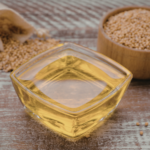



[…] Organic baking ingredients transform traditional recipes into organic versions. Organic flour, organic sugar, organic eggs, and organic butter create cookies, brownies, and cakes kids recognize. […]
[…] Organic baking ingredients form the foundation. Organic flour, organic sugar, organic baking powder, and organic baking soda enable rapid baking without special shopping trips. […]