Nectarines deliver everything a peach does, minus the fuzz, plus a slightly firmer texture and a more concentrated flavor profile that makes them one of summer’s most satisfying stone fruits.
But beneath that smooth, glossy skin sits a serious problem. Conventional nectarines consistently rank among the most pesticide-contaminated fruits in annual EWG testing. Their smooth, thin skin offers zero natural barrier against the chemical residues applied during conventional farming.
Organic nectarines eliminate that risk entirely while delivering exceptional vitamin C, beta-carotene, potassium, and polyphenol antioxidants in every bite. This guide covers the full nutrition profile, the proven health benefits, the nectarine versus peach distinction, and exactly how to buy, store, and use organic nectarines for maximum benefit.
Why Organic Nectarines Are a Dirty Dozen Priority
Nectarines rank firmly on the EWG 2026 Dirty Dozen list. Conventional nectarines carry residues from over 40 different pesticide compounds per sample, including multiple insecticides and fungicides applied during both growing and post-harvest handling.
The contamination problem is amplified by two factors unique to nectarines.
First, the smooth skin. Unlike peaches with their fuzzy surface, nectarines have a completely smooth, waxy skin that absorbs spray residues directly and uniformly across the entire surface. There is no textural barrier to slow penetration.
Second, nectarines are eaten whole. The skin is thin, edible, and nutritionally valuable. Most people eat it without thinking. Every residue on or embedded in that skin enters your body with every bite.
Washing helps modestly. Studies show standard water washing removes only 20 to 30 percent of surface residues from smooth-skinned stone fruits. The remainder sits in or below the skin surface and cannot be removed by any household method.
Certified organic nectarines are grown without synthetic pesticides or post-harvest chemical treatments. The skin is clean, the flesh is clean, and the full nutritional return of the fruit comes without the chemical burden.
For a complete ranking of produce by pesticide residue levels, our guide to the Dirty Dozen and Clean Fifteen covers the full 2026 EWG report in practical detail.
Nectarine vs Peach: What Is the Actual Difference?
Most people assume nectarines and peaches are different fruits. They are not. Nectarines are a genetic variant of the peach. A single recessive gene controls skin fuzz. Nectarines carry two copies of this recessive allele, which produces smooth skin instead of fuzzy skin.
| Feature | Nectarine | Peach |
|---|---|---|
| Botanical species | Prunus persica var. nucipersica | Prunus persica |
| Skin texture | Smooth, glossy | Fuzzy |
| Flavor | Slightly more aromatic, tangier | Sweeter, milder |
| Firmness | Firmer flesh | Softer, juicier |
| Vitamin C | Slightly higher | Slightly lower |
| Beta-carotene | Comparable | Comparable |
| Sugar content | Slightly lower | Slightly higher |
| Pesticide risk | Dirty Dozen (smooth skin absorbs more) | Dirty Dozen (fuzz traps more surface residue) |
| Best eating | Fresh, salads, grilling | Fresh, baking, preserves |
Both fruits share nearly identical nutritional profiles, but nectarines edge ahead on vitamin C and deliver a firmer texture that holds up better in cooking applications like grilling and roasting.
Both appear on the Dirty Dozen list. Our article on organic peaches covers the peach-specific pesticide and nutritional details in full.
Organic Nectarine Nutrition Profile
| Nutrient | Amount per 142g (1 medium nectarine) | % Daily Value |
|---|---|---|
| Calories | 62 kcal | 3% |
| Carbohydrates | 15g | 5% |
| Dietary Fiber | 2.4g | 9% |
| Sugars (natural) | 11g | – |
| Protein | 1.5g | 3% |
| Vitamin C | 7.7mg | 9% |
| Vitamin A (as beta-carotene) | 471 IU | 9% |
| Potassium | 287mg | 6% |
| Niacin (B3) | 1.6mg | 10% |
| Copper | 0.1mg | 11% |
| Lutein + Zeaxanthin | 130mcg | No DV set |
| Chlorogenic Acid | Present | Primary polyphenol antioxidant |
| Catechins | Present | Anti-inflammatory flavonoid |
| Beta-Carotene | 150mcg | Provitamin A source |
Source: USDA FoodData Central 2024
The niacin content at 10 percent of daily value is notable for a fruit. Niacin supports energy metabolism, DNA repair, and healthy cholesterol ratios. Most fruits deliver negligible niacin, making nectarines a quietly valuable source.
The polyphenol profile, dominated by chlorogenic acid and catechins concentrated in the skin, provides the bulk of the antioxidant and anti-inflammatory benefit. This is another reason organic is essential: you need to eat the skin to get these compounds, and eating conventional nectarine skin means ingesting concentrated pesticide residues alongside them.
Top Health Benefits of Organic Nectarines
Potent Antioxidant Protection
Chlorogenic acid and catechins in organic nectarine skin neutralize free radicals and reduce oxidative stress at the cellular level. These compounds are the same polyphenols found in green tea and coffee, delivered here in a whole food form with superior bioavailability.
A 2021 study in the Journal of Food Composition and Analysis confirmed that organically grown stone fruits retain significantly higher polyphenol concentrations than conventionally grown equivalents. Our article on the health benefits of eating organic covers the research on why organic produce consistently delivers higher antioxidant content.
Cardiovascular Health
The potassium content in organic nectarines supports healthy blood pressure by counterbalancing sodium intake. The fiber and chlorogenic acid content contribute to reduced LDL cholesterol oxidation and improved arterial function.
Regular consumption of polyphenol-rich stone fruits is associated with measurably lower cardiovascular disease risk markers in long-term epidemiological studies. Our guide on organic food and heart health covers the broader dietary framework for cardiovascular protection.
Digestive Health and Regularity
The 2.4g of fiber per nectarine supports healthy bowel function. The soluble fiber component feeds beneficial gut bacteria and produces short-chain fatty acids that strengthen the intestinal barrier and reduce colonic inflammation.
A healthy gut microbiome supports immune resilience, hormone metabolism, and mood regulation. Our guide on organic diet and immunity covers the fiber-gut-immunity connection in detail.
Skin Health and Anti-Aging
Vitamin C, beta-carotene, and polyphenols in organic nectarines collectively support collagen synthesis, protect against UV-induced oxidative damage, and reduce visible signs of skin aging.
These compounds work from the inside out. Regular consumption of antioxidant-rich organic fruits delivers measurable improvements in skin elasticity, hydration, and protection that topical products alone cannot replicate.
Blood Sugar Moderation
Nectarines have a glycemic index of approximately 43, which is low for a naturally sweet fruit. The fiber content slows glucose absorption and moderates post-meal blood sugar response.
Chlorogenic acid also improves insulin sensitivity at the cellular level, which further supports blood sugar stability. For complementary low-glycemic food choices, our guide on low-sugar organic snacks covers options that work alongside antioxidant-rich fruits like nectarines.
Eye Health Protection
The lutein, zeaxanthin, and beta-carotene in organic nectarines protect retinal cells from oxidative damage caused by blue light and UV exposure. Regular dietary intake is associated with reduced risk of age-related macular degeneration.
Weight Management Support
At just 62 calories per medium fruit with 2.4g of fiber, organic nectarines deliver strong satiety relative to their calorie content. The natural sweetness satisfies cravings without processed sugar, making them an excellent clean snack choice.
Our guide on organic food for weight loss covers how whole organic fruits like nectarines fit within a structured weight management framework.
Best Organic Nectarine Varieties
| Variety | Flesh Color | Flavor Profile | Best Use | Peak Season |
|---|---|---|---|---|
| Fantasia | Yellow | Sweet, slightly tangy | Fresh eating, grilling | July to August |
| Arctic Star | White | Very sweet, low acid | Fresh eating, desserts | June to July |
| Sunraycer | Yellow | Balanced sweet-tart | Salads, salsas, baking | June to July |
| Honey Blaze | Yellow | Rich, honey-like | Fresh eating, cheese boards | July to August |
| Snow Queen | White | Delicate, floral | Fresh eating, smoothies | June |
| Flavortop | Yellow | Classic nectarine, firm | Grilling, cooking, preserves | July to August |
White-fleshed varieties tend to be sweeter with lower acidity. Yellow-fleshed varieties offer more beta-carotene and a bolder flavor that stands up better in cooked preparations.
How to Pick Perfectly Ripe Organic Nectarines
Nectarines ripen after harvest and continue developing flavor at room temperature.
Check the fragrance. A ripe nectarine produces a strong, sweet, floral aroma at the stem end. No aroma means the fruit needs more time at room temperature.
Check the give. Press gently near the stem. Slight give indicates ripeness. Completely firm means it needs 2 to 4 more days at room temperature.
Check the color. The background color (between the red blush zones) should shift from green to golden or creamy yellow. Green background indicates underripeness.
Avoid: Fruit with soft dark patches (overripeness), shriveled skin (dehydration from extended storage), or any fermented or sour smell (past optimal ripeness).
How to Store Organic Nectarines
| Ripeness Stage | Storage Method | Duration |
|---|---|---|
| Unripe (firm) | Room temperature, stem-side down | 2 to 4 days until ripe |
| Ripe | Refrigerator, unwrapped | 3 to 5 days |
| Cut nectarines | Airtight container with lemon juice | 1 to 2 days |
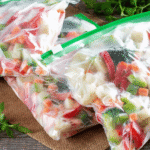
| Frozen (for cooking) | Sliced, airtight freezer bag | Up to 10 months |
Never refrigerate unripe nectarines. Cold temperatures halt ripening and produce a mealy, dry texture that never recovers. Always ripen at room temperature first, then refrigerate to extend the eating window.
Simple Ways to Use Organic Nectarines
Fresh eating. The simplest and most nutritionally complete method. Eat with the skin on for maximum polyphenol benefit.
Grilled. Halve and grill cut-side down for 3 to 4 minutes. The caramelized surface pairs beautifully with organic yogurt, honey, and a sprinkle of organic cinnamon for a clean dessert.
Salads. Slice thinly into arugula or spinach salads with goat cheese, walnuts, and a balsamic vinaigrette for a nutrient-dense lunch.
Smoothies. Blend frozen nectarine slices with organic banana, spinach, and yogurt for a thick, antioxidant-rich breakfast smoothie.
Salsas. Dice nectarines with red onion, cilantro, lime juice, and chili for a fresh summer salsa that pairs with grilled chicken or fish.
Baking. Use firm Flavortop or Fantasia varieties in crumbles, galettes, and tarts. Nectarines hold their shape under heat better than peaches.
For structured weekly meal ideas incorporating organic stone fruits, our 21-day organic meal plan includes seasonal fruit across breakfast, snack, and dessert preparations.
Buying Organic Nectarines: Practical Checklist
| What to Check | What Good Looks Like | Red Flag |
|---|---|---|
| Certification | USDA Organic sticker or PLU starting with 9 | No certification, PLU starting with 3 or 4 |
| Skin condition | Smooth, taut, vibrant color | Bruising, soft patches, or wrinkled skin |
| Fragrance | Sweet, floral at stem end | No aroma or fermented smell |
| Firmness | Slight give at stem end | Mushy throughout or rock hard |
| Origin | Domestic or clearly labeled import | No country of origin information |
Peak season for organic nectarines in most Northern Hemisphere markets runs from June through August. Buying during peak season from local producers delivers the freshest fruit at the lowest organic premium. Our guide on how to shop organic on a budget covers seasonal buying strategies across all Dirty Dozen produce categories.
FAQs
Q1: Are nectarines on the Dirty Dozen list? Yes. Nectarines consistently rank on the EWG Dirty Dozen list, carrying residues from over 40 different pesticide compounds per sample. Their smooth, thin skin absorbs residues directly with no natural barrier, making organic the only safe choice if you eat the skin, which is where the majority of the antioxidant benefit is concentrated.
Q2: What is the difference between a nectarine and a peach? Nectarines and peaches are the same species. A single recessive gene controls skin texture. Nectarines have smooth, glossy skin while peaches have fuzzy skin. Nutritionally they are nearly identical, though nectarines have slightly higher vitamin C and firmer flesh that holds up better in cooking applications.
Q3: Are organic nectarines more nutritious than conventional? Research shows organically grown stone fruits retain higher polyphenol and antioxidant concentrations than conventionally grown equivalents. The primary benefit of organic nectarines, however, is avoiding the 40-plus pesticide residues found on conventional samples that washing cannot fully remove.
Q4: How do I know when an organic nectarine is ripe? A ripe nectarine produces a strong sweet, floral fragrance at the stem end and yields slightly to gentle pressure near the stem. The background color between red blush zones should be golden or creamy yellow, not green. No aroma or completely firm texture means the fruit needs more time at room temperature.
Q5: Should I eat nectarine skin? Yes, always eat the skin on organic nectarines. The skin contains the highest concentration of chlorogenic acid, catechins, and beta-carotene. Peeling removes the majority of the antioxidant and polyphenol benefit. Only eat the skin on organic nectarines, as conventional skin carries concentrated pesticide residues.
Q6: How should I store organic nectarines? Ripen unripe nectarines at room temperature stem-side down for 2 to 4 days. Once ripe, transfer to the refrigerator unwrapped for 3 to 5 days. Never refrigerate unripe nectarines as cold temperatures halt ripening permanently and produce a mealy, dry texture.
Q7: Can I freeze organic nectarines? Yes. Slice ripe nectarines, remove the pit, and freeze in a single layer on a baking sheet before transferring to an airtight freezer bag. Frozen nectarines keep for up to 10 months and work well in smoothies, baking, and cooked preparations. Thawed nectarines lose their firm fresh-eating texture.
Q8: When is peak season for organic nectarines? Peak season runs from June through August in most Northern Hemisphere markets. Buying during peak season delivers the freshest fruit at the lowest organic premium. Off-season nectarines are typically imported and carry higher prices with lower flavor quality than locally sourced peak-season fruit.
The Bottom Line
Organic nectarines are one of the most antioxidant-rich, nutritionally rewarding summer fruits available. The vitamin C, beta-carotene, chlorogenic acid, and catechin content all concentrate in the smooth, thin skin that you eat with every bite.
But that same skin absorbs pesticide residues aggressively during conventional farming. With over 40 detected pesticide compounds per conventional sample, nectarines are a non-negotiable organic purchase for anyone serious about clean eating.
Buy organic. Eat the skin. Check the fragrance for ripeness. Use them across more meals than just snacking.
For a full understanding of why organic sourcing matters most for high-residue produce like nectarines, our guide on organic vs conventional foods provides the complete evidence-based comparison across all produce categories.