

The organic label on a protein powder used to be a reasonable shortcut for quality. The 2025 and 2026 testing data has complicated that picture significantly.
The Clean Label Project’s most recent protein powder study tested 160 products from 70 of the top-selling brands, covering 83% of the US market. Of the products tested, 47% exceeded California Proposition 65 safety thresholds for toxic metals. Organic protein powders, on average, showed higher levels of heavy metal contamination, with three times more lead and twice the amount of cadmium compared to non-organic products. Plant-based proteins had three times more lead than whey-based alternatives. Chocolate-flavored powders had four times more lead than vanilla.
This does not mean organic protein powder is a bad choice. It means the organic certification label alone is insufficient. Understanding what to look for beyond the USDA seal is now the most important consumer skill in this category.
This guide covers every major organic protein powder type, how they compare nutritionally, what the heavy metal data actually means, and the exact label checks that separate a genuinely clean product from a misleading one.
Why People Choose Organic Protein Powder
The core appeal of organic protein powder is straightforward: the source ingredients were grown without synthetic pesticides, synthetic fertilizers, or GMO seeds, and the product was processed without prohibited synthetic additives. For people using protein powder daily over months and years, those input differences add up meaningfully.
The specific concerns that drive the organic protein market include:
- Pesticide residue carryover from conventionally grown source crops (rice, peas, hemp, oats)
- Synthetic growth hormones and antibiotics in conventional dairy-derived whey
- Artificial sweeteners (sucralose, acesulfame K) and artificial flavors
- Bleaching agents and processing chemicals in conventional manufacturing
- Synthetic emulsifiers (carrageenan, carboxymethylcellulose) in conventional products
These concerns are legitimate. But they are separate from the heavy metal question, which is a soil contamination issue that organic certification does not address because it applies to naturally occurring elements rather than synthetic inputs.
For a full understanding of what USDA organic certification actually covers and what it does not, our Organic Certifications Explained guide covers the framework in detail.
The Heavy Metal Reality: What the Data Shows
The 2025 Clean Label Project report is the most important consumer document in this space and warrants clear-headed analysis.
Plant proteins, including pea, rice, and hemp, are efficient at absorbing minerals from soil, including toxic heavy metals like lead and cadmium. When you concentrate 20 to 30 kilograms of source crop into one kilogram of powder, any soil contamination in the source plant is amplified. Organic certification prevents synthetic pesticide application but does not clean the soil of naturally occurring or historically deposited heavy metals.
Whey protein comes from milk. Cows act as biological filters and do not pass heavy metals into milk at the same rates as direct plant concentration. This explains the structural contamination difference between plant and dairy proteins: it is not a quality control failure by manufacturers but a biological consequence of how each protein source concentrates.
Plant-based protein powders were particularly concerning, showing three times more lead than whey-based alternatives, and chocolate-flavored powders contained four times more lead than vanilla.
Based on the Clean Label Project study, the products with the least lead are whey or collagen-based protein powders that are not chocolate-flavored.
The practical implications:
- For plant-based protein powder users: third-party testing verification (NSF Certified for Sport or Informed Sport, with published certificate of analysis) is non-negotiable, not optional
- For whey protein users: the contamination risk is structurally lower, but third-party verification still matters
- For everyone: vanilla flavors consistently test safer than chocolate across categories
- The organic label alone predicts higher, not lower, heavy metal levels in the current market
For a full breakdown of the organic vs grass-fed whey comparison and what certifications matter most, our Organic Whey Protein guide covers the sourcing evidence in depth.
Organic Protein Powder Types: Side-by-Side Comparison
| Type | Protein per 30g | PDCAAS | Complete AA | Heavy Metal Risk | Best For |
|---|---|---|---|---|---|
| Organic grass-fed whey concentrate | 22 to 24g | 1.0 | Yes | Lowest | Muscle building, general use |
| Organic grass-fed whey isolate | 25 to 27g | 1.0 | Yes | Very low | Lactose sensitive, lean protein |
| Organic pea protein isolate | 24 to 26g | 0.82 to 0.89 | Yes | Moderate to high | Vegan, iron support |
| Organic pea + rice blend | 22 to 25g | ~0.90 | Yes | Moderate | Vegan, complete amino profile |
| Organic hemp protein | 12 to 15g | ~0.66 | Yes | Variable | Whole-food advocates, omega-3 |
| Organic brown rice protein | 20 to 22g | ~0.47 | Incomplete | High (cadmium) | Limited; better blended |
| Organic soy protein isolate | 22 to 25g | 0.91 to 1.0 | Yes | Moderate | Budget vegan; allergen concern |
| Organic collagen peptides | 10 to 12g | Not complete | No | Low | Skin, joints, connective tissue |
Organic Whey Protein: The Benchmark
Organic whey protein from grass-fed, pasture-raised cows is the nutritional benchmark against which all other protein powders are measured. It delivers the highest PDCAAS score (1.0), the highest leucine content per serving (approximately 2.3 to 2.5 grams), the fastest absorption rate, and the lowest heavy metal contamination of any commonly sold protein powder type.
The organic and grass-fed certification layers add:
- No synthetic growth hormone (rBGH/rBST) residues
- No antibiotic residues
- Higher omega-3 fatty acids, CLA, and immunoglobulin concentrations than grain-fed equivalents
- No synthetic processing aids permitted under USDA organic standards
Concentrate vs isolate matters for lactose-sensitive users. Whey concentrate retains more bioactive compounds including lactoferrin and immunoglobulins but contains 3 to 5 grams of lactose per serving. Whey isolate removes most lactose and fat, delivering 90%+ protein but with reduced bioactive compound content.
For the complete evidence base on grass-fed whey versus conventional, our Whey Protein vs Plant Protein guide covers the head-to-head comparison across 13 factors with 2024-2025 research.
Organic Plant-Based Protein: The Right Approach
Organic plant-based protein powders are the appropriate choice for vegans, people with dairy allergies, and those prioritizing environmental sustainability. The challenge is doing it safely given the contamination landscape.
Organic pea protein isolate is the most researched and most nutritionally complete plant protein option. A 2023 Frontiers in Nutrition trial found pea protein produced equivalent muscle recovery and performance outcomes to whey in soccer athletes. At adequate dosing (35 to 40 grams versus whey’s 30 grams), the muscle-building evidence is comparable. Its high iron content (25 to 30% DV per serving) is a genuine advantage, particularly for women.
Organic pea-rice blend compensates for pea protein’s lower methionine with rice protein’s higher methionine content, producing a more complete amino acid spectrum. This is the gold standard plant protein formulation for both safety (lower cadmium risk than rice-only) and nutrition.
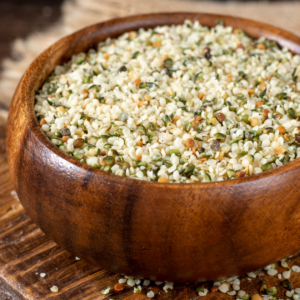
Organic hemp protein delivers full-spectrum nutrition including omega-3 fatty acids alongside protein, but at only 12 to 15 grams per 30-gram serving it requires larger scoops to hit protein targets. It suits whole-food dietary philosophies better than performance-focused protocols.
For the full evidence base on pea protein’s muscle-building research and how it compares to whey, our Organic Pea Protein guide covers dosage, timing, and iron content in detail.
Label Reading: What Separates Clean from Marketing
This is the most actionable section of this guide. The organic seal is the starting point, not the ending point.
| Label Element | What to Look For | Red Flags |
|---|---|---|
| Third-party certification | NSF Certified for Sport OR Informed Sport | No independent testing listed |
| Heavy metals testing | Published certificate of analysis (COA) | “Tested for heavy metals” with no COA available |
| Sweetener | Unsweetened, stevia, or monk fruit | Sucralose, acesulfame K, aspartame |
| Flavor | Vanilla or unflavored (safer profile) | Chocolate (consistently higher lead in testing) |
| Ingredient count | 3 to 7 ingredients | 15+ ingredients; synthetic additives |
| Sodium per serving | Under 250mg | Over 400mg (processing aid indicator) |
| Protein spiking | Leucine listed separately | Total protein listed without amino acid breakdown |
| Source transparency | Country of origin, farm sourcing stated | No sourcing information |
The most important single action: contact the brand and request a current certificate of analysis (COA) for the specific product lot you are buying. Legitimate brands with clean products publish these. Those who cannot or will not provide one are not worth the risk.
For evaluating organic supplement and food labels more broadly, our How to Spot Fake Organic Products guide covers what certification language actually guarantees versus what it permits.
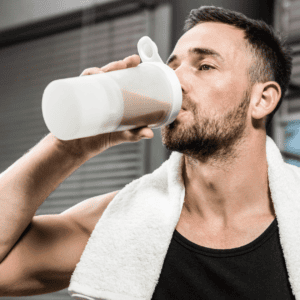
Post-Workout Timing and Daily Use
Protein powder timing affects how well your body uses what you take. The research is consistent on two windows.
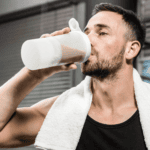
Post-workout (within 2 hours of training): The most studied window. Whey’s fast absorption rate produces the strongest documented muscle protein synthesis response in this period. For plant-based proteins, the same timing principle applies with slightly larger servings to match whey’s leucine delivery.
Morning after overnight fast: Consuming 25 to 35 grams of protein within the first hour of waking supports muscle protein synthesis after the overnight fasting period. A smoothie with organic protein powder, organic berries, and a fat source covers protein, antioxidants, and fat-soluble vitamin absorption simultaneously.
For smoothie and post-workout recipe ideas that pair well with organic protein powders, our Organic Drinks and Mocktails Recipes guide covers practical combinations. For building total daily protein from whole organic food sources alongside supplementation, our Organic Quinoa Nutrition guide covers complementary whole-food protein sources.
The Decision Framework: Whey or Plant?
The right choice depends on four factors:
| Your Situation | Best Choice |
|---|---|
| No dietary restrictions, maximum muscle building | Organic grass-fed whey concentrate or isolate |
| Lactose sensitive (not allergic) | Organic whey isolate |
| Vegan or dairy-free | Organic pea protein or pea-rice blend with third-party COA |
| Iron support needed (women, runners) | Organic pea protein (25-30% DV iron per serving) |
| Environmental priority | Organic hemp or pea protein |
| Minimizing heavy metal exposure | Organic whey isolate, vanilla flavor, NSF verified |
| Budget-conscious | Organic pea protein (lower cost per gram than whey) |
For men over 40 specifically managing testosterone, muscle mass, and cardiovascular health, whey’s complete leucine profile and bioactive compound content give it the edge. Our Organic Foods for Men Over 40 guide covers how protein powder fits into the full midlife nutritional picture.
FAQs
Q1: Is organic protein powder actually healthier than regular protein powder?
For pesticide residues, synthetic hormones, and artificial additive avoidance, organic protein powder is genuinely better. However, the 2025 Clean Label Project study found organic protein powders averaged three times more lead and twice the cadmium of non-organic products. This is because plant-based organic proteins concentrate heavy metals from soil during manufacturing, a problem organic certification does not address. The organic label is a starting point, not a safety guarantee. Always pair it with NSF or Informed Sport third-party certification.
Q2: Which type of organic protein powder is safest for heavy metals?
Based on the 2025 Clean Label Project study of 160 products, organic grass-fed whey protein in vanilla or unflavored varieties consistently showed the lowest heavy metal contamination. Whey-based proteins showed three to ten times less lead than plant-based alternatives because cows act as biological filters and do not pass heavy metals into milk at the same rate. Among plant options, organic pea protein showed lower cadmium than brown rice protein. Always buy brands with a published certificate of analysis.
Q3: What is the difference between organic whey concentrate and isolate?
Both come from the same source but are processed differently. Concentrate is less filtered, retaining more bioactive compounds including lactoferrin, immunoglobulins, and healthy fats, but contains 3 to 5 grams of lactose per serving. Isolate undergoes additional filtration, removing most lactose and fat to produce 90%+ protein content. Isolate is better for lactose-sensitive individuals. Concentrate is better for those who want the full bioactive compound profile including immune-supporting proteins.
Q4: Is organic pea protein safe to use daily?
Yes, when you choose a brand with third-party verified testing. Pea protein’s plant-based concentration process creates potential for heavy metal accumulation, so the safety is entirely dependent on the source soil quality and independent verification. Look for NSF Certified for Sport or Informed Sport certification with a published certificate of analysis showing lead, cadmium, arsenic, and mercury below safety thresholds. Vanilla or unflavored varieties consistently test safer than chocolate.
Q5: How much organic protein powder should I take per day?
For most active adults, one to two 30-gram servings per day effectively supplements a protein-adequate whole-food diet. For muscle building, 20 to 40 grams consumed within two hours post-workout is the evidence-backed protocol. Adults over 50 benefit from 1.6 to 2.0 grams of total protein per kilogram of bodyweight daily due to anabolic resistance. Plant-based protein users should use slightly larger servings (35 to 40 grams) to match whey’s leucine delivery.
Q6: What sweeteners should I avoid in organic protein powder?
Avoid sucralose, acesulfame potassium (acesulfame K), aspartame, and neotame. These are synthetic sweeteners that should not appear in a genuinely clean organic product. Acceptable sweeteners in organic protein powder include stevia leaf extract, monk fruit extract, organic coconut sugar, or no added sweetener. Avoid products where “organic natural flavors” is listed without further specification, as this term can cover a wide range of undisclosed flavor compounds.
Q7: Does organic protein powder build as much muscle as regular whey?
For organic grass-fed whey, yes — the nutritional profile (PDCAAS 1.0, leucine content, absorption rate) is equivalent to conventional whey with cleaner sourcing. For organic plant protein at matched doses, recent research including a 2023 Frontiers in Nutrition trial found comparable muscle recovery and performance outcomes to whey. The practical requirement for plant protein is slightly larger serving sizes to match whey’s leucine delivery of approximately 2.3 to 2.5 grams per 30-gram serving.
Q8: What third-party certifications should I look for on protein powder?
The two most rigorous independent certifications are NSF Certified for Sport and Informed Sport. Both independently verify that the product contains exactly what the label states, contains no banned substances, and meets heavy metal safety thresholds. The Clean Label Project Purity Award indicates non-detectable levels of lead, arsenic, cadmium, and mercury. Any of these three certifications, paired with a publicly available certificate of analysis, provides meaningful safety verification beyond what the USDA organic seal alone guarantees.
The Bottom Line
Organic protein powder is worth choosing over conventional for the same reasons organic food broadly makes sense: cleaner inputs, no synthetic hormones or antibiotics in dairy sources, no synthetic sweeteners or additives. But the organic certification does not solve the heavy metal problem and, in the current market, is statistically correlated with higher contamination due to plant-based soil concentration effects.
The three non-negotiables for any organic protein powder purchase: NSF Certified for Sport or Informed Sport certification, a publicly available certificate of analysis, and vanilla or unflavored rather than chocolate. These three checks reduce contamination risk more effectively than the organic label alone.
For the complete picture of organic protein nutrition from whole food sources, our guides on Health Benefits of Eating Organic and Red Kidney Beans cover the whole-food protein foundation that powders supplement rather than replace.






[…] convenience without sacrificing quality, organic protein powders fill gaps when whole meals are not practical. The choice between whey protein and plant protein […]