Store-bought bread crumbs cost more while creating unnecessary packaging waste. Homemade organic bread crumbs transform stale organic bread into valuable cooking ingredients. This single practice eliminates waste while saving money and improving meal quality.
Organic pantry staples form the foundation of effortless healthy cooking. Building an intentional pantry removes decision fatigue from daily meal preparation. Strategic pantry organization accelerates cooking while reducing food waste significantly.
Making Homemade Bread Crumbs
Save stale organic bread instead of discarding it. Dried bread transforms perfectly into usable crumbs. This zero-waste approach honors ingredient expense while solving a common disposal problem.
Tear stale organic bread into chunks. Spread on a baking sheet. Bake at 300 degrees for 15-20 minutes until completely dry. Cool completely. Pulse in a food processor until desired crumb size forms.
This method produces fresh organic bread crumbs in minutes. Results taste superior to store-bought versions because you control crumb texture and ingredient quality.
Panko vs. Traditional Bread Crumbs
Panko uses only bread interiors, creating larger crumbs and crispier coatings. Traditional organic bread crumbs include entire bread structure, producing finer crumbs and denser coatings.
Make panko by removing bread crust before drying. Save crusts for another purpose. Process interior pieces until larger chunks remain. This technique creates panko-style crumbs from ordinary bread.
Traditional crumbs come from using whole bread pieces including crusts. Process into finer crumbs. Use these for binding applications or breading delicate proteins.
Both versions store identically. Homemade crumbs remain fresh in airtight containers for two weeks at room temperature or three months frozen.
Building an Organic Pantry
Organic baking ingredients form the foundation. Organic flour, organic sugar, organic baking powder, and organic baking soda enable rapid baking without special shopping trips.
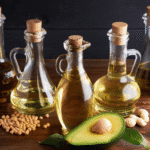
Organic olive oil serves multiple purposes. Use for cooking, drizzling, and salad dressing. Quality oil enhances every dish it touches. Buy in larger quantities for cost efficiency.
Organic eggs deserve constant stock. Eggs provide protein, richness, and binding in countless applications. Pasture-raised organic eggs taste noticeably superior to conventional alternatives.
Organic pasta and organic lentils and beans provide complete meals in pantry form. Keep varieties stored for quick dinner solutions when fresh ingredients run low.
Pantry Spices and Seasonings
Organic cinnamon appears constantly in sweet and savory applications. Genuine cinnamon quality varies dramatically. Organic certification ensures authentic sourcing and purity.
Organic honey replaces refined sugar across countless applications. Raw honey delivers enzymes and nutrients that processed sugar eliminates. Store indefinitely without special conditions.
Organic parmesan cheese enhances bread crumb coatings dramatically. Freshly grated parmesan tastes superior to pre-grated versions. One wedge lasts weeks when stored properly.
Salt and pepper represent the most essential seasonings. Quality matters significantly. Organic sea salt contains trace minerals missing from refined table salt.
Strategic Pantry Organization
Group items by function rather than storage location. Keep all baking ingredients together. Store cooking oils separately. Organize spices logically. This approach accelerates recipe preparation dramatically.
Label containers with purchase dates. First-in, first-out rotation prevents ingredient spoilage. Vacuum-sealed containers protect contents from air exposure and pest intrusion.
Invest in glass jars for dry goods. Glass protects contents while allowing visual inventory checks. Clear containers show exactly when restocking becomes necessary.
Homemade Organic Bread Crumb Variations
Toast bread crumbs lightly in olive oil with organic parmesan cheese for enhanced flavor. Dry toast without oil for lighter applications. Both versions improve dramatically over store-bought alternatives.
Italian-style crumbs mix dried organic bread with organic oregano, organic basil, and organic garlic powder. Create custom seasoning blends matching specific recipe requirements.
Gluten-free bread transforms into excellent bread crumbs using identical methods. Gluten-free bread dries slightly differently but produces usable crumbs equally well.
Panko-style crumbs work best for crunchy coatings. Traditional crumbs excel for baking applications and binding. Understand each type’s strengths before selecting.
Table: Pantry Staples by Cooking Function
| Function | Essential Item | Organic Option | Storage Duration |
|---|---|---|---|
| Baking | Flour | Organic all-purpose flour | 6 months |
| Baking | Leavening | Organic baking powder | 1 year |
| Cooking | Oil | Organic olive oil | 2 years |
| Protein | Beans | Organic canned beans | 2 years |
| Carbs | Pasta | Organic whole wheat pasta | 2 years |
| Seasoning | Honey | Organic raw honey | Indefinite |
| Seasoning | Spices | Organic cinnamon | 1 year |
Zero-Waste Bread Philosophy
Homemade bread crumbs represent conscious consumption. This single practice eliminates packaging waste while honoring ingredient expense. Scale this thinking across entire pantry usage.
Save vegetable scraps for stock. Preserve fruit ends for smoothies. Transform stale bread into crumbs. Reuse containers infinitely. These practices compound into massive waste reduction.
Organic food quality deserves respect and care. Homemade preparations honor that quality better than industrial alternatives ever could. Taking time to process ingredients demonstrates gratitude for their value.
The Bottom Line
Homemade organic bread crumbs cost nothing while improving cooking quality and eliminating waste simultaneously. Build an intentional organic pantry stocked with essential ingredients supporting countless meals. Understand panko versus traditional crumbs and when each serves best. Organize pantries strategically for quick meal preparation. Transform pantry staples into endless meal variations. This approach transforms organic cooking from complicated challenge into sustainable, economical habit that families maintain indefinitely.
Frequently Asked Questions
1. How do I make homemade bread crumbs? Tear stale organic bread into chunks. Spread on a baking sheet. Bake at 300 degrees for 15-20 minutes until completely dry. Cool completely. Pulse in a food processor until desired crumb size. Store in airtight containers.
2. What’s the difference between panko and traditional bread crumbs? Panko uses only bread interiors, creating larger crumbs and crispier coatings. Traditional crumbs include entire bread including crusts, producing finer crumbs and denser texture. Choose based on recipe requirements.
3. How long do homemade bread crumbs stay fresh? Homemade crumbs remain fresh in airtight containers for two weeks at room temperature or three months frozen. Store in cool, dry locations away from light and moisture.
4. Can I make gluten-free bread crumbs? Yes. Use gluten-free bread following identical methods. Gluten-free bread dries slightly differently but produces usable crumbs equally well. Results work perfectly in gluten-free recipes.
5. What are the essential organic pantry staples? Start with organic flour, organic baking powder, organic olive oil, organic eggs, organic pasta, organic beans, organic honey, and organic spices. These items enable countless meals without special shopping trips.
6. How do I organize my organic pantry efficiently? Group items by cooking function rather than storage location. Label containers with purchase dates. Use first-in, first-out rotation. Invest in clear glass jars showing inventory levels. This approach accelerates meal preparation.
7. How do I enhance homemade bread crumbs? Toast lightly in organic olive oil with organic parmesan cheese. Mix in organic spices like oregano or basil. Create custom blends matching specific recipes. These simple additions improve quality dramatically.
8. Can homemade bread crumbs replace store-bought versions? Absolutely. Homemade crumbs taste superior because you control quality and texture. Results cost nothing while eliminating packaging waste. This single practice provides measurable environmental impact.