Parents face an impossible choice: feed kids organic food or feed kids food they’ll actually eat. The premise is false. Kids absolutely eat organic food when parents present it strategically. The recipes that succeed combine simplicity for busy parents with flavors kids recognize.
This guide presents recipes parents genuinely enjoy making because they’re uncomplicated, taste genuinely good, and require minimal negotiation at the dinner table.
Understanding Kids and Organic Food
Children don’t reject organic food because it’s organic. They reject unfamiliar flavors, strange textures, and meals that look different from what peers eat. Serve organic mac and cheese instead of conventional, and most kids won’t notice the difference.
Parents succeed by making organic versions of kid-favorite meals. This strategy removes the “organic vs. conventional” debate entirely. Kids eat the food because it tastes good, not because parents lecture about where it came from.
Picky eaters respond to consistency. Serve the same trusted organic meals weekly. Rotating favorite foods builds comfort and acceptance. Kids gradually expand their palates when pressure disappears.
Breakfast: Setting Kids Up for Success
Organic oats in various forms dominate kid-friendly breakfast. Steel-cut oats feel fancy to kids but require no advanced cooking. Add organic honey and organic bananas. Kids call this a treat.
Organic pancakes use simple organic ingredients. Organic flour, organic eggs, organic milk, and organic baking powder. Top with organic fruit and organic maple syrup. This breakfast tastes indistinguishable from conventional pancakes.
Organic scrambled eggs with organic toast and organic fruit create balanced breakfasts kids recognize. Keep servings simple and plated separately. Kids eat better when foods don’t touch.
Organic yogurt parfaits with organic granola appeal to kids who enjoy building their own meals. Layer yogurt, organic berries, and granola. Kids feel invested in meals they assemble themselves.
Lunch: Lunchbox Winners That Sustain Energy
Organic sandwiches work perfectly for lunchboxes. Use organic bread, organic deli meat or peanut butter, and organic cheese. Add organic lettuce and organic tomato. Pack separately so bread stays fresh.
Organic pasta salad becomes a lunchbox staple. Mix cooked organic pasta with organic vegetables, organic cheese, and simple dressing. Kids eat cold pasta more readily than hot meals that cool during school.
Organic lunchbox ideas include cheese and organic fruit. Organic apples, organic strawberries, and organic blueberries pack easily and appeal to most kids without negotiation.
Organic crackers with organic peanut butter and organic jelly feel like lunch treats. Kids don’t realize this lunch supplies serious nutrition. Parents appreciate the simplicity.
Organic frozen foods create convenient lunchbox components. Frozen organic meatballs, frozen organic chicken nuggets, and frozen organic vegetables heat quickly. Pack in insulated containers with ice packs.
Dinner: Family Meals Without Stress
Organic pasta dishes dominate kid-friendly dinners. Cook organic pasta and top with organic sauce. Kids accept this meal with minimal resistance. Add organic vegetables to the sauce. Most kids don’t notice vegetables in tomato-based sauces.
Organic tacos solve picky eater problems completely. Set out organic ground beef or organic shredded chicken. Let kids build their own tacos with organic tortillas and preferred toppings. Kids eat more when they control assembly.
Chicken fingers work when made with organic chicken. Coat organic chicken strips in organic breadcrumbs and organic egg wash. Bake until crispy. Serve with organic sweet potato fries. Kids consume significant nutrition without realizing they’re eating “healthy.”
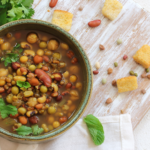
Organic lentils and beans create complete proteins kids recognize as chili. Brown organic ground meat, add organic beans, organic tomatoes, and organic spices. Simmer until flavors combine. Serve with organic rice or organic tortillas.
Organic eggs prepare quickly into kid-friendly fried rice. Use leftover organic rice, organic eggs, and organic frozen vegetables. Kids accept fried rice more readily than plain vegetable dishes.
Smart Snacking with Organic Ingredients
Organic peanut butter and organic crackers satisfy hungry kids between meals. This snack delivers protein, fat, and carbohydrates that sustain energy. Parents appreciate the simplicity.
Organic berries in the refrigerator always appeal to snacking kids. Organic blueberries are especially easy to grab. No preparation required. Kids eat more produce when convenient access removes barriers.
Organic dark chocolate with organic berries creates sophisticated snacks that feel indulgent. Kids believe they’re eating treats. Parents know they’re providing antioxidants.
Organic yogurt parfaits work as snacks or light meals. Layer organic yogurt with organic granola and organic fruit. Kids call this dessert. Parents recognize the balanced nutrition.
Baking: Making Treats Organic
Organic baking ingredients transform traditional recipes into organic versions. Organic flour, organic sugar, organic eggs, and organic butter create cookies, brownies, and cakes kids recognize.
Organic banana bread uses organic bananas, organic flour, organic eggs, and organic honey. This treat delivers fruit disguised as dessert. Kids happily eat banana bread multiple times weekly.
Organic honey replaces white sugar in many recipes. Kids won’t detect the difference. Use organic honey and organic flour to create muffins, quick breads, and simple cakes.
Organic peanut butter cookies use three ingredients. Organic peanut butter, organic sugar, and organic eggs. Mix and bake. These cookies satisfy cravings while delivering real nutrition.
Drinks Kids Love
Organic smoothies combine organic frozen fruit, organic yogurt, and organic milk. Blend until smooth. Kids consume multiple servings of fruit without negotiation when smoothies are presented as treats.
Organic chocolate milk using organic cocoa and organic honey appeals to kids who resist plain organic milk. This strategy increases dairy consumption without conflict.
Organic apple juice diluted with organic sparkling water creates fun drinks kids enjoy. This approach reduces sugar content while maintaining the juice kids expect.
Addressing Picky Eater Challenges
Picky eaters respond to choice. Serve organic meals with optional organic components. Kids build plates with preferred items. Autonomy increases acceptance dramatically.
Separate foods on plates. Kids with sensory preferences resist meals where foods touch. Serve organic components separately. This small adjustment increases consumption significantly.
Never force organic vegetables. Instead, serve trusted organic meals repeatedly. Kids gradually become comfortable with new organic foods when pressure disappears. Exposure builds acceptance over months, not days.
Budget-Friendly Kid-Friendly Organic Cooking
Focus organic spending on items kids eat most. Organic pasta, organic eggs, organic milk, and organic chicken benefit family budgets more than exotic organic produce kids won’t eat anyway.
Organic frozen vegetables cost less than fresh while providing equivalent nutrition. Kids accept frozen organic vegetables in pasta dishes, stir-fries, and soups.
Bulk buying organic staples reduces per-serving costs. Organic oats, organic flour, and organic beans purchased in bulk cost significantly less.
Building Organic Eating Habits Early
Start organic feeding early. Babies exposed to organic food early develop comfort with these flavors. Kids who grow up eating organic accept it as normal.
Make organic choices visible to kids. Mention that breakfast uses organic eggs or that snacks use organic fruit. Kids internalize these choices when parents name them.
Involve kids in organic cooking. Let children help prepare organic meals. Kids eat meals they helped prepare far more readily than meals served to them. Involvement builds investment.
Table: Common Kid-Friendly Organic Meals
| Meal | Organic Components | Prep Time |
|---|---|---|
| Organic Mac and Cheese | pasta, milk, cheese, butter | 15 minutes |
| Organic Chicken Tacos | chicken, tortillas, toppings | 20 minutes |
| Organic Pasta with Sauce | pasta, tomato sauce, meat | 15 minutes |
| Organic Fried Rice | rice, eggs, vegetables | 20 minutes |
| Organic Pancakes | flour, eggs, milk, syrup | 15 minutes |
| Organic Sandwiches | bread, meat, cheese | 5 minutes |
| Organic Fruit Bowls | seasonal organic fruit | 5 minutes |
The Bottom Line
Kid-friendly organic recipes succeed because they remove the battle between health and taste. Make organic versions of meals kids already love. Keep preparation simple so busy parents actually make these meals consistently. Focus on organic items kids eat most frequently. Build comfort through repetition and familiar flavors. Kids accept organic food when parents present it without pressure or fanfare. Start simple, build consistency, and watch kids naturally embrace organic eating as their normal.
Frequently Asked Questions
1. How do I get picky eaters to eat organic food? Stop making organic the issue. Instead, make organic versions of meals kids already love. Organic pasta with tomato sauce tastes identical to conventional. Organic chicken tacos look the same. When kids don’t know the difference, they accept organic easily. Serve familiar meals repeatedly until comfort builds.
2. What are the easiest kid-friendly organic recipes? Start with organic pasta, organic sandwiches, organic scrambled eggs, organic pancakes, and organic tacos. These five meals appear weekly in most households. They require minimal cooking skill. Kids recognize and accept them immediately.
3. Are organic lunchbox foods expensive? No. Focus organic spending on items kids eat most: organic pasta, organic eggs, organic milk, and organic cheese. Bulk buying organic staples reduces costs. Organic frozen foods cost less than fresh while providing equivalent nutrition. Smart buying makes organic lunchboxes affordable.
4. How can I make organic meals faster for busy parents? Use organic frozen foods extensively. Frozen organic vegetables, frozen organic chicken, and frozen organic meatballs finish cooking in minutes. Prepare one component fresh and use frozen items for speed.
5. What organic snacks do kids actually eat? Organic fruit, organic peanut butter with organic crackers, organic yogurt, and organic cheese. These snacks require zero preparation while delivering nutrition kids accept without resistance.
6. Can I bake treats using organic ingredients? Absolutely. Organic baking ingredients create cookies, brownies, cakes, and muffins identical to conventional baked goods. Kids can’t taste the difference. Use organic flour, organic sugar, and organic eggs.
7. How do I prevent food waste with organic meals? Serve smaller portions kids actually finish. Repeat favorite meals weekly so ingredients remain fresh. Use organic frozen foods that don’t spoil. Store organic fruit properly to extend freshness.
8. Are kid meals with organic ingredients nutritionally complete? Yes. Organic pasta provides carbohydrates. Organic eggs and organic cheese provide protein. Organic vegetables provide vitamins and minerals. Simple organic meals deliver balanced nutrition when parents include protein, carbohydrates, and vegetables.