Organic cooking intimidates most families. Many assume organic recipes require special ingredients, advanced techniques, and hours of meal prep. The reality is far simpler. Easy organic recipes transform everyday meals into nutritious eating without complexity.
Busy families don’t need gourmet cooking. They need accessible meals that taste good, support health, and fit real schedules. This guide proves organic cooking works for everyday life.
Why Simple Organic Meals Matter
Organic ingredients taste better when prepared simply. Simple preparation lets natural flavors shine through. Complex sauces and techniques often mask ingredient quality.
Easy recipes also remove barriers to consistency. If cooking organic meals is complicated, families abandon the practice. Simple recipes build lasting habits.
Simplified organic cooking saves money. Fewer ingredients mean lower costs. Basic techniques eliminate expensive kitchen tools. Budget-conscious families can absolutely eat organic through strategic simplicity.
Breakfast: The Foundation of Easy Organic Eating
Organic breakfast sets the tone for the entire day. Start with organic eggs cooked simply. Scrambled eggs with organic butter and salt take five minutes. Soft-boiled eggs with whole grain toast deliver protein and fiber without fuss.
Overnight oats simplify breakfast prep completely. Mix organic oats, organic milk (dairy or plant-based), and honey the night before. Add berries in the morning. This meal requires zero cooking.
Smoothie bowls blend frozen organic fruit with yogurt. Top with granola and coconut. Preparation takes minutes, and families recognize the food as actual breakfast.
21-day organic meal plans demonstrate that breakfast consistency improves energy throughout the day. Simple, repeated organic breakfasts build predictable nutrition.
Lunch: Quick Solutions for Midday Energy
Salads intimidate many families, but simple versions work perfectly. Organic greens, organic cherry tomatoes, organic cucumber, and olive oil dressing. Five ingredients. Five minutes. This meal sustains energy until dinner.
Grain bowls simplify lunch significantly. Use organic pasta or rice as the base. Add roasted organic vegetables and a protein. Drizzle with organic olive oil and lemon. These bowls actually improve with leftovers.
Sandwiches elevate with organic bread and organic deli meat or cheese. Add organic lettuce and tomato. No recipes needed, just quality ingredients assembled quickly.
Organic frozen foods accelerate lunch prep. Frozen organic vegetables and proteins skip cooking and chopping steps. Use them in quick grain bowls or pasta dishes without guilt.
Dinner: Simple Techniques for Satisfying Meals
Roasting organic vegetables makes dinner effortless. Toss organic vegetables with olive oil, salt, and pepper. Roast at 425 degrees for 20-25 minutes. Serve alongside a protein. This technique works for any vegetable combination.
Stir-fries organize ingredients and finish in 15 minutes. Heat organic oil in a pan. Cook organic vegetables until barely tender. Add protein and soy sauce. Serve over rice. The simplicity makes this meal repeatable weekly.
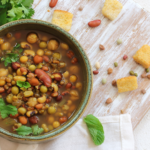
Organic lentils and beans create complete proteins without meat. Slow cooker preparations make lentil soup entirely hands-off. Overnight cooking produces dinner-ready meals.
Pasta dishes require minimal organic ingredients. Organic pasta, organic canned tomatoes, garlic, and olive oil create marinara. Cook pasta, heat sauce, combine. Nothing complicated, yet genuinely organic and nutritious.
Grilled organic chicken breasts pair with any roasted vegetable. Season with salt, pepper, and lemon. Cook six minutes per side. The simplicity allows families to prepare this meal without stress.
Budget Strategies for Simple Organic Cooking
Shop organic on a budget by choosing high-impact items. Organic chicken, organic eggs, and organic milk deliver maximum health benefit per dollar. Conventional frozen vegetables cost less while still providing nutrition if organic isn’t accessible.
Bulk buying organic staples saves significantly. Organic oats, organic pasta, and organic beans cost less when purchased in bulk. These ingredients form the foundation of easy organic cooking.
Seasonal produce costs less and tastes better. Spring asparagus, summer tomatoes, and fall squash are naturally inexpensive during peak seasons. Plan meals around seasonal organic availability.
Simple meals use fewer ingredients overall. Fewer ingredients mean lower grocery bills. A roasted vegetable dinner costs less than a complex organic recipe with specialty ingredients.
Blood Sugar Balance Through Simple Organic Meals
Foods for blood sugar balance become accessible through simple preparation. Organic vegetables, organic grains, and organic proteins support stable energy throughout the day.
Combine organic protein with organic vegetables at every meal. This combination prevents energy crashes. Simple combinations work better than complex recipes requiring special timing or technique.
Organic whole grains replace refined carbohydrates. Organic brown rice, organic quinoa, and organic whole wheat pasta deliver fiber that stabilizes blood sugar. Cooking methods remain simple regardless.
Meal Prep Simplification
Batch cooking on Sunday creates five weekday dinners. Cook organic rice and beans in bulk. Roast multiple sheet pans of organic vegetables. Prepare organic protein in quantity. Mix components into different combinations daily.
This approach removes the “what’s for dinner” stress. Ingredients are ready. Assembly takes five minutes. Families actually enjoy meals when preparation stress disappears.
Container meals prevent decision fatigue. Pack the same ingredients into five containers. Eat them in different order throughout the week. This breaks monotony while maintaining simplicity.
Plant-Based Options for Simplicity
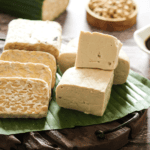
Organic vegan foods include straightforward plant proteins. Organic tofu scrambles replace egg-based breakfasts. Lentil soups and bean chilis simplify lunch and dinner.
Simplicity actually improves with plant-based organic cooking. Fewer processed ingredients are available. Necessity drives families toward whole-food simplicity.
Organic weight loss approaches often succeed because plant-based organic cooking is naturally simpler. Vegetables, legumes, and grains combine easily without complex techniques.
Essential Simple Organic Kitchen Tools
Minimize kitchen equipment. A good knife, cutting board, sheet pans, and one quality pot handle 90% of simple organic cooking. Complexity comes from having too many tools, not too few.
Slow cookers deserve special attention. These tools eliminate active cooking time completely. Dump ingredients in the morning. Dinner is ready at dinner time. This single tool makes organic cooking sustainable.
Simple Seasoning Strategies
Salt, pepper, lemon, garlic, and olive oil form the entire seasoning toolkit for simple organic cooking. These five ingredients develop flavor without complexity or additional cost.
Herbs extend flavor variety without technique. Fresh organic basil, oregano, and cilantro elevate simple meals. Cost is minimal when buying organic from local sources.
Common Mistakes in Simple Organic Cooking
Overthinking prevents action. Most families never start organic cooking because they expect perfection. Good enough organic meals beat perfect conventional meals.
Undercooking vegetables frustrates home cooks. Organic vegetables taste better fully cooked. Cook vegetables until tender. This removes the rawness that many find unappetizing.
Using flavorless organic products wastes money. Seek organic products for quality reasons, not just the label. Farmer’s market organic vegetables outperform grocery store conventional vegetables. This difference justifies cost.
The Bottom Line
Easy organic recipes work because they remove barriers to consistency. Simple meals built from basic organic ingredients deliver better nutrition, actual taste, and sustainable eating habits. Forget complicated recipes with specialty ingredients. Master ten simple organic dishes and build meals from those foundations. Your family will eat better, you’ll spend less time cooking, and organic eating becomes genuinely sustainable. Start simple. Cook consistently. Let quality ingredients speak for themselves.
Frequently Asked Questions
1. What are the simplest organic recipes for beginners? Start with roasted organic vegetables, scrambled organic eggs, and grilled organic chicken. These three dishes teach cooking fundamentals while using minimal organic ingredients. Add organic pasta with simple tomato sauce and organic salads. Five basic dishes create dozens of meal combinations.
2. How much time do easy organic recipes actually take? Most simple organic recipes finish in 20-30 minutes. Roasted vegetables take 25 minutes total. Stir-fries finish in 15 minutes. Slow cooker meals require zero active time. Easy organic cooking prioritizes time efficiency without sacrificing nutrition.
3. Are easy organic recipes cheaper than conventional cooking? Yes. Simple recipes use fewer ingredients overall, reducing costs. Bulk buying organic staples decreases per-serving expenses. Seasonal organic produce costs less than year-round conventional alternatives. Budget-conscious families can prioritize organic items for high-impact nutrition.
4. Can I meal prep with easy organic recipes? Absolutely. Batch-cook organic rice, beans, and vegetables on Sunday. Store in containers. Mix components throughout the week. This approach removes cooking stress while maintaining simplicity and nutrition.
5. How do I avoid getting bored with simple organic recipes? Change seasoning profiles without changing ingredients. Salt and pepper create savory meals. Lemon and herbs create light meals. Garlic and cumin create warming meals. One ingredient set becomes multiple meals through simple seasoning variations.
6. What organic ingredients should I buy first? Prioritize organic eggs, organic chicken, organic milk, organic oats, and organic vegetables available in your area. These staples build the foundation of simple organic cooking. Expand from there based on your family’s preferences.
7. Do I need special equipment for easy organic recipes? No. A good knife, cutting board, sheet pans, and basic pots handle 90% of simple organic cooking. A slow cooker accelerates meal prep significantly. That’s all you need.
8. Are organic vegan recipes simple? Yes. Organic lentils, organic beans, and organic vegetables create complete proteins easily. Slow cooker soups and simple stir-fries work perfectly plant-based. Simplicity actually improves without needing animal products.