Organic edamame nutrition delivers a genuinely complete plant protein in an accessible, familiar package. Edamame protein content rivals many animal sources directly. Understanding edamame vs tofu reveals distinct life stages of the same crop. Soy protein benefits extend well beyond muscle building alone. This whole food plant protein deserves a permanent place in your rotation.
Most people encounter edamame at restaurants without understanding its nutritional depth. This young soybean offers exceptional value. Understanding its profile transforms casual snacking into intentional nutrition. Awareness elevates a familiar food.
What Edamame Actually Is
Edamame consists of young, unripe soybeans still in the pod. Harvesting happens before full maturity. Understanding this timing explains its distinct qualities compared to mature soybeans.
The green color reflects immaturity specifically. Chlorophyll remains present before the beans dry and yellow. Understanding this biology helps. Color signals harvest stage directly.
Steaming or boiling typically prepares edamame for eating. Pods themselves stay inedible generally. Understanding preparation helps. The beans inside deliver the nutritional value.
The name itself comes from Japanese, roughly translating to branch bean. Traditional preparation methods span centuries across East Asian cuisines. Understanding this history helps appreciate edamame’s culinary roots beyond recent Western popularity.
Organic vegan foods includes edamame among valuable plant-based staples. Understanding this category helps. Edamame fits naturally within thoughtful plant protein planning. Knowledge guides dietary choices.
Edamame Protein Content Explained
Edamame protein content impresses substantially for a vegetable-like food. One cup shelled delivers roughly 17 grams protein. Density exceeds most vegetables by a wide margin. Understanding this quantity matters.
Soybeans provide genuinely complete protein naturally. All nine essential amino acids appear in meaningful amounts. Understanding completeness matters significantly. This places edamame among rare complete plant proteins alongside quinoa and hemp.
Complete protein diet fundamentals apply directly here. Understanding amino acid completeness helps. Edamame joins a select group of plant foods offering this quality. Knowledge highlights genuine nutritional value.
Fiber accompanies this protein generously. Roughly 8 grams fiber joins the 17 grams protein per cup. Understanding this combination helps. Few vegetables match this fiber-protein pairing.
Edamame Vs Tofu Comparison Table
| Factor | Edamame | Tofu | Advantage |
|---|---|---|---|
| Life stage | Young, immature bean | Processed mature soybean | Different products |
| Protein per cup | 17 g | 20 g | Roughly comparable |
| Fiber content | High (8 g) | Minimal | Edamame |
| Preparation | Steam or boil whole | Press, coagulate soy milk | Edamame simpler |
| Texture | Firm, poppable | Soft to firm, varies | Depends on preference |
| Processing level | Minimal | Moderate | Edamame less processed |
| Culinary role | Snack, side dish | Main protein ingredient | Different applications |
Edamame Vs Tofu Deeper Comparison
Edamame vs tofu represents comparing different life stages of the same crop essentially. Understanding this relationship clarifies confusion.
Edamame remains whole and minimally processed. The bean stays intact from pod to plate. Understanding this simplicity helps. Less processing often appeals to whole-food preferences.
Tofu undergoes more transformation. Mature soybeans convert to milk, then coagulate into curds. Understanding this process helps. Tofu offers different textures and cooking applications as a result.
Both provide genuine nutritional value despite different processing levels. Understanding this helps. Neither food needs to replace the other in a balanced diet.
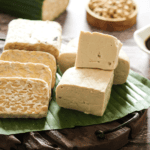
Organic tempeh offers yet another soy preparation worth comparing. Understanding the full soy food family helps. Edamame, tofu, and tempeh each bring distinct qualities to plant-based eating.
Soy Protein Benefits Beyond Muscle
Soy protein benefits extend meaningfully beyond amino acids alone. Isoflavones and other compounds contribute additional value. Understanding this breadth helps appreciation.
Isoflavones represent naturally occurring plant compounds in soy. Current research generally supports moderate soy consumption as safe for most people. Understanding this evidence helps address common concerns. Fear historically exceeded actual documented risk.
Organic food and heart health explores potential cardiovascular connections. Some research suggests soy protein may support heart health specifically. Understanding this potential benefit helps. Evidence continues developing in this area.
Folate content proves substantial in edamame specifically. This B vitamin supports numerous bodily functions. Understanding folate helps. Edamame delivers meaningful amounts of this nutrient.
Individual concerns still warrant personal consideration for those with hormone-sensitive conditions. Consulting a doctor helps address specific circumstances. Understanding this nuance stays medically responsible.
Whole Food Plant Protein Value
Whole food plant protein status distinguishes edamame from processed alternatives. Understanding this classification helps appreciate its role.
Minimal processing preserves the bean’s natural structure. Nutrients remain largely intact through simple steaming. Understanding this helps. Whole food approaches often retain more nutritional complexity.
Organic lentils and beans shares this whole food quality with edamame. Understanding this connection helps. Both represent minimally processed plant proteins worth prioritizing.
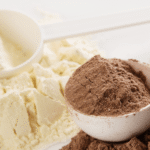
Comparing edamame to protein powders reveals clear distinctions. Whole foods provide fiber, vitamins, and minerals alongside protein. Understanding this completeness helps. Isolated powders cannot replicate this full nutritional package.
Third party tested supplements explains verification concerns relevant to processed protein products. Understanding testing importance helps. Whole foods like edamame avoid these concerns entirely.
Choosing Quality Organic Edamame
Selecting quality edamame requires attention to sourcing and freshness. Understanding labels helps informed purchasing decisions.
Frozen edamame offers excellent convenience and quality. Flash-freezing preserves nutrients effectively shortly after harvest. Understanding this preservation method helps. Frozen options often rival fresh in nutritional value.
Organic food labels explained clarifies certification standards broadly. Understanding organic requirements helps. Non-GMO sourcing matters particularly for soy products specifically.
Checking for GMO status matters given conventional soy’s prevalence of genetic modification. Understanding this helps. Organic certification prohibits GMO ingredients entirely, ensuring cleaner sourcing.
Shelled versus in-pod options each offer convenience tradeoffs. Understanding preparation preferences helps. Both deliver identical nutrition regardless of pod presence.
Cooking and Serving Edamame
Cooking edamame properly takes minimal effort and time. Steaming or boiling both work effectively. Understanding simple preparation helps encourage regular consumption.
Boiling edamame in salted water takes roughly five minutes. Understanding this quick timeframe helps. Convenience supports frequent inclusion in meals.
Seasoning after cooking enhances flavor significantly. Sea salt remains traditional and simple. Understanding this finishing touch helps. Basic seasoning elevates the eating experience.
High protein organic snacks benefits substantially from edamame inclusion. Understanding snack strategies helps. Portable, satisfying, and nutritious combinations support consistent healthy eating.
Adding shelled edamame to salads, grain bowls, and stir-fries expands versatility further. Understanding these applications helps. Edamame integrates smoothly into countless dishes beyond standalone snacking.
Pureeing cooked edamame creates a nutritious dip base too. Hummus-style preparations work surprisingly well. Understanding this creative application helps. Familiar formats make trying new foods easier.
Edamame for Weight Management
Edamame supports weight management goals through its protein-fiber combination specifically. Understanding this synergy helps appreciate practical benefits.
High protein and fiber together increase satiety substantially. Fewer calories accompany this satisfying combination relatively. Understanding this ratio helps. Edamame satisfies without excessive calorie contribution.
A typical cup contains roughly 190 calories alongside its protein and fiber. Understanding this efficiency helps. Nutrient density stays high relative to calorie count.
Daily protein intake explains how protein supports weight goals broadly. Understanding this connection helps. Edamame contributes meaningfully toward both protein targets and satiety.
Edamame in Different Diets
Edamame fits numerous dietary patterns beyond vegetarian and vegan eating specifically. Understanding its versatility helps broader adoption.
Gluten-free eaters find edamame naturally compatible. No gluten concerns exist with soybeans themselves. Understanding this helps. Restrictions rarely limit edamame consumption.
Mediterranean-style eating patterns welcome legumes generally, including edamame. Understanding this fit helps. Plant proteins align with these dietary frameworks naturally.
Organic quinoa benefits explores another complete protein worth pairing with edamame. Understanding variety helps. Rotating complete plant proteins ensures diverse nutrient intake beyond amino acids alone.
Athletes following plant-based diets rely on foods like edamame for training support. Understanding this application helps. Complete protein sources prove essential for serious plant-based training.
The Bottom Line
Organic edamame delivers roughly 17 grams complete protein and 8 grams fiber per cup, genuinely rare among plant foods since it provides all nine essential amino acids naturally without requiring combination with other foods. As a whole, minimally processed food, edamame retains its complete nutritional package including folate and fiber that isolated protein powders cannot match. Current research supports moderate soy consumption as safe for most people, though those with hormone-sensitive conditions should consult a doctor. Choose organic to ensure non-GMO sourcing, buy frozen for convenience without sacrificing quality, and steam or boil for roughly five minutes before enjoying with simple seasoning.
Frequently Asked Questions
1. How much protein is in edamame? One cup shelled delivers roughly 17 grams complete protein, along with about 8 grams fiber, at approximately 190 calories. This density exceeds most vegetables substantially.
2. Is edamame a complete protein? Yes, genuinely. Edamame contains all nine essential amino acids naturally, placing it alongside quinoa and hemp seeds as a rare complete plant protein that requires no combining with other foods.
3. What is the difference between edamame and tofu? Edamame is the young, whole, minimally processed soybean. Tofu comes from mature soybeans converted to milk and coagulated into curds. Both offer value with different textures and applications.
4. What are the soy protein benefits of edamame? Beyond complete protein, edamame provides substantial folate and fiber. Current research supports moderate soy consumption as safe for most people, with isoflavones showing potential cardiovascular benefits under continued study.
5. Is edamame a whole food plant protein? Yes. Minimal processing preserves the bean’s natural structure through simple steaming or boiling, retaining fiber, vitamins, and minerals that isolated protein powders cannot replicate.
6. Is frozen edamame as nutritious as fresh? Yes, often comparably so. Flash-freezing shortly after harvest preserves nutrients effectively, making frozen edamame a convenient option without meaningfully sacrificing nutritional value.
7. How do I cook edamame? Boil or steam edamame for about five minutes. Season with sea salt afterward. This simple, quick preparation encourages regular inclusion in meals and snacks.
8. Is edamame safe regarding soy and hormones? Current research generally supports moderate soy consumption as safe for most people. Those with specific hormone-sensitive conditions should consult a doctor about their individual circumstances.