A systematic review and meta-analysis published in Scientific Reports found that higher tomato consumption was associated with a reduced risk of prostate cancer, with the protective effect strongest among men eating the most tomato-based foods. For a gland that affects nearly every man as he ages, that is a meaningful, actionable finding built on one of the most studied diet-disease relationships in men’s health.
The prostate is uniquely responsive to diet. It concentrates certain nutrients, like zinc and selenium, at higher levels than almost any other tissue, and it is sensitive to the hormonal and inflammatory signals that food directly influences. Benign prostatic hyperplasia (BPH) affects roughly half of men by age 60, and prostate cancer is the most common non-skin cancer in men. Diet is one of the few modifiable levers available for both.
This guide covers the organic foods with the strongest evidence for prostate health, the specific compounds driving the effect, and a practical eating framework.
Quick Answer The best foods for prostate health are cooked tomatoes (lycopene), cruciferous vegetables like broccoli and cauliflower (sulforaphane), fatty fish (omega-3s), and pumpkin seeds and other zinc-rich foods. Lycopene from cooked tomatoes has the strongest evidence, with a Harvard study of over 47,000 men finding that high tomato-product intake was linked to a lower risk of prostate cancer. Selenium, green tea, and a Mediterranean-style dietary pattern also show consistent benefit.
Why Diet Matters So Much for the Prostate
The prostate is a small gland, but it is nutritionally distinctive. It stores more zinc than nearly any other organ in the body, relies on selenium-dependent antioxidant enzymes to protect its cells, and responds directly to the hormone dihydrotestosterone (DHT), which drives both normal function and abnormal growth.
Three dietary mechanisms shape prostate health:
- Antioxidant protection: The prostate is vulnerable to oxidative damage. Compounds like lycopene and selenium neutralize the free radicals that damage prostate cell DNA.
- Inflammation control: Chronic inflammation is linked to both BPH and prostate cancer progression. Omega-3s and polyphenols reduce the inflammatory signaling involved.
- Hormonal modulation: Certain foods influence the conversion of testosterone to DHT and the balance of sex hormones, which affects prostate growth over time.
A 2023 study widely reported found that a Mediterranean dietary pattern was among the best dietary approaches for reducing prostate cancer risk, reflecting the combined effect of these mechanisms working together rather than any single food. For how diet shapes the broader male hormonal picture, our organic food and hormonal balance guide covers the testosterone and DHT pathways in detail.
Lycopene and Tomatoes: The Strongest Evidence
Of all prostate-protective foods, cooked tomatoes have the deepest research base. Lycopene, the red carotenoid pigment in tomatoes, is a powerful antioxidant that concentrates in prostate tissue specifically.
A landmark Harvard study following over 47,000 men found that those who consumed 10 or more servings of tomato-based foods per week had a significantly lower risk of prostate cancer compared to men eating the least. A systematic review and meta-analysis in Scientific Reports confirmed the association between higher tomato intake and reduced prostate cancer risk across multiple studies.
The critical detail is that lycopene becomes more bioavailable when tomatoes are cooked. Heat breaks down the tomato cell walls and converts lycopene into a form the body absorbs more readily. This means organic tomato paste, sauce, soup, and cooked tomatoes deliver far more usable lycopene than raw tomatoes.
Pairing cooked tomatoes with a healthy fat like olive oil further increases lycopene absorption, since lycopene is fat-soluble. A simple organic tomato sauce simmered in olive oil is close to an ideal lycopene delivery vehicle. Our organic tomatoes guide covers the full lycopene picture, buying guidance, and why tomatoes are worth choosing organic given their pesticide profile.
Other lycopene sources include watermelon, pink grapefruit, and guava, though tomatoes remain the most concentrated dietary source. Our organic watermelons guide covers watermelon’s lycopene content as a complementary source.
Cruciferous Vegetables: Sulforaphane and Prostate Protection
Cruciferous vegetables (broccoli, cauliflower, kale, Brussels sprouts, cabbage) contain sulforaphane and indole-3-carbinol, compounds with documented anti-cancer activity in prostate tissue.
Sulforaphane has been shown in laboratory and population research to have anti-proliferative effects on prostate cancer cells, meaning it slows abnormal cell growth. It also supports the body’s phase II detoxification enzymes, which clear carcinogens before they can damage cells. Observational research has associated higher cruciferous vegetable intake with lower prostate cancer risk.
Broccoli and broccoli sprouts are the richest sulforaphane sources, with sprouts containing many times the concentration of the mature vegetable. Light steaming preserves more sulforaphane than boiling, which leaches the compound into the water.
For the full nutritional breakdown of these vegetables, our kale, collard, and mustard greens guide, organic cauliflower guide, and organic cabbage guide cover the cruciferous family in depth. Because several of these appear on the EWG Dirty Dozen, our dirty dozen and clean fifteen guide covers which to prioritize buying organic.
Zinc and Pumpkin Seeds: The Prostate Mineral
The prostate holds one of the highest zinc concentrations of any tissue in the body, and that is not coincidental. Zinc is essential for normal prostate function, and it inhibits 5-alpha reductase, the enzyme that converts testosterone to DHT. Elevated DHT drives prostate enlargement, so adequate zinc plays a regulatory role in BPH.
Zinc deficiency is common, particularly in older men whose absorption efficiency declines with age. Correcting it through diet is one of the most direct nutritional interventions for prostate support.
The best organic zinc sources for prostate health are pumpkin seeds (which also contain beneficial plant sterols linked to BPH symptom relief), oysters (by far the richest source), organic grass-fed beef, lentils, and chickpeas. Pumpkin seeds deserve special mention because they deliver zinc and prostate-supporting phytosterols together. For the full picture on zinc sources, deficiency signs, and absorption, our zinc deficiency guide covers everything in detail.
Selenium for Men’s Health
Selenium is a trace mineral that powers glutathione peroxidase, one of the body’s key antioxidant enzymes protecting prostate cells from oxidative damage. The relationship between selenium and prostate health is nuanced, and the honest reading of the research matters here.
Observational studies have associated higher selenium status with lower prostate cancer risk. However, large supplementation trials (notably SELECT) found that selenium supplements did not reduce prostate cancer risk in men who already had adequate selenium, and high-dose supplementation carried its own risks. The lesson is that correcting a deficiency through food is beneficial, but mega-dosing through supplements is not.
This is why food-based selenium is the smart approach. Just one to two organic Brazil nuts per day provides the full daily selenium requirement. Other good sources include wild-caught fish, organic eggs, sunflower seeds, and mushrooms. Our vitamin D food sources guide covers how selenium works alongside other men’s-health micronutrients, and our organic eggs nutrition guide covers eggs as a combined selenium and protein source.
Fatty Fish and Omega-3s
The anti-inflammatory omega-3 fatty acids EPA and DHA, found in fatty fish, counter the chronic inflammation linked to prostate disease progression. Population studies in countries with high fish consumption consistently show lower prostate cancer mortality.
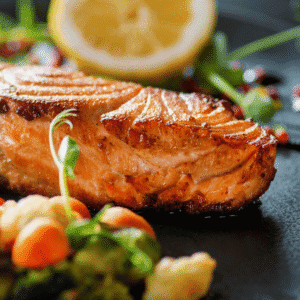
Wild-caught salmon, sardines, mackerel, and herring are the best sources. Two servings of fatty fish per week aligns with both prostate and cardiovascular health guidance. Our organic salmon nutrition guide covers the omega-3 content across fish types and the wild-versus-farmed question in full.
Green Tea and Polyphenols
Green tea contains catechins, particularly EGCG, which have demonstrated anti-proliferative and anti-inflammatory effects on prostate tissue in research. Population studies in Asian countries, where green tea consumption is high, consistently show lower prostate cancer rates than in Western nations, though diet and genetics both contribute.
Organic green tea, consumed as two to three cups daily, is a low-risk, well-supported addition to a prostate-protective diet. Other polyphenol-rich foods that contribute include organic pomegranate, green tea, and colorful berries.
Foods to Limit for Prostate Health
What to reduce matters alongside what to add.
| Food/Pattern | Why to Limit |
|---|---|
| Excess dairy and calcium | Very high calcium intake has been associated with increased prostate cancer risk in some studies |
| Processed and charred red meat | Heterocyclic amines from high-heat cooking are potential carcinogens |
| Ultra-processed foods | Drive inflammation and contribute to obesity, a prostate cancer risk factor |
| Excess saturated fat | Associated with higher prostate cancer progression risk |
| Added sugar | Promotes inflammation and insulin resistance |
Moderation rather than elimination is the realistic approach for most of these. The data on dairy specifically points to very high intakes as the concern, not moderate consumption.
A Practical Prostate-Health Eating Framework
| Frequency | Organic Food | Prostate Benefit |
|---|---|---|
| Daily | Cooked tomatoes or tomato sauce | Lycopene (strongest evidence) |
| Daily | Handful of pumpkin seeds | Zinc + phytosterols |
| Daily | 1 to 2 Brazil nuts | Full day’s selenium |
| Daily | 2 to 3 cups green tea | EGCG catechins |
| 3x/week | Cruciferous vegetables | Sulforaphane |
| 2 to 3x/week | Wild-caught fatty fish | Omega-3s |
| Regular | Olive oil as primary fat | Aids lycopene absorption, anti-inflammatory |
Consistency over time is what the research supports. These are not short-term interventions but a sustained dietary pattern. For men building a complete age-appropriate nutrition strategy, our organic foods for men over 40 guide covers prostate health alongside testosterone, heart, muscle, and brain priorities.
The Bottom Line
Diet is a genuine, modifiable lever for prostate health. The strongest evidence points to cooked tomatoes and lycopene, with a Harvard study of over 47,000 men linking high tomato-product intake to lower prostate cancer risk. Cruciferous vegetables, zinc-rich pumpkin seeds, food-based selenium, omega-3 fatty fish, and green tea round out the evidence-backed approach.
The organic dimension matters most for the high-residue produce in this plan, particularly leafy greens and the vegetables that appear on the Dirty Dozen, and for choosing clean animal products free of added hormones. The honest caveat throughout: food-based nutrients consistently outperform high-dose supplements, which in the case of selenium and others have shown no benefit or even harm when mega-dosed.
For building this into a complete organic eating pattern, our guides on health benefits of eating organic and foods to boost testosterone cover the broader men’s health framework.
Medical Disclaimer: This guide is for general educational purposes and is not a substitute for medical advice. Prostate health concerns, including changes in urinary function or elevated PSA levels, should be evaluated by a healthcare provider. Dietary changes support prostate health but do not replace screening or treatment. Men with existing prostate conditions should consult their doctor before making significant dietary changes.