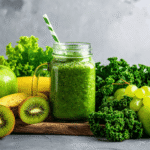
Organic dark leafy greens deliver unmatched nutrient density per calorie consumed. Spinach, kale, and collards outperform most foods nutritionally. Pesticide elimination preserves nutrient integrity. Superfoods emerge from informed choices fundamentally. Adding dark greens transforms health measurably.
Most people overlook how much greens actually deliver nutritionally. Conventional greens contain pesticide residues interfering with nutrient absorption. Organic greens preserve complete nutritional profiles. Understanding this distinction changes dietary approaches permanently.
Why Organic Dark Leafy Greens Matter
Leafy greens contain more nutrients per ounce than nearly any food. Spinach kale nutrition exceeds most superfoods marketed aggressively. Calorie-for-calorie greens deliver maximum nutrition possible. Concentrated nutrients support every body system.
Conventional farming pesticides accumulate in leafy tissues. Greens absorb pesticides from soil and sprayed applications. Chemical interference reduces nutrient absorption. Organic elimination removes this barrier. Nutrient uptake maximizes completely.
Organic food labels explained clarifies organic certification. Third-party testing verifies pesticide absence. Certification ensures quality standards. Trust becomes verifiable. Nutrient density follows guaranteed.
Leafy Greens Benefits Comprehensive
Leafy greens support every physiological system actively. Iron builds blood cells preventing anemia. Calcium strengthens bones supporting skeletal health. Magnesium calms nervous systems reducing stress. Potassium balances fluid levels supporting heart function.
Organic diet and immunity strengthens through green consumption. Immune-supporting vitamins accumulate. White blood cells multiply. Infection resistance increases measurably. Vitamin K in greens activates immune proteins fundamentally.
Lutein and zeaxanthin protect eye health. These carotenoids accumulate in macula tissue. Vision sharpness improves. Age-related macular degeneration risk decreases. Eye health begins in greens.
Antioxidants combat cellular damage preventing disease. Free radicals trigger inflammation and aging. Antioxidants neutralize free radicals. Disease risk diminishes. Longevity increases through consistent consumption.
Spinach Kale Nutrition Superfood Comparison
Spinach contains iron, lutein, folate, vitamins A C K. Raw consumption preserves nutrient heat-sensitivity. Single cup delivers substantial nutrition. Versatility enables daily consumption easily.
Kale provides sulforaphane fighting cancer. Glucosinolates activate detoxification enzymes. Cruciferous compounds support liver function. Massaging kale breaks down tough fibers. Improved digestibility increases nutrient absorption.
Collard greens contain folate supporting fetal development. Pregnant women benefit particularly. Postpartum recovery accelerates. Long-term health improves. Generational benefits compound.
Chard provides betalains reducing inflammation. Red chard offers additional anthocyanins. Variety ensures comprehensive nutrient coverage. Different greens provide different compounds.
Best Dark Greens Nutrient Density
Organic spinach ranks among most nutrient-dense foods. Bioavailability improves with light cooking. Pairing with fat improves absorption. Lutein and carotenoid absorption increases substantially.
Mustard greens deliver glucosinolates exceeding kale amounts. Peppery flavor suits diverse palates. Cooking reduces gas-producing compounds. Digestibility improves measurably.
Arugula provides sulforaphane compounds. Cruciferous benefits emerge quickly. Raw consumption preserves enzyme activity. Salads become nutritional powerhouses.
Dandelion greens contain more minerals than most foods. Bitter compounds support liver function. Traditional medicine recognized benefits centuries ago. Modern science confirms effectiveness.
Superfood Vegetables Comparison Table
| Green | Iron (mg) | Calcium (mg) | Folate (mcg) | Vitamin K (mcg) | Best Preparation |
|---|---|---|---|---|---|
| Spinach (raw) | 2.7 | 99 | 141 | 145 | Light sauté or raw |
| Kale (cooked) | 1.2 | 179 | 20 | 1062 | Massaged or cooked |
| Collards (cooked) | 1.1 | 266 | 129 | 1059 | Steamed or braised |
| Chard (cooked) | 3.2 | 102 | 33 | 299 | Sautéed |
| Mustard greens (cooked) | 1.6 | 165 | 197 | 829 | Cooked |
| Arugula (raw) | 0.4 | 160 | 97 | 108 | Raw salads |
| Dandelion greens (cooked) | 1.7 | 147 | 27 | 427 | Steamed |
Greens for Nutrient Density Building Meals
Foods for blood sugar balance include dark greens stabilizing glucose. Fiber slows carbohydrate absorption. Blood sugar remains stable. Energy sustains evenly. Hunger decreases naturally.
Combining greens with organic nuts adds healthy fats. Fat-soluble vitamins absorb maximally. Salads become complete nutrition. Satisfaction increases substantially.
Adding organic eggs provides amino acids. Choline supports brain function. Complete protein emerges. Nutrient synergy multiplies benefits.
Organic olive oil drizzles provide polyphenols. Fat improves nutrient absorption. Flavor enhances palatability. Simple addition maximizes nutrition.
Timeline Expecting Health Improvements
Week one through two: Energy increases noticeably. Digestion improves. Mental clarity sharpens. Foundation establishes quickly.
Week three through four: Skin improves visibly. Hair strengthens. Nails grow stronger. Nutrient accumulation becomes obvious.
Month two through three: Weight normalizes. Inflammation decreases. Chronic issues improve. Comprehensive health transformation emerges.
Month four through six: Disease risk markers improve. Energy peaks. Cognitive function sharpens. Sustained benefits compound indefinitely.
Budget-Friendly Organic Green Purchasing
Shop organic on a budget through bulk purchasing. Seasonal greens cost less dramatically. Frozen options preserve nutrients completely. Flash freezing stops enzyme degradation. Convenience enables consistency affordably.
Buying loose greens costs less than packaged. Store-brand organic equals premium brands. Certification matters verifying standards. Price reflects packaging primarily not quality.
Growing greens at home costs minimally. Container gardening works easily. Windowsill herbs supplement nutrition. Seeds cost virtually nothing. Perpetual harvests reward minimal effort.
Rotating Greens Maximizing Benefits
Eating same greens daily creates imbalance. Different greens provide different compounds. Rotation ensures comprehensive coverage. Boredom prevents consistency abandonment.
Week one emphasizes spinach. Week two features kale. Week three highlights collards. Cycle completes covering variety. Nutrient diversity compounds. Boredom never develops.
Organic frozen foods enable rotation without spoilage. Multiple greens always available. Variety becomes simple. Nutrient density maximizes. Consistency improves dramatically.
Mixing greens in smoothies enables easy rotation. Blending masks strong flavors. Nutrition accumulates invisibly. Simple implementation succeeds. Daily consumption becomes automatic.
Supporting Comprehensive Wellness
Greens alone don’t create health. Organic diet and immunity requires comprehensive approaches. Exercise amplifies green benefits. Movement increases nutrient distribution. Sleep enables cellular repair.
Water consumption supports nutrient transport. Hydration enables toxin elimination. Eight glasses daily proves minimal. Greens contain water supporting hydration. Combined approach optimizes health.
Stress management reduces inflammatory responses. Meditation calms cortisol elevation. Yoga combines movement with stress reduction. Greens reduce inflammation while stress management prevents inflammation. Synergy emerges.
The Bottom Line
Organic dark leafy greens deliver unmatched nutrient density transforming health fundamentally. Spinach kale nutrition exceeds most foods marketed as superfoods. Leafy greens benefits support every physiological system. Pesticide elimination preserves complete nutrient profiles. Best dark greens include spinach, kale, collards, chard, arugula, mustard greens, dandelion. Superfood vegetables provide iron, calcium, folate, vitamins. Greens for nutrient density require consistent consumption. Organic spinach ranks among most nutrient-dense foods. Pairing greens with fats improves nutrient absorption. Organic nuts add healthy fats maximizing benefits. Organic eggs provide amino acids completing nutrition. Organic olive oil enhances absorption and palatability. Foods for blood sugar balance include dark greens stabilizing glucose. Organic diet and immunity strengthens through consistent green consumption. Organic frozen foods preserve nutrients enabling year-round access. Shop organic on a budget through bulk and seasonal purchasing. Start today. Add dark greens. Rotate varieties. Build consistency. Expect visible results within three weeks. Energy increases. Skin improves. Disease risk decreases. Longevity improves through informed choices fundamentally.
Frequently Asked Questions
1. Why are organic dark leafy greens considered superfoods? Organic dark leafy greens deliver unmatched nutrient density per calorie. Iron, calcium, folate, vitamins A C K concentrate in leaves. Pesticide elimination preserves complete nutrient profiles. Nutrient bioavailability exceeds most foods completely.
2. What is spinach kale nutrition comparison? Spinach contains iron, lutein, folate, vitamin K. Raw consumption preserves heat-sensitive nutrients. Kale provides sulforaphane fighting cancer. Glucosinolates activate detoxification enzymes. Both rank among most nutrient-dense foods.
3. What are leafy greens benefits? Leafy greens support every physiological system. Iron builds blood cells. Calcium strengthens bones. Magnesium calms nervous systems. Potassium balances fluids. Antioxidants prevent disease. Lutein protects vision.
4. Which are the best dark greens? Spinach, kale, collards, chard, arugula, mustard greens, dandelion. Different greens provide different compounds. Rotating varieties ensures comprehensive coverage. Consistency matters more than specific selection.
5. How do greens deliver nutrient density? Dark leafy greens concentrate nutrients in leaves. Mineral density per ounce exceeds most foods. Vitamins and antioxidants accumulate heavily. Calorie-for-calorie greens deliver maximum nutrition.
6. How do I improve green nutrient absorption? Pair greens with healthy fats. Olive oil enhances fat-soluble vitamin absorption. Nuts add healthy fats. Eggs provide amino acids. Light cooking breaks down fiber improving digestibility.
7. How quickly do I see health benefits? Week one shows energy increase. Week three shows measurable improvements. Week eight shows significant transformation. Month six shows comprehensive health changes. Results continue improving indefinitely.
8. Are organic greens more nutritious than conventional? Yes. Pesticides interfere with nutrient absorption. Conventional residues reduce bioavailability. Organic eliminates this barrier. Complete nutrient profiles emerge. Certified organic ensures purity completely.