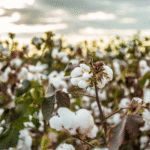
The environmental cost of conventional agriculture weighs heavily on our planet. Industrial farming depletes soil, contaminates water, and drives pollinator extinction. Organic food production offers a different path, one that actively regenerates ecosystems instead of extracting from them.
This guide explains the concrete environmental benefits of organic food and why your food choices matter for the planet.
The Environmental Damage of Conventional Farming
Conventional agriculture relies on synthetic pesticides and fertilizers that accumulate in soil and water systems. These chemicals don’t simply disappear after a harvest—they persist in the environment for years, sometimes decades.
Synthetic nitrogen fertilizers leach into groundwater and create dead zones in rivers and coastal areas. The Chesapeake Bay and the Gulf of Mexico both suffer massive algal blooms caused by fertilizer runoff from conventional farms. These dead zones kill fish populations and collapse entire ecosystems.
Pesticide use kills beneficial insects alongside target pests. Neonicotinoid pesticides, widely used in conventional farming, devastate bee colonies and other pollinators. When pollinators disappear, crop production declines globally—a problem that directly threatens food security.
Soil degradation accelerates with conventional methods. Annual tilling destroys soil structure and kills microbial life. Monoculture farming depletes specific nutrients repeatedly. Soil erosion rates in conventional agriculture exceed natural soil formation rates by factors of 10 to 40, meaning productive farmland is literally washing away.
How Organic Farming Builds Soil Health
Organic soil health practices reverse the damage caused by conventional methods. Organic farmers build soil through crop rotation, cover crops, and compost applications instead of synthetic inputs.
Crop rotation prevents nutrient depletion and breaks pest cycles naturally. When different crops occupy the same field across seasons, soil microbes and nutrients remain balanced. This approach maintains productivity without synthetic fertilizers.
Cover crops and composting add organic matter directly to soil. Organic matter improves water retention, prevents erosion, and feeds soil microbes. These microbes make nutrients available to plants and sequester carbon in the soil where it belongs—not in the atmosphere.
Organic soil contains significantly more carbon than conventional soil. This matters for climate change. When soil has higher carbon content, atmospheric CO2 levels decrease. Regenerative organic agriculture takes this further by actively drawing carbon from the air and storing it in soil.
Soil microbes thrive in organic systems. These tiny organisms improve nutrient cycling, suppress plant diseases, and enhance water infiltration. Healthy soil means healthier plants and more resilient crop systems.
Organic Farming Protects Water Quality
Synthetic pesticides and fertilizers contaminate groundwater at alarming rates. Once groundwater is contaminated, cleanup takes decades and costs millions. Some regions still haven’t recovered from decades-old pesticide residues.
Organic farming eliminates synthetic chemical inputs, protecting groundwater from the start. Organic farming and watersheds studies show measurable improvements in water quality within years of conversion to organic methods.
Without synthetic nitrogen, nitrogen pollution in waterways drops dramatically. Fish kills and algal blooms cease. Aquatic ecosystems recover. Drinking water sources become safer and cheaper to treat when they’re not contaminated with agricultural chemicals.
Water retention also improves with organic methods. Soil with higher organic matter holds more water, reducing irrigation needs and protecting groundwater from depletion. In drought-prone regions, this difference determines whether farming remains viable.
Organic Systems Support Pollinators and Biodiversity
Conventional agriculture kills pollinators directly and indirectly. Pesticide spraying kills insects on contact. Persistent chemicals like neonicotinoids impair pollinator navigation and reproduction. Monoculture farms provide no habitat diversity, so surviving insects have nowhere to forage or nest.
The role of bees in organic agriculture becomes clear when you see thriving bee populations on organic farms. No insecticides means bees survive. Diverse crops and wildflower borders provide food and shelter year-round. Bee colonies strengthen.
Neonicotinoid pesticides and pollinators research documents the connection between pesticide use and pollinator collapse. Organic systems break this cycle. When organic farms replace conventional ones, pollinator populations rebound within a single season.
Biodiversity increases across the board in organic systems. Birds return because insects return. Predatory insects control pests naturally. Plant diversity increases naturally. The farm becomes an ecosystem instead of a monoculture, with all the resilience that diversity provides.
The Carbon Footprint Advantage
Organic carbon footprint studies consistently show that organic food has a lower lifetime carbon footprint than conventional food. This seems counterintuitive because organic farms sometimes yield less per acre, potentially requiring more land.
However, total environmental impact favors organic significantly. Organic systems sequester carbon in soil. Synthetic fertilizer production is extremely energy-intensive, accounting for 1-2% of global energy consumption. By eliminating synthetic fertilizers, organic farming reduces energy inputs substantially.
Transportation differences matter too. Organic farms tend to be smaller and operate closer to consumers. Supply chains are often shorter. Local organic food generates far fewer transport emissions than globally shipped conventional produce.
Most importantly, soil carbon accumulation in organic systems compensates for everything else. Soil is the largest terrestrial carbon reservoir. When organic practices increase soil carbon content, they’re literally removing CO2 from the atmosphere. This makes organic food part of the climate solution, not part of the problem.
Key Differences: Organic vs. Conventional
| Factor | Organic | Conventional |
|---|---|---|
| Synthetic pesticides | None | Extensive |
| Synthetic fertilizers | None | Routine |
| Soil carbon | Increasing | Declining |
| Water pollution | Eliminated | Significant |
| Pollinator risk | Protected | Threatened |
| Biodiversity | Increasing | Declining |
| Energy input | Lower | Higher |
| Long-term sustainability | Yes | Questionable |
Organic vs. conventional environment impact research confirms this: organic systems maintain productivity while improving environmental health long-term, while conventional systems maximize short-term yield at environmental cost.
Making Eco-Friendly Food Choices
Understanding organic farming’s environmental benefits makes eco-friendly choices easier. Buying organic directly supports farming practices that protect water, soil, and pollinators. Every organic purchase signals market demand for sustainable methods.
Start with high-priority foods. Produce on the Dirty Dozen list—strawberries, spinach, peaches—gets heavy pesticide application. Choosing organic for these items makes the biggest environmental difference. What pesticides are used in organic farming explains why organic is specifically chosen to avoid harmful chemicals.
Buy local organic when possible. This combines environmental benefits: no synthetic chemicals, lower transport emissions, stronger local food systems. Farmers markets and local farms often sell organic produce at better prices than supermarkets.
Support organic certification standards by choosing certified products. Certification guarantees third-party verification of organic claims. It protects consumers and ensures farmers meet real standards.
Even small increases in organic purchasing create environmental impact. When 10% of farmland converts to organic, pollinator populations stabilize. Water pollution measurably decreases. Soil carbon begins accumulating. The change compounds over time.
The Long-Term Environmental Vision
Future trends in organic agriculture point toward regenerative practices becoming mainstream. As environmental damage from conventional farming becomes undeniable, more farmers convert to organic methods.
Some regions are already seeing dramatic changes. European countries implementing strict organic standards report measurable improvements in water quality and pollinator populations. These successes prove that large-scale organic farming is possible.
Climate change makes this transition urgent. Conventional agriculture contributes approximately 14% of global greenhouse gas emissions. Conversion to organic farming reduces these emissions while actively sequestering carbon. This dual benefit makes organic agriculture essential for meeting climate goals.
The choice between organic and conventional food isn’t purely personal. It’s an environmental decision. When you choose organic, you’re choosing farms that protect soil, clean water, support biodiversity, and stabilize climate. You’re choosing a food system that can sustain the planet indefinitely.
Every meal is an opportunity to support environmental restoration. Organic food makes that restoration possible.
The Bottom Line
Organic food directly supports environmental restoration through soil health, water protection, pollinator survival, and carbon sequestration. Conventional agriculture depletes these same resources at accelerating rates. Every purchase of organic food is a vote for a sustainable food system. Start with high-pesticide produce, buy local when possible, and support certified organic standards. The environmental impact compounds over time, creating measurable improvement in soil quality, water purity, and ecosystem health.
Frequently Asked Questions
1. How does organic farming protect soil better than conventional farming? Organic farming builds soil through crop rotation, cover crops, and composting instead of relying on synthetic fertilizers. These practices improve soil structure, increase microbial life, and prevent erosion. Conventional farming depletes soil through monoculture and tilling, losing productive topsoil faster than it naturally forms. Organic soil contains significantly more carbon, making it more resilient and fertile long-term.
2. Does organic food have a lower carbon footprint than conventional food? Yes. While organic farms sometimes yield less per acre, total lifetime carbon footprint favors organic significantly. Synthetic fertilizer production is extremely energy-intensive. Organic systems sequester carbon in soil, creating a net carbon removal benefit. Shorter supply chains and local production further reduce transport emissions. Studies consistently show organic food produces lower total emissions than conventional alternatives.
3. How does organic farming affect water quality? Synthetic pesticides and fertilizers contaminate groundwater in conventional systems, causing algal blooms and dead zones in waterways. Organic farming eliminates these chemical inputs, protecting groundwater immediately. Soil with higher organic matter holds more water, reducing irrigation needs. Water pollution measurably decreases within years of conversion to organic methods.
4. Why are pollinators important in organic farming? Pollinators like bees are essential for crop production. Conventional agriculture uses pesticides that kill pollinators directly and impair their reproduction and navigation. Organic farms provide pesticide-free environments and diverse crops for foraging. Bee populations rebound significantly on organic farms, ensuring stable crop production and maintaining ecosystem health.
5. What’s the difference between organic and conventional farming’s environmental impact? Organic farming increases soil carbon, protects water quality, supports biodiversity, and uses lower energy inputs. Conventional farming depletes soil carbon, pollutes water with chemicals, reduces biodiversity through monoculture, and requires energy-intensive synthetic inputs. Organic maintains long-term productivity while improving environmental health. Conventional maximizes short-term yield at environmental cost.
6. Can organic farming feed the world sustainably? Research suggests organic farming can feed global populations when combined with reduced food waste and more efficient distribution. Some regions already demonstrate large-scale organic success. Climate change makes organic essential, as conventional agriculture’s environmental damage will reduce productivity over time. The question isn’t whether organic can feed the world, but whether conventional methods remain viable long-term.
7. How do chemical pesticides harm the environment beyond target pests? Synthetic pesticides persist in soil and water for years, accumulating in ecosystems. Neonicotinoid pesticides impair pollinator navigation and reproduction. Pesticides kill beneficial insects that naturally control pests, creating dependency on larger applications. Groundwater contamination spreads to drinking water sources, requiring expensive treatment. The ecological damage compounds across decades.
8. What’s the most impactful way to support sustainable organic farming? Buying organic food directly supports farmers using sustainable methods. Prioritizing high-pesticide produce like strawberries, spinach, and peaches maximizes environmental benefit. Buying local organic reduces transport emissions. Supporting certified organic ensures third-party verification of standards. Even small increases in organic purchasing create measurable environmental improvement when multiplied across consumers and time.