The protein debate presents a false choice: plant-based or organic animal protein. The answer is not either/or. It is both/and. Strategic protein selection combines plant-based sources for environmental sustainability with organic animal proteins for complete amino acid profiles and superior bioavailability.
Plant-based organic protein addresses multiple concerns simultaneously: complete nutrition, pesticide elimination, environmental sustainability, and metabolic support. Understanding when to prioritize plant-based sources and when organic animal protein serves better creates comprehensive protein strategy supporting health and values.
This guide covers complete amino acid profiles, protein bioavailability differences, environmental impact, practical implementation, and how to combine plant-based and organic animal proteins for optimal results.
Complete Amino Acid Profiles Matter
What Makes Protein Complete
Complete proteins contain all nine essential amino acids in proportions your body requires. Your body cannot synthesize these amino acids. Dietary sources are mandatory.
Complete proteins support muscle preservation during weight loss, hormone production, immune function, and sustained satiety.
Plant-Based Proteins and Amino Acid Profiles
Most individual plant proteins are incomplete. Beans lack methionine. Grains lack lysine. Nuts lack leucine.
Strategic food combining creates complete amino acid profiles: beans with grains, legumes with seeds, tofu with vegetables.
Our guide on organic quinoa benefits covers how complete protein grains deliver all nine essential amino acids in single ingredient.
Organic Animal Proteins and Complete Amino Acids
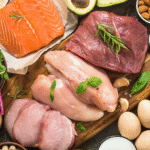
Organic chicken, organic fish, organic eggs, and organic dairy all provide complete amino acid profiles in single servings. Complete proteins require no combining or strategic planning.
This simplicity makes organic animal proteins ideal for rapid muscle building and metabolic support requiring complete amino acids consistently.
Protein Bioavailability: Absorption Matters
What Bioavailability Means
Bioavailability measures how efficiently your body absorbs and utilizes consumed protein. Higher bioavailability means greater muscle building potential per gram consumed.
A protein source with 90% bioavailability delivers more usable protein than a source with 60% bioavailability at same quantity consumed.
Plant-Based Protein Bioavailability
Most plant proteins have 50-70% bioavailability. Beans average 65%. Grains average 60%. Nuts average 55%.
This lower bioavailability requires higher protein quantity to achieve equivalent amino acid delivery as animal proteins.
Plant-based protein sources require 1.2-1.5x higher quantity than animal sources for equivalent results.
Organic Animal Protein Bioavailability
Organic eggs: 97% bioavailability (highest available). Organic fish: 95% bioavailability. Organic chicken: 93% bioavailability. Organic dairy: 90% bioavailability.
This superior bioavailability means less food quantity required for equivalent amino acid delivery. This creates meal simplicity and dietary adherence.
Our guide on organic yogurt for diabetes discusses dairy protein bioavailability supporting satiety and metabolic health.
Environmental Impact Comparison
Plant-Based Environmental Benefits
Plant agriculture uses less water, less land, and produces fewer carbon emissions than animal agriculture. Large-scale plant farming creates significant environmental benefit compared to animal farming.
However, conventional plant agriculture uses heavy pesticide loads. Organic plant agriculture provides environmental benefit while eliminating pesticide exposure.
Organic Animal Protein Environmental Considerations
Organic animal agriculture prohibits synthetic pesticides and antibiotics. Regenerative organic farming improves soil health. However, animal agriculture uses more resources than equivalent plant agriculture.
The ideal strategy combines both: plant-based proteins for environmental sustainability with selective organic animal proteins for nutritional completeness.
Our guide on regenerative organic agriculture covers how organic farming practices support environmental restoration alongside human nutrition.
Plant-Based vs. Organic Protein: Complete Comparison
| Aspect | Plant-Based Protein | Organic Animal Protein | Best Choice |
|---|---|---|---|
| Complete amino acids | Often incomplete individually | Complete in single serving | Animal protein simpler |
| Bioavailability | 50-70% absorption | 90-97% absorption | Animal protein more efficient |
| Quantity required | 1.2-1.5x higher for equivalent | Standard amounts sufficient | Animal protein more practical |
| Environmental impact | Lower resource use | Higher resource use | Plant-based better |
| Pesticide exposure | Depends on organic certification | Zero if organic certified | Organic animal protein safer |
| Cost per gram | Often lower | Often higher | Plant-based more affordable |
| Preparation complexity | Requires strategic combining | Single ingredient sufficient | Animal protein simpler |
| Sustainability | Better long-term | Acceptable if regenerative | Plant-based preferred |
| Complete meal integration | Requires planning | Simple inclusion | Animal protein easier |
Top Plant-Based Organic Protein Sources
Legumes: Complete When Combined
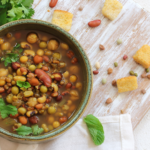
Organic lentils: 18g protein per cooked cup, excellent fiber, iron-rich. Pair with grains for complete amino acids.
Organic chickpeas: 19g protein per cooked cup, prebiotic fiber supporting gut health. Roast or purée for versatile usage.
Organic black beans: 15g protein per cooked cup, anthocyanin antioxidants. Combine with rice for complete protein.
Grains: Protein-Rich Complete Options
Organic quinoa provides complete protein with all nine amino acids. 8g protein per cooked cup, low glycemic index, superior micronutrient density.
Our guide on organic grains for blood sugar discusses how organic whole grains support metabolic health alongside protein delivery.
Soy-Based Complete Proteins
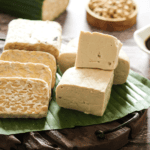
Organic tofu: 10g protein per 100g, complete amino acids, superior bioavailability for plant protein (65-70%). Versatile in any cuisine.
Organic tempeh: 19g protein per 100g, fermented for easier digestion, complete amino acids, higher bioavailability than tofu.
Organic edamame: 11g protein per cup, complete amino acids, snackable whole form, quick preparation.
Seeds and Nuts: Incomplete But Nutrient-Dense
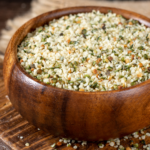
Organic hemp seeds: 10g protein per 3 tablespoons, complete amino acids, excellent omega-3 content.
Organic pumpkin seeds: 9g protein per quarter cup, magnesium-rich, supports metabolic function.
Organic almonds: 6g protein per ounce, bioavailable minerals, healthy fats for satiety.
Top Organic Animal Protein Sources
Eggs: Complete Protein Gold Standard
Organic eggs: 6g complete protein per egg, 97% bioavailability (highest available), choline for brain health, lutein for eye health.
Cost-effective. Preparation simple. Nutrient-dense. Ideal baseline protein source.
Fish: Omega-3 Complete Proteins
Wild-caught organic salmon: 25g complete protein per 100g, EPA and DHA omega-3 supporting brain and heart health.
Organic sardines: 25g protein per 100g, omega-3 abundant, sustainable fishing, affordable.
Poultry: Lean Complete Proteins
Organic chicken: 26g complete protein per 100g, lean, versatile, cost-effective, complete amino acids.
Organic turkey: 26g protein per 100g, slightly leaner than chicken, complete amino acids.
Dairy: Complete Protein Convenience
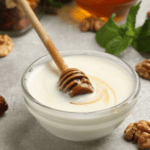
Organic Greek yogurt: 20g complete protein per 7-ounce serving, probiotics supporting gut health, calcium-rich.
Our guide on organic yogurt for diabetes discusses Greek yogurt protein supporting satiety and metabolic health.
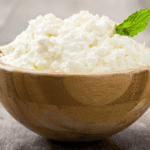
Organic cottage cheese: 28g complete protein per cup, casein protein providing sustained release, excellent for evening consumption.
Strategic Protein Combination
Daily Protein Architecture
Base meals on organic animal proteins providing complete amino acids and superior bioavailability. Organic eggs at breakfast (6g complete protein). Organic fish or chicken at lunch (25g complete protein). Organic dairy or eggs at dinner (20-28g complete protein).
Supplement with plant-based proteins for environmental sustainability and micronutrient diversity. Organic lentils in salad (18g). Organic chickpeas in hummus (19g). Organic quinoa as side grain (8g).
This combination provides complete amino acids, excellent bioavailability, environmental consciousness, and metabolic support.
Weekly Protein Strategy
Aim for 60-70% protein from organic animal sources and 30-40% from plant-based organic sources. This ratio maintains complete amino acid delivery while supporting environmental values.
Three animal protein servings daily. One plant-based protein serving daily. This balance optimizes nutrition while maintaining dietary diversity.
Budget-Conscious Approach
Organic eggs are most cost-effective complete protein. Prioritize organic eggs as protein base. Add organic fish when affordable. Include plant-based proteins for additional servings and cost distribution.
Our guide on organic plate method for diabetes discusses balanced meal construction incorporating multiple protein sources.
Protein Quantity Guidelines
Daily Protein Requirements
General population: 0.8g protein per kilogram body weight daily.
Individuals building muscle or losing fat: 1.2-1.6g protein per kilogram body weight daily.
Athletes and active individuals: 1.6-2.2g protein per kilogram body weight daily.
Protein Distribution
Distribute protein evenly across meals: breakfast 20-30g, lunch 25-35g, dinner 25-35g.
Even distribution optimizes muscle protein synthesis throughout day. Concentrated protein intake is less efficient for muscle building than distributed consumption.
Plant-Based vs. Animal Protein Quantity
Plant-based protein sources require higher quantity due to lower bioavailability. Increase plant protein quantity by 20-30% relative to animal protein for equivalent amino acid delivery.
Combining plant and animal proteins optimizes bioavailability while maintaining dietary diversity.
Practical Implementation
Breakfast Strategy
Organic eggs: 6g complete protein. Add organic whole grain toast: 4g protein. Total: 10g balanced protein supporting sustained energy.
Alternative: Organic Greek yogurt with organic granola and organic berries: 20g complete protein plus micronutrient density.
Lunch Strategy
Grilled organic chicken: 25g complete protein. Organic quinoa: 8g complete protein. Organic vegetables: 3-5g protein. Total: 36-38g complete protein supporting afternoon energy and muscle preservation.
Alternative: Organic lentil soup with organic whole grain bread: 25-30g protein from plant-based source combining legumes and grains.
Dinner Strategy
Wild-caught organic salmon: 25g complete protein. Organic sweet potato: 4g protein. Organic broccoli: 4g protein. Total: 33g balanced protein supporting evening satiety and sleep quality.
Alternative: Organic tofu stir-fry with organic brown rice: 28-32g complete protein from plant-based source with superior bioavailability.
Our guide on organic diet for weight loss discusses how complete protein supports satiety and metabolic health during weight management.
The Bottom Line
Plant-based and organic animal proteins serve different purposes. Neither is inherently superior. Strategic combination optimizes nutrition, sustainability, cost, and adherence.
Organic animal proteins provide complete amino acids, superior bioavailability, and nutritional simplicity. Plant-based organic proteins provide environmental sustainability, micronutrient diversity, and cost efficiency.
Base daily protein on organic animal sources ensuring complete amino acids and muscle building support. Supplement with plant-based organic proteins for environmental consciousness and dietary variety.
This combination approach provides optimal nutrition while honoring environmental values and supporting long-term health.
Frequently Asked Questions
Q1: Is plant-based protein as good as organic animal protein? Plant-based and organic animal proteins serve different purposes. Most plant proteins are incomplete requiring strategic combining. Organic animal proteins are complete in single servings with 90-97% bioavailability versus 50-70% for plant proteins. Combining both strategies optimizes nutrition: base meals on organic animal protein for completeness while supplementing with plant-based proteins for sustainability.
Q2: What makes a plant protein complete? Complete plant proteins contain all nine essential amino acids. Few individual plant sources are complete. Quinoa and hemp seeds are exceptions. Strategic combining creates completeness: beans with grains, legumes with seeds, tofu with vegetables. This combining requires planning that organic animal proteins eliminate through single-serving completeness.
Q3: Which plant-based proteins have the highest protein content? Organic tempeh provides 19g protein per 100g with complete amino acids and superior bioavailability for plant protein. Organic chickpeas and lentils provide 18-19g protein per cooked cup. Organic quinoa provides 8g complete protein per cooked cup. Organic soy products like tempeh and tofu are plant-based completeness leaders.
Q4: How much plant-based protein do I need compared to animal protein? Plant-based proteins require 20-30% higher quantity than animal proteins due to lower bioavailability. If targeting 25g protein from organic chicken, you would need approximately 30-32g from organic lentils for equivalent amino acid delivery. This difference makes animal proteins more practical for high protein requirements.
Q5: Should vegans focus on organic plant-based proteins? Yes. Vegan individuals relying exclusively on plant-based proteins benefit especially from organic sourcing eliminating pesticide exposure. Strategic combining of legumes with grains creates complete amino acids. Organic soy products like tempeh and tofu provide complete plant proteins with superior bioavailability compared to most plant sources.
Q6: Is organic animal protein always better than plant-based? No. While organic animal proteins provide superior bioavailability and amino acid completeness, plant-based organic proteins provide environmental sustainability and micronutrient diversity. Ideal strategy combines both: base meals on organic animal proteins while supplementing with plant-based proteins for dietary variety and environmental consciousness.
Q7: What is the most cost-effective organic protein source? Organic eggs provide the most cost-effective complete organic protein. Organic plant-based proteins like lentils and chickpeas offer affordable protein quantity. Budget-conscious strategy uses organic eggs as baseline protein with plant-based proteins supplementing for cost distribution and dietary variety.
Q8: Can I meet protein needs entirely on plant-based organic protein? Yes, with strategic planning. Combining legumes with grains, including complete plant proteins like quinoa and tempeh, and consuming adequate quantity creates complete amino acid profiles. However, plant-based protein requires 20-30% higher quantity and careful combining compared to organic animal proteins providing equal results with less planning.