Protein burns roughly 14 percent of its own calories during digestion, compared to about 7 percent for carbohydrates, according to a randomized crossover study published in the American Journal of Clinical Nutrition (2011). That single difference is why protein sits at the center of almost every fat loss conversation.
But a quieter question gets less attention. Does when you eat protein change how much fat you burn?
The honest answer mixes real physiology with a lot of marketing noise. This guide separates the two and shows how protein timing fat loss strategies actually work, using organic whole foods rather than hype.
Quick Answer: Total daily protein intake drives fat loss more than exact timing, but smart timing still helps. Eating protein at breakfast curbs cravings, a post-workout serving supports muscle that keeps metabolism high, and spreading protein across meals maximizes the calorie-burning thermic effect. Aim for 1.6 to 2.2 grams per kilogram of body weight daily, split across three to five meals.
How Protein Drives Fat Loss
Before timing matters, you need to understand why protein helps at all. Three mechanisms do most of the work.
The first is the thermic effect of food. Your body spends energy digesting every meal, and protein costs the most to process.
In that 2011 American Journal of Clinical Nutrition trial, a whey protein meal produced a thermic effect of 14.4 percent, while a high-carbohydrate meal sat at just 6.6 percent. More of every protein calorie burns off during digestion.
The second mechanism is satiety. A systematic review in the Journal of the American College of Nutrition (2004) found convincing evidence that higher protein intake increases fullness and reduces how much people eat at later meals.
The third is muscle preservation. During a calorie deficit, adequate protein helps protect lean mass, and muscle is metabolically active tissue that keeps daily energy burn higher.
These three effects stack. When you eat enough protein, you burn more calories digesting it, feel full on fewer total calories, and hold onto the muscle that keeps your metabolism running. That combination is why protein outperforms carbohydrate and fat for fat loss, gram for gram.
Timing then layers on top of this foundation. It cannot replace adequate total intake, but it can sharpen each of these three mechanisms when used well.
Why Organic Protein Sources Matter
Protein quality and what comes attached to it both count. Choosing organic sources limits exposure to synthetic pesticides and added hormones during a phase when your body is already under metabolic stress.
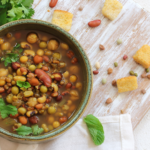
Whole food proteins also deliver fiber, micronutrients, and healthy fats that powders often lack. A serving of organic lentils and beans brings protein plus the fiber that compounds the satiety effect.
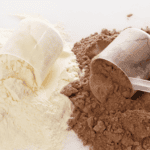
For convenience without sacrificing quality, organic protein powders fill gaps when whole meals are not practical. The choice between whey protein and plant protein comes down to your digestion, diet, and goals.
Does Protein Timing Actually Matter?
Here is where evidence forces some honesty. The famous 30-minute “anabolic window” is mostly a myth.
A landmark 2013 meta-analysis in the Journal of the International Society of Sports Nutrition concluded that total daily protein intake predicts muscle and strength gains far more strongly than the precise timing of intake. The window appears to span several hours, not 30 minutes.
A 2024 study in Frontiers in Nutrition reinforced this. In resistance-trained men, protein supplementation improved muscle and performance regardless of whether it came before or after training.
So timing is fine-tuning, not a make-or-break rule. That said, fine-tuning still produces real, measurable benefits in three specific situations.
When Timing Helps Most
Timing matters most when you train fasted. If you wake up and exercise before eating, a post-workout protein serving becomes more useful because your body has no recent amino acids to draw on.
It also helps when meals are spaced far apart. Spreading protein across the day keeps the thermic effect firing repeatedly rather than in one large spike.
And it helps with appetite control. A protein-rich meal at the right moment can prevent the cravings that derail an entire day of eating.
Morning Protein and Weight Loss
The case for morning protein weight loss is one of the strongest in the timing literature. It works mostly through appetite.
A high-protein breakfast blunts hunger hormones and reduces snacking later in the day. People who front-load protein tend to eat fewer total calories without consciously trying.
This matters because breakfast often defaults to refined carbohydrates that spike blood sugar and trigger an energy crash. Swapping that pattern changes the whole trajectory of the day.
Best Organic Morning Protein Options
Organic eggs are the classic choice, delivering complete protein with choline and healthy fats. They keep you full for hours.
Organic yogurt and kefir add protein plus probiotics that support the gut, and they pair easily with berries for fiber. For a warm option, organic oats topped with nuts or a scoop of protein turn a carbohydrate base into a balanced, satiating meal.
The goal at breakfast is roughly 25 to 30 grams of protein. That threshold is enough to drive the satiety and thermic benefits that carry through the morning.
Protein and Steady Energy
A protein-forward breakfast does more than curb hunger. It slows the rate at which the meal raises blood sugar, which prevents the mid-morning crash that drives people toward quick snacks.
Pairing protein with fiber sharpens this effect further. Berries, oats, or a piece of fruit alongside eggs or yogurt flattens the glucose response and lengthens the period of steady energy.
Steady blood sugar matters for fat loss because sharp spikes and crashes tend to trigger cravings. Keeping that curve smooth makes the calorie deficit easier to sustain without willpower battles.
Post-Workout Protein and Fat Burning
The post-workout protein fat burning idea is partly true and partly oversold. Protein after training does support recovery and muscle, but the urgency is overstated.
If you ate a protein-rich meal two to four hours before training, those amino acids are still working. There is no need to rush a shake the moment you finish.
If you trained fasted, the picture changes. Consuming protein within an hour or two after a fasted workout becomes genuinely more important for protecting muscle.
What to Eat After Training
A serving of organic whey protein digests quickly and is convenient right after a session. For a whole-food option, organic chickpeas or a chicken and vegetable plate work just as well on a longer timeline.
Pairing protein with some carbohydrate after intense training helps replenish energy stores. The fat burning benefit comes from preserving the muscle that keeps your metabolism elevated, not from any magic in the timing itself.
Comparing Protein Timing Strategies
Different timing approaches suit different lifestyles. The table below compares common strategies for when to eat protein for fat loss, with the realistic benefit of each.
| Timing Strategy | Best For | Fat Loss Benefit | Practical Notes |
|---|---|---|---|
| Even distribution (3 to 5 meals) | Most people | High, steady thermic effect and satiety | Easiest to sustain long term |
| High-protein breakfast | Cravings and snackers | High, reduces total daily intake | Aim for 25 to 30 g early |
| Post-workout focus | Fasted trainers | Moderate, protects muscle | Less critical if you ate beforehand |
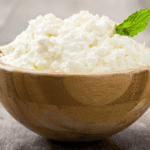
| Pre-sleep protein | Evening trainers | Moderate, supports overnight recovery | Casein or cottage cheese digest slowly |
| One large protein meal | Time-restricted eating | Lower, single thermic spike | Harder to hit daily protein needs |
The clear winner for most people is even distribution. It keeps satiety and the thermic effect working all day, and it makes hitting your total target far easier.
Even spacing also supports muscle protein synthesis more consistently than cramming protein into one or two meals. Research on protein meals timing suggests distributing roughly 25 to 35 grams across each meal stimulates muscle maintenance better than an uneven pattern.
For anyone combining timing with a structured eating window, whole-food sources that blend protein with slow carbohydrates work well. Organic quinoa is a strong example, since it delivers complete protein alongside fiber that extends the satiety effect.
Building Your Daily Protein Plan
Start with the total, then arrange the timing. Research points to 1.6 to 2.2 grams of protein per kilogram of body weight daily for people who train and want to preserve muscle while losing fat.
Divide that across three to five meals. A person weighing 70 kilograms targets roughly 112 to 154 grams per day, or about 25 to 35 grams per meal.
Anchor each meal around a quality protein, then build in fiber and healthy fat. A guide to foods for high cholesterol pairs well here, since many heart-conscious choices double as lean protein sources.
Sample Daily Timing
Breakfast leads with eggs or yogurt for 25 to 30 grams. Lunch centers on legumes, fish, or poultry with vegetables.
A post-workout serving fits whenever you train, and dinner closes the day with another full protein portion. If you train late, a slow-digesting protein before bed supports overnight recovery.
This rhythm hits your total, spreads the thermic effect, and keeps hunger in check. For ideas on assembling balanced organic meals around this structure, the organic food pyramid offers a simple visual framework.
FAQs
1. Does protein timing really matter for fat loss?
Total daily protein matters most, but timing helps. A high-protein breakfast curbs cravings, and even distribution keeps the calorie-burning thermic effect steady.
2. When is the best time to eat protein for fat loss?
Spread protein across three to five meals. Front-loading at breakfast controls appetite, and a post-workout serving helps most if you train fasted.
3. How much protein should I eat daily to lose fat?
Most research supports 1.6 to 2.2 grams per kilogram of body weight daily, split into roughly 25 to 35 gram servings across meals.
4. Is the 30-minute anabolic window real?
Mostly a myth. Research shows the window spans several hours, so there is no need to rush protein immediately after training if you ate beforehand.
5. Does morning protein help with weight loss?
Yes. A high-protein breakfast reduces hunger hormones and snacking, which lowers total daily calorie intake without conscious effort.
6. Why does protein burn more fat than carbs?
Protein has a higher thermic effect, using about 14 percent of its calories during digestion versus around 7 percent for carbohydrates.
7. What are the best organic proteins for fat loss?
Eggs, yogurt, kefir, legumes, lentils, chickpeas, and quality whey or plant protein powders all support fat loss while limiting pesticide exposure.
8. Should I eat protein before bed for fat loss?
It can help evening trainers. Slow-digesting proteins like casein or cottage cheese support overnight muscle recovery without disrupting fat loss.
The Bottom Line
Protein timing helps fat loss, but not the way most marketing suggests. The total amount you eat each day matters far more than hitting a narrow post-workout window.
Get your daily protein right first, somewhere between 1.6 and 2.2 grams per kilogram. Then use timing as fine-tuning: a protein-rich breakfast to control cravings, even distribution to keep the thermic effect steady, and a post-workout serving when you train fasted.
Choose organic whole-food proteins where you can, and treat powders as a backup rather than a base. Consistency with the total, supported by smart timing, is what actually moves the needle.
–
This article is for general educational purposes only and is not medical or nutritional advice. Protein targets, timing strategies, and fat loss claims discussed here are general and may not suit everyone, particularly people with kidney conditions, diabetes, or other health concerns where protein intake should be medically supervised. Always consult a qualified healthcare provider or registered dietitian before making significant dietary changes. For full terms, see our Disclaimer page.