

Cold-pressed juice has become synonymous with health and wellness in mainstream culture. The reality is more nuanced than marketing suggests.
Cold-pressed organic juice delivers concentrated vitamins, minerals, and phytonutrients from fresh produce in a form that is rapidly absorbed. When made from organic ingredients, it eliminates pesticide exposure that conventional juicing concentrates alongside nutrients.
However, cold-pressed juice also removes fiber, concentrates natural sugars, and costs significantly more than eating whole produce. Understanding when juicing makes sense and what to watch for determines whether it supports or undermines your health goals.
This guide covers the cold-pressing process, the benefits and limitations, why organic sourcing matters for juice, which fruits and vegetables deliver the most nutrition, and how to incorporate juice strategically into a balanced diet.
What Is Cold-Pressed Juice?
Cold-pressed juice is extracted using a hydraulic press that crushes produce and presses out liquid without heat or high-speed spinning. The process involves two steps:
Step 1: Grinding. Produce is ground into pulp using a slow auger or masticating mechanism.
Step 2: Pressing. The pulp is placed in cloth bags and pressed under thousands of pounds of pressure to extract liquid.
This differs from centrifugal juicing, where produce is shredded by a fast-spinning blade and juice is separated through centrifugal force.
Cold-Pressed vs Centrifugal Juicing
| Feature | Cold-Pressed | Centrifugal |
|---|---|---|
| Extraction method | Hydraulic press | High-speed blade |
| Heat generation | Minimal to none | Moderate heat from friction |
| Juice yield | Higher (10-20% more) | Lower |
| Nutrient retention | Higher | Moderate (some oxidation) |
| Enzyme preservation | Better | Reduced by heat and oxidation |
| Shelf life (refrigerated) | 3-5 days | 24 hours |
| Cost | Higher | Lower |
| Speed | Slower | Faster |
| Noise level | Quiet | Loud |
Cold-pressing preserves heat-sensitive vitamins, enzymes, and phytonutrients better than centrifugal juicing. The slower process reduces oxidation that degrades nutrients immediately after extraction.
The Nutritional Case for Cold-Pressed Juice
Concentrated Nutrients
Juicing concentrates vitamins, minerals, and phytonutrients from multiple servings of produce into one glass. One 16-ounce cold-pressed juice might contain 2 pounds of vegetables and fruits.
This delivers a nutrient density that is difficult to achieve by eating whole produce, particularly for people with poor appetites or digestive issues that limit whole food intake.
Rapid Absorption
Without fiber to slow digestion, nutrients from juice enter the bloodstream rapidly. This provides quick energy and nutrient delivery.
For people recovering from illness or athletes needing rapid nutrient replenishment, this absorption speed can be beneficial.
Enzyme Activity
Raw juice contains active enzymes that assist with digestion and metabolism. Cold-pressing preserves these enzymes better than heat-based processing or high-speed juicing.
Hydration
Fresh juice delivers significant fluid alongside nutrients. The electrolytes from fruits and vegetables support hydration better than plain water alone.
Our guide on organic diet and immunity covers how concentrated phytonutrients from produce support immune function.
The Critical Limitations of Juicing
Fiber Removal
Juicing removes most fiber from produce. Fiber is essential for digestive health, blood sugar control, satiety, and gut microbiome support.
A whole apple contains 4 grams of fiber. Apple juice contains zero fiber but retains all the natural sugar. This fundamentally changes how your body processes the nutrients.
Concentrated Sugar
Removing fiber concentrates natural sugar into a form that impacts blood sugar similarly to refined sugar. One 16-ounce fruit-heavy juice can contain 40 to 60 grams of sugar, equivalent to a large soda.
Even vegetable-based juices contain significant natural sugars when multiple servings of carrots, beets, or apples are juiced together.
Reduced Satiety
Juice lacks the fiber and chewing requirement of whole food. You can consume 500 calories of juice in 2 minutes and feel hungry 30 minutes later. Eating 500 calories of whole produce requires significant time and provides lasting satiety.
This makes juice a poor choice for weight management despite its health halo.
Cost
Cold-pressed juice is expensive. Commercial cold-pressed juices cost $8 to $12 for 16 ounces. Making juice at home requires a cold-press juicer ($200 to $500) and significant produce.
The same nutrients from whole produce cost far less and provide more benefits.
Our guide on shop organic on a budget covers cost-effective strategies for maximizing organic produce intake without juicing.
Why Organic Matters for Juicing
Juicing concentrates both nutrients and pesticide residues. When you juice conventional produce, you are creating a concentrated pesticide cocktail alongside concentrated vitamins.
Pesticide Concentration
The USDA Pesticide Data Program consistently finds detectable pesticide residues on conventional produce. Juicing amplifies exposure.
One glass of conventional apple-carrot-celery juice concentrates pesticides from 4 to 6 servings of produce into one serving of liquid. Washing reduces but does not eliminate residues, particularly for thin-skinned produce.
Dirty Dozen Priority
The most critical produce items to buy organic for juicing are those on the Dirty Dozen list: strawberries, spinach, kale, apples, grapes, peaches, cherries, pears, tomatoes, celery, and potatoes.
These consistently show the highest pesticide contamination. Juicing them conventionally creates concentrated exposure.
Our guide to the Dirty Dozen and Clean Fifteen covers which produce items require organic priority.
Leafy Greens
Kale, spinach, and collard greens are juicing staples and Dirty Dozen regulars. Their thin leaves and high surface area trap pesticide residues that standard washing does not remove.
Our guide on kale, collard, and mustard greens explains why these greens require organic sourcing for any use, particularly juicing.
Our guide on organic spinach covers the specific pesticide concerns with this popular juicing green.
Best Organic Produce for Juicing
High-Yield Vegetables
Cucumbers. High water content, mild flavor, excellent juice yield. Use organic to avoid wax coatings.
Celery. Clean flavor, good yield, natural sodium provides electrolytes. Dirty Dozen item requiring organic sourcing.
Carrots. Sweet, nutrient-dense, high juice yield. Choose organic to avoid pesticide residues.
Beets. Earthy sweetness, high nitrate content for cardiovascular support. Tops and roots both juice well.
Romaine lettuce. Mild flavor, good hydration, excellent for beginners.
Nutrient-Dense Greens
Kale. Exceptional vitamin K, calcium, and antioxidants. Strong flavor requiring dilution with milder vegetables. Dirty Dozen item.
Spinach. High in iron, folate, and magnesium. Mild flavor blends well. Dirty Dozen item requiring organic.
Swiss chard. Similar to spinach but earthier. High in minerals.
Parsley and cilantro. Concentrated chlorophyll, strong detoxifying compounds. Use in small amounts.
Fruits for Sweetness and Flavor
Green apples. Lower sugar than red apples, adds sweetness without overwhelming. Dirty Dozen item.
Lemons and limes. Bright acidity balances earthy vegetables. Use organic for peel juicing.
Ginger. Anti-inflammatory compounds, digestive support, spicy warmth.
Pineapple. Bromelain enzyme aids digestion, tropical sweetness.
Berries. High antioxidants but low yield. Use sparingly due to cost.
What to Avoid or Limit
High-sugar fruits. Limit grapes, mangoes, and oranges to small amounts. The concentrated sugar overwhelms benefits.
Bananas. Do not juice well due to low water content. Eat whole instead.
Avocados. Too creamy for juicing. Use whole in smoothies.
Strategic Juicing: When and How
Best Times to Juice
Morning on empty stomach. Nutrients absorb rapidly without competition from other foods. Provides energy for the day.
Pre-workout. Quick energy from natural sugars plus hydration.
Recovery from illness. When solid food intake is difficult, juice delivers concentrated nutrition.
Digestive reset. Occasional juice-heavy days give the digestive system a break while maintaining nutrient intake.
The 80/20 Rule
Juice should be 80 percent vegetables and 20 percent fruit maximum. This keeps sugar content manageable while maintaining palatability.
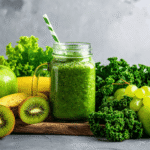
Example ratio: 2 cucumbers, 4 celery stalks, 1 cup spinach, 1 small apple, 1/2 lemon, 1-inch ginger.
Juice as Supplement, Not Replacement
Juice should supplement whole food intake, not replace meals. Whole produce provides fiber, satiety, and complete nutrition that juice cannot match.
One juice daily alongside a diet rich in whole fruits, vegetables, whole grains, legumes, and healthy fats is strategic. Three juices daily replacing meals is problematic.
Our guide on the 21-day organic meal plan shows how to incorporate juice strategically within a balanced whole foods diet.
Homemade vs Store-Bought Cold-Pressed Juice
Homemade Advantages
Ingredient control. You choose organic produce and control sugar content.
Freshness. Consume within minutes of pressing for maximum enzyme activity and nutrient retention.
Cost savings long-term. After juicer investment, homemade juice costs less per serving than commercial options.
Customization. Adjust flavors and ingredients to your preferences and nutritional goals.
Store-Bought Considerations
HPP processing. Many commercial cold-pressed juices undergo High Pressure Processing (HPP) to extend shelf life. This kills bacteria but also destroys some enzymes and heat-sensitive nutrients.
Added ingredients. Check labels for added sugars, natural flavors, or preservatives.
Price. Commercial organic cold-pressed juice costs $8 to $12 per 16 ounces.
Convenience. No prep, no cleanup, immediate consumption.
If buying commercial juice, choose brands with organic certification, minimal ingredients, no added sugars, and the most recent press date possible.
Sample Cold-Pressed Juice Recipes
Green Detox Juice
- 2 organic cucumbers
- 4 organic celery stalks
- 1 cup organic spinach
- 1/2 organic lemon (peeled)
- 1-inch fresh ginger
- 1 small organic green apple
Nutrient focus: Hydration, chlorophyll, vitamin K, anti-inflammatory compounds
Root Vegetable Elixir
- 3 medium organic carrots
- 1 medium organic beet with greens
- 1-inch fresh turmeric root
- 1-inch fresh ginger
- 1/2 organic lemon
Nutrient focus: Beta-carotene, nitrates for cardiovascular support, anti-inflammatory curcumin
Immunity Boost
- 2 organic oranges (peeled)
- 1 cup organic kale
- 1/2 organic pineapple
- 1-inch fresh ginger
- 1/4 organic turmeric root
Nutrient focus: Vitamin C, antioxidants, bromelain enzyme, anti-inflammatory compounds
Digestive Reset
- 2 organic cucumbers
- 4 organic celery stalks
- 1 organic fennel bulb
- 1/2 organic lemon
- Small handful fresh mint
Nutrient focus: Hydration, electrolytes, digestive support from fennel and mint
Equipment Considerations
Cold-Press Juicers
Masticating (slow) juicers. Single or dual auger systems that crush and press. Good yield, quiet, versatile. Price range: $200 to $400.
Hydraulic press juicers. Two-stage process: grind then press. Highest yield and nutrient retention. Commercial-grade. Price range: $400 to $2,500.
Recommended brands: Omega, Hurom, Tribest, Norwalk (high-end).
Storage
Store fresh juice in airtight glass containers filled to the top (minimize air exposure). Refrigerate immediately. Consume within 24 to 48 hours for best quality, though cold-pressed juice can last 3 to 5 days refrigerated.
Freeze juice in ice cube trays for longer storage. Thaw in refrigerator.
The Blood Sugar Warning
For people with diabetes, prediabetes, or insulin resistance, juice requires extreme caution. The concentrated sugar without fiber impacts blood sugar dramatically.
Monitor blood glucose after consuming juice. Many people with blood sugar issues find that even vegetable-heavy juice spikes glucose unacceptably.
Whole produce is safer and more appropriate for blood sugar management.
Our guide on organic food for weight loss covers why whole foods outperform juice for metabolic health and weight management.
The Bottom Line
Cold-pressed organic juice delivers concentrated nutrients from fresh produce in a rapidly absorbed form. When made from organic ingredients, it eliminates the pesticide exposure that conventional juicing concentrates.
The benefits are real but limited. Juice removes fiber, concentrates sugar, reduces satiety, and costs significantly more than eating whole produce. It should supplement, not replace, whole food intake.
Use the 80/20 vegetable-to-fruit ratio. Juice once daily maximum. Choose organic for all Dirty Dozen items. Consume immediately after pressing or within 48 hours refrigerated.
If you cannot afford organic produce for juicing, eat the produce whole instead. Whole conventional produce with fiber is healthier than concentrated conventional juice without fiber.
Juicing is a tool, not a panacea. Use it strategically within a diet built on whole organic produce, whole grains, legumes, nuts, seeds, and healthy fats. That foundation matters more than any juice ever will.
Frequently Asked Questions
Q1: What is the difference between cold-pressed and centrifugal juice? Cold-pressed juice uses a hydraulic press that crushes produce and extracts liquid without heat or high-speed spinning. Centrifugal juicing uses a fast-spinning blade that generates heat through friction. Cold-pressing preserves more heat-sensitive vitamins, enzymes, and phytonutrients and produces 10 to 20 percent higher juice yield.
Q2: Why should I use organic produce for juicing? Juicing concentrates pesticide residues alongside nutrients. One glass of conventional juice concentrates pesticides from 4 to 6 servings of produce. Dirty Dozen items like spinach, kale, celery, and apples are juicing staples that carry highest pesticide loads. Organic sourcing eliminates this concentrated exposure.
Q3: Is cold-pressed juice good for weight loss? No. Juice removes fiber, concentrates sugar, and provides minimal satiety. You can consume 500 calories of juice in 2 minutes and feel hungry 30 minutes later. The same calories from whole produce provide lasting fullness and better blood sugar control. Whole produce is superior for weight management.
Q4: How much sugar is in cold-pressed juice? It depends on ingredients. Fruit-heavy juice contains 40 to 60 grams of sugar per 16 ounces, equivalent to a large soda. Vegetable-heavy juice with one apple contains 15 to 25 grams. Use the 80/20 rule: 80 percent vegetables, 20 percent fruit maximum to manage sugar content.
Q5: What are the best vegetables for juicing? Cucumbers, celery, carrots, beets, romaine lettuce, kale, spinach, and Swiss chard provide high juice yield and nutrient density. Choose organic for Dirty Dozen items (kale, spinach, celery). Leafy greens deliver exceptional vitamin K, calcium, and antioxidants. Cucumbers and celery provide hydration and mild flavor.
Q6: How long does cold-pressed juice stay fresh? Homemade cold-pressed juice stays fresh 24 to 48 hours refrigerated in airtight glass containers filled to the top. Commercial HPP-processed juice lasts 3 to 5 days. Consume as soon as possible after pressing for maximum enzyme activity and nutrient retention. Freeze in ice cube trays for longer storage.
Q7: Should I juice or blend my produce? Blending retains all fiber and creates smoothies. Juicing removes fiber and creates concentrated liquid. Blending is better for blood sugar control, satiety, and digestive health. Juicing provides rapid nutrient absorption and concentrated phytonutrients. Both have roles. Blending is more appropriate for most people most of the time.
Q8: Can diabetics drink cold-pressed juice? Caution required. Even vegetable-heavy juice concentrates natural sugar without fiber, impacting blood sugar dramatically. Monitor glucose after consuming juice. Many people with diabetes or prediabetes find juice spikes glucose unacceptably. Whole produce is safer. Consult healthcare providers before adding juice to diabetic meal plans.








[…] guide on cold-pressed organic juice explains why whole fruit is superior to juice for glucose […]
[…] guide on cold-pressed organic juice discusses how omega-3s complement plant-based nutrition for metabolic […]
[…] guide on cold-pressed organic juice discusses juice limitations and why whole fruit is […]