Organic fish buying guide simplifies protein selection. Sustainability matters. Mercury concerns require attention. Wild versus farmed fish creates confusion. Understanding these distinctions empowers purchasing decisions.
Fish provides complete protein supporting health. But sourcing determines whether fish helps or harms. Organic aquaculture differs from conventional farming substantially. Wild-caught brings its own complications. Strategic buying matters.
Why Organic Fish Matters
Conventional fish farming uses synthetic antibiotics. Pesticide-laden feed compounds contamination. Crowded conditions create disease. Fish escape polluting wild populations. Organic aquaculture eliminates these problems.
Organic certification requires pesticide-free feed. Antibiotics appear only treating illness, not promoting growth. Stocking density limits disease spread. Escape prevention systems protect wild populations. Environment improves measurably.
Organic food labels explained clarifies certification differences. Third-party verification confirms standards. Certification matters verifying claims.
Wild-Caught Versus Farmed Fish
Wild-caught fish contains zero antibiotics. Feed comes from natural diet. Omega-3 content proves superior in wild species. Sustainability questions emerge based on fishing methods.
Overfishing depletes wild populations. Some species face extinction risk. Bycatch kills unintended species. Bottom trawling destroys ecosystems. These consequences extend years ahead.
Farmed fish provides consistent supply. Farming eliminates overfishing concerns. But conventional farming creates massive problems. Organic farmed fish splits the difference providing sustainable consistent supply.
Low-Mercury Fish Selection
Mercury accumulates in large predatory fish. Larger fish consume smaller contaminated fish. Time compounds accumulation. Bottom feeders avoid worst contamination.
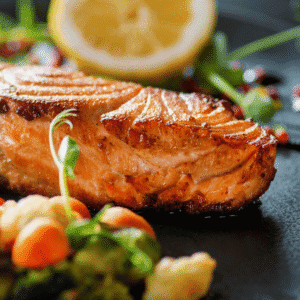
Safe fish choices include salmon, sardines, and anchovies. These smaller species accumulate less mercury. Higher omega-3 content delivers organic diet and immunity supporting benefits. Sustainable sourcing works consistently.
Avoid shark, swordfish, and king mackerel. These large predators accumulate dangerous mercury. Regular consumption poses health risks. Occasional servings remain acceptable.
Pregnant women and children require extra caution. Developing nervous systems prove vulnerable. Mercury exposure affects neurological development. Safe choices limit exposure preventing harm.
Organic Aquaculture Benefits
Organic fish farms raise healthier animals. Limited density prevents disease outbreaks. Organic feed removes pesticide burden. Antibiotic avoidance prevents resistance development. Escape prevention protects wild fisheries.
Cost exceeds conventional farming. Prices reflect ethical production standards. Sustainable living through fish sourcing justifies premium spending.
Environmental impact improves substantially. Water quality remains clean. Ecosystem disruption decreases. Wild fisheries stay healthy. Long-term sustainability proves achievable.
Sustainable Seafood Selection
Look for certified sustainable sourcing. Marine Stewardship Council certification guarantees sustainable fishing practices. ASC certification confirms aquaculture standards. These certifications matter verifying environmental responsibility.
Bottom-dwelling fish prove sustainable. Sardines, anchovies, and herring reproduce quickly. Population levels stay stable. Overfishing risks diminish significantly.
Avoid endangered species. Bluefin tuna faces extinction. Certain shark species require protection. Swordfish populations collapse. Choices matter protecting populations.
Seasonal sourcing supports sustainability. Fish availability changes annually. Eating seasonally respects natural cycles. Prices decrease when abundant. Environmental impact improves.
Organic Fish Quality Markers Table
| Fish Type | Mercury Level | Omega-3 Content | Sustainability | Best Use | Organic Availability |
|---|---|---|---|---|---|
| Wild Salmon | Low | Very High | Excellent | Main protein | Common |
| Sardines | Very Low | Very High | Excellent | Canned/fresh | Growing |
| Anchovies | Very Low | Very High | Excellent | Canned/fresh | Growing |
| Organic Farmed Fish | Low | Good | Good | Main protein | Growing |
| Trout | Low | Good | Good | Main protein | Limited |
| Herring | Very Low | Very High | Excellent | Canned/fresh | Limited |
| Tuna | Moderate | High | Concerning | Occasional | Rare |
| Swordfish | High | High | Poor | Avoid | N/A |
Reading Fish Labels Effectively
Organic certification appears clearly. Look for third-party seal. Wild-caught versus farmed designation matters. Origin country requires verification. Fishing method deserves attention.
Ask fishmongers directly. Where did this come from? How was it caught? These questions reveal sourcing practices. Knowledge prevents missteps.
Frozen fish proves acceptable. Freezing preserves nutrients. Quality matches fresh alternatives. Cost decreases substantially. Convenience increases dramatically.
Cost Strategies for Quality Fish
Buy in bulk during seasonal abundance. Freeze portions for later use. Cost drops 30-50% seasonally. Planning ahead saves money.
Canned sardines and anchovies prove budget-friendly. Omega-3 content matches fresh alternatives. Convenience increases. Storage simplifies. Cost remains minimal.
Rotate between fish types. Salmon, sardines, herring, and trout variety prevents boredom. Different species offer different nutrients. Rotation ensures complete coverage.
Shop wholesale retailers. Larger quantities drop per-pound costs. Freezing extends usability. Monthly shopping reduces frequency. Budget stretches further.
Supporting Organic food and environment benefits
Fish purchasing decisions affect ocean ecosystems. Sustainable sourcing protects fisheries. Organic farming prevents pollution. Individual choices compound into global impact.
Climate change affects wild fish populations. Ocean warming disrupts migration. Acidification damages ecosystems. Supporting sustainable sourcing supports climate resilience.
Foods for blood sugar balance include fish protein supporting stable glucose. Omega-3 content reduces inflammation. Complete protein satisfies hunger. Fish proves valuable nutritionally.
The Bottom Line
Quality organic fish requires informed purchasing. Wild-caught sustainable species prove excellent choices. Organic farmed fish provides consistent ethical sourcing. Low-mercury fish protects health. Sustainability matters protecting ecosystems. Organic food labels explained clarifies certification standards. Salmon, sardines, and anchovies top recommendations. Avoid predatory fish limiting mercury exposure. Ask fishmongers verifying sourcing. Buy seasonally reducing costs. Freeze in bulk saving money. Support sustainable living through conscious sourcing. Check Marine Stewardship Council certification. Verify organic aquaculture standards. Read labels understanding origin. Rotate fish variety ensuring coverage. Plan meals around availability. Support ocean health through purchasing. Fish sourcing matters. Quality proves affordable. Sustainability becomes achievable. Health and ethics align perfectly. Choose well. Eat well. Support well.
Frequently Asked Questions
1. Is wild-caught or farmed fish better? Wild-caught offers superior nutrition if sustainably sourced. Conventional farming creates pollution. Organic farmed fish provides consistent ethical sourcing. Neither proves universally best. Choose based on species and sourcing method verification.
2. What fish contain lowest mercury? Sardines, anchovies, herring, salmon, and trout contain lowest mercury. Small fish accumulate less mercury. Larger predatory fish accumulate dangerous levels. Smaller species prove safest with highest omega-3 content.
3. How do I know if fish is truly organic? Look for third-party organic certification seal. Read labels verifying certification. Ask fishmongers about sourcing. Organic requires pesticide-free feed and limited antibiotics. Certification matters confirming standards.
4. Is frozen fish as healthy as fresh? Yes. Freezing preserves nutrients completely. Quality matches fresh alternatives. Cost decreases significantly. Convenience increases. Frozen fish proves equally nutritious and practical.
5. What sustainable seafood certification matters most? Marine Stewardship Council (MSC) certification guarantees sustainable fishing. Aquaculture Stewardship Council (ASC) confirms farm standards. Both certifications verify environmental responsibility. Look for these seals on packaging.
6. How much mercury is safe during pregnancy? Pregnant women should limit high-mercury fish consumption. Low-mercury fish like salmon and sardines remain safe. Two to three servings weekly prove safe. High-mercury fish should be avoided completely.
7. Is organic aquaculture actually sustainable? Yes. Organic farms limit density preventing disease. Pesticide-free feed removes chemical burden. Escape prevention protects wild populations. Water quality remains clean. Organic farming proves more sustainable than conventional.
8. Why does organic fish cost more? Organic farming requires higher standards. Pesticide-free organic feed costs more. Lower stocking density reduces output. Environmental protection adds expense. Ethical sourcing justifies premium pricing.