

Side dishes determine whether diabetic-friendly meals succeed or fail. Boring vegetables make people abandon healthy eating. Exciting organic side dishes make diabetes management sustainable.
Foods for blood sugar balance focus on vegetables, healthy fats, and whole grains. These foundation foods work perfectly as side dishes when prepared strategically. Simple preparation enhances natural flavors without adding hidden sugars.
Roasted Organic Vegetables
Roasting transforms ordinary vegetables into restaurant-quality sides. High heat caramelizes natural sugars while creating crispy exteriors. This technique makes even children eat vegetables happily.
Organic asparagus roasts perfectly. Toss with organic olive oil, salt, and pepper. Roast at 425 degrees for 15 minutes. Asparagus provides fiber and negligible carbohydrates.
Organic broccoli becomes crispy and flavorful when roasted. The florets char slightly, developing deep flavors. This cooking method satisfies even skeptical eaters.
Organic cauliflower offers unlimited versatility. Roast as florets. Process into rice. Blend into creamy soups. Each preparation delivers different texture experiences without carbohydrate concerns.
Organic spinach cooked with garlic and olive oil provides nutrition while maintaining minimal carbohydrates. Wilted greens contain more nutrients per volume than raw spinach.
Low-Glycemic Alternatives
Substitution strategies replace high-carb sides with organic alternatives. This approach satisfies cravings while maintaining blood sugar stability.
Organic cauliflower rice replaces traditional rice. Process organic cauliflower florets until rice-sized. Cook briefly to maintain texture. This substitution cuts carbohydrates dramatically while maintaining satisfaction.
Organic zucchini noodles replace regular pasta. Spiralize organic zucchini. Cook briefly to prevent sogginess. Top with organic sauce. This preparation provides noodle experience without blood sugar concerns.
Organic cabbage slaw provides crunch and freshness. Shred organic cabbage finely. Toss with olive oil, vinegar, and herbs. This side travels well and improves over time.
Legume-Based Sides
Organic lentils and beans provide complete protein when prepared strategically. Portion control becomes essential because legumes contain carbohydrates.
Organic lentil salad combines cooked organic lentils with organic vegetables, organic olive oil, and vinegar. This side provides sustained energy through complete protein and fiber.
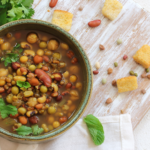
Organic bean medleys mix different organic beans with herbs and vegetables. Controlled portions (half cup servings) deliver nutrition without exceeding carbohydrate targets.
Healthy Fat Incorporation
Healthy fats slow glucose absorption significantly. Adding organic olive oil to every side dish improves both taste and glucose response.
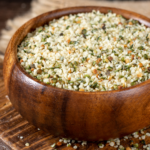
Organic nuts and seeds add crunch while delivering beneficial fats. Toast organic nuts briefly to develop flavor. Sprinkle across roasted vegetables for texture contrast.
Organic avocado slices accompany most sides beautifully. The creamy texture contrasts with crispy roasted vegetables. Avocado fats support satiety and nutrient absorption.
Table: Low-Glycemic Organic Side Dishes
| Side Dish | Primary Ingredient | Carbs per Serving | Prep Time | Blood Sugar Impact |
|---|---|---|---|---|
| Roasted Asparagus | Organic asparagus | 5g | 20 min | Low |
| Cauliflower Rice | Organic cauliflower | 4g | 15 min | Very Low |
| Sautéed Spinach | Organic spinach | 3g | 10 min | Very Low |
| Lentil Salad | Organic lentils | 18g | 30 min | Moderate |
| Zucchini Noodles | Organic zucchini | 6g | 15 min | Very Low |
| Broccoli with Oil | Organic broccoli | 7g | 20 min | Low |
Preparation Strategies
Simple seasonings enhance vegetables without adding unnecessary calories or sugar. Salt, pepper, garlic, and herbs provide infinite flavor variety.
Batch cooking on Sunday creates week-long access to prepared sides. Roast multiple sheet pans of vegetables. Store in glass containers. Combine with proteins throughout the week.
Temperature matters for storage. Cool roasted vegetables before refrigerating to prevent condensation. This maintains crispiness despite storage.
Organic foods for diabetes Integration
Diabetic-friendly meals require vegetable-forward plates. Make vegetables the dominant component, not the afterthought. This approach provides volume while managing carbohydrates.
Pair sides with organic proteins for blood sugar stability. Lean organic meats, organic eggs, and organic fish combine beautifully with low-carb organic sides.
Organic food and weight loss benefits from vegetable-dominant eating. High-volume, low-calorie sides satisfy hunger without excess calories.
Organic sweet potatoes for Controlled Carbs
Not all carbohydrates damage blood sugar. Organic sweet potatoes provide beneficial carbohydrates when portioned appropriately.
Roasted sweet potato wedges (three-ounce portion) deliver natural sweetness without excessive glucose spikes. Combine with organic butter and cinnamon for satisfaction.
The fiber in sweet potatoes slows glucose absorption. This physiological reality changes how bodies respond to this carbohydrate source.
Flavor Development Without Sugar
Caramelization through roasting develops natural sweetness. This technique eliminates the need for added sugars or artificial sweeteners.
Acid from vinegar and lemon juice brightens vegetable flavors. These additions provide satisfaction without carbohydrate concerns.
Herb varieties change side dish character completely. Rosemary creates completely different experience than oregano or basil, using identical vegetables.
The Bottom Line
Organic side dishes determine whether diabetic-friendly eating sustains itself. Exciting, delicious sides make people continue eating this way. Focus on roasted organic vegetables, low-glycemic replacements, and strategic legume portions. Incorporate healthy fats into every side dish. Batch cook on weekends for week-long convenience. Simple seasonings create unlimited flavor variety. This approach transforms diabetic meal management from restrictive burden into sustainable habit.
Frequently Asked Questions
1. What organic vegetables are best for diabetic diets? Asparagus, broccoli, spinach, cauliflower, and zucchini deliver nutrition with minimal carbohydrates. Focus on non-starchy vegetables as the foundation of diabetic side dishes. Portion size matters less with these options.
2. How do I make vegetable sides taste good without added sugar? Roasting caramelizes natural vegetable sugars, developing deep flavor. Use herbs, garlic, and vinegar for variety. Healthy fats from olive oil and nuts enhance taste while supporting blood sugar stability.
3. Are organic sweet potatoes okay for diabetics? Yes, in controlled portions. A three-ounce roasted sweet potato delivers natural sweetness without excessive glucose spikes. The fiber slows glucose absorption. Combine with protein for additional blood sugar stability.
4. How can I substitute high-carb side dishes? Cauliflower rice replaces traditional rice. Zucchini noodles replace pasta. Vegetable medleys replace grain-based sides. These substitutions cut carbohydrates dramatically while maintaining satisfaction.
5. What about organic beans and lentils for diabetics? Beans and lentils work when portioned appropriately. A half-cup serving provides complete protein with manageable carbohydrates. Always pair with vegetables and healthy fats for optimal blood sugar response.
6. How do I meal prep diabetic side dishes? Batch roast multiple vegetable trays on Sunday. Store in glass containers. Combine with different proteins throughout the week for variety. Prepared sides eliminate daily decision-making.
7. Should diabetics avoid all side dishes with carbohydrates? No. Strategic carbohydrate portions stabilize blood sugar when combined with protein and fat. Focus on quality sources like organic sweet potatoes and organic legumes rather than eliminating carbs entirely.
8. What healthy fats pair well with organic vegetable sides? Organic olive oil, organic nuts, organic avocado, and organic seeds all enhance vegetable sides while supporting blood sugar stability. These additions increase satiety without carbohydrate concerns.








Great content! Keep up the good work!