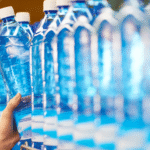
The bottled water industry generates $300 billion annually while creating a plastic crisis that will persist for centuries. A single plastic bottle takes 450 years to decompose. Over 1 trillion plastic bottles end up in oceans and landfills annually.
Bottled water environmental impact extends far beyond visible plastic pollution. The production process consumes massive fossil fuel resources, depletes local water supplies, and generates chemical contamination. Understanding this impact empowers you to make choices that protect both your health and the planet.
This guide covers the full environmental cost of bottled water, the direct harm caused by plastic pollution, why alternatives are genuinely better, and exactly which sustainable choices deliver clean water without destroying ecosystems.
The Production Cost: Fossil Fuels and Water Depletion
Energy Consumption Per Bottle
Producing a single plastic water bottle requires 1,000 times more energy than tap water delivery. Manufacturing, transportation, and refrigeration combine to create an enormous energy footprint.
For every bottle of water produced, approximately 3 liters of water are consumed. A 1-liter bottled water product consumes 4 liters of freshwater resources during manufacturing.
This depletion happens in regions where freshwater is already scarce. Bottled water companies extract water from aquifers that local populations depend on for drinking and agriculture.
Petroleum Extraction
Bottled water bottles are made from PET plastic (polyethylene terephthalate), derived from crude oil. Extracting and processing petroleum for plastic production generates greenhouse gas emissions equivalent to the annual emissions of 33 coal power plants.
Transporting bottled water globally adds additional emissions. A bottle produced in Europe and shipped to North America consumes more fuel in transport than the water inside weighs.
Carbon Footprint Per Bottle
One 1-liter plastic bottle generates approximately 100 grams of CO2 during production and transport. This is equivalent to driving a car 1 mile.
A household that replaces tap water with bottled water generates approximately 900 kg of CO2 annually. This is equivalent to driving an additional 2,000 miles per year in a car.
Plastic Pollution: The Visible Crisis
Ocean Accumulation
Approximately 8 million metric tons of plastic enter oceans annually. Bottled water bottles account for approximately 20 to 30 percent of this ocean plastic.
This plastic breaks down into microplastics that contaminate marine food webs. Fish consume microplastics, which then accumulate in human bodies through seafood consumption.
A 2024 study published in Environmental Science and Technology found that average humans ingest approximately 39,000 to 52,000 microplastic particles annually from food and drinking water sources.
Landfill Persistence
Plastic bottles in landfills persist for 450 years. In that time, they do not biodegrade. They break into smaller pieces but remain as plastic.
Landfills leach chemical additives from plastic bottles into groundwater. BPA (bisphenol A), a hormone-disrupting chemical used in plastic production, contaminates water supplies near landfills.
Our guide on tap water safety covers how landfill contamination affects drinking water quality.
Recycling Reality
Only 30 percent of plastic bottles are recycled. Of those recycled bottles, 90 percent eventually end up in landfills or oceans anyway after multiple recycling cycles.
Plastic recycling is energy-intensive and often results in lower-quality plastic that cannot be reused indefinitely. The recycling industry creates illusion of solution while the plastic problem persists.
Chemical Contamination from Bottled Water Production
BPA and Phthalates
Plastic bottles contain BPA and phthalates, chemicals that leach into water. Exposure increases with temperature, UV light exposure, and storage duration.
A 2022 study in Environmental Research found that bottled water consumed after storage in warm environments contains 2 to 5 times higher BPA concentrations than fresh samples.
BPA is an endocrine disruptor that mimics estrogen in the body. It is linked to reproductive issues, developmental problems, and metabolic dysfunction.
Microplastic Ingestion
Bottled water contains measurably higher microplastic concentrations than tap water. A 2024 analysis found that bottled water contains an average of 100 microplastic particles per liter.
Tap water contains an average of 1 to 2 microplastic particles per liter. This 50-fold difference means bottled water consumers ingest far more microplastics than tap water drinkers.
The health effects of microplastic ingestion are not yet fully characterized but are potentially serious. Microplastics accumulate in organs and may trigger inflammatory responses.
Water Source Depletion Impact
Aquifer Depletion
Bottled water companies extract water from underground aquifers, many of which are non-renewable resources. Once depleted, these aquifers take thousands of years to refill.
The Himalayan aquifer supplies water to 2 billion people. Bottled water extraction from this aquifer has dropped water tables by 1 meter per year in some regions. Agricultural irrigation is now failing as aquifers deplete.
Similar depletion occurs in California’s Central Valley, India’s agricultural regions, and the Middle East. Bottled water extraction directly competes with food production for limited freshwater.
Local Community Impact
In developing nations, bottled water companies extract water that local populations depend on for drinking and agriculture. This creates water inequality where wealthy bottled water consumers deplete resources for poor communities.
In Fiji, a bottled water company extracts 1.4 million liters of water daily while 1 in 3 Fijians lack reliable clean water access. The company exports the extracted water while local communities suffer water scarcity.
Our guide on organic farming watersheds covers how water depletion impacts agricultural ecosystems.
Comparison: Environmental Cost Analysis
| Factor | Bottled Water | Tap Water | Filtered Tap Water | Reusable Bottle |
|---|---|---|---|---|
| Annual CO2 per person | 900 kg | <1 kg | <5 kg | <10 kg (first year only) |
| Plastic waste per year | 150+ bottles | None | None | None |
| Water consumption (liters per liter produced) | 4 | 1 | 1.1 | <0.1 (per use) |
| Microplastic ingestion | 36,500/year | 520/year | 520/year | 0/year |
| Groundwater depletion | High | No | No | No |
| Cost per year | $500-1,500 | $20 | $50-100 | $50-150 (setup) |
Filtered tap water and reusable bottles create environmental impact 100 to 1,000 times lower than bottled water.
Sustainable Water Alternatives
Filtered Tap Water
Install a carbon water filter that removes chlorine, taste, and odor while retaining beneficial minerals. Cost is approximately $50 to $100 for a basic pitcher filter or $200 to $500 for under-sink systems.
The environmental cost of filtered tap water is approximately 5 kg CO2 annually, compared to 900 kg for bottled water. This represents a 99 percent reduction in environmental impact.
Reusable Water Bottles
A stainless steel or glass reusable bottle costs $30 to $80. Reused daily for 5 years, the environmental cost is approximately 10 kg CO2 total, or 2 kg per year.
This is 450 times lower environmental impact than bottled water. The upfront cost is recovered in 3 to 6 months compared to bottled water spending.
Home Water Systems
Reverse osmosis systems cost $300 to $800 installed. These systems remove contaminants comprehensively while consuming minimal additional energy.
A reverse osmosis system generates approximately 5 kg CO2 annually in operation and electricity consumption. This is 180 times lower environmental impact than bottled water.
Making the Switch: Practical Steps
Step 1: Test Your Tap Water
Have municipal tap water tested for lead, bacterial contamination, and chemical residues. Most municipalities provide free or low-cost testing.
If results show safety concerns, install appropriate filtration. If results are clean, filtered tap water is your safest and most sustainable option.
Our guide on mineral water vs spring water covers testing methods and water quality verification.
Step 2: Choose Your Filtration Method
Basic carbon filters work for chlorine, taste, and odor removal. These cost $20 to $50 and require replacement every 2 to 3 months.
Reverse osmosis systems provide comprehensive contamination removal but generate some wastewater. These cost $300 to $1,200 installed.
Berkey-style gravity filters cost $100 to $400 and work without electricity. These are effective for emergency preparedness and travel.
Step 3: Invest in Reusable Bottles
Purchase durable reusable water bottles made from stainless steel, glass, or BPA-free plastic. Avoid cheap plastic bottles that degrade and leach chemicals.
Quality reusable bottles cost $30 to $80 and last 10+ years. This is a one-time investment that pays for itself immediately compared to bottled water spending.
Step 4: Eliminate Bottled Water Completely
Make a commitment to never purchase bottled water. Replace bottled water habit with filtered tap water in reusable bottles.
If you previously spent $500 to $1,500 annually on bottled water, redirect this spending to higher-quality whole foods and organic produce.
Our guide on organic cinnamon and other organic certifications cover how to invest savings in genuine health improvements.
Beverage Enhancement Without Bottled Water
Lemon Water
Add fresh organic lemon juice to filtered water. This provides vitamin C, supports digestion, and makes water more engaging.
Our guide on lemon mint juice covers hydration strategies that transform plain water into functional beverages.
Herbal Infusions
Brew organic mint, chamomile, or other herbs in filtered water. This creates flavorful, zero-calorie beverages without added sugars or chemicals.
Electrolyte Enhancement
For post-exercise hydration, add electrolyte tablets to filtered water. Cost is approximately $1 per serving, compared to $2 to $5 for bottled sports drinks.
Corporate Accountability and Personal Choice
The Industry Problem
Bottled water companies spend billions lobbying against public water infrastructure investment. They actively undermine tap water confidence to drive bottled water sales.
They extract water from vulnerable communities, deplete aquifers, and generate plastic pollution while claiming environmental responsibility through recycling initiatives.
Personal choice matters, but systemic change requires supporting policies that strengthen public water infrastructure and restrict unsustainable bottled water extraction.
Your Individual Impact
Eliminating bottled water from your life prevents:
- 150+ plastic bottles annually from entering landfills and oceans
- 900 kg CO2 emissions annually
- 4,000+ liters of freshwater depletion annually
- 36,500+ microplastics ingestion annually
These benefits compound across millions of households into meaningful planetary impact.
The Bottom Line
Bottled water is environmental destruction marketed as convenience. The true cost extends far beyond the bottle price tag: ecosystem damage, ocean pollution, aquifer depletion, and chemical contamination.
Filtered tap water in reusable bottles eliminates this environmental impact while costing less and delivering superior water quality. The switch requires minimal effort and immediate savings.
Stop buying bottled water. Install a basic filter. Get a reusable bottle. Hydrate with filtered tap water or enhance it with lemon, mint, or herbs.
Your choice to reject bottled water prevents 150+ bottles annually from reaching landfills. Multiply that across millions of households and the environmental impact becomes transformative.
The solution is simple. The impact is profound.
Frequently Asked Questions
Q1: What is the environmental impact of bottled water production? Producing a single plastic bottle requires 1,000 times more energy than tap water delivery. For every liter of bottled water produced, 4 liters of freshwater are consumed. Bottles are made from petroleum-derived plastic, and transporting bottled water globally adds substantial emissions. One bottle generates approximately 100 grams of CO2 during production and transport.
Q2: How much plastic waste does bottled water generate? Over 1 trillion plastic bottles end up in landfills and oceans annually. Only 30 percent of bottles are recycled, and 90 percent of recycled bottles eventually become landfill or ocean waste. Plastic bottles take 450 years to decompose. Approximately 8 million metric tons of plastic enter oceans annually, with bottled water bottles accounting for 20-30 percent of ocean plastic pollution.
Q3: Does bottled water contain microplastics? Yes. Bottled water contains an average of 100 microplastic particles per liter, compared to 1-2 particles in tap water. Consumers of bottled water ingest approximately 36,500 to 52,000 microplastic particles annually. The health effects of microplastic ingestion are not fully understood but are potentially serious.
Q4: What are the social impacts of bottled water extraction? Bottled water companies extract water from aquifers that local populations depend on for drinking and agriculture. In Fiji, a bottled water company extracts 1.4 million liters daily while 1 in 3 Fijians lack reliable clean water access. Similar depletion occurs in California, India, and the Middle East, directly competing with food production for limited freshwater.
Q5: How does bottled water compare environmentally to filtered tap water? Bottled water generates 900 kg CO2 annually per household. Filtered tap water generates less than 5 kg CO2 annually. Bottled water depletes 4 liters of water for every liter produced. Filtered tap water depletes only 1.1 liters per liter. Bottled water costs $500-1,500 annually. Filtered tap water costs $50-100 annually.
Q6: What chemicals are in plastic water bottles? Plastic bottles contain BPA (bisphenol A) and phthalates, chemicals that leach into water. Exposure increases with temperature and storage duration. BPA is an endocrine disruptor linked to reproductive issues, developmental problems, and metabolic dysfunction. Bottled water stored in warm environments contains 2-5 times higher BPA than fresh samples.
Q7: What is the best sustainable water alternative? Filtered tap water using a basic carbon filter is the most effective sustainable alternative. Cost is $50-100 for setup, with annual operating cost under $50. Pair filtered water with a reusable stainless steel or glass bottle ($30-80) that lasts 10+ years. This eliminates plastic waste while reducing environmental impact by 99 percent.
Q8: How can I make tap water more appealing? Add fresh organic lemon juice for vitamin C and digestive support. Brew organic herbs like mint, chamomile, or basil. Add electrolyte tablets for post-exercise hydration (approximately $1 per serving). These enhancements make filtered water more engaging without requiring bottled beverages or added sugars.