

Women can lose up to 10 percent of their bone density within the first five years after menopause, according to data summarized by the Bone Health and Osteoporosis Foundation. That single number reshapes how nutrition should work after 40.
The years after 40 bring a quiet shift in biology. Estrogen begins to fluctuate, then decline. Muscle mass drops without intervention. Metabolism slows, and the body handles blood sugar differently than it did at 30.
Food cannot reverse aging. But the right foods can soften the steepest curves. This guide focuses on organic foods women over 40 can use to support bone strength, hormone balance, heart health, and steady energy through perimenopause and beyond.
The best organic foods for women over 40 are calcium and vitamin D rich foods like leafy greens, dairy, and fatty fish for bone protection, fiber rich legumes and whole grains for hormone and blood sugar balance, and antioxidant heavy berries and cruciferous vegetables for cellular and heart health. Choosing organic versions of high pesticide produce reduces chemical exposure during a hormonally sensitive decade.
Why Nutrition Changes After 40
Midlife nutrition is not just adult nutrition with smaller portions. The underlying physiology changes, so the priorities change too.
The most documented shift involves bone. Estrogen helps regulate the balance between bone breakdown and bone building. When estrogen falls, that balance tips toward loss.
A 2023 review in Food Science & Nutrition explained that falling estrogen after menopause raises bone turnover, lowers bone mineral density, and increases fracture risk. The same review linked this drop to rising metabolic and cardiovascular risk in women.
Muscle is the second concern. Lean mass declines steadily from the 40s onward, which lowers resting metabolism and weakens insulin sensitivity. Protein intake and resistance training both help defend against this.
This is why protein needs often rise rather than fall after 40. Many nutrition researchers now suggest older adults aim higher than the standard adult target to offset age related muscle loss.
Then there is the question of chemical load. The decades around menopause are hormonally sensitive, and that is exactly when many women choose to lower their pesticide exposure through smarter produce choices.
None of this means eating becomes complicated. It means a few priorities move to the front of the plate while others quietly step back.
The Estrogen Connection
Estrogen does far more than govern reproduction. It influences bone, mood, skin collagen, cholesterol, and how the body stores fat.
As levels swing during perimenopause, many women notice changes in weight distribution, sleep, and energy. No food replaces estrogen, but several support the systems estrogen used to help manage.
This is where hormones after 40 become a practical nutrition target rather than an abstract concept. The goal is steadiness, not a cure.
Bone Protecting Organic Foods
Bone is the clearest case for eating with intention after 40. The window of fastest loss is narrow, and food choices during it matter.
On average, women lose roughly 1 to 2 percent of bone density per year once menopause begins, and sometimes as much as 3 to 5 percent, according to clinicians at Mass General Brigham. Calcium and vitamin D are the two nutrients with the strongest evidence behind them.
A September 2024 systematic review in the European Journal of Medical Research, pooling 37 randomized trials and over 43,000 patients, examined calcium and vitamin D supplementation in postmenopausal women. The pattern across trials supported their role in protecting bone mineral density alongside medical treatment.
Leafy Greens and Cruciferous Vegetables
Dark leafy greens deliver calcium, vitamin K, magnesium, and folate in one package. Vitamin K in particular helps direct calcium into bone rather than soft tissue.
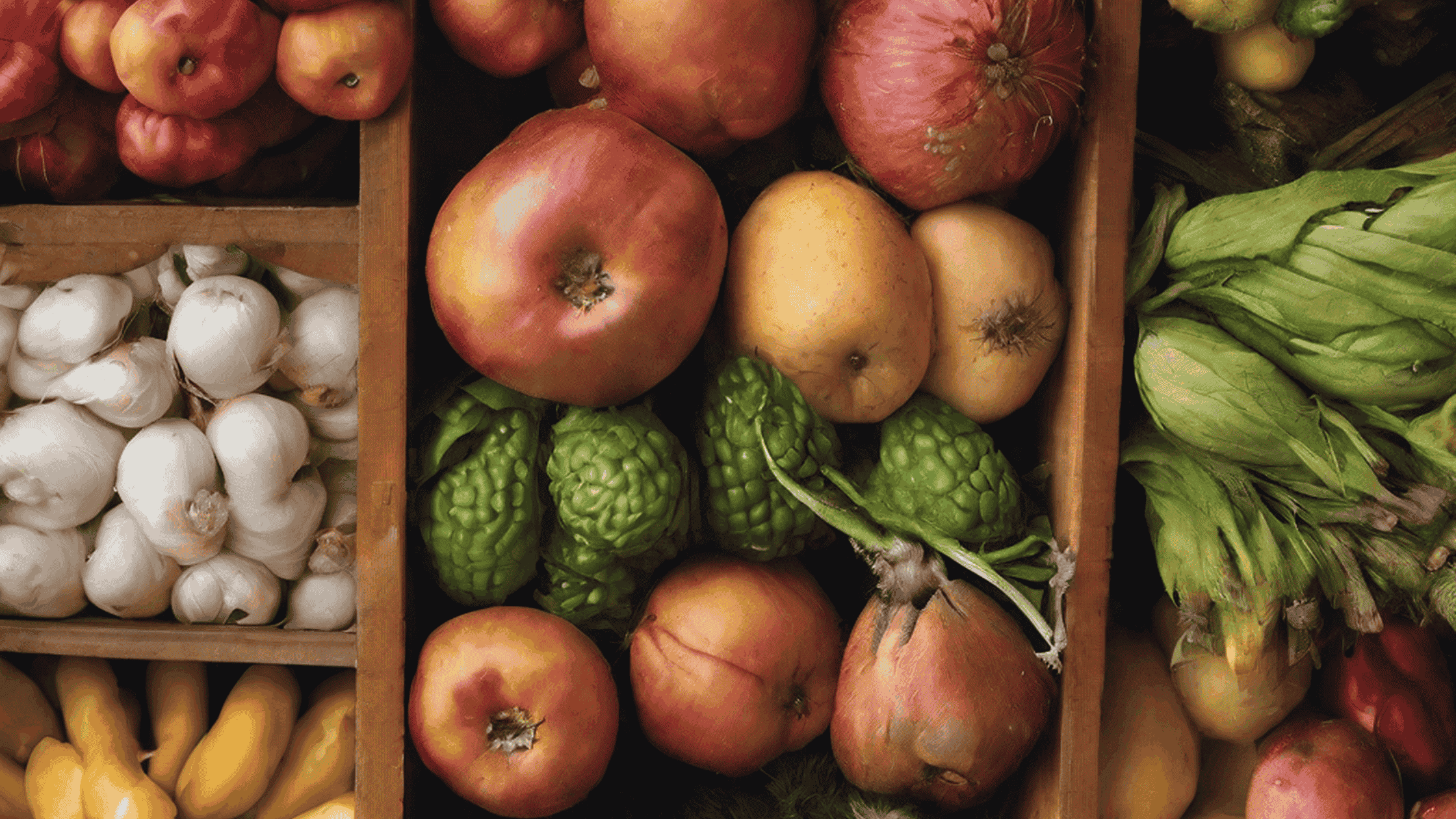
Organic spinach is a strong everyday choice, and the broader family of kale, collard, and mustard greens widens the rotation. These greens also rank among produce where many shoppers prefer organic to limit residue.
Cabbage and other cruciferous vegetables add a second benefit. They contain compounds that support the liver pathways involved in processing estrogen.
Organic Dairy and Fortified Alternatives
Dairy remains one of the most efficient calcium sources per serving. Organic yogurt and kefir add probiotics that support gut health, which matters more as digestion shifts with age.
If you avoid dairy, the comparison between organic dairy and plant based alternatives is worth reading closely. Many plant milks are fortified with calcium and vitamin D to match dairy, but the amounts vary by brand, so the label is what counts.
Vitamin D is hard to get from food alone. A guide to vitamin D food sources helps, and sensible sun exposure fills part of the gap.
Hormone and Metabolism Support
Beyond bone, the second pillar of women’s nutrition midlife is steadying blood sugar and supporting the body through hormonal change.
Fiber is the quiet hero here. It slows glucose absorption, feeds beneficial gut bacteria, and helps the body clear excess hormones through digestion.
Legumes, Beans, and Phytoestrogens
Beans and lentils combine plant protein with heavy fiber, a useful pairing when muscle preservation and blood sugar control both matter. Organic lentils and beans belong in regular rotation, and organic chickpeas make an easy addition to salads and grain bowls.
Soy foods and certain legumes contain phytoestrogens, plant compounds that weakly mimic estrogen in the body. Research on menopause nutrition suggests they may modestly ease symptoms for some women, though responses vary widely.
For a deeper look at the relationship between diet and hormones, the guide on organic food and hormonal balance covers the mechanisms in more detail.
Whole Grains and Steady Energy
Refined carbohydrates spike blood sugar, which becomes harder to manage as insulin sensitivity declines. Whole grains slow that response and add B vitamins and fiber.
Organic quinoa offers complete protein alongside its fiber, which is rare for a plant food. Organic oats bring beta glucan, a soluble fiber tied to better cholesterol numbers.
Pairing these grains with protein and healthy fat flattens the glucose curve further. The combination supports the steady, all day energy that many women find harder to maintain after 40.
Anti-Aging and Heart Health Foods
The phrase anti-aging foods women search for is mostly marketing, but the science behind it is real. Oxidative stress and inflammation drive much of how the body ages, and diet influences both.
Heart disease risk also climbs after menopause as the protective effect of estrogen fades. The foods that fight cellular aging tend to protect the heart too, which makes this category efficient.
Berries and Antioxidant Rich Fruits
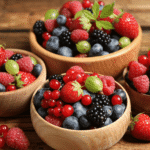
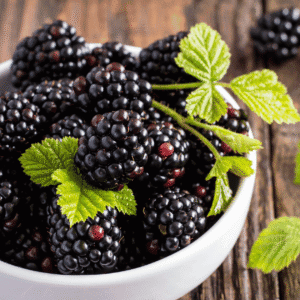
Deeply colored fruits carry the highest antioxidant loads. Organic blueberries are among the most studied, linked in research to brain and vascular benefits.
Berries also appear on lists of produce where buying organic limits pesticide exposure, since their delicate skins are not peeled. Rotating in other antioxidant fruits keeps the diet varied and interesting.
Color is a useful shortcut here. The pigments that make blueberries deep blue and cherries dark red are the same antioxidant compounds that protect cells, so eating a range of colors covers a wider spread of protective nutrients.
Healthy Fats and Omega-3s
Fat is not the enemy after 40. The right fats support hormone production, brain function, and heart health.
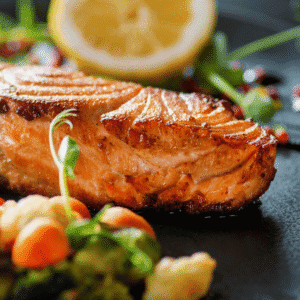
Organic olive oil anchors the Mediterranean pattern that consistently performs well for cardiovascular outcomes. Fatty fish, walnuts, and seeds supply omega-3 fats that help calm inflammation.
Omega-3s deserve special attention during this decade. They support heart rhythm, joint comfort, and mood, all areas where many women notice changes through perimenopause.
For cholesterol specifically, a focused list of foods for high cholesterol pairs well with these fats to build a heart conscious plate.
Organic vs Conventional: What Actually Matters
Not every food needs to be organic. Spending wisely matters more than spending broadly, especially on a real budget.
The Environmental Working Group publishes an annual ranking of produce by pesticide residue. Buying organic versions of the highest residue items delivers the most exposure reduction per dollar, while the lowest residue items are reasonable to buy conventional.
The table below sorts common foods by where organic spending tends to pay off most for women over 40.
| Food Category | Buy Organic Priority | Why It Matters After 40 |
|---|---|---|
| Leafy greens (spinach, kale) | High | Thin leaves hold residue, high calcium and vitamin K for bone |
| Berries (blueberries) | High | Eaten with skin on, antioxidant dense for heart and brain |
| Dairy and yogurt | Medium to High | Avoids added hormones, supports calcium and gut health |
| Legumes and beans | Medium | Fiber and protein for hormone and blood sugar balance |
| Whole grains and oats | Medium | Steady energy, lower pesticide concern than thin skinned produce |
| Avocado, onions | Low | Protective skin or layers mean low residue, organic optional |
The framework behind this ranking is explained fully in the guide to the Dirty Dozen and Clean Fifteen. It is the single most useful tool for deciding where organic is worth the premium.
If cost is the main barrier, the practical tips in how to shop organic on a budget help stretch the grocery budget without dropping the foods that matter most.
Building a Daily Plate After 40
Translating this into meals does not require a rigid plan. A simple framework covers most needs.
Aim for protein at every meal to defend muscle. Add a calcium source daily, fill half the plate with vegetables and fruit, and choose whole grains over refined ones.
Keep fiber high through legumes and produce, and include a healthy fat at most meals. Hydration and limiting ultra processed foods round out the approach.
For anyone who wants structure, a ready made 21 day organic meal plan removes the daily guesswork and builds these habits gradually.
FAQs
1. What are the best organic foods for women over 40?
Leafy greens, organic dairy or fortified alternatives, legumes, whole grains, berries, and healthy fats like olive oil. These support bone, hormone, and heart health during midlife.
2. Why does nutrition change for women after 40?
Estrogen declines, muscle mass drops, and insulin sensitivity weakens. These shifts make calcium, protein, and fiber more important than before.
3. Which foods help with hormones after 40?
Fiber rich legumes, soy foods, flaxseed, and cruciferous vegetables support hormone balance. They aid digestion, blood sugar, and the body’s processing of estrogen.
4. Do women over 40 really need to buy organic?
Not for everything. Organic matters most for high residue produce like leafy greens and berries, and less for low residue items with protective skins.
5. What organic foods support bone health during menopause?
Calcium and vitamin D rich foods like leafy greens, dairy, kefir, and fatty fish. Vitamin K from greens also helps direct calcium into bone.
6. Are there anti-aging foods for women over 40?
Antioxidant rich berries, colorful vegetables, olive oil, and omega-3 fats help fight oxidative stress and inflammation, which drive much of how the body ages.
7. How much calcium do women over 40 need?
Most guidance points toward around 1,200 mg daily for postmenopausal women. Food sources are ideal, with supplements used only under medical guidance.
8. Can food help with menopause symptoms?
Some women find phytoestrogen foods like soy and legumes modestly ease symptoms, though responses vary. A balanced, fiber rich diet supports overall stability.
The Bottom Line
Nutrition after 40 is about defending what the body starts to lose. Bone, muscle, hormone balance, and metabolic flexibility all need more support than they did a decade earlier.
The best organic foods for women over 40 are not exotic. They are leafy greens, dairy or fortified alternatives, legumes, whole grains, berries, and healthy fats, chosen organic where pesticide residue is highest.
Start with one change. Add a calcium rich green to lunch, swap a refined grain for a whole one, or buy organic for the few foods where it matters most. Small, repeated choices protect the most over time.
This article is for general educational purposes and is not medical advice. Women experiencing menopause symptoms, bone density concerns, or considering supplements such as calcium or vitamin D should consult a qualified healthcare provider for guidance tailored to their health history.








[…] guide on organic foods for women over 40 discusses nutrient density for specific […]