

Zinc deficiency affects more than 2 billion people globally, making it one of the most widespread nutrient deficiencies on Earth. A 2024 Scientific Reports analysis of a nationwide Japanese medical claims database confirmed zinc deficiency is heavily prevalent among older adults and males, and a 2025 update to the StatPearls medical database classified it as a significant yet often overlooked contributor to global disease burden.
What makes zinc deficiency particularly dangerous is that it does not announce itself dramatically. The immune system quietly weakens. Testosterone production slows. Wound healing stalls. Taste and smell fade. Hair thins. Most people attribute these changes to stress or aging rather than a correctable mineral gap.
Zinc deficiency causes impaired immune function, slow wound healing, hair loss, reduced taste and smell, skin problems, low testosterone in men, and poor growth in children. The most common dietary causes are low meat and shellfish intake, heavy reliance on phytate-rich grains, and poor soil quality in food sources. The top organic food solutions are oysters, organic grass-fed beef, organic pumpkin seeds, organic lentils, and organic hemp seeds. The adult RDA is 11mg per day for men and 8mg for women.
Why Zinc Is Essential: What This Mineral Actually Does
Zinc is involved in more than 300 enzymatic reactions in the human body. It is the second most abundant trace mineral after iron, but unlike iron, the body has no dedicated zinc storage system. This means regular daily intake is not optional. Even a few weeks of inadequate intake can produce measurable deficiency effects.
Its functions span virtually every major physiological system:
- Immune defense: Zinc is required for the development and function of neutrophils, natural killer cells, and T-lymphocytes. A 2024 Cureus study confirmed zinc deficiency compromises immune responses, with 74.3% of zinc-deficient Vietnamese children with pneumonia showing compounded severity.
- Testosterone synthesis: Zinc is a direct cofactor in Leydig cell function and LH secretion. Studies show zinc-deficient men who supplement see testosterone improvements of approximately 62%.
- DNA synthesis and cell division: Every dividing cell requires zinc for DNA polymerase activity, making deficiency particularly damaging during pregnancy, childhood, and tissue repair.
- Wound healing: Zinc regulates collagen synthesis, inflammatory response, and epithelial cell proliferation. Deficiency visibly slows healing at cuts, surgical sites, and skin abrasions.
- Taste and smell: Zinc is required for production of gustin, the protein necessary for taste bud function. Loss of taste or smell (dysgeusia and anosmia) is one of the earliest and most specific signs of zinc deficiency.
- Antioxidant defense: Zinc is a structural component of superoxide dismutase (SOD), a key antioxidant enzyme that protects cells from oxidative damage.
For the full picture of how zinc interacts with testosterone production, our Foods That Naturally Boost Testosterone guide covers the zinc-aromatase connection in detail.
Signs and Symptoms of Zinc Deficiency
Zinc deficiency exists on a spectrum. Severe deficiency produces dramatic symptoms. Mild-to-moderate deficiency, the most common form in developed countries, produces subtler signs that are frequently missed or misattributed.
Early and Mild Deficiency Signs
- Reduced appetite and food aversion
- Impaired taste or smell (food tastes metallic or bland)
- White spots on fingernails
- Increased frequency of colds and infections
- Slow wound healing (cuts take longer to close)
- Dry, rough skin or mild acne
- Low energy and reduced motivation
Moderate Deficiency Signs
- Significant hair thinning or shedding
- Delayed wound healing and persistent skin sores
- Recurring infections and prolonged illness recovery
- In men: low libido, reduced sperm count, testosterone decline
- In women: irregular menstrual cycles, fertility challenges
- Night blindness (zinc is required for vitamin A metabolism in the retina)
- Diarrhea and digestive discomfort
Severe Deficiency Signs
- Stunted growth in children
- Severely impaired immune function and susceptibility to opportunistic infections
- Hypogonadism in males (reduced testicular function)
- Skin lesions around the mouth, eyes, and genitals (characteristic of acrodermatitis enteropathica)
- Neurological disturbances including cognitive impairment
A 2025 study in PLOS ONE updating 30 years of global disease burden data confirmed that significant associations with zinc deficiency are seen among older adults and males in particular, reinforcing the need for targeted dietary attention in these groups.
For the intersection of zinc deficiency and immune resilience, our Organic Diet and Immunity guide covers how mineral status affects immune cell production and function.
Who Is Most at Risk
Zinc deficiency does not affect everyone equally. Certain populations face structurally higher risk based on diet, physiology, and life stage.
| Population | Primary Risk Factor |
|---|---|
| Adult men | Higher RDA (11mg vs 8mg for women); testosterone demand increases zinc utilization |
| Older adults | Reduced absorption efficiency; lower dietary variety |
| Vegetarians and vegans | No shellfish or red meat; heavy reliance on phytate-rich grains that block zinc absorption |
| Pregnant and breastfeeding women | Elevated demand; fetal and milk zinc requirements deplete maternal stores |
| Athletes and heavy exercisers | Zinc lost in sweat; muscle repair and protein synthesis demand increases requirements |
| People with GI disorders | Crohn’s disease, ulcerative colitis, celiac disease impair zinc absorption |
| Heavy alcohol consumers | Alcohol increases urinary zinc excretion and impairs intestinal absorption |
| Children in low-income settings | Dietary monotony and low animal food intake; 2025 WHO data shows rates above 50% in some regions |
The phytate issue deserves special attention for anyone eating a predominantly plant-based diet. Phytates, found in grains, legumes, nuts, and seeds, bind zinc in the gut and reduce its bioavailability. This means plant-based zinc sources deliver less bioavailable zinc per milligram than animal sources, making total intake requirements effectively higher for plant-based eaters.
For guidance on building a plant-based diet that adequately covers zinc and other critical minerals, our Organic Quinoa Nutrition guide and Organic Lentils and Beans guide cover preparation methods that reduce phytate content.
Top Organic Zinc Food Sources
USDA FoodData Central 2024 data, organized by bioavailability and practicality:
| Organic Food | Serving | Zinc (mg) | % Daily Value (men) | Bioavailability |
|---|---|---|---|---|
| Oysters | 3 oz (85g) | 74mg | 673% | Very high (heme-associated) |
| Organic grass-fed beef (chuck) | 3 oz (85g) | 7mg | 64% | High |
| Organic pumpkin seeds | 1 oz (28g) | 2.2mg | 20% | Moderate |
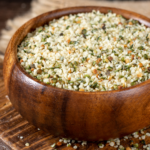
| Organic hemp seeds | 3 tbsp (30g) | 3mg | 27% | Moderate |
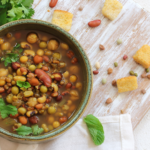
| Organic lentils (cooked) | 1 cup (198g) | 2.5mg | 23% | Lower (phytates) |
| Organic chickpeas (cooked) | 1 cup (164g) | 2.5mg | 23% | Lower (phytates) |
| Organic cashews | 1 oz (28g) | 1.6mg | 15% | Moderate |
| Organic dark chocolate (70%+) | 1 oz (28g) | 0.9mg | 8% | Moderate |
| Organic pasture-raised eggs (2) | 2 large | 1.2mg | 11% | Moderate |
| Organic Greek yogurt | 1 cup (245g) | 1.4mg | 13% | Moderate-high |
Why oysters stand out: Six medium oysters provide over 500% of the daily zinc requirement in a single serving. No other food comes close. Weekly oyster consumption is one of the most efficient zinc strategies available to non-vegetarians.
Why organic matters for zinc foods: Organic certification ensures source crops are grown without synthetic phosphate fertilizers, which can deplete soil zinc levels over time. Several studies show organically grown crops grown in well-managed soil show higher zinc content than conventionally grown equivalents where soil zinc has been depleted. Organic grass-fed beef eliminates synthetic hormone and antibiotic residues while delivering zinc in its most bioavailable heme-associated form. Our Organic vs. Grass-Fed Meat guide covers the full production difference and its nutritional implications.
How to Increase Zinc Absorption From Plant Foods
For plant-based eaters, the bioavailability gap is real and manageable with specific preparation techniques:
Soaking and sprouting: Soaking legumes, nuts, and seeds for 8 to 12 hours before cooking reduces phytate content by 30 to 50%, meaningfully increasing bioavailable zinc. Sprouting grains reduces phytate further. This is the most impactful single practice for plant-based zinc optimization.
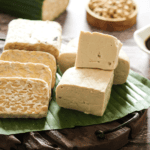
Fermentation: Fermented foods including organic sourdough bread, tempeh, and miso have significantly reduced phytate levels compared to their unfermented equivalents. The fermentation process activates phytase enzymes that break down phytate. Our Organic Yogurt and Kefir guide covers fermented dairy as part of a mineral-rich dietary approach.
Pairing with organic acids: Consuming zinc-rich plant foods alongside organic acids (lemon juice, vinegar, fermented foods) slightly improves zinc solubility and absorption.
Avoiding high-phytate foods at the same meal: Consuming coffee, tea (high tannins), or large portions of bran at the same meal as your primary zinc source reduces absorption. Separate these where possible.
Zinc and Immunity: The Research Evidence
The immune-zinc relationship is one of the most documented in nutritional science.
Zinc deficiency impairs virtually every branch of the immune system. It reduces the production of thymulin (a thymus hormone required for T-cell maturation), lowers natural killer cell activity, impairs neutrophil function, and reduces antibody production. A 2024 review in StatPearls described zinc as essential for immunocompetence, with deficiency directly impairing both innate and adaptive immunity.
The mechanism extends to antiviral defense. Zinc inhibits RNA-dependent RNA polymerase, an enzyme many viruses use for replication. Zinc ionophores (compounds that transport zinc into cells) are the subject of ongoing antiviral research precisely because of this pathway.
For children, the consequences are acute. The 2024 Cureus hospital-based study in Vietnamese children found 74.3% of children hospitalized with pneumonia were zinc deficient, with statistically worse outcomes than zinc-sufficient peers.
For the broader evidence on how organic food choices protect immune function, our Organic Diet and Immunity guide and Can Organic Food Reduce Allergies guide cover the full dietary immune picture.
Zinc and Testosterone: The Men’s Health Connection
The zinc-testosterone relationship is direct and mechanistically clear. Zinc is a cofactor for 5-alpha reductase and aromatase regulation. Low zinc allows aromatase to convert testosterone to estrogen at an accelerated rate, simultaneously reducing testosterone and raising estrogen.
A NIH study found men with zinc deficiency who supplemented saw testosterone improvements of approximately 62% compared to controls. This is one of the highest dietary-intervention effect sizes documented for testosterone in the literature.
Zinc also supports spermatogenesis. A 2024 review noted significant associations between zinc deficiency and compromised reproductive parameters in adult males, including reduced sperm motility and morphology.
Men over 40 are at particularly elevated risk because zinc absorption efficiency declines with age at the same time that testosterone maintenance becomes increasingly dependent on adequate micronutrient support. Our Organic Foods for Men Over 40 guide covers the full mineral stack for testosterone and hormonal health in midlife.
Daily Zinc Requirements and Safe Upper Limits
| Group | RDA (mg/day) | Upper Tolerable Limit |
|---|---|---|
| Adult men (19+) | 11mg | 40mg |
| Adult women (19+) | 8mg | 40mg |
| Pregnant women | 11mg | 40mg |
| Breastfeeding women | 12mg | 40mg |
| Children (4 to 8 years) | 5mg | 12mg |
| Teenagers (14 to 18 male) | 11mg | 34mg |
Zinc toxicity from food sources alone is extremely rare. Toxicity concerns primarily apply to supplement overdose. Chronic supplementation above 40mg per day can interfere with copper absorption, producing a secondary copper deficiency. This is why zinc supplementation at therapeutic doses should be balanced with 2 to 3mg of copper.
FAQs
Q1: What are the most common signs of zinc deficiency?
The most recognizable signs are loss of taste or smell, frequent infections and slow recovery from illness, slow wound healing, hair thinning or shedding, white spots on fingernails, and dry or rough skin. In men, low testosterone, reduced libido, and fertility issues are specific indicators. Loss of taste is one of the earliest and most specific clinical signs of zinc deficiency.
Q2: How much zinc do adults need per day?
Adult men need 11mg per day and adult women need 8mg per day, based on NIH Dietary Reference Intake values. Pregnant women require 11mg and breastfeeding women 12mg. The upper tolerable intake limit is 40mg per day for adults. Chronic supplementation above this threshold can interfere with copper absorption. For plant-based eaters, effective requirements are higher because phytates in plant foods reduce zinc bioavailability.
Q3: What is the best food source of zinc?
Oysters are by far the most concentrated food source, delivering over 670% of the daily zinc requirement per 3-ounce serving. Among widely accessible foods, organic grass-fed beef (64% DV per 3 oz), organic hemp seeds (27% DV per 3 tablespoons), and organic lentils and chickpeas (23% DV per cooked cup) are the most practical everyday sources. Organic pumpkin seeds deliver zinc and magnesium simultaneously, making them an efficient daily snack.
Q4: Why do vegetarians and vegans have higher zinc deficiency risk?
Plant foods contain phytates, compounds found in grains, legumes, nuts, and seeds that bind zinc in the gut and reduce absorption by 15 to 50% compared to animal-sourced zinc. Vegetarian and vegan diets also exclude the highest zinc foods (oysters, red meat) entirely. Plant-based eaters should target 25 to 30% above the standard RDA and use soaking, sprouting, and fermentation to reduce phytate content in their zinc-rich plant foods.
Q5: Does zinc deficiency really affect testosterone levels?
Yes, directly. Zinc is a cofactor for Leydig cell function (which produces testosterone), LH secretion from the pituitary, and aromatase regulation. Low zinc accelerates the conversion of testosterone to estrogen. A NIH study found men with zinc deficiency who supplemented saw approximately 62% testosterone improvement compared to controls. The zinc-testosterone relationship is most significant in men who start from a deficient baseline rather than those already with adequate zinc status.
Q6: How long does it take to correct zinc deficiency through diet?
Mild deficiency corrected through dietary improvements typically shows measurable improvement in immune markers and taste within 4 to 8 weeks of consistent higher intake. More significant deficiency, particularly when affecting testosterone or wound healing, may take 8 to 12 weeks to show full correction through diet alone. Supplementation at therapeutic doses (25 to 40mg) under medical supervision can accelerate this timeline. Always test serum zinc before and after correction.
Q7: Do organic foods contain more zinc than conventional?
In well-managed organic soil, yes. Synthetic phosphate fertilizers used in conventional farming can deplete soil zinc over time, reducing zinc content in crops. Organically farmed soil that uses compost and mineral management tends to preserve or improve mineral profiles. However, this varies significantly by farm and soil quality. The more reliable organic advantage for zinc is the higher bioavailability of zinc from organic grass-fed beef and the absence of processing additives in organic sources.
Q8: Can you get too much zinc from food?
Zinc toxicity from food sources alone is extremely rare. The upper tolerable limit of 40mg per day applies primarily to supplementation. Chronic zinc supplementation above 40mg can cause nausea, reduce copper absorption, and impair immune function over time. For most adults relying on dietary zinc from organic whole foods, overdose is not a practical concern even with frequent oyster or meat consumption.
The Bottom Line
Zinc deficiency affects over 2 billion people globally and produces a constellation of symptoms, from impaired immunity and slow wound healing to hair loss, reduced taste, and low testosterone, that are frequently missed or misattributed. The dietary fix is specific and achievable.
Prioritize oysters for the most concentrated single-serving zinc source. Add organic grass-fed beef two to three times per week. Keep organic pumpkin seeds and hemp seeds as daily snacks. Soak all legumes before cooking to reduce phytate content. If you are plant-based, eat 25 to 30% more zinc than the RDA to compensate for lower bioavailability.
Choose organic for the highest-residue zinc foods. Conventional soil management practices deplete soil zinc over time, while organic certification and the soil health practices it encourages tend to preserve mineral content. For the full framework on building a mineral-rich organic diet, our guides on Health Benefits of Eating Organic and Organic Food and Hormonal Balance cover the broader mineral and hormonal nutrition picture.
Medical Disclaimer: Zinc deficiency should be diagnosed with a serum zinc blood test, not self-diagnosed based on symptoms alone. Several conditions share symptoms with zinc deficiency. If you suspect deficiency, consult your healthcare provider before supplementing therapeutically.





[…] guide on zinc deficiency covers mineral deficiency’s impact on metabolic […]
[…] guide on zinc deficiency covers mineral requirements for pancreatic function that herbs […]
[…] guide on zinc deficiency covers mineral requirements for pancreatic function that whole grains […]
[…] runs low more often than most women expect. Our guide to zinc deficiency lists the early […]