Grated coconut is one of the most versatile ingredients across global cuisines, yet most Western kitchens keep it filed under “occasional baking ingredient” rather than recognizing its full culinary and nutritional potential.
From South Asian curries to Caribbean stews, Southeast Asian desserts to modern gluten-free baking, grated coconut delivers unique texture, healthy fats, and a subtle sweetness that enhances both savory and sweet dishes.
This guide covers the nutritional profile, the difference between fresh grated and desiccated coconut, the health benefits of organic coconut, and exactly how to use grated coconut across everyday cooking.
What Is Grated Coconut?
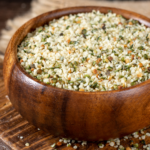
Grated coconut is the white flesh of mature coconuts that has been finely shredded or ground. The term encompasses several forms:
Fresh grated coconut is made from the freshly extracted meat of mature coconuts. It is moist, perishable, and delivers the most pronounced coconut flavor.
Desiccated coconut is dried grated coconut with most moisture removed. It is shelf-stable and comes in varying degrees of fineness from coarse to fine powder.
Unsweetened vs sweetened. Desiccated coconut is sold both unsweetened (the whole food form) and sweetened (with added sugar for baking).
This guide focuses primarily on unsweetened forms, which deliver the nutritional benefits without added sugar.
Grated Coconut Nutrition Profile
| Nutrient | Amount per 28g (1 oz unsweetened desiccated) | % Daily Value |
|---|---|---|
| Calories | 187 kcal | 9% |
| Total Fat | 18g | 23% |
| Saturated Fat | 16g | 80% |
| Carbohydrates | 7g | 3% |
| Dietary Fiber | 5g | 18% |
| Sugars (natural) | 2g | – |
| Protein | 2g | 4% |
| Iron | 1.1mg | 6% |
| Copper | 0.2mg | 22% |
| Manganese | 0.7mg | 35% |
| Selenium | 4.5mcg | 8% |
| Medium-Chain Triglycerides (MCTs) | Present | Unique fat structure |
Source: USDA FoodData Central 2024
The fat content at 18g per ounce is substantial. However, roughly 60 percent of coconut fat consists of medium-chain triglycerides (MCTs), particularly lauric acid. MCTs are metabolized differently than long-chain fats and may offer unique metabolic benefits.
The fiber content at 5g per ounce (18% DV) is exceptional for a fat-rich food. This fiber supports digestive health and blood sugar moderation.
The manganese content at 35 percent of daily value from just one ounce is notable. Manganese is essential for bone formation, blood sugar regulation, and antioxidant enzyme function.
Fresh Grated vs Desiccated Coconut
| Feature | Fresh Grated Coconut | Desiccated Coconut (Unsweetened) |
|---|---|---|
| Moisture content | 50-60% | 2-3% |
| Shelf life | 2-3 days refrigerated | 6-12 months sealed |
| Texture | Moist, tender | Dry, slightly chewy |
| Flavor intensity | Strong, fresh coconut | Concentrated, slightly milder |
| Coconut milk extraction | Excellent | Requires rehydration |
| Baking performance | Adds moisture | Absorbs moisture |
| Availability | Limited (specialty stores) | Widely available |
Fresh grated coconut delivers superior flavor and texture but requires immediate use or freezing. Desiccated coconut offers convenience and long shelf life while retaining most nutritional value.
Both forms work across cooking applications, though the moisture difference affects how you use them.
Health Benefits of Grated Coconut
Medium-Chain Triglycerides and Metabolism
Coconut fat contains lauric acid, capric acid, and caprylic acid, all medium-chain triglycerides. MCTs are absorbed directly into the bloodstream from the digestive tract and transported to the liver, where they are used for immediate energy rather than stored as body fat.
A 2015 study in the Journal of the Academy of Nutrition and Dietetics found that MCT consumption increased energy expenditure and fat oxidation compared to long-chain triglycerides.
The metabolic advantage is modest but measurable. Coconut fat is not a miracle weight loss food, but it does metabolize differently than most dietary fats.
Digestive Health Through Fiber
The fiber content in unsweetened grated coconut supports healthy bowel function and feeds beneficial gut bacteria. The combination of fat and fiber promotes satiety and blood sugar stability.
Our guide on organic diet and immunity covers how fiber and beneficial fats together support gut health and immune resilience.
Antimicrobial Properties of Lauric Acid
Lauric acid converts to monolaurin in the body, a compound with antimicrobial properties against certain bacteria, viruses, and fungi. While most research uses isolated monolaurin supplements, dietary lauric acid from coconut provides the precursor.
Bone Health Support
The manganese, copper, and selenium in grated coconut support bone formation, collagen synthesis, and antioxidant enzyme function. These trace minerals often fall short in typical Western diets.
Blood Sugar Moderation
The fat and fiber combination in unsweetened grated coconut slows glucose absorption when added to carbohydrate-rich foods. This moderates blood sugar response and extends satiety.
Our guide on low-sugar organic snacks covers how combining fat, fiber, and controlled carbohydrates supports blood sugar stability.
Why Choose Organic Coconut Products
Conventional coconut farming uses synthetic pesticides, herbicides, and often sulfites during processing to extend shelf life and maintain color.
What Organic Certification Guarantees
Certified organic coconut is grown without synthetic pesticides or chemical fertilizers. Organic processing prohibits sulfite treatment and synthetic preservatives.
The labor and environmental practices on organic coconut farms typically exceed conventional standards, supporting fair labor and soil health.
Our guide to organic certifications explains the full verification framework for imported organic products like coconut.
Sulfite-Free Processing
Many conventional desiccated coconut products are treated with sulfites to preserve color and extend shelf life. Sulfites trigger allergic reactions in sensitive individuals.
Organic desiccated coconut is sulfite-free, making it safe for people with sulfite sensitivity.
Our guide on organic vs conventional foods covers processing differences across all dried and processed food categories.
How to Use Grated Coconut in Cooking
In Baking
Unsweetened grated coconut adds texture, moisture, and subtle sweetness to baked goods. It works across gluten-free and conventional baking.
Coconut macaroons. Mix desiccated coconut with egg whites, honey, and vanilla for classic coconut macaroons. The coconut is the primary ingredient.
Muffins and quick breads. Add 1/4 to 1/2 cup grated coconut to muffin or quick bread batter for moisture and texture.
Granola and energy bars. Mix grated coconut into homemade granola or energy bars for healthy fat and fiber.
Gluten-free flour blend. Coconut flour (finely ground desiccated coconut) works as part of gluten-free baking blends alongside other alternative flours. Our guide on organic corn flour covers another gluten-free flour option that pairs well with coconut in baking.
In Savory Dishes
Grated coconut is a staple in South Asian, Southeast Asian, and Caribbean cuisines.
Curries and stews. Toast grated coconut and grind it into curry pastes for depth and body. Add it directly to coconut-based curries for texture.
Rice dishes. Mix toasted grated coconut into rice pilaf, biryani, or coconut rice for flavor and richness.
Chutneys and condiments. Fresh grated coconut is the base for coconut chutney, a South Indian condiment served with dosa, idli, and other breakfast dishes.
Vegetable stir-fries. Toss grated coconut into sautéed vegetables for added richness and texture.
In Smoothies and Porridge
Smoothies. Blend 2 tablespoons grated coconut into smoothies for healthy fat, fiber, and subtle coconut flavor.
Oatmeal. Stir grated coconut into cooked oats for added texture and satiety. Our guide on organic oats nutrition and benefits covers how coconut and oats combine into a nutrient-dense breakfast.
Chia pudding. Mix grated coconut into chia pudding for tropical flavor and added fiber.
As a Topping
Yogurt bowls. Sprinkle toasted grated coconut over organic yogurt with fruit for a satisfying breakfast or snack.
Salads. Add toasted coconut to grain salads or Thai-style salads for crunch and flavor contrast.
Desserts. Use as a topping for ice cream, puddings, or fruit-based desserts.
For structured weekly meal ideas incorporating ingredients like grated coconut, our 21-day organic meal plan provides a practical daily framework.
Toasting Grated Coconut for Maximum Flavor
Toasting grated coconut intensifies flavor and adds crunch. This simple technique transforms the ingredient.
Stovetop method: Spread grated coconut in a dry skillet over medium heat. Stir constantly for 3 to 5 minutes until golden brown and fragrant. Watch closely as it burns quickly.
Oven method: Spread grated coconut on a baking sheet. Bake at 325°F (165°C) for 5 to 10 minutes, stirring every 2 minutes, until golden.
Toasted coconut keeps for several weeks in an airtight container and works as a ready-to-use topping for multiple dishes.
Making Coconut Milk from Grated Coconut
Fresh grated coconut or rehydrated desiccated coconut can be used to make homemade coconut milk.
Method: Combine 1 cup grated coconut (fresh or rehydrated desiccated) with 2 cups hot water. Blend on high for 2 minutes. Strain through a nut milk bag or fine mesh strainer, squeezing to extract all liquid.
The resulting coconut milk is fresh, additive-free, and far more flavorful than most canned versions. Use it in curries, smoothies, or coffee.
The leftover coconut pulp can be dried and used as coconut flour or added to baked goods.
Buying the Best Organic Grated Coconut
| What to Check | What Good Looks Like | Red Flag |
|---|---|---|
| Certification | USDA Organic seal present | No certification, vague claims |
| Ingredient list | One ingredient: organic coconut | Added sugar, sulfites, preservatives |
| Form | Unsweetened desiccated or shredded | Sweetened with added sugar |
| Color | White to off-white | Bright white (possible bleaching) |
| Texture | Uniformly shredded, not clumped | Clumped or moist (spoilage) |
| Packaging | Resealable airtight bag | Loose or damaged packaging |
| Origin | Philippines, Sri Lanka, or India stated | No origin information |
Trusted organic grated coconut brands include Let’s Do Organic, Nutiva Organic, and Bob’s Red Mill Organic. All offer certified organic, unsweetened products with clear sourcing.
Our guide on how to spot fake organic products applies directly to coconut products, where vague “natural” labels frequently appear without actual organic certification.
Storage and Shelf Life
Store unopened desiccated coconut in a cool, dark location for 6 to 12 months. Once opened, transfer to an airtight container and use within 3 to 6 months.
Refrigeration extends shelf life to 12 months. Freezing extends it to 18 to 24 months without quality loss.
Fresh grated coconut must be refrigerated and used within 2 to 3 days, or frozen immediately for up to 6 months.
Check for rancidity. Coconut fat can oxidize over time, producing an off smell and sour taste. Any rancid smell means discard immediately.
Our guide on buying organic in bulk covers practical bulk purchasing and storage strategies for pantry staples like coconut products.
The Saturated Fat Question
Coconut is high in saturated fat, which raises questions about cardiovascular health. The research is nuanced.
Coconut fat raises both LDL (bad) and HDL (good) cholesterol. The net cardiovascular effect depends on what coconut replaces in the diet. Replacing trans fats or highly processed oils with coconut fat is beneficial. Replacing olive oil or avocado oil with coconut fat is not clearly better.
The current scientific consensus: coconut fat in moderate amounts as part of a balanced diet rich in vegetables, fruits, and whole grains is unlikely to harm cardiovascular health. Using coconut fat as the primary dietary fat in place of unsaturated fats is not supported by evidence.
Use grated coconut as one component of a varied fat intake that includes olive oil, avocado, nuts, and fatty fish. Our guide on organic avocado oil covers another healthy fat option for balanced variety.
The Bottom Line
Grated coconut delivers healthy medium-chain fats, exceptional fiber for a fat-rich food, and valuable trace minerals including manganese and copper. It works across sweet and savory applications, from South Asian curries to modern gluten-free baking.
Choose certified organic unsweetened desiccated coconut for shelf-stable convenience and guaranteed sulfite-free processing. Use it in moderation as one component of a varied fat intake.
Toast it for maximum flavor. Add it to oatmeal, smoothies, baked goods, curries, and rice dishes. Use it to make fresh coconut milk. Keep a bag in your pantry.
Grated coconut is not a superfood. But it is a genuinely nutritious, versatile ingredient that enhances both the flavor and nutritional profile of the dishes it enters when used thoughtfully.
Frequently Asked Questions
Q1: What is the difference between fresh grated coconut and desiccated coconut? Fresh grated coconut has 50 to 60 percent moisture content and must be used within 2 to 3 days or frozen. Desiccated coconut has 2 to 3 percent moisture after drying and lasts 6 to 12 months sealed. Both deliver similar nutrition, but moisture content affects how they perform in cooking.
Q2: Is grated coconut healthy despite being high in saturated fat? Yes, in moderation. Coconut fat contains medium-chain triglycerides including lauric acid that metabolize differently than long-chain fats. One ounce provides 5g fiber and 35 percent daily manganese alongside the fat. Use it as one component of varied fat intake including olive oil, nuts, and avocado.
Q3: How do you use desiccated coconut in baking? Add 1/4 to 1/2 cup to muffins, quick breads, granola, or energy bars for texture and moisture. Desiccated coconut absorbs liquid, so increase liquid ingredients slightly. It works in both gluten-free and conventional baking. Toast it before adding for more intense flavor.
Q4: Why should I choose organic grated coconut? Organic certification guarantees no synthetic pesticides during farming and no sulfite preservatives during processing. Conventional desiccated coconut is often sulfite-treated to preserve color and extend shelf life. Sulfites trigger allergic reactions in sensitive individuals. Organic eliminates this risk.
Q5: Can I make coconut milk from desiccated coconut? Yes. Rehydrate 1 cup desiccated coconut in 2 cups hot water, blend on high for 2 minutes, then strain through a nut milk bag. The resulting coconut milk is fresh and additive-free. The leftover pulp can be dried and used as coconut flour.
Q6: How should I store grated coconut? Store unopened desiccated coconut in a cool dark location for 6 to 12 months. Once opened, use an airtight container and refrigerate for up to 12 months. Fresh grated coconut must be refrigerated and used within 2 to 3 days or frozen for up to 6 months.
Q7: What savory dishes use grated coconut? South Asian curries, coconut rice, coconut chutney for dosa and idli, vegetable stir-fries, and Caribbean stews all use grated coconut for texture and richness. Toast it first and grind into curry pastes for depth, or add it directly for texture.
Q8: How do you toast grated coconut? Spread in a dry skillet over medium heat and stir constantly for 3 to 5 minutes until golden brown. Watch closely as it burns quickly. Alternatively, spread on a baking sheet and bake at 325°F for 5 to 10 minutes, stirring every 2 minutes. Toasted coconut keeps for weeks in an airtight container.