

Testosterone levels in men have declined roughly 1% per year since the 1980s, with average levels today significantly lower than previous generations. Diet is one of the most controllable factors in this picture.
The relationship between food and testosterone works through three pathways: supplying the key minerals and vitamins required for synthesis, providing the dietary fat from which testosterone (a steroid hormone) is made, and avoiding the dietary patterns that suppress production.
No single food dramatically reverses low testosterone overnight. But a consistent dietary pattern rich in the right nutrients creates the hormonal environment where testosterone can be optimized naturally. This guide covers the most evidence-backed foods, the key nutrients, what suppresses testosterone, and an organic framework for putting it all together.
How Testosterone Production Works
Before covering specific foods, understanding the production pathway helps explain why certain nutrients matter so much.
Testosterone is a steroid hormone synthesized primarily in testicular Leydig cells from cholesterol. The hypothalamic-pituitary-gonadal (HPG) axis controls the process: the hypothalamus releases GnRH, which signals the pituitary to release LH, which signals Leydig cells to produce testosterone from cholesterol.
This pathway depends on several specific micronutrients:
- Zinc is required for LH secretion and directly supports Leydig cell function. Zinc deficiency reduces both LH levels and testosterone production
- Vitamin D activates VDR receptors in Leydig cells, supporting testosterone biosynthesis. Deficiency is consistently associated with lower testosterone
- Magnesium lowers sex hormone-binding globulin (SHBG), which binds testosterone and renders it inactive. Lower SHBG means more free, bioavailable testosterone
- Healthy fats (monounsaturated and saturated from whole foods) provide the cholesterol substrate from which testosterone is made
Addressing these four nutritional pillars through diet produces the most consistent documented effects on testosterone levels.
The Three Critical Nutrients: Zinc, Vitamin D, and Magnesium
Zinc and Testosterone
Zinc is the most researched dietary nutrient for testosterone. A NIH study found men with zinc deficiency who supplemented saw testosterone improvements of approximately 62% compared to controls. Zinc deficiency directly impairs Leydig cells, reduces LH secretion, and accelerates aromatase activity, the enzyme that converts testosterone to estrogen. Low zinc reduces testosterone while simultaneously raising estrogen.
Best organic zinc-rich foods:
| Food | Serving | Zinc Content | % Daily Value |
|---|---|---|---|
| Oysters | 3 oz | 74mg | 673% |
| Organic grass-fed beef (chuck) | 3 oz | 7mg | 64% |
| Organic pumpkin seeds | 1 oz | 2.2mg | 20% |
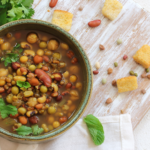
| Organic lentils | 1 cup cooked | 2.5mg | 23% |
| Organic chickpeas | 1 cup cooked | 2.5mg | 23% |
| Organic cashews | 1 oz | 1.6mg | 15% |
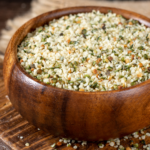
| Organic hemp seeds | 3 tbsp | 3mg | 27% |
| Organic pasture-raised eggs (2) | 2 large | 1.2mg | 11% |
The RDA for zinc is 11mg per day for adult men. Most men eating a plant-heavy diet without shellfish or red meat fall short. Oysters are by far the richest source, delivering over 600% of the daily value in a single serving.
Vitamin D and Testosterone
Vitamin D receptors are present in Leydig cells, directly linking vitamin D status to testosterone biosynthesis. A 2024 meta-analysis of RCTs found significant improvements in total testosterone, free testosterone, and free androgen index in deficient men who supplemented. Approximately 35% of US adults are insufficient. Correcting deficiency is the priority step.
Best organic vitamin D food sources: Wild-caught salmon (570 IU per 3 oz), rainbow trout (645 IU), UV-exposed mushrooms (up to 366 IU per half-cup), pasture-raised eggs (80 to 100 IU per yolk), and fortified organic dairy or plant milk (120 IU per cup). Our Vitamin D Food Sources guide covers the testosterone evidence and sun exposure guidelines.
Magnesium and Testosterone
Magnesium supports testosterone through a specific mechanism: it reduces the binding of SHBG (sex hormone-binding globulin) to testosterone, increasing free testosterone bioavailability. Men with higher magnesium intake consistently show higher free testosterone levels in population studies.
A 2011 study published in Biological Trace Element Research found that men who took 450mg of magnesium daily for four weeks increased testosterone by 24%. A 2011 International Journal of Andrology study confirmed higher magnesium intake is linked to better testosterone levels, muscle mass, and physical performance across age groups.
Best organic magnesium-rich foods: Organic pumpkin seeds (37% DV per oz), organic dark leafy greens including spinach and kale (28% DV per cooked cup), organic dark chocolate 70%+ (16% DV per oz), organic quinoa (28% DV per cooked cup), organic black beans (30% DV per cooked cup), and organic almonds (20% DV per oz).
Our Organic Magnesium-Rich Foods guide covers the full spectrum of magnesium sources and their critical role in testosterone activation.
Top Foods That Support Testosterone Production
1. Oysters
Oysters are the single most zinc-dense food available. Six medium oysters provide over 500% of the daily zinc requirement. For men with zinc deficiency, which is common among those eating plant-heavy or processed-food-heavy diets, regular oyster consumption directly addresses the primary mineral driver of suboptimal testosterone.
2. Organic Grass-Fed Beef
Organic grass-fed beef provides three testosterone-supporting nutrients simultaneously: zinc, saturated fat (the cholesterol substrate for testosterone synthesis), and vitamin D2 in small amounts. Research confirms that men eating very low-fat diets have lower testosterone than those eating adequate dietary fat from whole sources.
Organic grass-fed beef also delivers more omega-3 fatty acids and less total fat than grain-fed equivalents. Our Organic vs. Grass-Fed Meat guide covers exactly how grass-fed production changes the nutritional profile of beef.
3. Wild-Caught Salmon and Fatty Fish
Salmon provides the most direct combination of testosterone-supporting nutrients in a single food: vitamin D (570 IU per 3 oz), omega-3 fatty acids (which reduce inflammation that suppresses testosterone), zinc, and magnesium. Wild-caught salmon consistently delivers more vitamin D and omega-3 content than farmed equivalents.
Omega-3 fatty acids from fatty fish also reduce cortisol, the stress hormone that directly suppresses testosterone production through shared precursor competition.
4. Organic Eggs (Pasture-Raised)
Whole eggs provide cholesterol, the raw material for testosterone synthesis, alongside vitamin D, zinc, and selenium. Research has confirmed that men who eat whole eggs (not just egg whites) show higher testosterone levels than those avoiding egg yolks on low-fat diets.
Pasture-raised organic eggs carry significantly more vitamin D in the yolk than conventionally raised eggs due to outdoor sun exposure of the hens. They also deliver choline, which supports liver function and hormonal clearance.
5. Organic Avocados
Men who consume monounsaturated fats from avocados, nuts, and vegetable oils experience lower LDL cholesterol and improved testosterone levels according to Penn State University research. Avocados specifically provide boron (a trace mineral that reduces SHBG and has been shown to increase free testosterone in multiple trials), monounsaturated fat, vitamin E, and folate.
A 2011 study found that boron supplementation at 10mg daily produced a significant increase in free testosterone and reduction in estradiol over 7 days. Avocados are one of the most practical whole-food boron sources alongside almonds and raisins.
6. Organic Extra-Virgin Olive Oil
A study published in Reproductive Biology and Endocrinology found that men who consumed olive oil as their primary fat source for 3 weeks showed a 17.4% increase in testosterone levels. The mechanism likely involves oleic acid’s role in maintaining Leydig cell cholesterol availability and reducing oxidative stress in testicular tissue.
Mediterranean dietary patterns, centered on olive oil as the primary fat, consistently show favorable testosterone and hormonal balance outcomes in population studies. Our Organic Food and Heart Health guide covers how olive oil fits into the broader cardiovascular and hormonal diet picture.
7. Organic Pumpkin Seeds
Pumpkin seeds deliver the highest zinc and magnesium combination of any plant food. One ounce provides 20% DV zinc and 37% DV magnesium simultaneously, making them one of the most efficient single-food sources for the two primary mineral drivers of testosterone. They also provide healthy fats, selenium, and arginine.
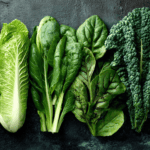
8. Organic Dark Leafy Greens
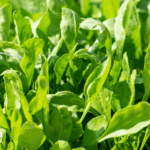
Spinach, kale, and collard greens provide magnesium alongside folate, vitamin K, and antioxidants that reduce oxidative stress in testicular tissue. Oxidative damage to Leydig cells directly impairs their testosterone-producing capacity. The antioxidant load in organic dark leafy greens, which is consistently higher than in conventional equivalents, provides direct cellular protection.
Organic kale and collard greens both appear on the EWG Dirty Dozen for pesticide residues, making organic the necessary choice for daily consumption. Our Kale, Collard, and Mustard Greens guide covers the full nutritional profile of these greens alongside buying guidance.
9. Organic Pomegranate
Pomegranate is one of the most antioxidant-rich fruits available with a specific documented testosterone effect. A 14-day study found daily pomegranate juice produced an average 24% increase in salivary testosterone alongside reduced cortisol. Pomegranate’s ellagic acid and punicalagin compounds reduce oxidative stress in testicular tissue and may inhibit aromatase. Its cortisol-lowering effect adds a second mechanism, since elevated cortisol directly suppresses LH secretion.
10. Organic Garlic
Garlic contains allicin, which reduces cortisol in adrenal tissue. Animal research shows significant testosterone increases with garlic supplementation on high-protein diets. Human evidence is more limited, but garlic’s cortisol-lowering effect is mechanistically relevant since chronic cortisol elevation is one of the most common practical drivers of low testosterone in otherwise healthy men.
Foods and Dietary Patterns That Suppress Testosterone
Understanding what to avoid is as important as knowing what to add.
| Food/Pattern | Mechanism of Suppression |
|---|---|
| Ultra-processed foods | Trans fats, inflammatory seed oils reduce Leydig cell function |
| Excess alcohol | Directly toxic to Leydig cells; raises estrogen via liver impairment |
| Added sugar and refined carbs | Spikes insulin, increases SHBG, suppresses LH secretion |
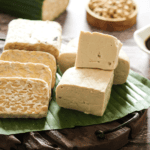
| Soy in very high amounts | Phytoestrogens may reduce LH and testosterone at clinical doses |
| Very low-fat diets | Remove the cholesterol substrate needed for steroid hormone synthesis |
| Chronic caloric restriction | Triggers conservation mode; reduces testosterone as a survival adaptation |
| Licorice (glycyrrhizin) | Shown to directly reduce testosterone synthesis in testicular cells |
| Conventional processed meats | Chemical preservatives (nitrates, BHA/BHT) linked to endocrine disruption |
The dietary pattern that most consistently suppresses testosterone is the combination of high added sugar, low dietary fat, high refined carbohydrates, and excess processed food. Replacing these with the whole organic food sources in this guide addresses both the supply and protection side of testosterone optimization simultaneously.
For a complete framework on how processed foods and organic foods differ in terms of hormonal impact, our Organic Food and Hormonal Balance guide covers the full hormone-diet picture.
The Organic Advantage for Testosterone
Many conventional agricultural chemicals are classified as endocrine disruptors that interfere with hormone signaling. A 2017 Human Reproduction study found that men with high urinary pesticide metabolites had significantly lower testosterone and worse sperm parameters. Choosing organic for high-residue foods, particularly leafy greens and berries, directly reduces this exposure. Our Dirty Dozen and Clean Fifteen guide identifies which produce to prioritize.
Building the Full Testosterone-Supporting Diet
The most effective dietary approach combines all four pillars consistently:
| Pillar | Daily Target | Best Organic Food Sources |
|---|---|---|
| Zinc | 11mg+ | Oysters weekly, pumpkin seeds daily, organic beef 2-3x/week |
| Vitamin D | 600 to 2,000 IU | Wild salmon 2-3x/week + daily sunlight + supplement in winter |
| Magnesium | 400mg+ | Dark greens daily, pumpkin seeds, quinoa, dark chocolate |
| Healthy dietary fat | 30 to 35% of calories | Olive oil, avocado, organic eggs, fatty fish, nuts |
Pair this with adequate sleep (testosterone is primarily produced during deep sleep, with levels peaking at 8am), stress management (cortisol directly suppresses LH), and resistance training (the most potent natural testosterone stimulus documented in research).
FAQs
Q1: What foods boost testosterone the fastest?
No food produces an immediate testosterone spike, but the most impactful for correcting deficiency-driven low testosterone are oysters (highest single-food zinc source at 673% DV per 3 oz), wild-caught salmon (vitamin D and omega-3 simultaneously), organic pastured eggs (cholesterol substrate plus vitamin D), and organic pumpkin seeds (zinc and magnesium together). These address the three primary mineral drivers of testosterone production in the most concentrated form available from whole foods.
Q2: How does zinc affect testosterone levels?
Zinc is directly required for Leydig cell function (testosterone-producing cells in the testes) and for LH secretion from the pituitary gland. A NIH study found men with zinc deficiency who supplemented saw testosterone improvements of approximately 62% compared to controls. Zinc also inhibits aromatase, the enzyme that converts testosterone to estrogen. Low zinc reduces testosterone while simultaneously raising estrogen. The RDA for men is 11mg per day.
Q3: Does olive oil really increase testosterone?
Research suggests it does. A study published in Reproductive Biology and Endocrinology found men who consumed olive oil as their primary fat source for 3 weeks showed a 17.4% increase in testosterone levels. The mechanism involves oleic acid maintaining Leydig cell cholesterol availability and reducing oxidative stress in testicular tissue. Mediterranean dietary patterns using olive oil as the primary fat consistently show favorable testosterone outcomes in population studies.
Q4: Can eating more fat increase testosterone?
Yes, within the context of whole-food fat sources. Testosterone is a steroid hormone synthesized from cholesterol. Men eating very low-fat diets consistently show lower testosterone than those eating adequate dietary fat. The most beneficial sources are monounsaturated fats (olive oil, avocados, nuts) and whole-food saturated fats (organic eggs, grass-fed beef). Avoid industrially processed trans fats and excess refined seed oils, which are associated with reduced testosterone.
Q5: What foods lower testosterone and should be avoided?
The most impactful dietary suppressors are ultra-processed foods (trans fats and inflammatory oils reduce Leydig cell function), excess added sugar and refined carbohydrates (spike insulin, increase SHBG, suppress LH), excess alcohol (directly toxic to Leydig cells and raises estrogen), very low-fat diets (remove the cholesterol needed for steroid hormone synthesis), and high exposure to conventional agricultural chemicals through non-organic high-residue produce.
Q6: Is avocado good for testosterone?
Yes. Avocados provide monounsaturated fat that supports testosterone synthesis, boron (a trace mineral that reduces SHBG and increases free testosterone), vitamin E, and folate. Research by Penn State University found men consuming monounsaturated fats from avocados and olive oil experienced improved testosterone levels. Avocados are also one of the most practical whole-food sources of boron, a nutrient that has shown significant free testosterone increases in supplementation trials at 10mg daily.
Q7: Does pomegranate increase testosterone?
A 14-day clinical study found that drinking pomegranate juice daily produced an average 24% increase in salivary testosterone levels, alongside reduced cortisol. The antioxidants in pomegranate (ellagic acid and punicalagin) reduce oxidative stress in testicular tissue and may inhibit aromatase. The cortisol-lowering effect provides a second mechanism, since chronic cortisol elevation directly suppresses LH secretion and competes with testosterone for hormonal precursors.
Q8: How long does it take for dietary changes to affect testosterone levels?
Most clinical studies on dietary interventions and testosterone show measurable effects within 4 to 12 weeks of consistent dietary change. Correcting zinc or vitamin D deficiency through diet and supplementation typically produces the most notable changes within this timeframe, particularly in men whose deficiency is significant. Sleep quality, stress management, and resistance training contribute independently and may produce faster initial improvements than dietary change alone.
The Bottom Line
Testosterone optimization through diet works through specific, well-documented nutrient pathways. Zinc, vitamin D, and magnesium are the three non-negotiable mineral pillars. Healthy dietary fat provides the cholesterol substrate. Antioxidant-rich organic produce protects Leydig cell function. And avoiding processed foods, excess sugar, and conventional high-residue produce removes the dietary patterns that actively suppress production.
No single food is a testosterone treatment. The cumulative effect of consistent dietary quality across all four pillars over months is what produces meaningful results in men with diet-driven suboptimal levels.
For building this dietary approach within a complete organic eating framework, our guides on Health Benefits of Eating Organic and Organic Quinoa Nutrition cover the complementary whole-food nutrition picture.




[…] […]