

Red kidney beans are one of the most nutritionally efficient foods available. A half-cup serving of cooked kidney beans delivers 8 grams of complete protein, 6 grams of fiber, 20% of your daily folate, and meaningful amounts of iron, potassium, and manganese, all for roughly 112 calories with virtually zero fat.
They are also among the most polyphenol-rich beans available. A 2020 comprehensive review found red kidney, cranberry, and Arikara yellow beans had the highest phenolic compounds and antioxidant properties of all common bean cultivars studied, underscoring their potential as functional food ingredients beyond basic nutrition.
This guide covers the complete nutrition profile, the critical safety step most people skip, how to cook them from dried and canned, and practical recipe ideas that make kidney beans a consistent part of your weekly routine.
What Are Red Kidney Beans?
Red kidney beans (Phaseolus vulgaris) are named for their deep red color and kidney-shaped form. They belong to the same species as black beans, pinto beans, and navy beans, which share a common ancestor first discovered by European explorers in Peru.
Two primary varieties are sold commercially. Dark red kidney beans have a firmer texture and hold their shape through long-cooked dishes like chili and stews. Light red kidney beans are slightly softer and work well in salads, rice dishes, and preparations where a more delicate texture is preferred. Both have nearly identical nutritional profiles.
Kidney beans are naturally gluten-free, cholesterol-free, and virtually fat-free, making them suitable across a wide range of dietary approaches. The USDA MyPlate guidelines count beans as both a vegetable and a plant-based protein source simultaneously, making them one of the most nutritionally versatile foods in the pantry.
Red Kidney Beans Nutrition Facts (Per 1/2 Cup Cooked / ~90g)
Based on USDA FoodData Central 2024:
| Nutrient | Amount | % Daily Value |
|---|---|---|
| Calories | 112 kcal | 6% |
| Protein | 7.7g | 15% |
| Carbohydrates | 20.2g | 7% |
| Dietary fiber | 5.7g | 20% |
| Total fat | 0.4g | 1% |
| Folate (B9) | 115mcg | 29% |
| Thiamine (B1) | 0.14mg | 12% |
| Iron | 2.0mg | 11% |
| Potassium | 357mg | 8% |
| Phosphorus | 122mg | 10% |
| Manganese | 0.4mg | 17% |
| Copper | 0.2mg | 22% |
| Magnesium | 35mg | 8% |
| Zinc | 0.9mg | 8% |
Red kidney beans have a Nutrivore Score of 413, making them a high nutrient-dense food, particularly rich in polyphenols, vitamin B9 (folate), copper, fiber, thiamin, manganese, protein, and iron.
Several nutrients stand out. Folate at 29% DV per half-cup is exceptional and critical for DNA synthesis, homocysteine metabolism, and pregnancy. Iron at 11% DV is meaningful for plant-based eaters. And the fiber content, 5.7 grams per half-cup, is almost entirely the soluble type that binds LDL cholesterol in the gut and supports beneficial gut bacteria.
The Critical Safety Step: Raw Kidney Beans Are Toxic
This is the most important practical information about kidney beans and most home cooks are unaware of it.
A natural protein occurring in beans can cause gastrointestinal distress, including nausea, vomiting, and diarrhea. Of all the common beans, kidney beans have the largest amount of this toxin, called phytohaemagglutinin (PHA). Cooking destroys the toxin, so be sure to cook kidney beans thoroughly.
Raw or undercooked kidney beans contain phytohaemagglutinin (PHA) at concentrations up to 70,000 hemagglutinating units (hau). Symptoms of toxicity appear within 1 to 3 hours of ingestion and include severe nausea, vomiting, and diarrhea. As few as four or five raw beans can cause symptoms.
Boiling at 100°C (212°F) destroys PHA completely within 10 minutes. However, slow cookers do not reach temperatures high enough to destroy the toxin. Using a slow cooker to cook fresh or dried beans may not heat the beans sufficiently to destroy the toxin. If you use a slow cooker, always boil kidney beans vigorously for at least 10 minutes on the stovetop first, then transfer to the slow cooker.
Canned beans are fully cooked during the canning process, so they are completely safe to eat.
How to Cook Kidney Beans from Dried
Dried kidney beans require soaking before cooking. Soaking reduces cooking time, removes some of the gas-producing oligosaccharides, and produces a better texture.
Method 1: Overnight Cold Soak (Recommended)
- Rinse dried beans under cold water and pick out any debris
- Cover with 3 inches of cold water and soak 8 to 12 hours (overnight)
- Drain and rinse thoroughly
- Add fresh water at a 3:1 ratio (water to beans)
- Bring to a full boil and boil vigorously for at least 10 minutes (critical safety step)
- Reduce heat and simmer for 45 to 60 minutes until tender
- Season with salt only in the last 15 minutes (salt added earlier toughens the skin)
Method 2: Quick Hot Soak
- Rinse beans, cover with cold water in a large pot
- Bring to a boil, boil for 2 minutes
- Remove from heat, cover, and soak for 1 hour
- Drain, add fresh water, boil vigorously for 10 minutes
- Simmer 45 to 60 minutes until tender
| Cooking Approach | Prep Time | Cook Time | Texture Result |
|---|---|---|---|
| Overnight soak + simmer | 8 to 12 hours soak | 45 to 60 min | Creamy inside, firm outside |
| Quick soak + simmer | 1 hour soak | 45 to 60 min | Good, slightly less creamy |
| Pressure cooker (after soak) | 8 hours soak | 12 to 15 min | Excellent, fast |
| Canned (ready to use) | None | 0 min (rinse and use) | Soft, slightly less firm |
Yield: 1 cup dried kidney beans produces approximately 2.5 cups cooked. One 15-oz can equals roughly 1.5 cups cooked beans.
Key Health Benefits
Cardiovascular Protection
Most types of beans are good sources of potassium, a mineral that promotes healthy blood pressure levels. Beans are also excellent sources of copper, phosphorus, manganese, and magnesium, nutrients that many Americans do not get enough of.
The combination of soluble fiber (5.7g per half-cup) and potassium supports heart health through two separate mechanisms: soluble fiber binds LDL cholesterol in the gut before absorption, while potassium supports healthy blood pressure by countering sodium’s vasoconstrictive effect. A meta-analysis of 26 randomized trials found one daily serving of legumes lowered LDL cholesterol by 5%. Our guide on Organic Food and Heart Health covers the full evidence base for legumes in a heart-healthy diet.
Blood Sugar Regulation
Kidney beans have a glycemic index of approximately 24, among the lowest of any carbohydrate-containing food. Their combination of slowly digested resistant starch, high fiber, and plant protein dramatically blunts post-meal blood glucose rise. The 2025 meta-analysis published in the American Journal of Clinical Nutrition found substituting meat with plant-based alternatives including legumes lowered total cholesterol by 6.6% and LDL by 12.1%.
For a complete framework on blood sugar-stable eating, our guide on Low-Sugar Organic Snacks covers complementary low-GI food choices that pair naturally with beans.
Plant Protein for Active Diets
Beans contain between 21 to 25% protein by weight, which is much higher than other sources of vegetable protein. Kidney beans provide approximately 8 grams of protein per half-cup cooked, with an amino acid profile that complements grains effectively. Paired with organic rice, quinoa, or whole grain bread, kidney beans contribute to a complete amino acid profile covering all nine essential amino acids.
For the complete protein picture of legumes paired with grains, our guide on Organic Quinoa Nutrition covers the complementary amino acid relationship between pseudocereals and legumes.
Gut Microbiome Support
Kidney beans act as a prebiotic, feeding beneficial gut bacteria through their resistant starch and soluble fiber content. Fermentation of resistant starch in the colon produces short-chain fatty acids (SCFAs) including butyrate, which reduces intestinal inflammation and supports colon health. Regular legume consumption is consistently associated with greater gut microbiome diversity in population studies.
Our guide on Organic Diet and Immunity covers how prebiotic foods like kidney beans support the gut-immunity connection.
Folate for Pregnancy and Cardiovascular Health
At 29% DV per half-cup, kidney beans are one of the most practical dietary folate sources available. Folate is critical for DNA synthesis, red blood cell production, and reducing homocysteine levels, an independent cardiovascular risk factor. Adequate folate intake in the first trimester of pregnancy significantly reduces neural tube defect risk. For expectant mothers building an organic, nutrient-rich diet, our guide on Organic Food During Pregnancy covers folate and the broader prenatal nutritional framework.
Organic vs. Conventional Kidney Beans
Kidney beans are a field crop that receives herbicide and pesticide applications in conventional commercial production. Residues can persist on the dried bean surface and in the bean’s outer skin.
Certified organic kidney beans are grown without synthetic pesticides or synthetic fertilizers and are typically not treated with post-harvest fumigants. They also cannot be GMO under USDA organic standards.
For budget-conscious buyers, organic dried kidney beans in bulk represent one of the most affordable organic pantry investments available, typically costing $2 to $4 per pound and expanding to 2.5 cups per cup of dried beans. Our guide on How to Shop Organic on a Budget covers bulk organic buying strategies that make legumes cost-effective.
Recipe Ideas
Classic Organic Red Bean Chili
A weeknight chili that serves four:
- 2 cans (or 3 cups cooked) organic dark red kidney beans
- 1 can (400g) organic crushed tomatoes
- 1 organic onion, diced
- 3 cloves organic garlic, minced
- 1 organic red bell pepper, diced
- 1 tbsp organic olive oil
- 2 tsp cumin, 1 tsp smoked paprika, 1/2 tsp chili powder
- Salt and black pepper to taste
Saute onion and pepper in olive oil for 5 minutes. Add garlic and spices, cook 1 minute. Add tomatoes and beans. Simmer 20 to 25 minutes. Serve with organic brown rice or organic corn tortillas and fresh cilantro.
For organic tomato sauce options that work as a chili base, our Organic Pasta Sauce guide covers the best jarred organic tomato products available.
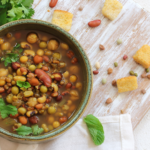
Kidney Bean and Kale Soup
Saute diced organic onion, celery, and carrot in olive oil. Add organic kidney beans, chopped organic kale, and vegetable broth. Season with rosemary, thyme, and black pepper. Simmer 20 minutes. This combination covers protein, fiber, iron, vitamins A and K, and calcium in a single bowl. For more on using kale in everyday cooking, our Kale, Collard, and Mustard Greens guide covers preparation methods that preserve nutrients.
Kidney Bean Rice Bowl
Serve cooked organic kidney beans over organic brown rice with diced organic tomatoes, sliced avocado, and a squeeze of lime. Add fresh cilantro and a drizzle of extra-virgin olive oil. This bowl covers complete protein (beans plus rice), healthy fat (avocado), and a wide range of micronutrients in under 10 minutes of active preparation.
Three-Bean Salad
Combine organic kidney beans, organic chickpeas, and organic green beans with a dressing of organic apple cider vinegar, olive oil, mustard, and honey. Toss with diced red onion and fresh parsley. Serve chilled. This salad keeps for up to 4 days refrigerated and works as a meal-prep staple. For the full organic chickpea profile, our Organic Chickpeas guide covers their complementary nutritional strengths alongside kidney beans.
Reducing Gas from Kidney Beans
Like most beans, kidney beans can cause gas. If you are cooking dried beans, the hot soak method may be best for reducing the compounds in kidney beans that create gas.
Additional practical tips: rinse canned beans thoroughly under cold water before using, which removes the oligosaccharide-rich canning liquid. Start with smaller portions (1/4 cup) if you are new to regular bean consumption and increase over 2 to 3 weeks to allow gut bacteria to adjust. Soaking dried beans and discarding the soaking water removes 15 to 25% of the gas-producing oligosaccharides before cooking begins.
FAQs
Q1: How much protein do red kidney beans have?
A half-cup of cooked red kidney beans provides approximately 7.7 grams of protein with virtually zero fat. For a full cup cooked, that rises to about 15 grams. Kidney beans contain 21 to 25% protein by weight, significantly higher than most other vegetable protein sources. When paired with whole grains like organic rice or quinoa, kidney beans contribute to a complete amino acid profile covering all nine essential amino acids.
Q2: Are raw kidney beans dangerous?
Yes. Raw kidney beans contain phytohaemagglutinin (PHA), a lectin toxin with the highest concentration of any common bean. As few as four or five raw beans can cause severe nausea, vomiting, and diarrhea within 1 to 3 hours. Boiling at 100°C for at least 10 minutes destroys the toxin completely. Slow cookers do not reach high enough temperatures; always pre-boil dried beans for 10 minutes on the stovetop before slow cooking. Canned beans are pre-cooked and safe.
Q3: Do I need to soak kidney beans before cooking?
Soaking is strongly recommended but not mandatory. An overnight cold soak of 8 to 12 hours shortens cooking time, removes gas-producing oligosaccharides, and improves texture. After soaking, discard the soaking water, add fresh water, and boil vigorously for at least 10 minutes before simmering. The quick hot soak method (boil 2 minutes, soak 1 hour) works if you are short on time. In either case, the vigorous boil for 10 minutes is the non-negotiable safety step.
Q4: What is the glycemic index of kidney beans?
Kidney beans have a glycemic index of approximately 24, making them one of the lowest-GI carbohydrate-containing foods available. Their combination of resistant starch, soluble fiber, and plant protein dramatically slows post-meal glucose absorption. This makes them an excellent choice for blood sugar management, and one reason kidney beans are often recommended for people with prediabetes or type 2 diabetes as a rice or refined carbohydrate replacement.
Q5: Are organic kidney beans worth buying?
Yes, particularly for dried beans used regularly. Conventional kidney beans receive herbicide and pesticide applications in commercial production, and residues can persist on the dried bean surface. Certified organic kidney beans are grown without synthetic pesticides and cannot be GMO under USDA organic standards. Dried organic kidney beans in bulk are among the most affordable organic pantry staples at $2 to $4 per pound, expanding to 2.5 cups cooked per cup dried.
Q6: What is the best way to reduce gas from kidney beans?
The hot soak method, in which dried beans are brought to a boil, soaked for 1 hour, then the soaking water is discarded, removes 15 to 25% of gas-producing oligosaccharides before cooking. Rinsing canned beans thoroughly under cold water removes the oligosaccharide-rich canning liquid. Starting with smaller portions (1/4 cup daily) and increasing gradually over 2 to 3 weeks allows gut bacteria to adjust. Regular legume consumption over time typically reduces gas significantly as gut microbiome composition adapts.
Q7: How do kidney beans support heart health?
Kidney beans support cardiovascular health through three complementary mechanisms. Their soluble fiber (5.7g per half-cup) binds LDL cholesterol in the gut before absorption. Their potassium (357mg per half-cup) supports healthy blood pressure by countering sodium. Their polyphenol content reduces LDL oxidation and arterial inflammation. A meta-analysis of 26 randomized trials found one daily serving of legumes lowered LDL cholesterol by 5%, making kidney beans one of the most evidence-backed cardiovascular dietary foods available.
Q8: Can kidney beans replace meat as a protein source?
For protein content, yes, with some nuance. Kidney beans provide 7.7 grams of protein per half-cup at essentially zero saturated fat and zero cholesterol. They lack complete essential amino acid coverage on their own (particularly methionine), but pairing with any grain or seed produces a complete protein. A December 2024 meta-analysis in the American Journal of Clinical Nutrition found substituting meat with plant-based alternatives including legumes lowered total cholesterol by 6.6% and LDL by 12.1%, making beans a genuinely beneficial replacement rather than just a neutral one.
The Bottom Line
Red kidney beans are one of the most cost-effective, nutritionally dense foods in the organic pantry. Their combination of plant protein, soluble fiber, folate, iron, and polyphenols addresses multiple nutritional needs simultaneously, at roughly $0.30 to $0.60 per serving for cooked beans.
The one non-negotiable: always boil dried kidney beans vigorously for at least 10 minutes before consuming. Canned beans skip this step entirely and are the fastest, safest option for weeknight cooking.
Incorporating half a cup daily is consistent with US Dietary Guidelines for legume consumption and the best available evidence on cardiovascular, metabolic, and gut health outcomes.
For the full picture of plant-based protein sources that complement kidney beans in a varied organic diet, our guides on Health Benefits of Eating Organic and Organic Lentils and Beans cover the complete legume nutrition landscape.








[…] a complete organic protein nutrition approach, our guides on Health Benefits of Eating Organic and Red Kidney Beans cover the broader whole-food plant protein […]